

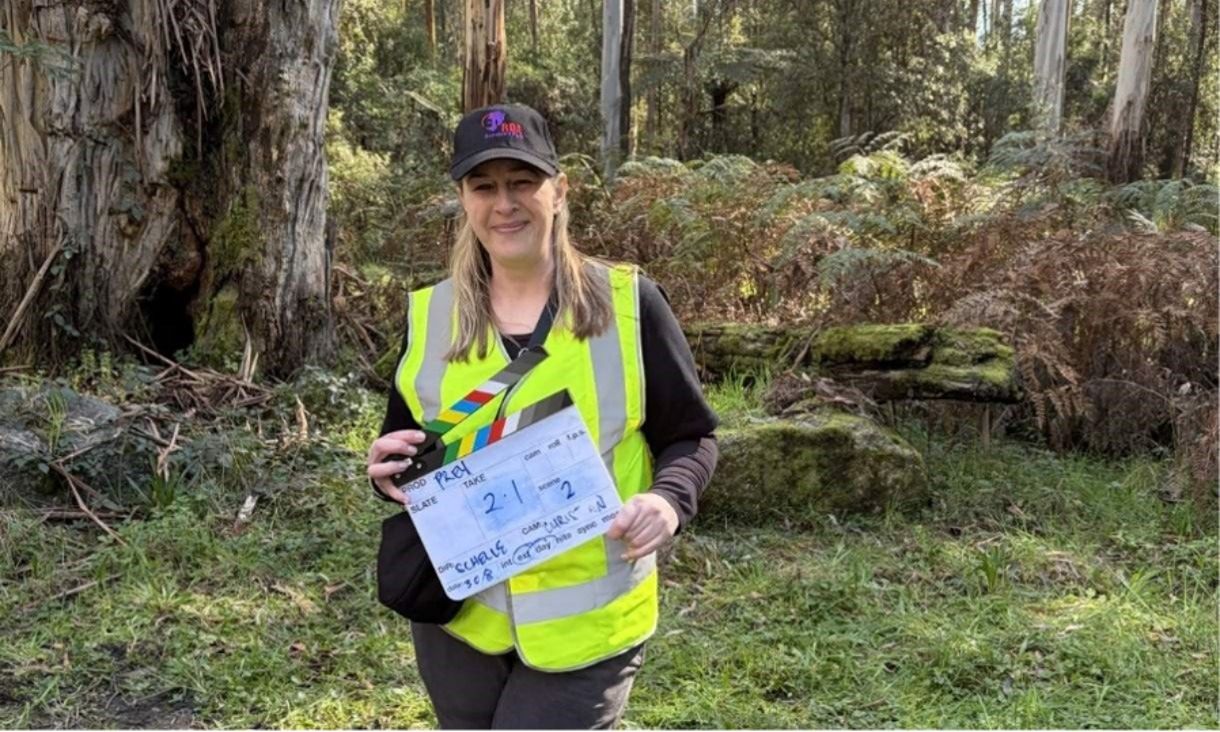
Rewriting her future: Danielle returns to study to pursue her passion
15 Oct 2026
Danielle uprooted her life in Hobart to pursue her passion for screenwriting at RMIT.
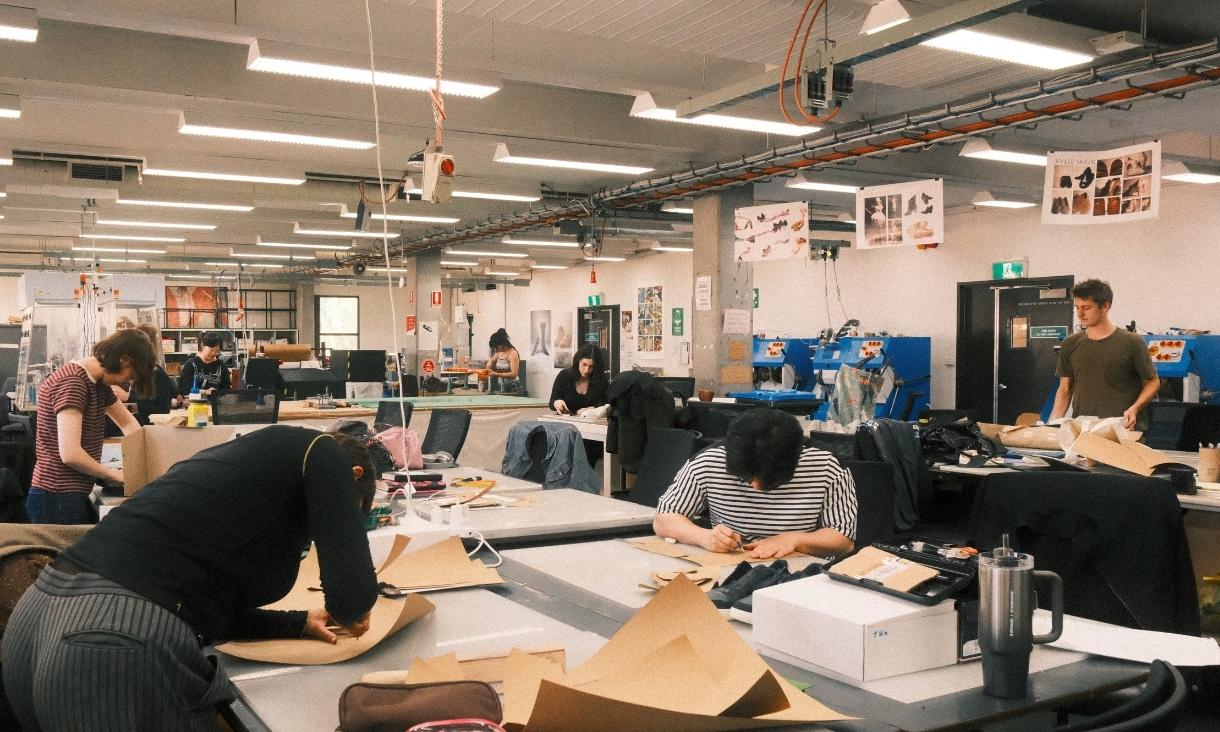
Keeping the sole alive, meet the RMIT students learning the art of handmade shoemaking
14 Oct 2026
RMIT students learn to design and make shoes to industry standards at the only accredited course of its kind in the southern hemisphere. In Semester 2, they were handed full creative freedom to make whatever they wanted.
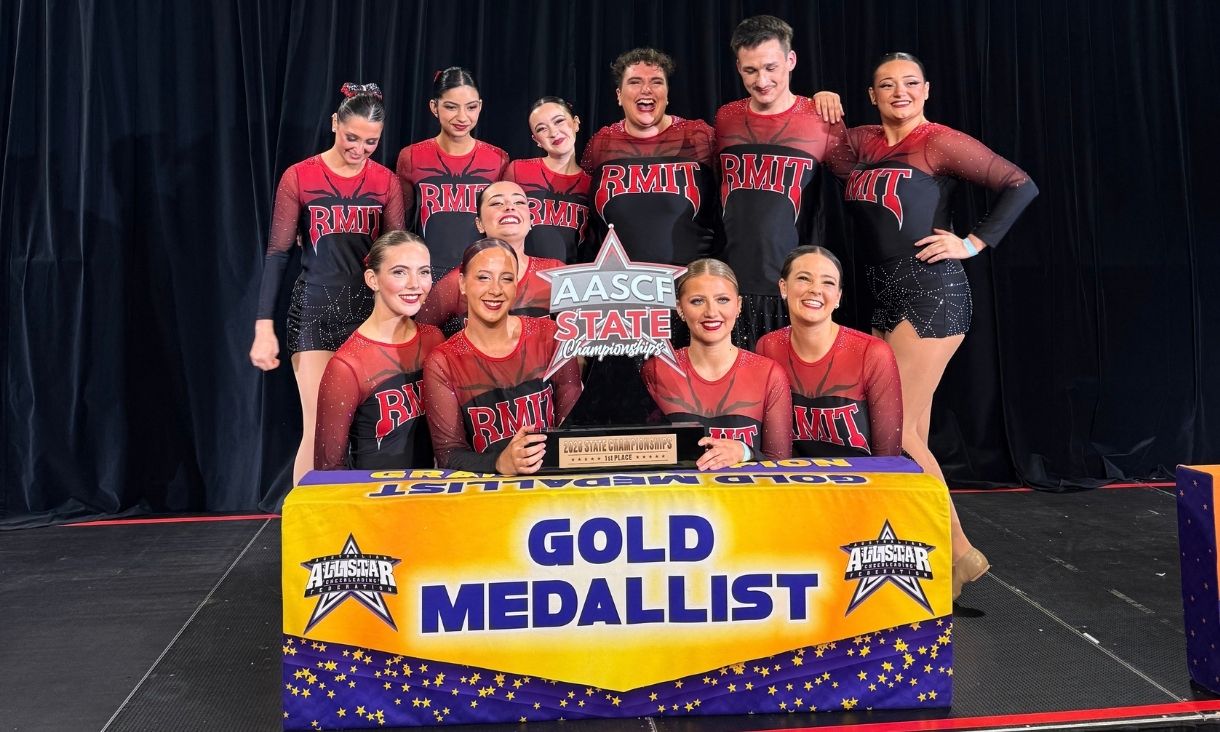
Redback's strike gold at the 2026 Australian All Star Cheerleading Federation State Championships
13 Oct 2026
The RMIT Redbacks Cheer and Dance Club left it all on the dance floor at the 2026 Australian All Star Cheerleading Federation Victorian State Championships.

From Glasgow to Berlin and Milan: what students gain from exchange
12 Oct 2026
Studying overseas is about more than experiencing university in another corner of the world. Many find it’s about the people you connect with, the cultures you discover, and the experiences that challenge, inspire, and shape you long after you’ve returned home.



