
Safer Community is a confidential, free service available to RMIT staff and students who are seeking support for, or to report experiences of, violence, concerning, unwanted, inappropriate or threatening behaviour, either on- or off-campus.
Our team of Safer Community advisors are trained specialists in providing trauma-informed and person-centred support to students and staff.
Examples of the behaviours that you can seek support for, or report, include:
Safer Community provides support to staff and students who have experienced, or witnessed, inappropriate or threatening behaviour, no matter where or when it occurs.
This can include on- or off-campus, on a WIL placement, field trip, co-curricular events, online in learning management systems or other forums.
Safer Community’s team of trained specialist advisors can provide you with a range of support options, including:
Please note: if you’re under 18 Safer Community has obligations to report particular incidents to government agencies. Safer Community will discuss this with you and provide relevant information and advice.
Friends, family or staff members are an important source of support to members of the RMIT community. If you are concerned about an incident, or behaviour you’ve seen or become aware of, you can contact Safer Community to talk through your concerns.
Staff members can also contact Safer Community for advice or guidance about how to support or manage students who are in distress.
Not always.
If you are concerned about a someone's safety, wellbeing, or experiences of harmful behaviour, you can contact Safer Community for advice, without sharing their name.
Where possible, encourage the person to contact Safer Community themselves or let them know you intend to seek support or advice. However, you don’t need their consent to make a referral when you are concerned about their safety, welfare, or the safety of the broader community.
Safer Community can talk through the situation with you, explain available options, and determine the most appropriate next steps while respecting privacy obligations.
When you make a formal report to the University about gender-based violence including sexual harassment, harm or violence, it may be investigated by one of Safer Community’s Specialist Gender-based Violence Investigators.
Specialist Investigators are RMIT staff who are trained in providing trauma-informed and person-centred services, and their involvement in your report involves:
You’ll also receive case management support throughout the process from one of Safer Community’s advisors.
Investigations conducted by RMIT are separate to any police investigation.
If you’re an international student, reporting to the University or Police won’t affect your visa.
Safer Community treats reports sensitively and complies with privacy legislation and university policies when handling personal information.
Information is shared only on a need-to-know basis to:
Students can discuss concerns with Safer Community without committing to making a formal report. Wherever possible, options and potential next steps will be explained allowing you to make an informed decision.
There may be limited circumstances where information must be shared, such as where there is a serious safety concern, a legal requirement, or a child safety obligation.
A report made to Safer Community is not automatically visible to managers, HR, academic staff, or other university employees.
Access to information is restricted to authorised staff who require it to perform their role or respond appropriately to a safety concern.
In some situations, limited information may need to be shared with specific areas of the University to support safety planning, implement protective measures, or meet legal obligations. If this is being considered, Safer Community will generally discuss the process and available options with the reporting person where possible.
There are several methods available for contacting Safer Community, you can choose the one that best suits your preferences.
You can use any of the below methods to seek support for, or make a formal report about unwanted behaviour, including forms of gender-based violence like sexual harm or harassment.
Online:Support Request Form
Phone: +61 3 9925 2396
Email:safercommunity@rmit.edu.au
Safer Community checks emails, phone messages and submitted support request forms Monday to Friday during standard business hours. While response times can vary, the Safer Community team aims to respond to all enquiries within two business days. Please note, peak periods may impact this response time.
Different services have different roles, and sometimes more than one service may be appropriate.
Contact Safer Community when:
Contact Security when:
Contact Counselling when:
Contact Police when:
If you are ever unsure, contact Safer Community. We can help determine the most appropriate support pathway and coordinate with other services where needed.

At RMIT, we believe everyone should feel safe, respected and valued in their place of study and work. Since 2016 we have strengthened our commitment and action to this and to working nationally with other higher education institutions to tackle the challenges that impact our progress.
Our Prevention and Respect team works across the University to co-create change and challenge outdated ideas and behaviours that contribute to gender-based violence.
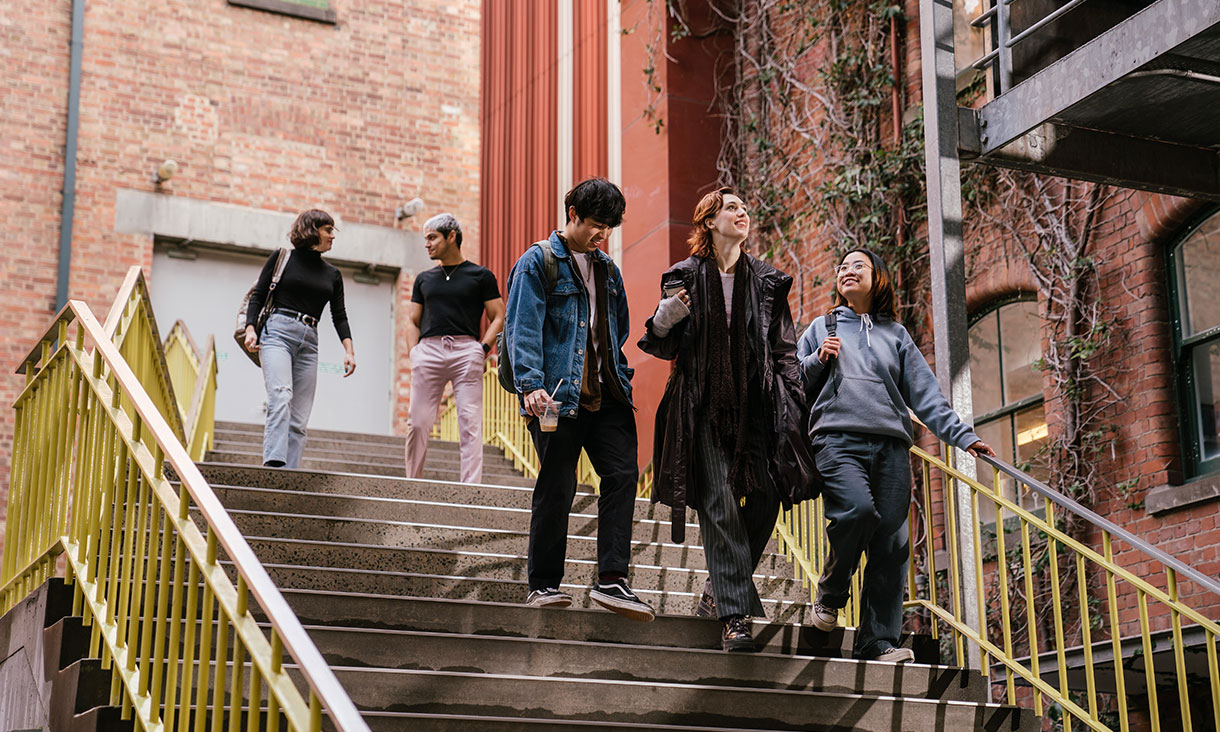
We believe that everyone deserves to feel safe, respected and valued in their place of study and work. Find out what we're doing to build a culture of respect and make RMIT a safer place for everyone.


RMIT University acknowledges the people of the Woi wurrung and Boon wurrung language groups of the eastern Kulin Nation on whose unceded lands we conduct the business of the University. RMIT University respectfully acknowledges their Ancestors and Elders, past and present. RMIT also acknowledges the Traditional Custodians and their Ancestors of the lands and waters across Australia where we conduct our business - Artwork 'Sentient' by Hollie Johnson, Gunaikurnai and Monero Ngarigo.
Learn more about our commitment to Aboriginal and Torres Strait Islander peoples