Science students showcase innovation and impact at WIL event

Science students showcase innovation and impact at WIL event

Final-year students from RMIT’s Bachelor of Science program have demonstrated their ingenuity and real-world impact at the 2025 Science Work Integrated Learning (WIL) Showcase.

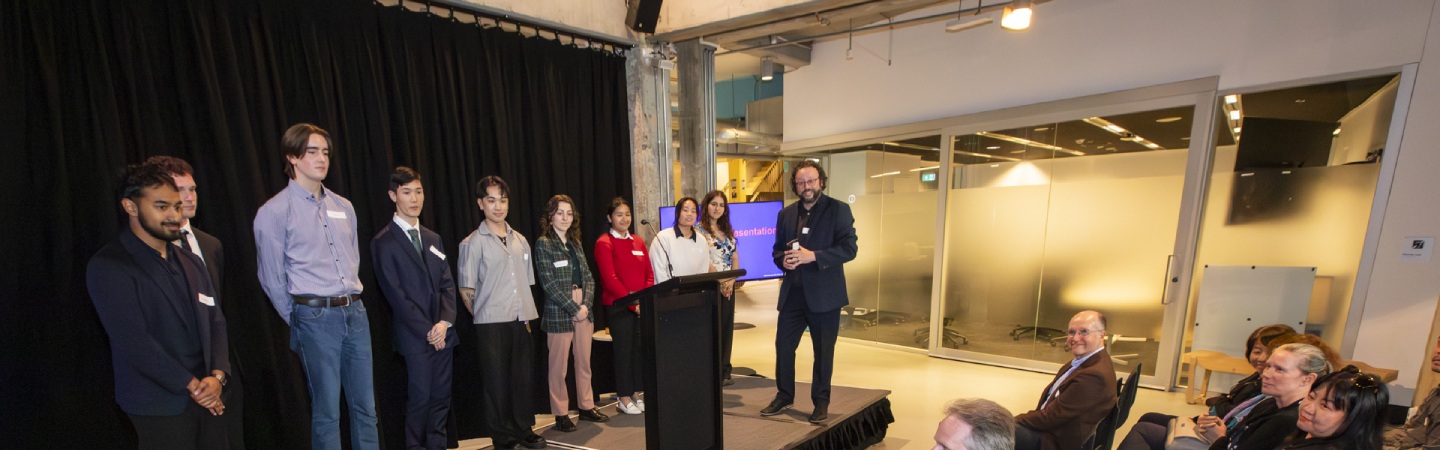
Held at the Media Portal on RMIT’s City campus, the event brought together students, staff and industry partners to celebrate the diverse ways science students are applying their learning to real-world challenges.

“The showcase is a celebration of our students’ achievements, ingenuity, and real-world impact,” said Professor Suelynn Choy, Deputy Dean of Industry, International and Engagement in the School of Science.

“Partnering with industry organisations, students tackle contemporary challenges, from forecasting bus passenger demand using Myki data, to advancing quantum machine learning for mesothelioma drug discovery, and investigating the environmental fate of PFAS (per- and polyfluoroalkyl substances) in Victorian ecosystems.”

“Others explored the intersection of food science and health, including the 3D printing of chocolate for dysphagia patients and protein expression work to advance cancer therapeutics.”

The showcase is part of the final-year Applied Science Project, a capstone experience that allows students to work on real-world problems in collaboration with industry and research mentors.

Student motivations and project pathways

Erika Kaye Santos said she was drawn to biotechnology for its potential to improve human health.

“Biotechnology felt like the perfect balance between discovery and application,” she said. “It allows you to understand the molecular basis of disease and use that knowledge to develop real treatments.”

Her final-year projects combined bioinformatics and computational biology to explore stem cell osteogenesis and AI-driven drug discovery.

Erika’s interest in therapeutic innovation was echoed by Maya Patterson-Janes, who investigated fungal biomaterials.

“I felt like I got full access to the facilities I’d been paying for and learned something truly important every time I came to campus,” Maya said.

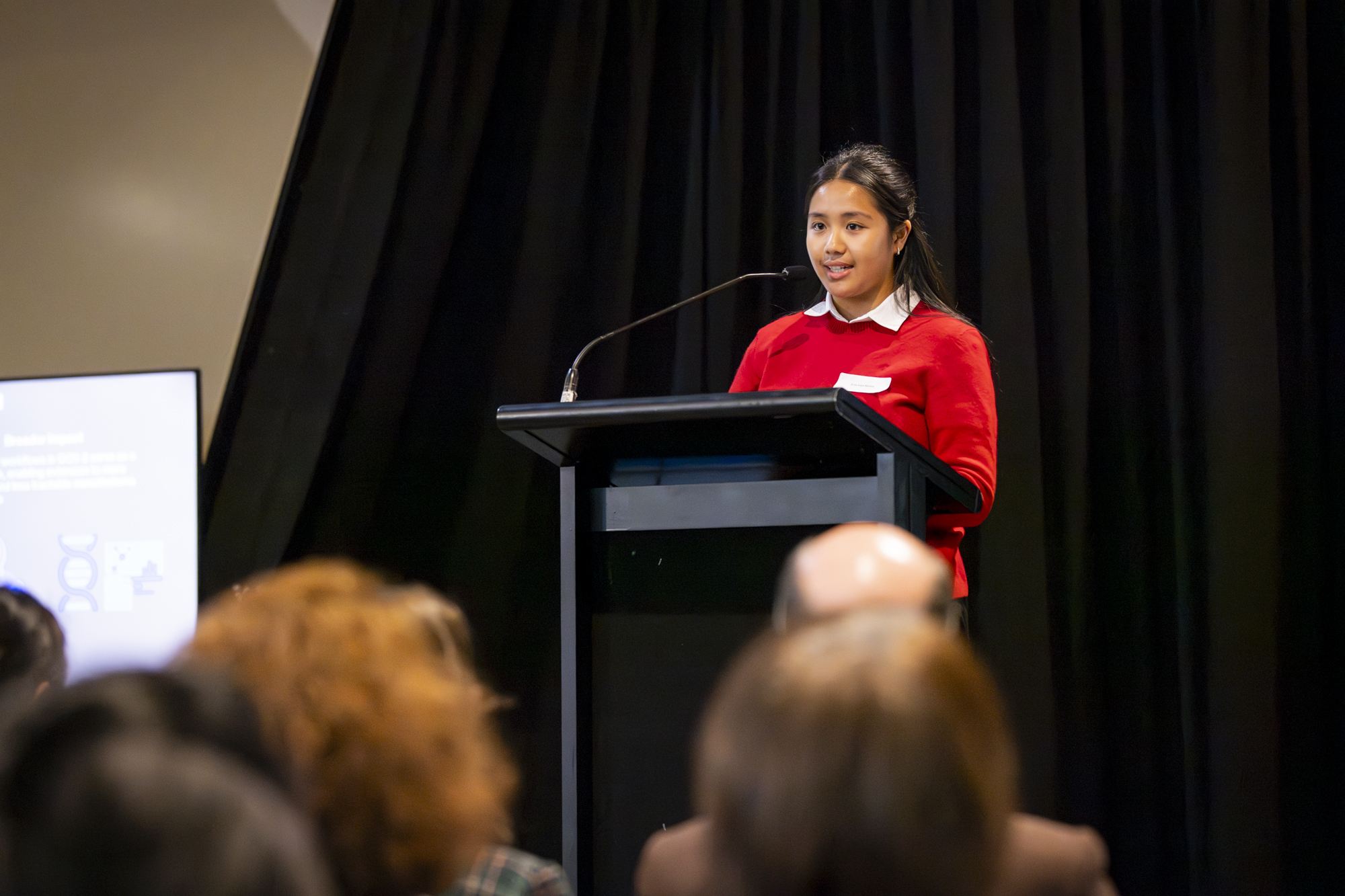
Erika Kaye Santos presents her oral presentation during the the 2025 Science Work Integrated Learning (WIL) Showcase. Erika Kaye Santos (WIL Science Showcase)
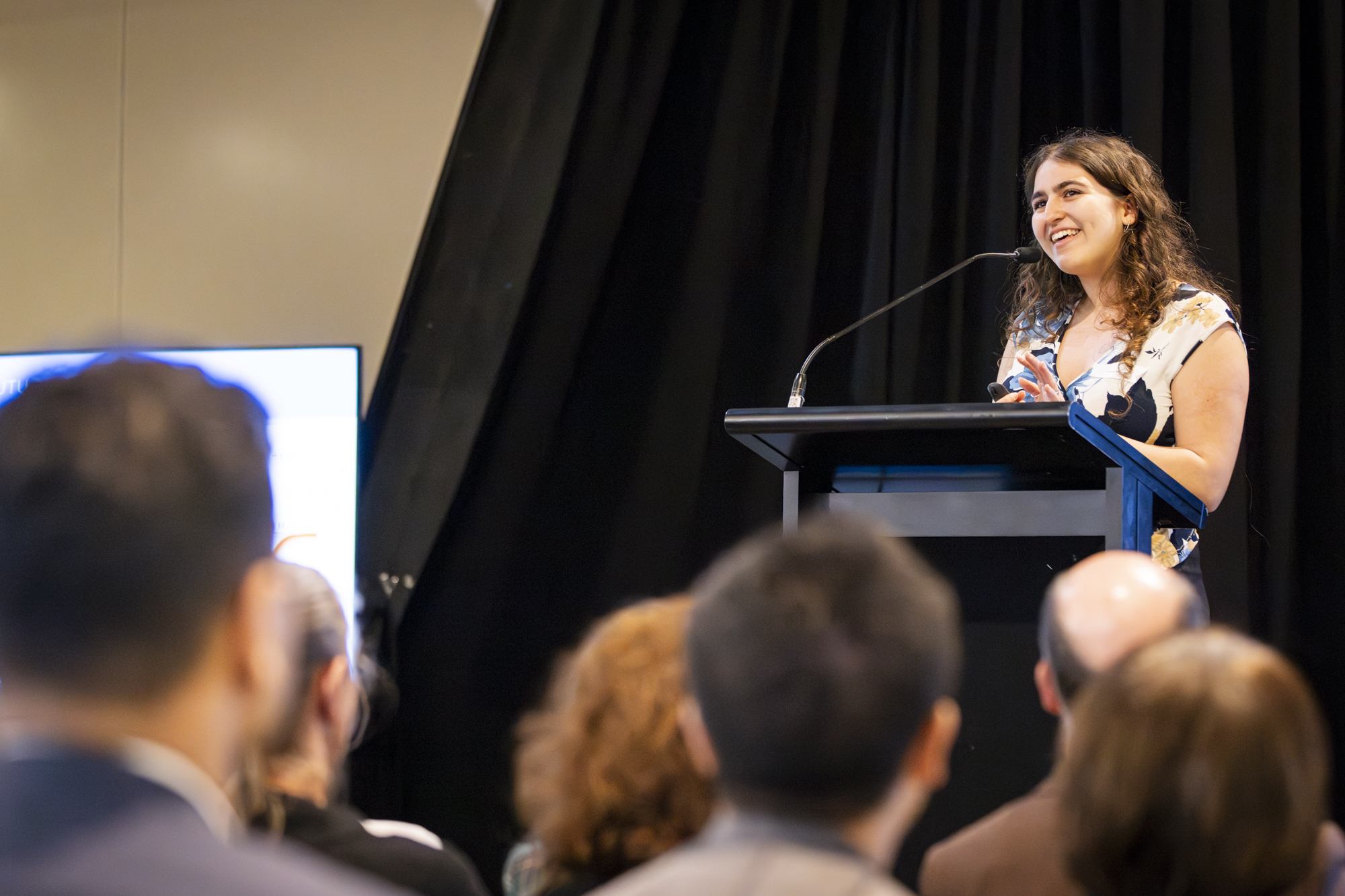
Maya Patterson-Janes presents her oral presentation during the 2025 Science Work Integrated Learning Maya Patterson-Janes (WIL Science Showcase)

For Timna Shushan, physics offered a way to build problem-solving skills while keeping career options open.

“I liked the idea of doing a degree that would provide me with many transferrable skills,” she said.

Her final-year research project helped her develop programming skills and deepen her scientific literacy.

Bianca Brohier focused her environmental science project on seed-based restoration methods for Victorian saltmarshes.

“Being able to work on projects that are meaningful and contribute to larger contexts has allowed me to develop my communication, field work and analytical skills,” she said.

“Amidst a current climate crisis, I’ve become even more determined to pursue a career that conserves and restores vital ecosystems.”

Learning through real-world research

Oscar James, a space science student, said the applied science projects throughout his degree helped him connect theory with practice.

“Both projects have shown me particular industry niches and how to apply my skills to solve problems within them,” he said.

Hands-on classes, including mission simulations, satellite labs and rocket payload building, helped him understand teamwork and the development phases of space missions.

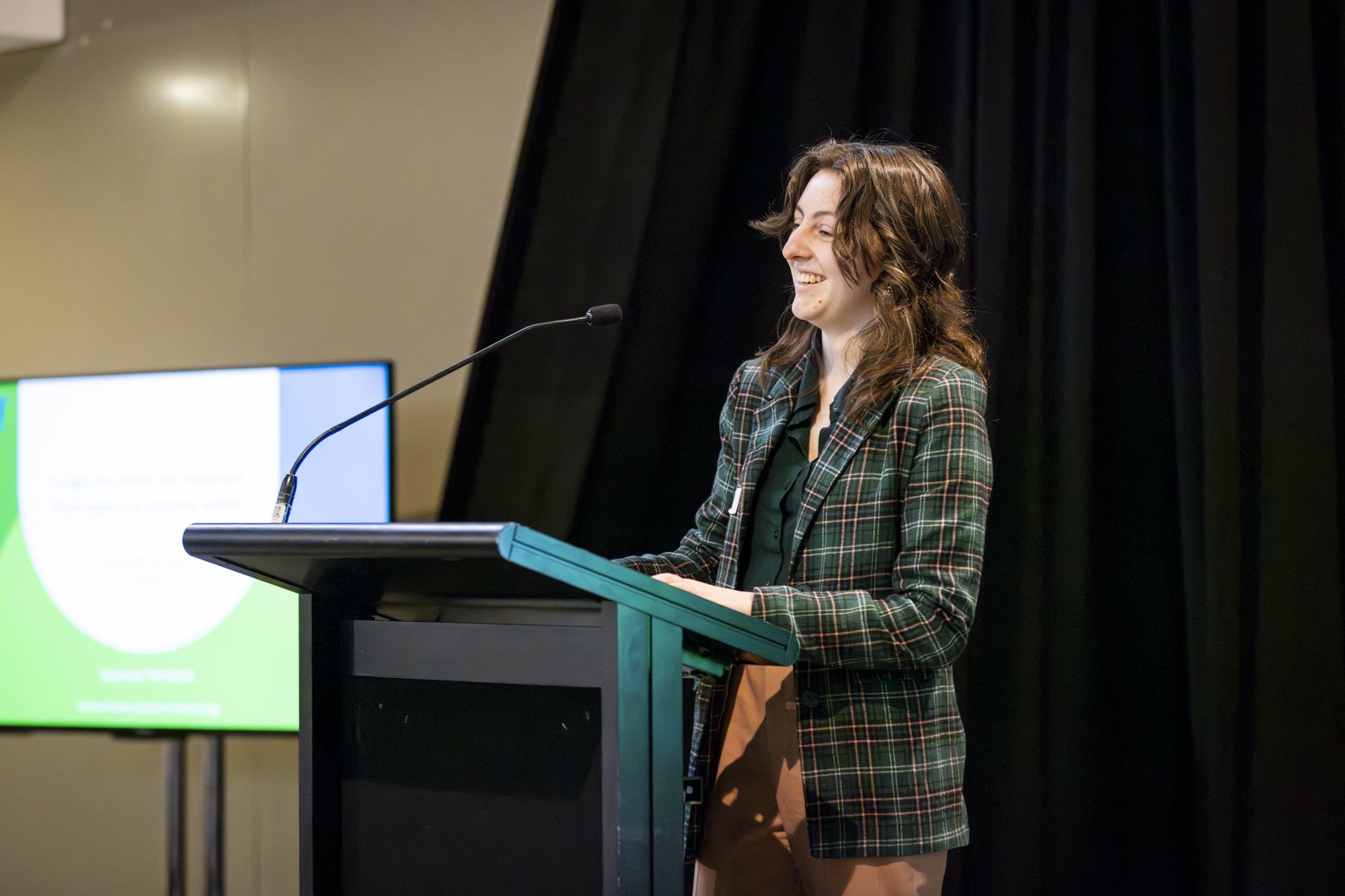
Timna Shushan presents her oral presentation during the 2025 Science WIL Showcase. Timna Shushan (WIL Science Showcase)
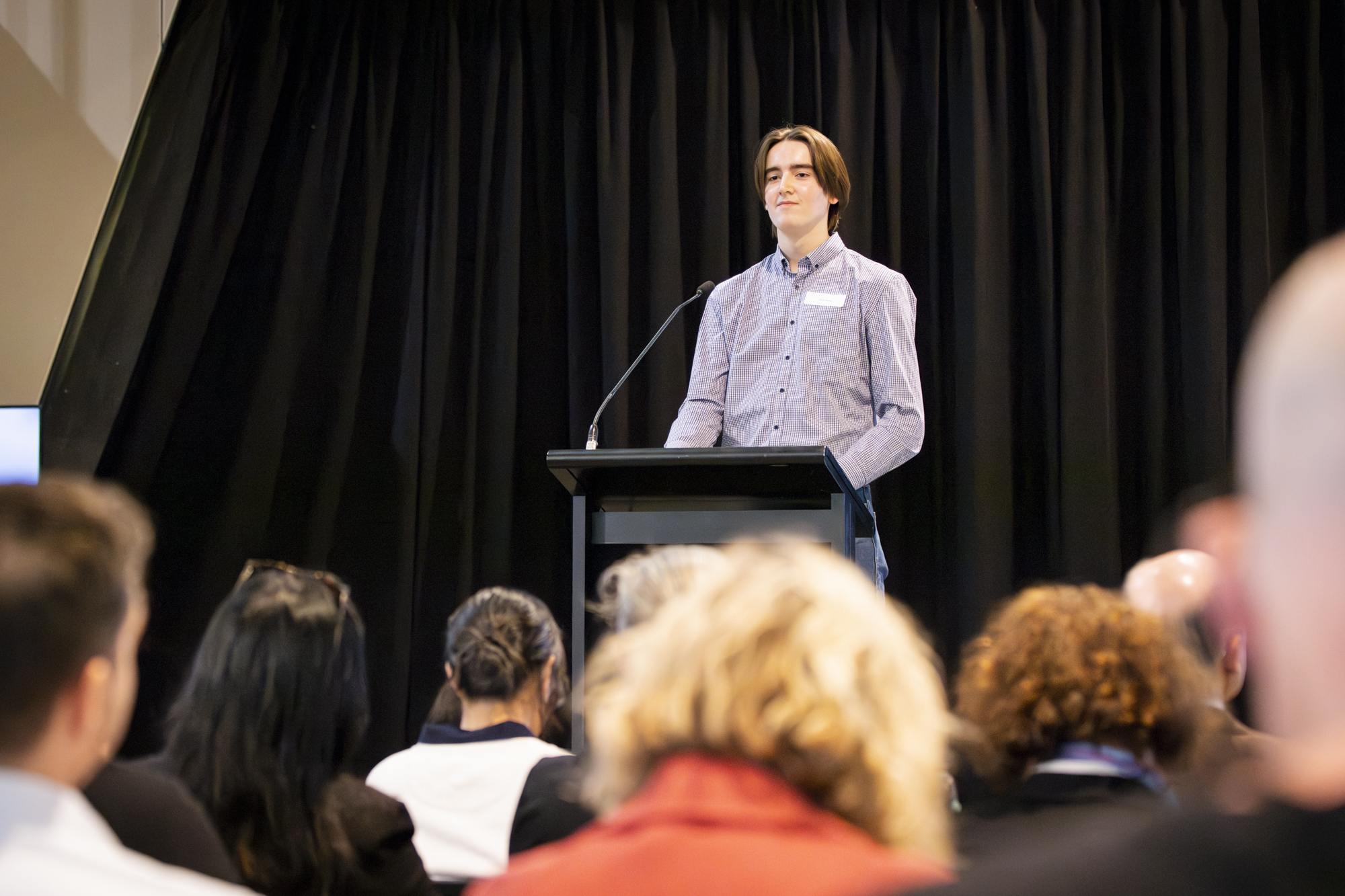
Oscar James presents his oral during the 2025 Science WIL Showcase. Oscar James (WIL Science Showcase)

Preparing students for impact

Work Integrated Learning at in RMIT is designed to give students active, applied and authentic learning experiences that bridge classroom knowledge with real-world practice. The Bachelor of Science program continues to evolve to embed the latest industry-relevant skills and knowledge, ensuring our RMIT graduates are well prepared to contribute meaningfully to science, industry, and society.

Final-year students from RMIT’s Bachelor of Science program demonstrate their ingenuity and real-world impact at the 2025 Science Showcase.


Learn more about the Bachelor of Science program here.

12 November 2025

More student news

aboriginal flag float-start torres strait flag float-start

Acknowledgement of Country

RMIT University acknowledges the people of the Woi wurrung and Boon wurrung language groups of the eastern Kulin Nation on whose unceded lands we conduct the business of the University. RMIT University respectfully acknowledges their Ancestors and Elders, past and present. RMIT also acknowledges the Traditional Custodians and their Ancestors of the lands and waters across Australia where we conduct our business - Artwork 'Sentient' by Hollie Johnson, Gunaikurnai and Monero Ngarigo.

More information