Shaping the future of RMIT campuses: Introducing the Living Places Plan

Shaping the future of RMIT campuses: Introducing the Living Places Plan

RMIT University has unveiled its Living Places Plan which guides how the University makes decisions about property and place

The Living Places Plan sets out how RMIT’s places and spaces will continue to evolve to support learning, creativity, wellbeing and connection across its campuses.  

Rather than being a traditional master plan, it’s designed to be a living plan – flexible, adaptable and responsive to how students, staff and communities actually use campus day to day. 

How students helped shape the Living Places Plan

Student voices have been central to the development of the Living Places Plan.  

Through consultations, engagement activities and creative collaboration, students helped highlight what matters most on campus – from feeling safe and welcome, to having spaces that support social connection, creativity and belonging. 

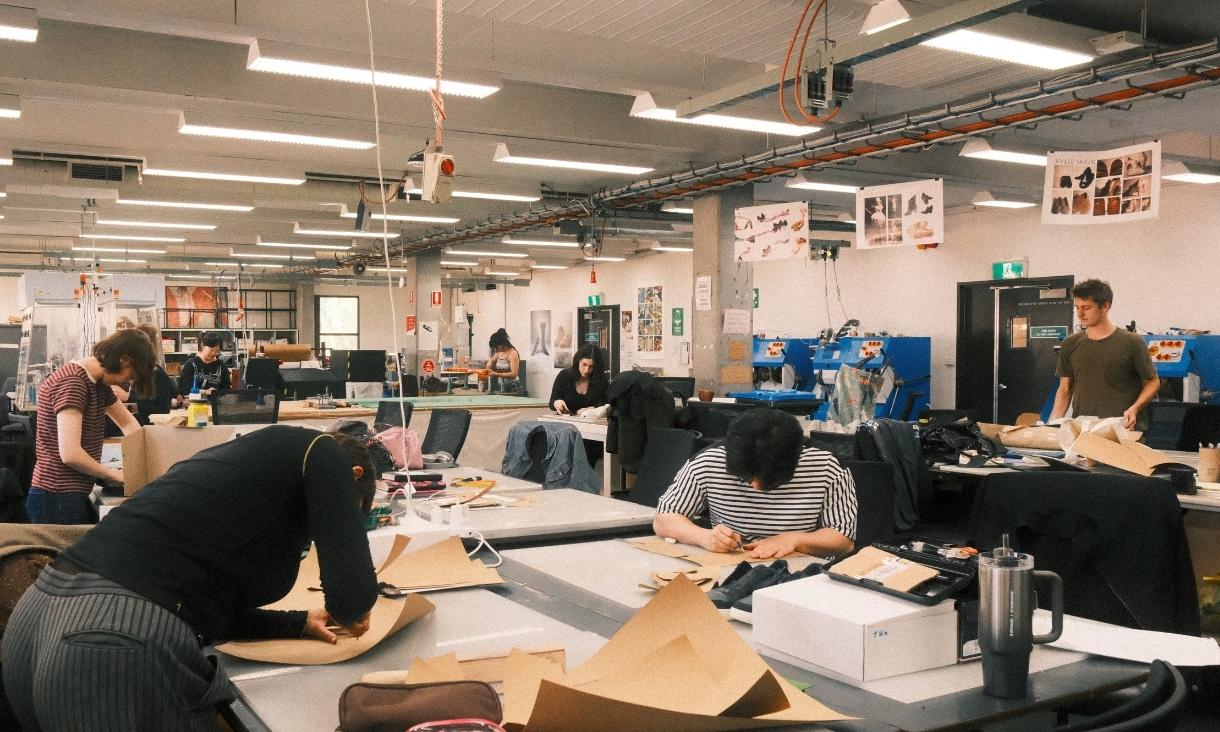
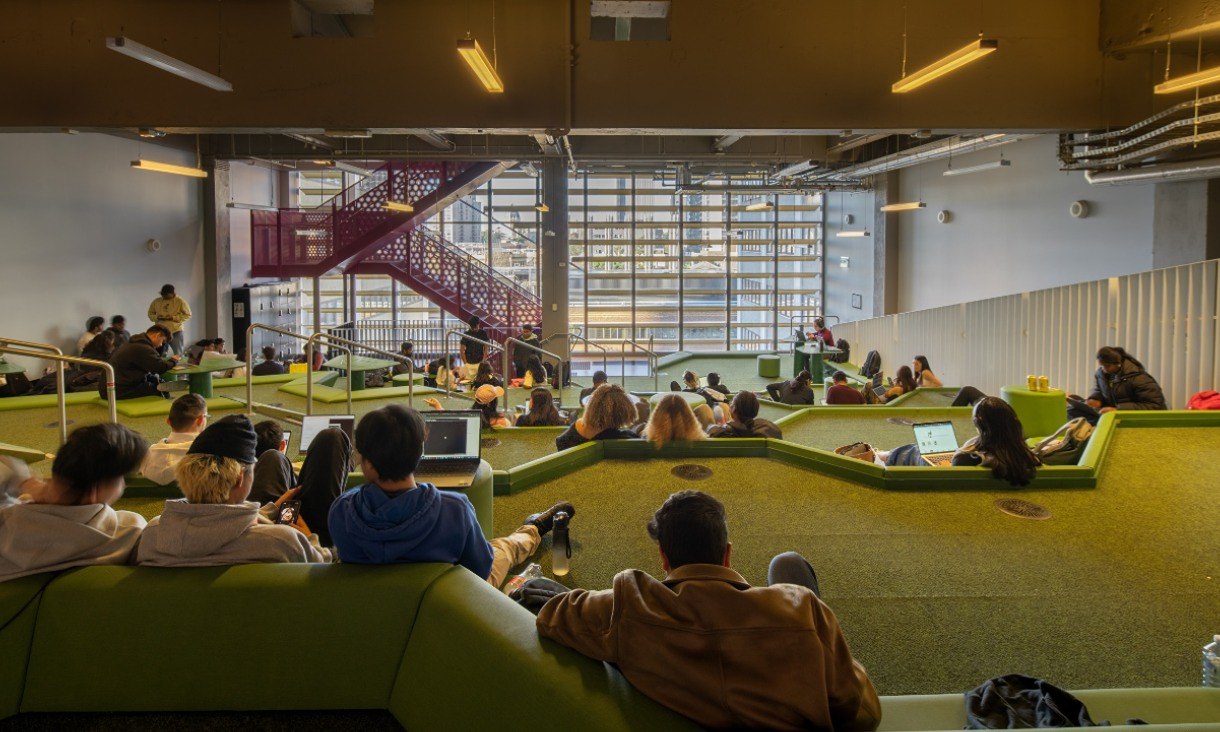
Students also contributed directly to how the Plan is communicated, including photography that captures real student experiences of RMIT’s campuses. 

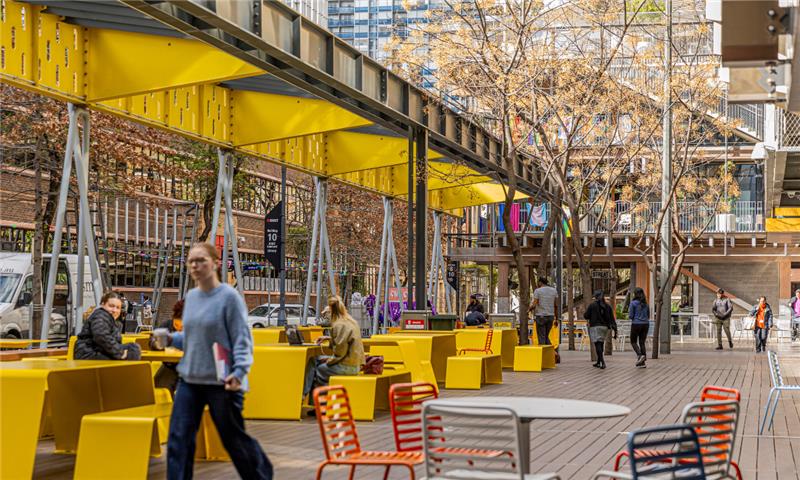
Sam Connellan, RMIT student, Bachelor of Arts – Photography

“I got to observe how students use the spaces and unlock hidden gems where students can study, relax and thrive around the university,” Sam said.

RMIT City campus photo, outside with yellow chairs on decking and brick wallsPhotograph by Sam Connellan
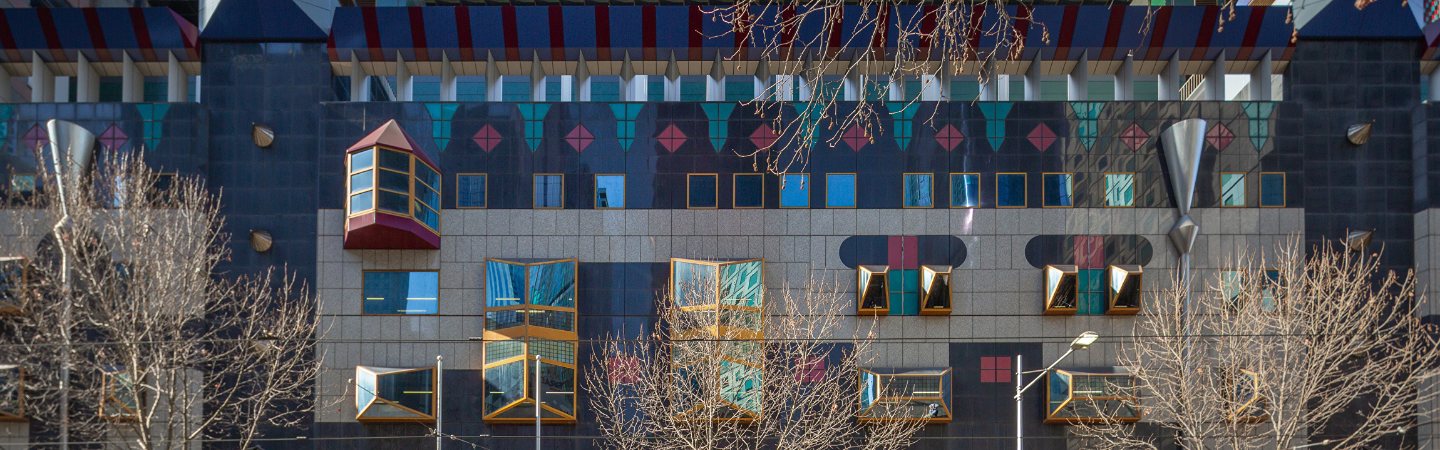
That Quoc Thien Ton, RMIT student, Bachelor of Arts – Photography

“The project provided a valuable and real-world opportunity to work in a client-based environment, having clear goals and expectations. This allowed me to really put what I have learned into practice."

Alt Text is not present for this image, Taking dc:title 'Living places student image 2'Photograph by That Quoc Thien Ton

What this means for students and campus life

The Living Places Plan guides how RMIT makes decisions about campus spaces over time. For students, this means a focus on places that are: 

  • Easier to navigate and use 
  • Welcoming, inclusive and safe 
  • Supportive of learning, collaboration and wellbeing 
  • Designed for connection and participation in campus life.

Whether it’s shared indoor and outdoor spaces, clearer wayfinding, places to study or spaces that support informal learning, the Plan puts student experience at the centre of how RMIT’s campuses evolve. 

Visit the Living Places Exchange Building 42, City campus

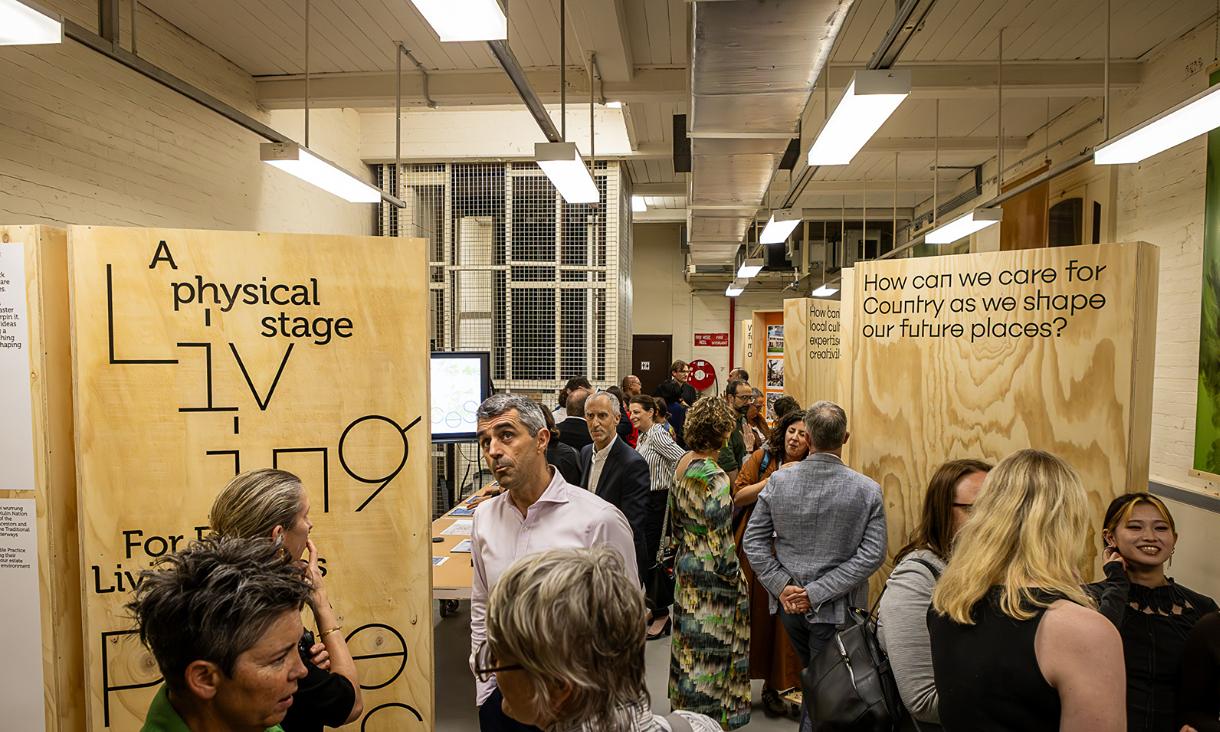
To bring the Plan off the page, RMIT has created the Living Places Exchange – a physical exhibition space that showcases the Plan’s vision and goals through examples of RMIT learning, teaching and research. 

The Living Places Exchange is a place to explore how campus spaces are shaped, see the ideas behind the Plan in action, and consider how students can continue to influence the future of RMIT’s places. 

Opening times and details are available on the Living Places Exchange website

Alt Text is not present for this image, Taking dc:title 'Living places reference image'

Get involved

Students are encouraged to:

The future of RMIT's campuses is shaped by the people who use them. The Living Places Plan is one way that students can see thier experiences and ideas reflected in the University's long-term thinking about place.

28 April 2026

More student news

aboriginal flag float-starttorres strait flag float-start

Acknowledgement of Country

RMIT University acknowledges the people of the Woi wurrung and Boon wurrung language groups of the eastern Kulin Nation on whose unceded lands we conduct the business of the University. RMIT University respectfully acknowledges their Ancestors and Elders, past and present. RMIT also acknowledges the Traditional Custodians and their Ancestors of the lands and waters across Australia where we conduct our business - Artwork 'Sentient' by Hollie Johnson, Gunaikurnai and Monero Ngarigo.

Learn more about our commitment to Indigenous cultures