Flexible Nuclear Medicine program unlocks new pathways, childhood dreams for learners

Flexible Nuclear Medicine program unlocks new pathways, childhood dreams for learners

RMIT’s Nuclear Medicine program is offered as part of the Earn and Learn initiative, helping students from around Australia study in their home state while gaining paid, on-the-job experience.

Since launching in Queensland during Semester 1 2025, the Bachelor of Medical Radiation (Nuclear Medicine – Industry Practice) program has expanded to include Western Australia (WA) and Tasmania. 

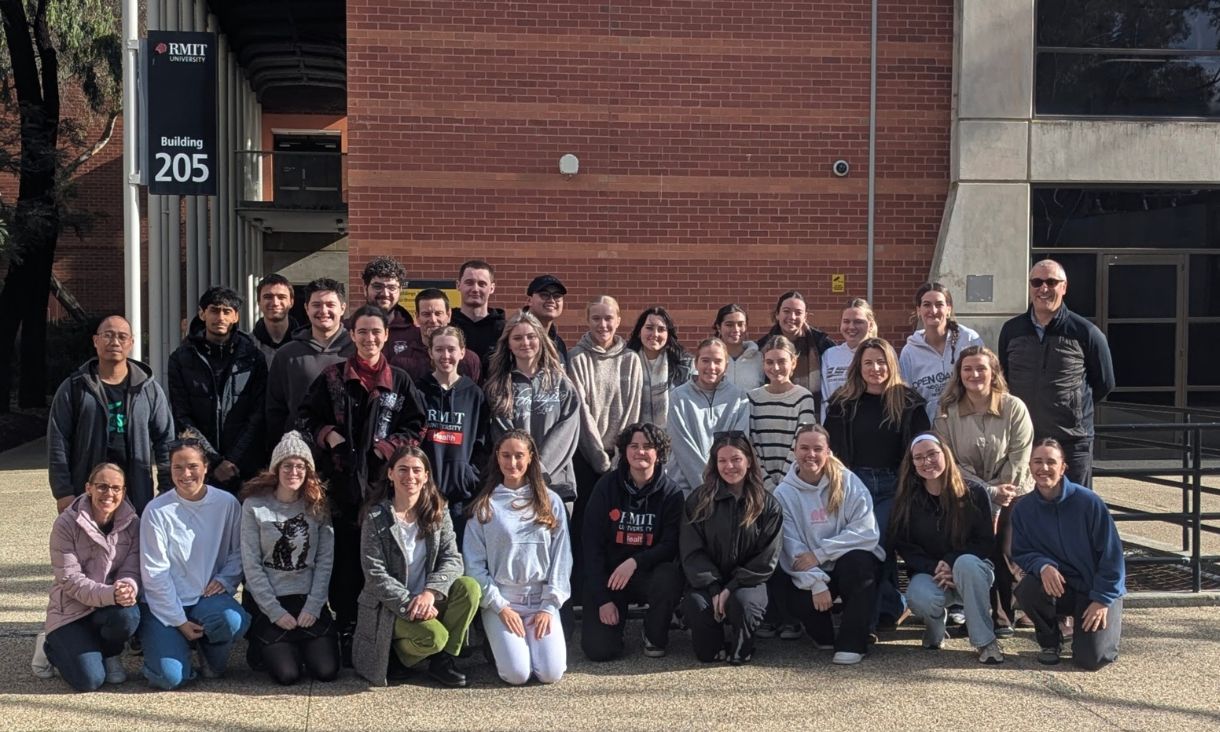
During a visit last semester to RMIT’s Bundoora campus in Melbourne, students undertaking their studies remotely got to come together and experience what life is like on campus. 

The Earn and Learn model, pioneered at RMIT by the College of Vocational Education and STEM College, offers paid work experience for students in industries facing skills shortages, helping to solve some of Australia’s biggest workforce challenges while providing students with valuable experience. 

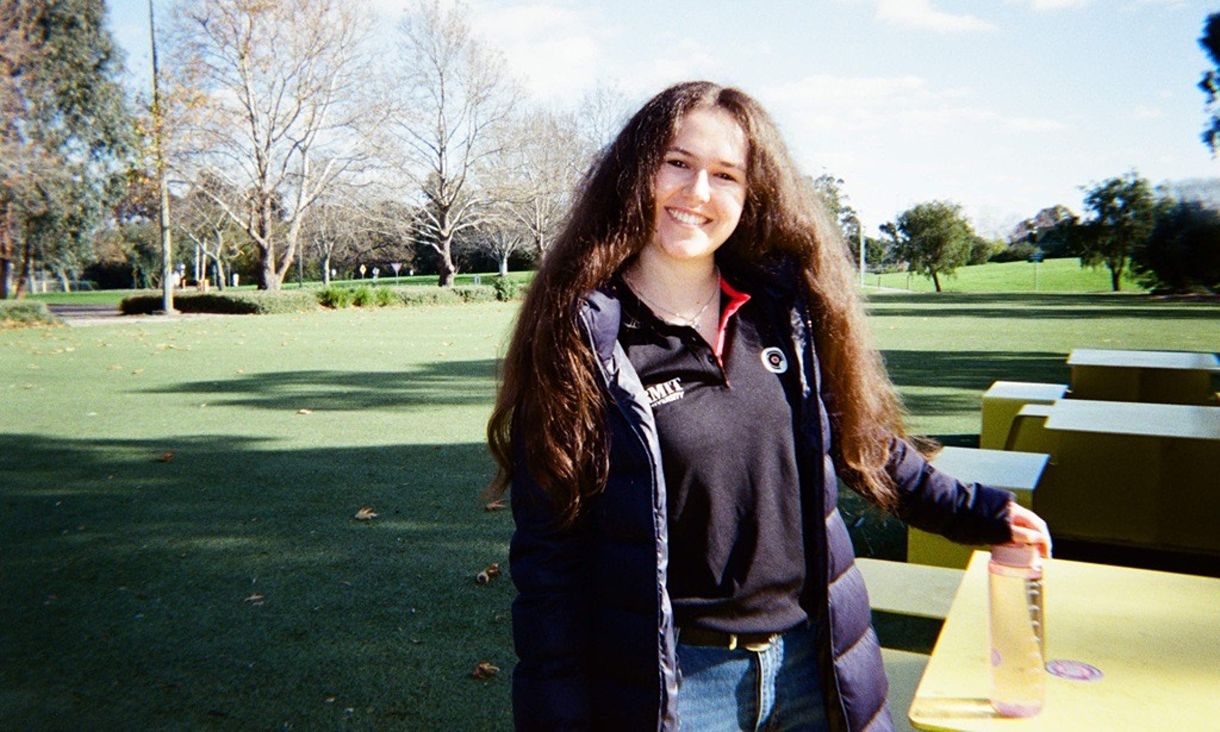
One of these students is Emma Holtham, who is based in WA. Emma was drawn to the health field after experiencing the impact of healthcare workers first-hand while she underwent cancer treatment as a child. 

“I had childhood cancer and was having PET [Positron Emission Tomography] scans from the ages of 5-15, so I was very familiar with PET as a patient and how valuable it was to the diagnosis and monitoring of disease,” Emma said. 

Emma is currently undertaking placement at Bentley Hospital in the Perth Radiological Clinic and enjoys being able to connect with patients on a personal level. 

“I have always thought that while cancer and the process of chemotherapy is such a hard journey to go through, it is so unique that it creates a sense of understanding and community with those who have also gone through it. 

“I like being able to discuss life after chemo with patients who have finished their treatment and discuss the fear of the unknown with those who are there for checking for recurrence of the presence of cancer and relate my own experiences with them.”  

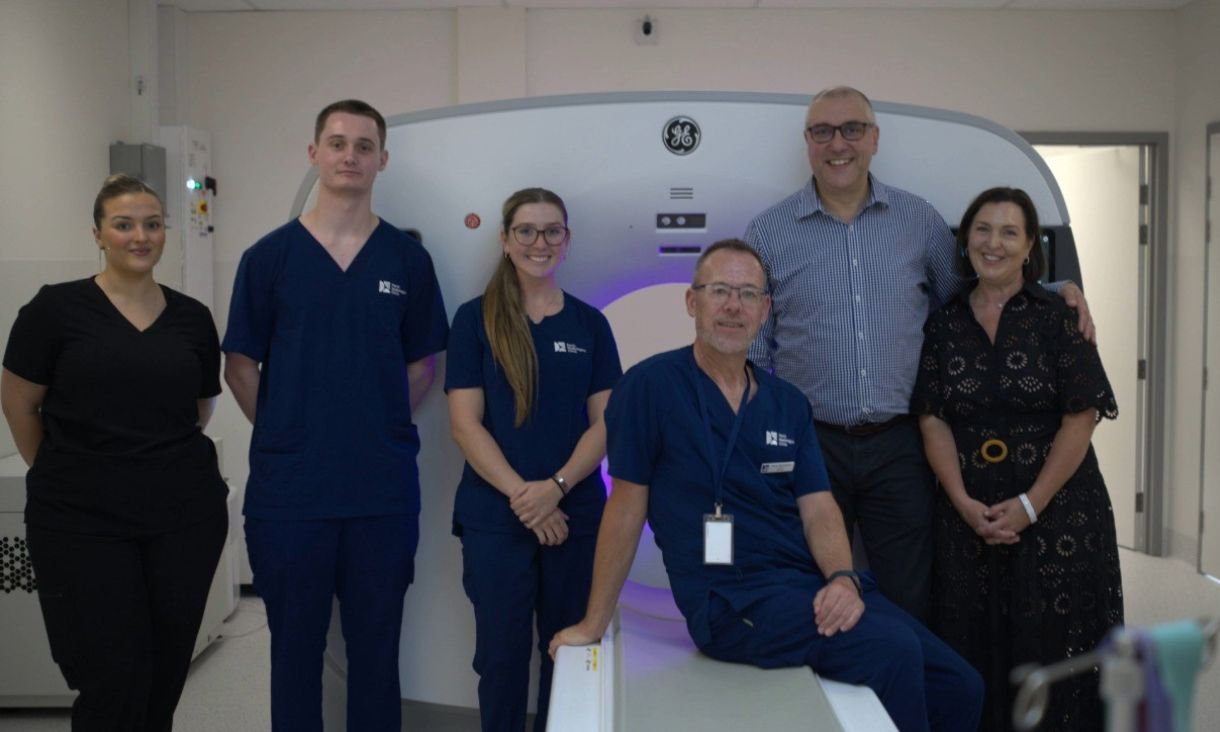
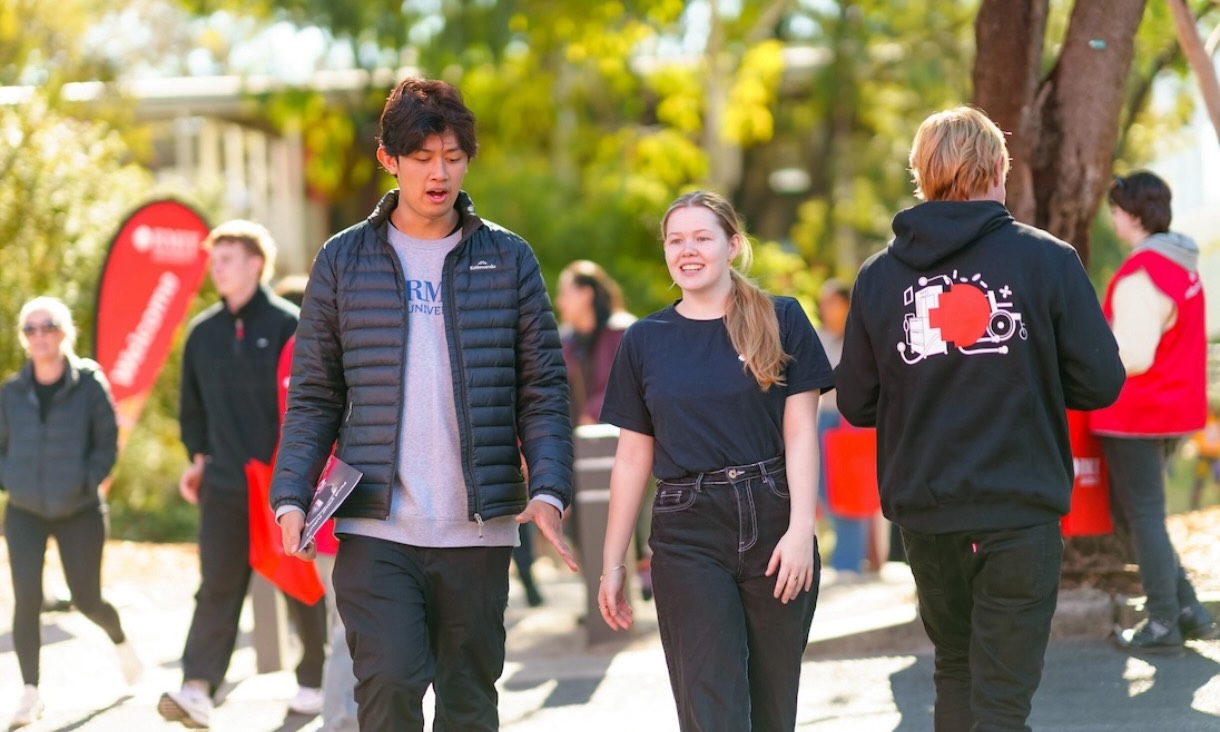
Students posing outsideNuclear Medicine students visit RMIT Bundoora campus in Melbourne, Victoria.

Bridging skills gaps across Australia

The Earn and Learn model enables students from regional and remote parts of the country to complete their studies. 

Cameron White, who is based in regional Geelong and has been working as an orderly at Barwon Health for the past 10 years, said studying at home is helping him give back to the local community. 

“Being a regional city, it can often be difficult to attract suitably qualified staff... It is great to be able to give back to the local community,” Cameron said. 

Having quality healthcare services available outside of big city centres is critical for patients and their families, something that Emma knows well. 

“When I was going through chemotherapy, my mum had to take extended leave and find accommodation for us in the months that I was required to be down in Perth receiving treatment. 

“I wasn’t able to see my brother or my dad for months at a time as they weren’t able to neglect the responsibilities back home and have time for 20-hour round trip.” 

Emma plans to continue working in remote communities once she graduates. 

“Being able to be further up north and provide these services to the more rural towns is definitely where I would eventually like to go.” 

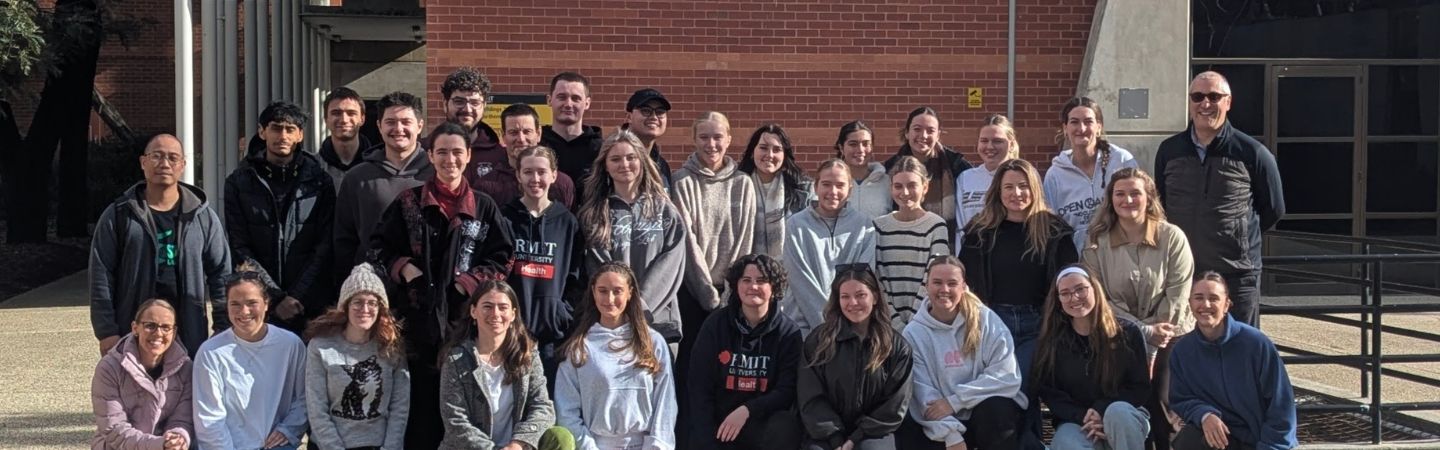
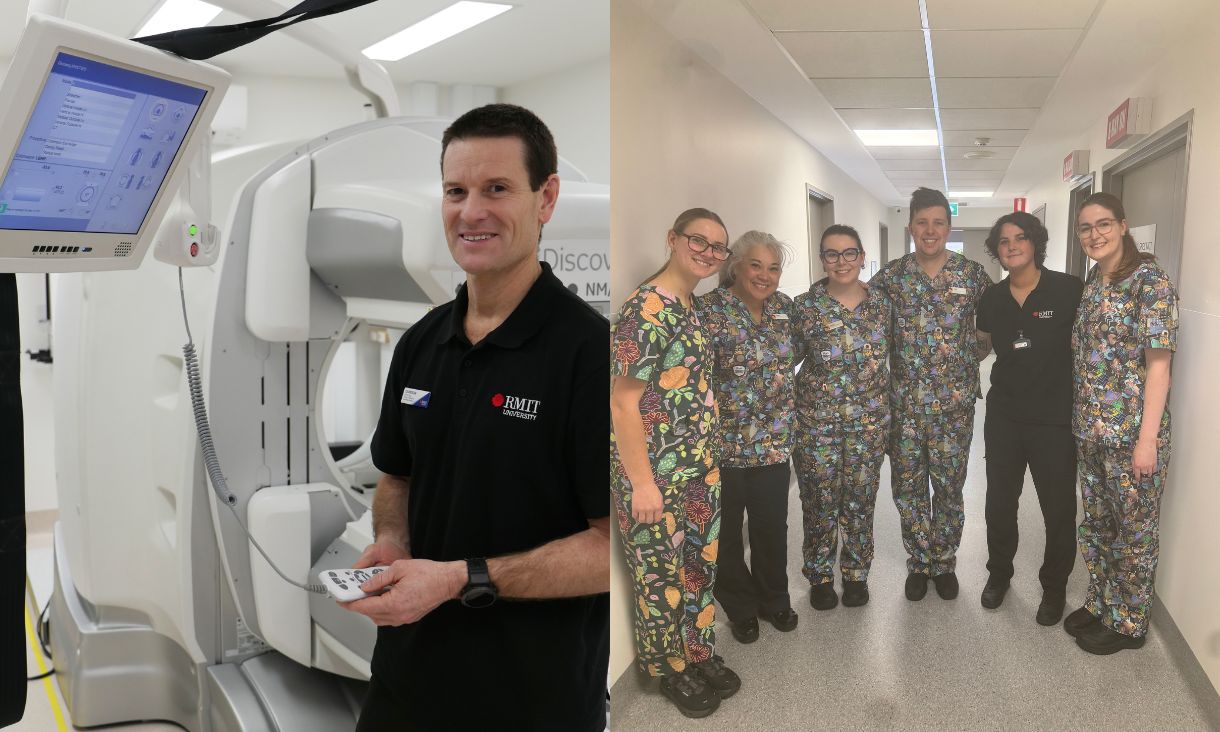
Students and academic staff on shiftEmma Holtham, third from left, alongside fellow students and academic staff.

All programs under Earn and Learn offer paid work experience to students. 

Halle Mifsud, who is completing her clinical placement at the Prince Charles Hospital in Brisbane, said working while studying has benefitted her learning significantly. 

“I’m able to apply what I’m learning at university almost immediately in a real clinical setting, which has accelerated my learning in ways that classroom teaching alone couldn’t,” Halle said. 

“I’ve developed practical skills, built confidence communicating with patients, and gained a much deeper understanding of how a busy nuclear medicine department operates. Gaining this experience while studying is an incredible advantage.” 

Cameron said paid placement is what made his decision to pursue a pathway as a nuclear medicine technologist possible, while Georgie Bennett, a student from Tasmania, said juggling life responsibilities is a lot easier. 

Nuclear medicine image 03

“[Undertaking placement] within the city I already live in has made placement a whole lot less stressful,” Georgie said. 

“RMIT’s model enables student to complete their placements by spending two days a week with their department, rather than countless weeks at different centres, which works particularly well. Plus, it really helps not having to stress about whether I can actually afford to go on placement,” she said. 

Program Manager Associate Professor Mark Scalzo said it’s heartening to see students engage so fully with the program. 

"The program allows students who may otherwise be limited by circumstances beyond their control such as travel and living expenses, to find a tertiary education pathway that suits them.” 

“It’s great to see students take advantage of all the opportunities available to them and benefit from this innovative learning model.” 

Find out more about the Embedded Student Model: Bachelor of Medical Radiation (Nuclear Medicine – Industry Practice).

11 August 2026

More student news

aboriginal flag float-starttorres strait flag float-start

Acknowledgement of Country

RMIT University acknowledges the people of the Woi wurrung and Boon wurrung language groups of the eastern Kulin Nation on whose unceded lands we conduct the business of the University. RMIT University respectfully acknowledges their Ancestors and Elders, past and present. RMIT also acknowledges the Traditional Custodians and their Ancestors of the lands and waters across Australia where we conduct our business - Artwork 'Sentient' by Hollie Johnson, Gunaikurnai and Monero Ngarigo.

Learn more about our commitment to Indigenous cultures