Student rocket team soars to success with four international awards

Student rocket team soars to success with four international awards

RMIT’s High Velocity (Hive) team competed in the International Rocket Engineering Competition (IREC) for the second time, which took place in Texas last month.

The IREC sees student rocketry teams from around the world compete to extend themselves beyond the classroom to design, build and fly high-powered rockets. 

In 2026, the competition took place at Spaceport Midland and featured 144 teams battling it out against the backdrop of the Texas desert. 

The RMIT Hive team won four awards: 

  • 1st in the Live Telemetry Visualization Challenge 
  • 2nd in the Space Dynamics Laboratory (SDL) Payload Challenge  
  • 2nd in the 10k SRAD (Student Researched and Developed) Hybrid Category 
  • 2nd in the Best Photograph Competition 

The competition required students to create a rocket that could be launched 10,000 feet in the air. 

From designing and manufacturing to assembling and testing the rocket, the students got a taste of the real-world conditions and challenges they will face in their future careers as aerospace engineers and space scientists. 

Freddy McLoughlan, IREC Team Lead for RMIT Hive, said students learn a lot from the competition environment. 

“Each of us learned an incredible amount. We gained industry connections, lifelong friends, and opportunities you wouldn’t get anywhere else,” Freddy said. 

“There is no substitute for real engineering. Especially at this scale. It’s not every day a student is given the opportunity to build their own custom rocket from scratch and be given tools and resources to make it happen.” 

Professor Jennifer Palmer, Head of Department and Associate Dean of Aerospace Engineering, who supervises the team, said she is proud of the students’ achievements.  

“What the students have accomplished is no easy feat. To compete on a global stage requires outstanding teamwork, technical skills, and an ability to think fast and adapt to solve problems,” Palmer said. 

“These students are the future of the field, and the School of Engineering and STEM College are proud to have supported them to pursue this exciting learning opportunity.” 

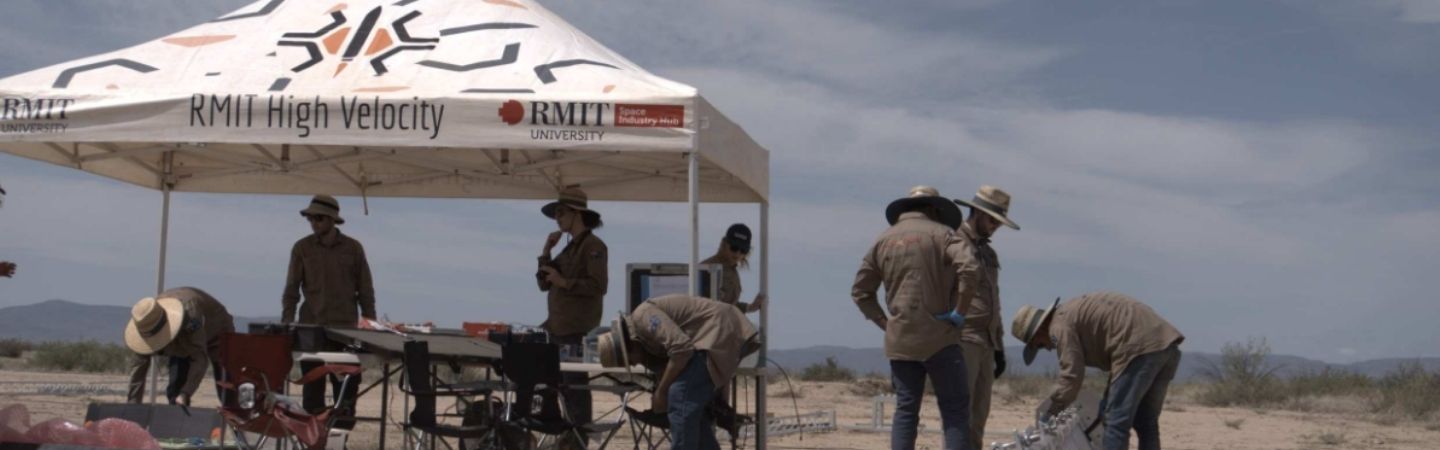
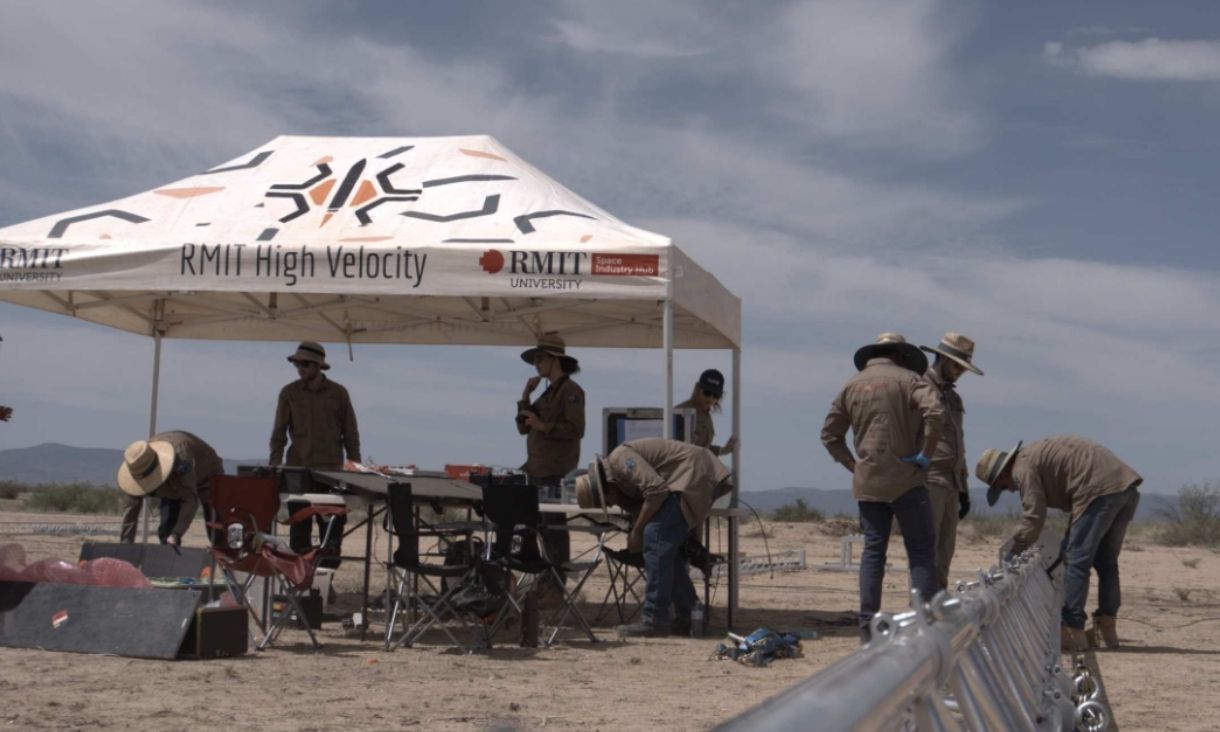
Hive image 1Students working on the rocket

Competition turns ‘science fiction’ into reality

The IREC was a dream come true for members of the Hive team. 

Tiana Atkinson, who co-led the IREC team with Freddy, said her childhood love of sci-fi movies has been realised thanks to the opportunities she has received at RMIT. 

“A lot of the things that I grew up watching in sci-fi movies are covered in my subjects, and we get the chance to learn them. This final year [of studying] has been really special because there has been a lot more hands-on project work,” Tiana said. 

The IREC was one of these projects. During the competition, Tiana’s leadership skills were put to the test by the various hurdles and obstacles the team faced. 

“The biggest challenges came from managing external commitments and things outside of our control, such as logistics changes, manufacturing delays and key testing opportunities shifting around. 

“We came into this competition with a timeline and checkpoints, but about 90% of that went out the window very quickly, so the whole team had to be extremely adaptable and solve problems at every step.” 

Like any good sci-fi movie, the team banded together to overcome these problems and triumph as one. 

“The team made it work, and in the end, we produced something we are genuinely proud of.” 

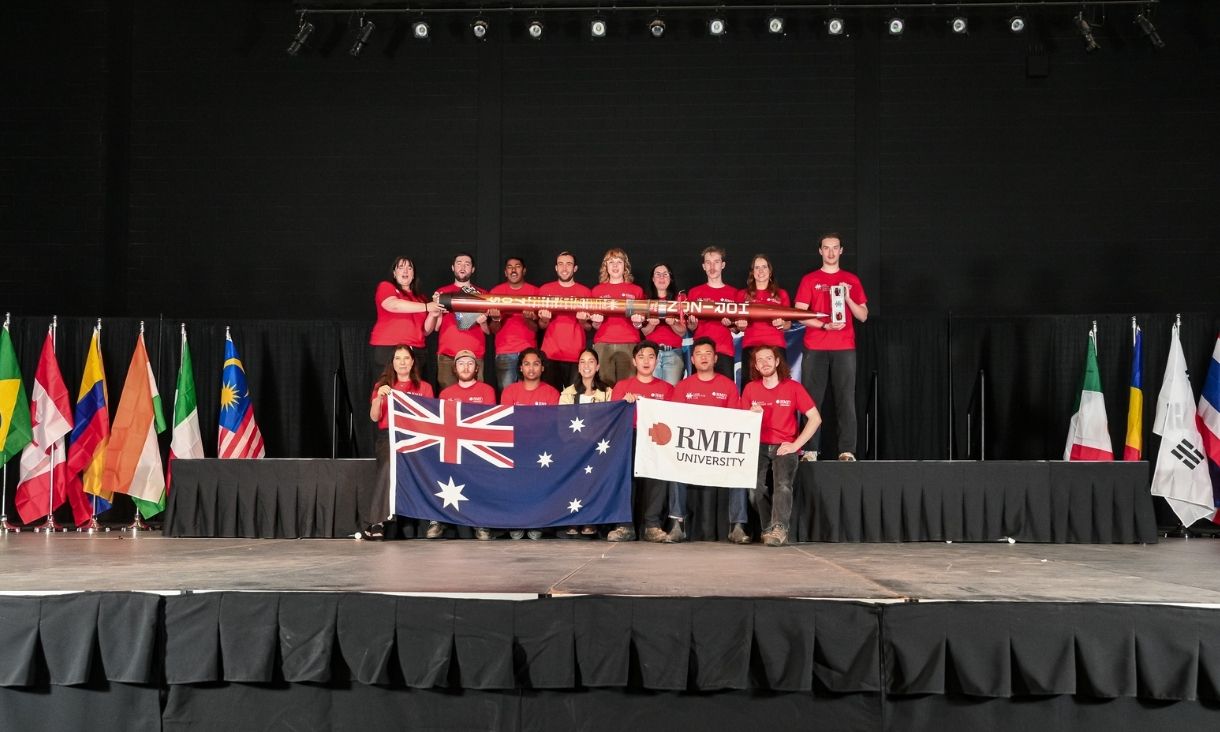
Hive image 2Students on stage at IREC

Applied learning offers once-in-a-lifetime experiences

RMIT students benefit from unique, practical experiences that prepare them to graduate with industry-ready skills. 

Being a part of Hive and competing in IREC has helped Tiana broaden her skillset and deepen her knowledge. 

“You get to go through the full design and manufacturing process from start to finish, with deadlines, reports, hands-on manufacturing and a physical result that actually gets tested in a high-stakes competition. 

“You are applying what you have learned in the classroom, but you are also spending months researching, refining, building and problem-solving, rather than being forced to move on from it after 12 weeks like you often do in a standard subject.” 

The competition has also prepared Tiana for the practicalities of the workforce. 

“It teaches you how to manage stakeholders, budgets, expectations, and access to opportunities. Being able to meet and learn from industry professionals is also genuinely invaluable.” 

Freddy agrees that the hands-on nature of the work at RMIT is crucial to students’ development. 

“RMIT is incredibly practical, and I have enjoyed learning by making things, rather than just reading about them. Perhaps that’s why I enjoy being a member of Hive so much.” 

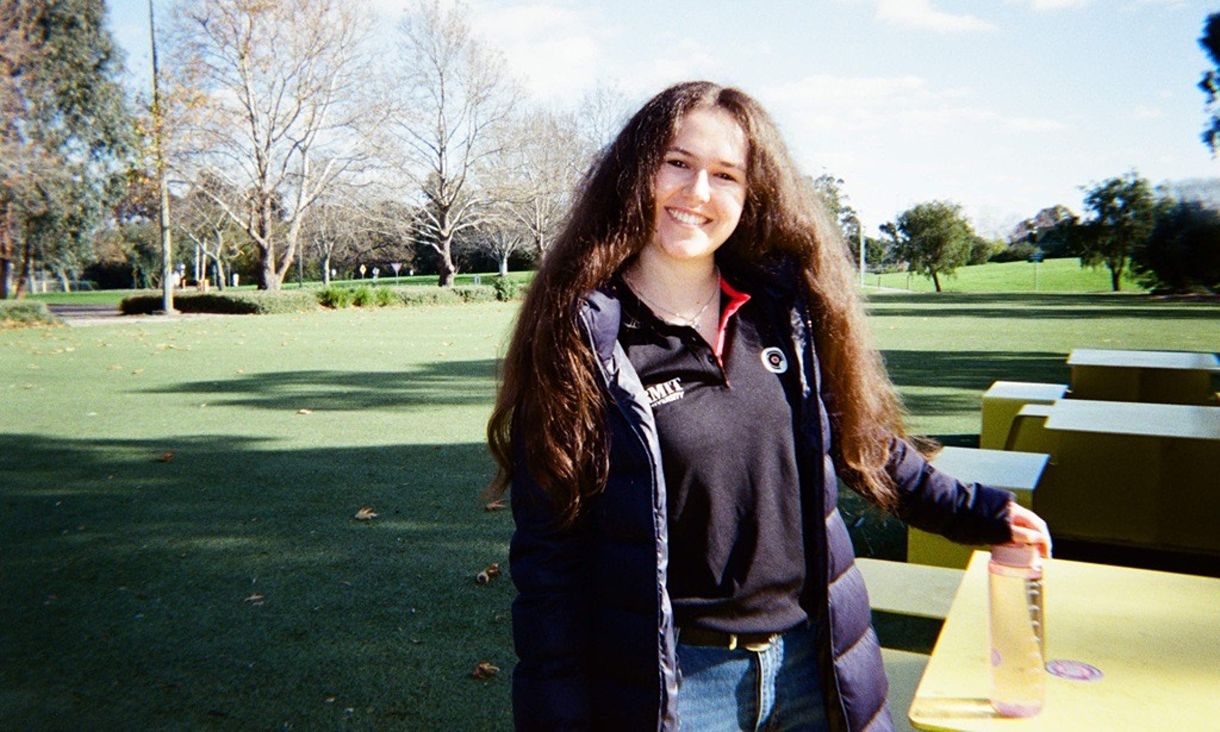
Media and Communications student Emma Boyce followed the Hive team to Texas for a documentary she’s created that tracks the team's involvement in IREC. 

Emma, who has a background in theatre and dreams of working in the entertainment industry, said she has loved getting to branch into STEM and connecting with fellow students. 

“I’ve been following this very smart group of people for the last few months... It’s been a great opportunity to challenge myself and to put my learning into practice.” 

The Hive team will compete in the Australian Universities Rocketry Competition later this year. 

Attend the RMIT IREC documentary screening.

Get involved in RMIT Hive.

22 July 2026

More student news

aboriginal flag float-starttorres strait flag float-start

Acknowledgement of Country

RMIT University acknowledges the people of the Woi wurrung and Boon wurrung language groups of the eastern Kulin Nation on whose unceded lands we conduct the business of the University. RMIT University respectfully acknowledges their Ancestors and Elders, past and present. RMIT also acknowledges the Traditional Custodians and their Ancestors of the lands and waters across Australia where we conduct our business - Artwork 'Sentient' by Hollie Johnson, Gunaikurnai and Monero Ngarigo.

Learn more about our commitment to Indigenous cultures