
Who owns a 3D printed human organ? PhD graduate Modupe is examining legal, ethical and access issues in bioprinting

Who owns a 3D printed human organ? PhD graduate Modupe is examining legal, ethical and access issues in bioprinting

3D printed human organs might soon be a medical reality. Recent RMIT PhD graduate Modupe wants to ensure they are developed and governed in a way that offers hope to patients and their families.

In the rapidly advancing med-tech industry, the ability to 3D print human tissues is already possible and "printing” fully functioning organs might not be far off. This technology could help solve donor organ shortages, as well as assisting with disease modelling, drug testing and pre-surgical planning.

But while medical researchers grapple with how to print human organs, recent PhD graduate Modupe Adewale is fleshing out the legal, ethical and access considerations.

Ethical and legal issues around bioprinted organs

“I've always been interested in exploring complex questions that do not have straightforward answers,” said Modupe.

Her PhD research poses some engaging provocations: What right does a donor have to an organ that is bioprinted using their cells? Can the cell donor determine how their cells are used, or even who gets the bioprinted organ? What rights does a person have over the commercial use of their cells or tissue for bioprinting? Should bioprinted organs be treated as human organs or engineered medical products?

Modupe’s research suggests that bioprinting – like many emerging technologies – doesn't fit well within existing legal and ethical systems.

“Bioprinting sits at the intersection of law, technology and bioethics, posing a challenge for regulators to classify bioprinted organs and assign liability, if something goes wrong,” she explained.

Modupe also acknowledges broader concerns regarding the potential misuse of bioprinted organs for unethical experimentation.

Ensuring treatment is available for all

Modupe is also passionate about cost and availability in determining who can benefit from this technology and believes there is a serious risk of these treatments becoming expensive and unevenly distributed.

“Ethics need to be integrated into legal frameworks from the outside, especially around consent, ownership and fair access,” said Modupe.

Embedding these principles early will help build public trust and ensure that the technology develops in a socially responsible way.

A research passion close to home

Modupe's inspiration for her research was as a result of losing someone very dear to her and she found that this shaped the way she thought about healthcare and access to life-saving treatments.

“It made me reflect on how many people are waiting for solutions that may exist in science but are not yet available, accessible or properly regulated,” said Modupe.

“This shifted my perspective and deepened my interest in how legal systems can either support or limit access to life-saving technologies."

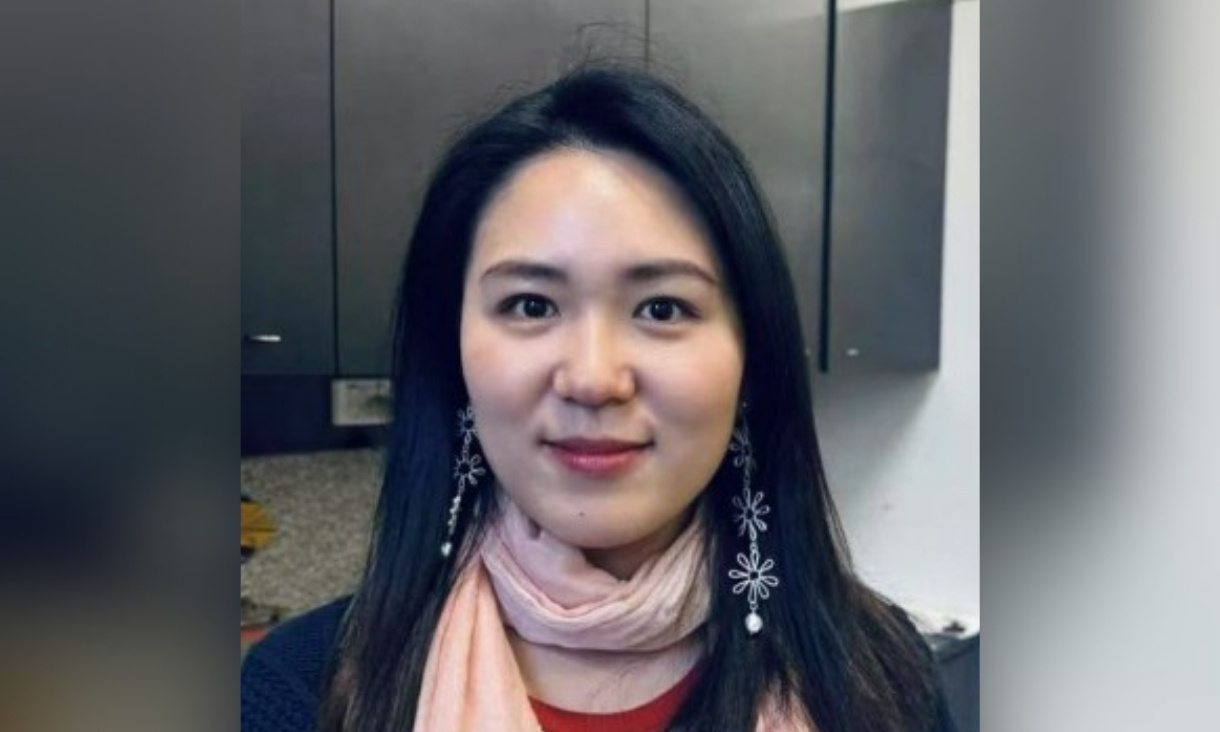
Person wearing white against black backgroundRMIT PhD graduate Modupe Adewale

What's next?

Modupe hopes her research will drive governments to implement regulatory frameworks around bioprinting.

“If I were advising policymakers – particularly in Australia – I would emphasise the importance of being proactive rather than reactive,” she said.

Modupe is also interested in extending her research into areas such as artificial intelligence and machine learning in the safety and regulatory landscape of 3D printing.

I hope my research contributes to ongoing conversations about how we can ensure that technological innovation develops responsibly in a way that remains accessible and beneficial to society.
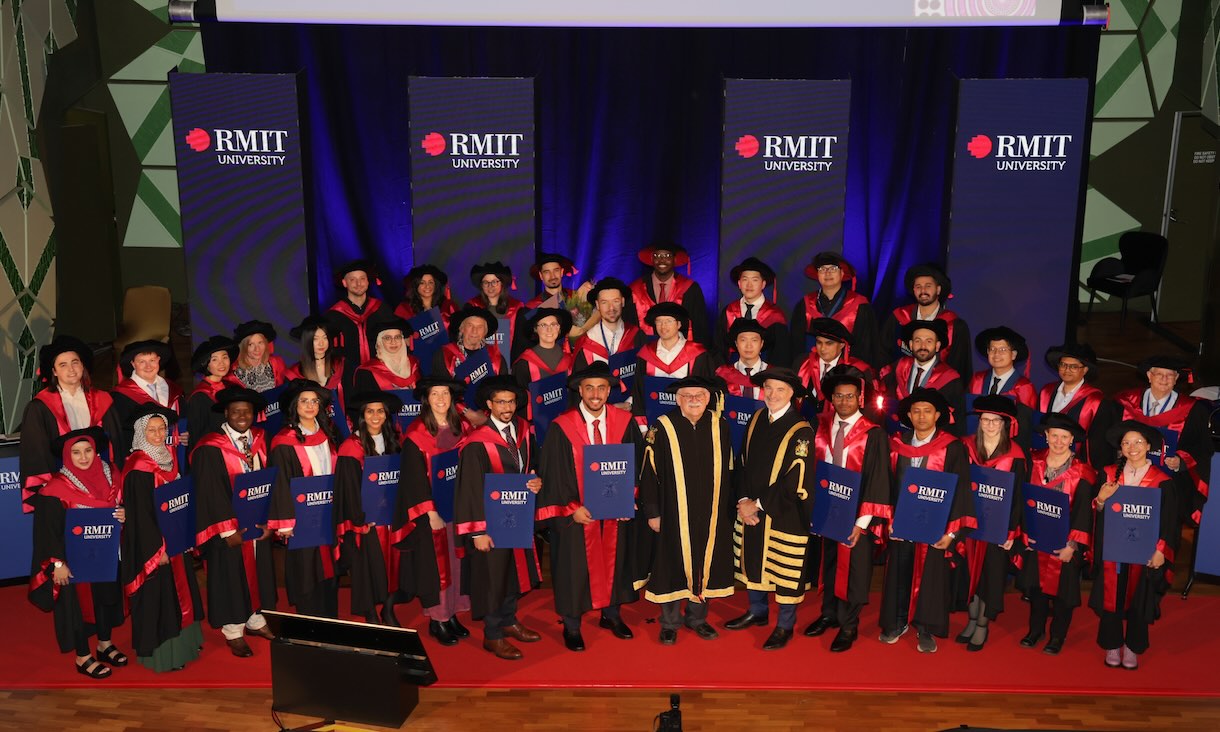
doctoral-degrees-ceremony-group-shot-1220x732.jpeg

Watch the 2026 Doctoral Degrees Graduation Ceremony live stream

Join us in celebrating the remarkable achievements of our latest PhD graduates! Tune in to the 2026 Doctoral Degrees Graduation Ceremony live stream from 3pm (Melbourne time) on Wednesday 13 May.

08 May 2026

More PhD graduate stories

aboriginal flag float-starttorres strait flag float-start

Acknowledgement of Country

RMIT University acknowledges the people of the Woi wurrung and Boon wurrung language groups of the eastern Kulin Nation on whose unceded lands we conduct the business of the University. RMIT University respectfully acknowledges their Ancestors and Elders, past and present. RMIT also acknowledges the Traditional Custodians and their Ancestors of the lands and waters across Australia where we conduct our business - Artwork 'Sentient' by Hollie Johnson, Gunaikurnai and Monero Ngarigo.

Learn more about our commitment to Indigenous cultures