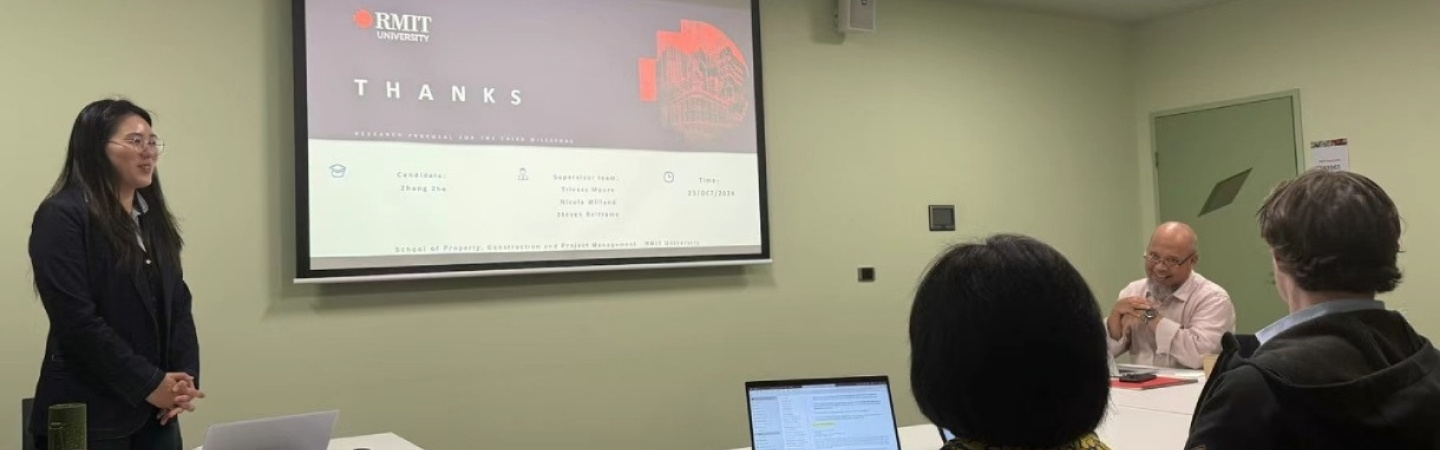

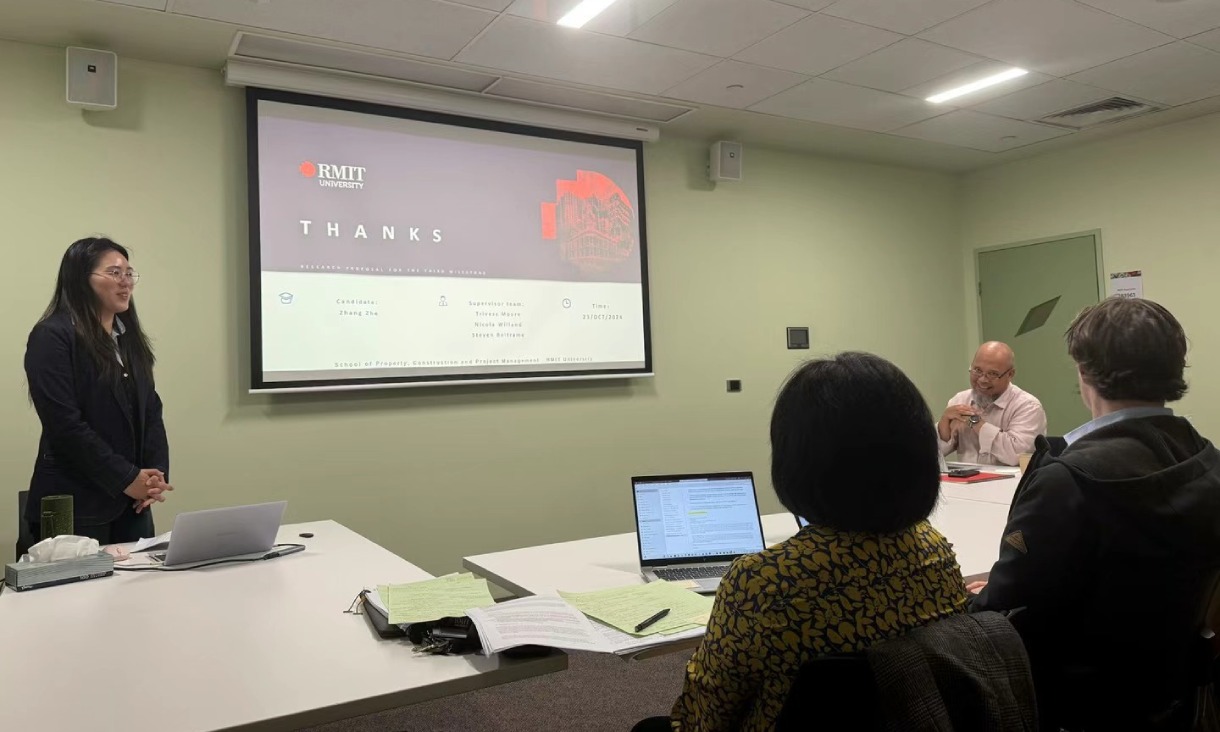

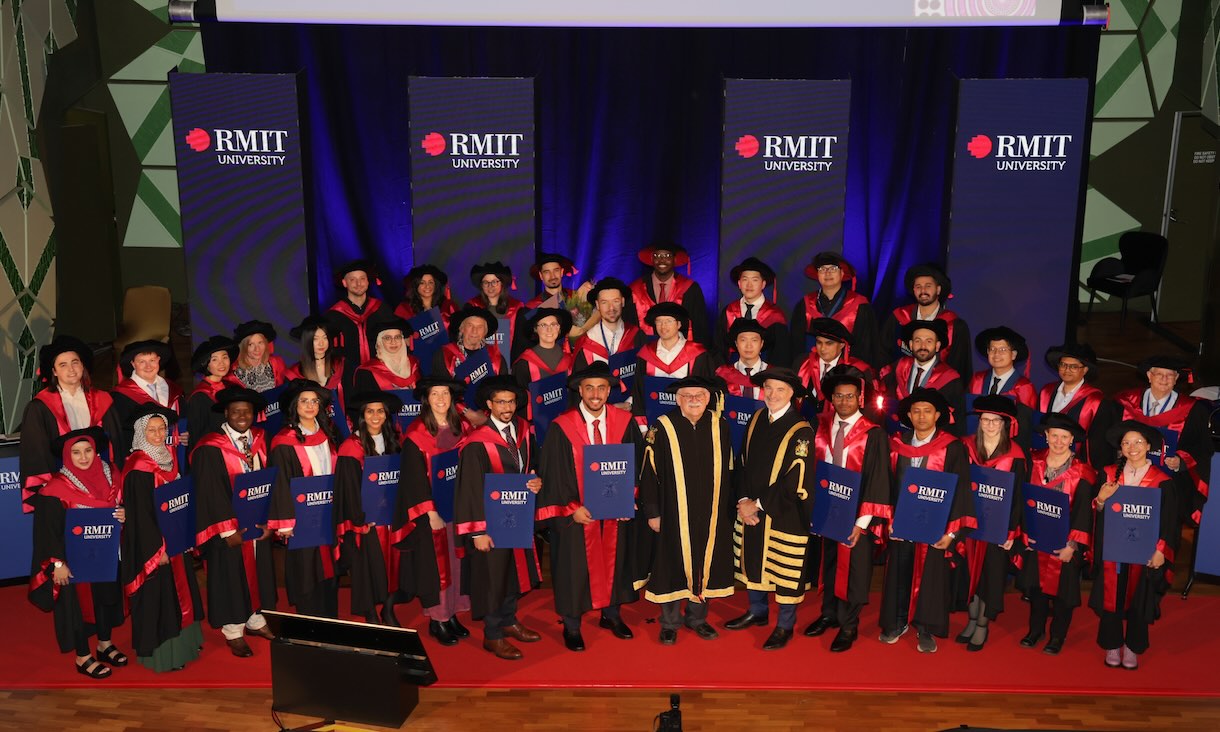

Who owns a 3D printed human organ? PhD graduate Modupe is examining legal, ethical and access issues in bioprinting
08 May 2026
3D printed human organs might soon be a medical reality. Recent RMIT PhD graduate Modupe wants to ensure they are developed and governed in a way that offers hope to patients and their families.
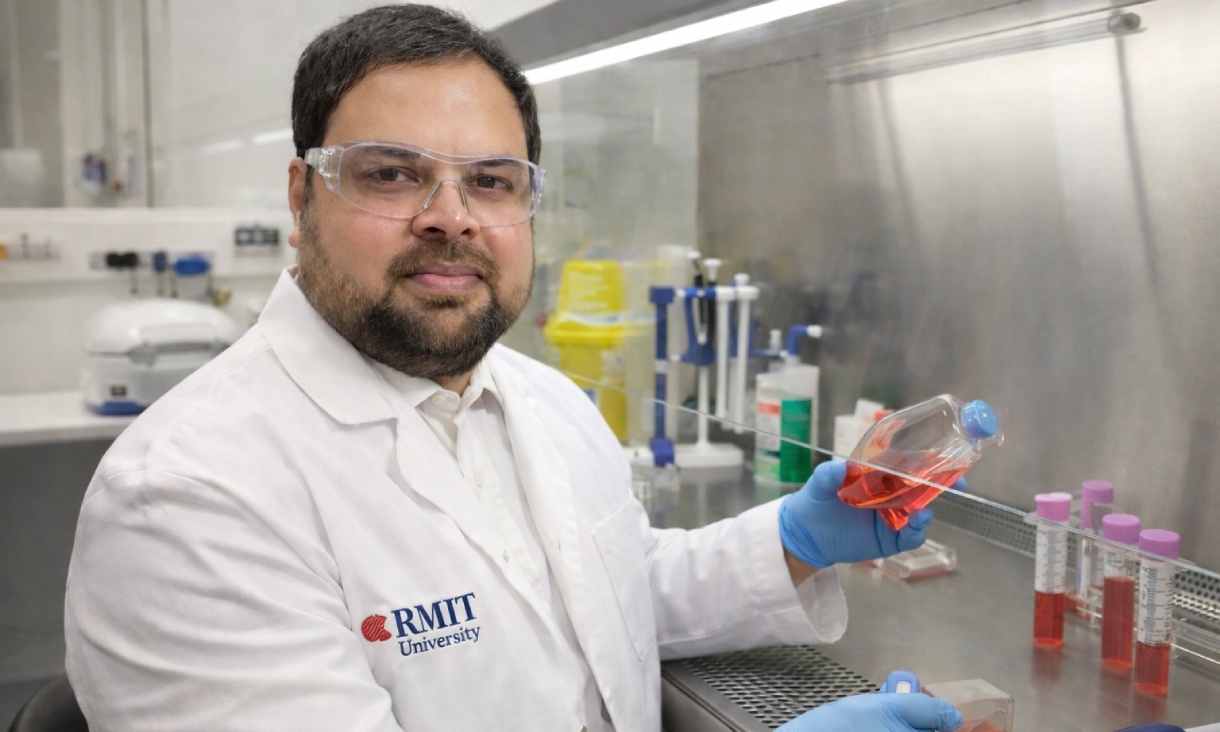
PhD graduate Vijay: Developing a medical implant coating that combats infection and pain
27 Apr 2026
Pursuing his passion at the intersection of engineering, biology and care, Vijay is developing a plant‑based biodegradable implant coating that helps support natural healing.



