Engineering impact: Tanvi is embracing her creativity and career connections to help combat water insecurity

Engineering impact: Tanvi is embracing her creativity and career connections to help combat water insecurity

After studying civil engineering and working in the industry, Tanvi Shaikh decided to head back to university where she has embraced every opportunity to build her skills and tackle pressing environmental issues.

Tanvi’s dad worked in building design, meaning she grew up in a home surrounded by technical drawings and construction books and quickly developed a fascination with the built world. This led to an undergraduate degree in civil engineering. Although she encountered environmental engineering subjects while studying, it wasn’t until she began her professional life, working in hydraulic modelling for clean water systems, that her true passion came to the surface.  

“I started working on water distribution systems and really enjoyed those projects,” she says. 

Living in areas affected by both droughts and flooding heightened her awareness of water’s value and gave her a desire to develop expertise in flood management, water quality, and treatment to make a tangible difference for communities and the planet. This prompted her to return to university to study a Master of Engineering (Environmental Engineering) at RMIT. 

Although Tanvi was nervous about returning to study, coming straight from the workforce offered advantages. Her experience equipped her with strong technical skills, making academic assignments less daunting. 

Coming back to study after working meant I already had good skills in Microsoft and other software. Also, report writing and presentations came more easily to me.

She found that professional maturity helped her balance academic pressures, navigate unfamiliar environments, and make the most of university opportunities. 

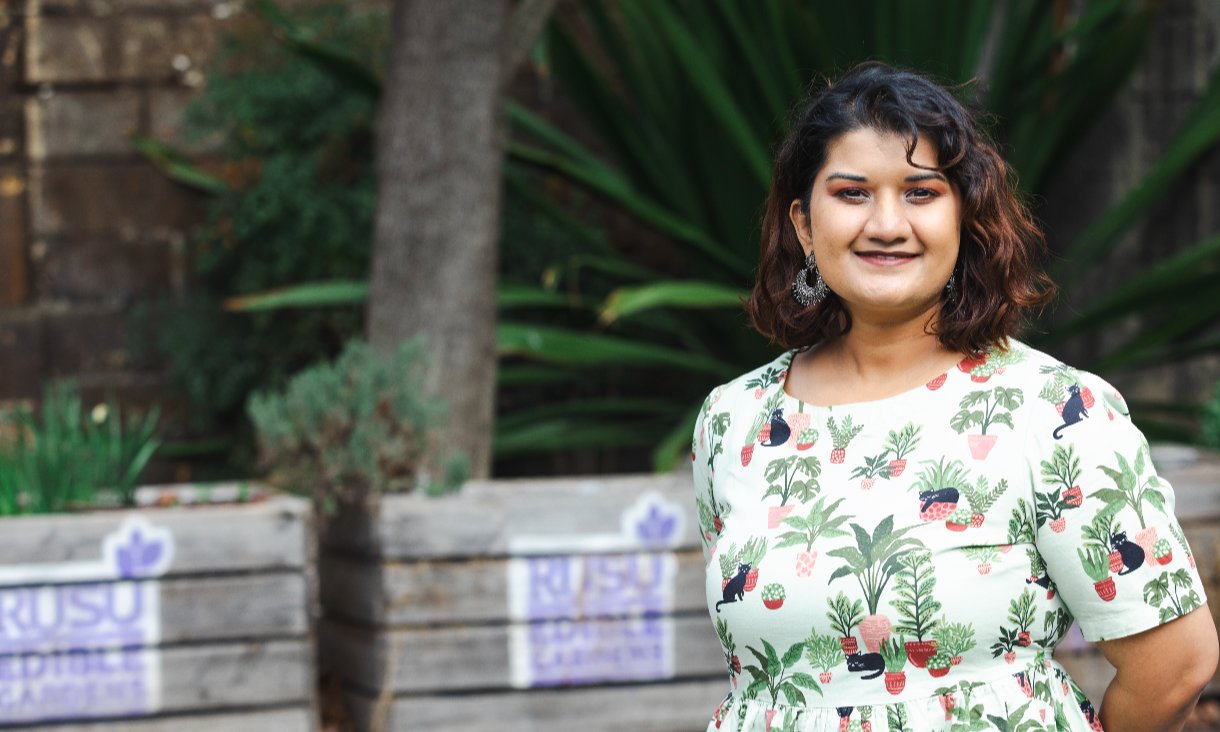
woman in dress standing in front of plant boxes Master of Environmental Engineering student, Tanvi Shaikh.

The power of mentoring

Transitioning back to study, especially in a new country, brought its own challenges. Tanvi quickly realised the importance of building a strong support network, particularly as an international student in an unfamiliar job market. RMIT’s Career Mentoring Program played a big role in her adjustment to a new city and career development.  

“When I came to Australia, I was aware that finding a job as an international student could be challenging. I decided to start networking from the first semester,” she recalls. 

Through Career Connect, she was able to speak to water industry professionals who offered her insights into different career paths like consulting and water research. Mentors helped her tailor her CV and cover letters and guided her through interview preparation. 

Some even took me to field visits and shared a glimpse of their day-to-day work. Job hunting can feel scary and exhausting, but having mentors to encourage and guide me made it so much more manageable.
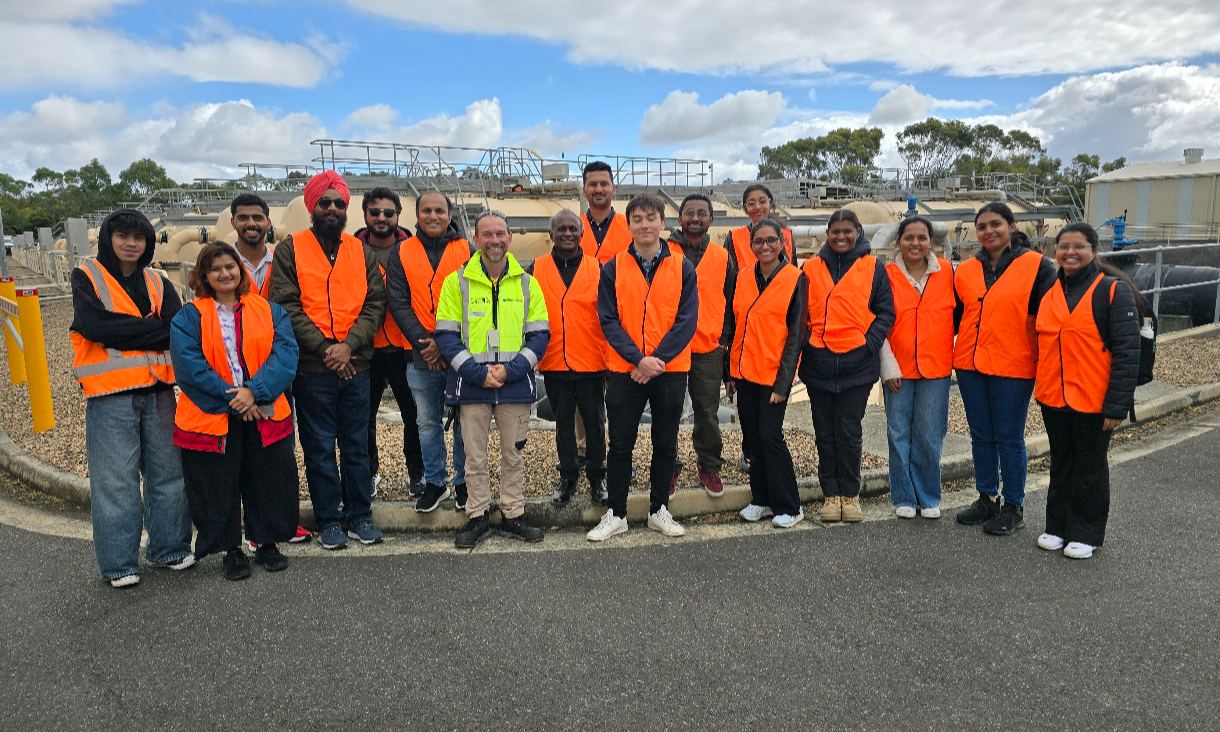
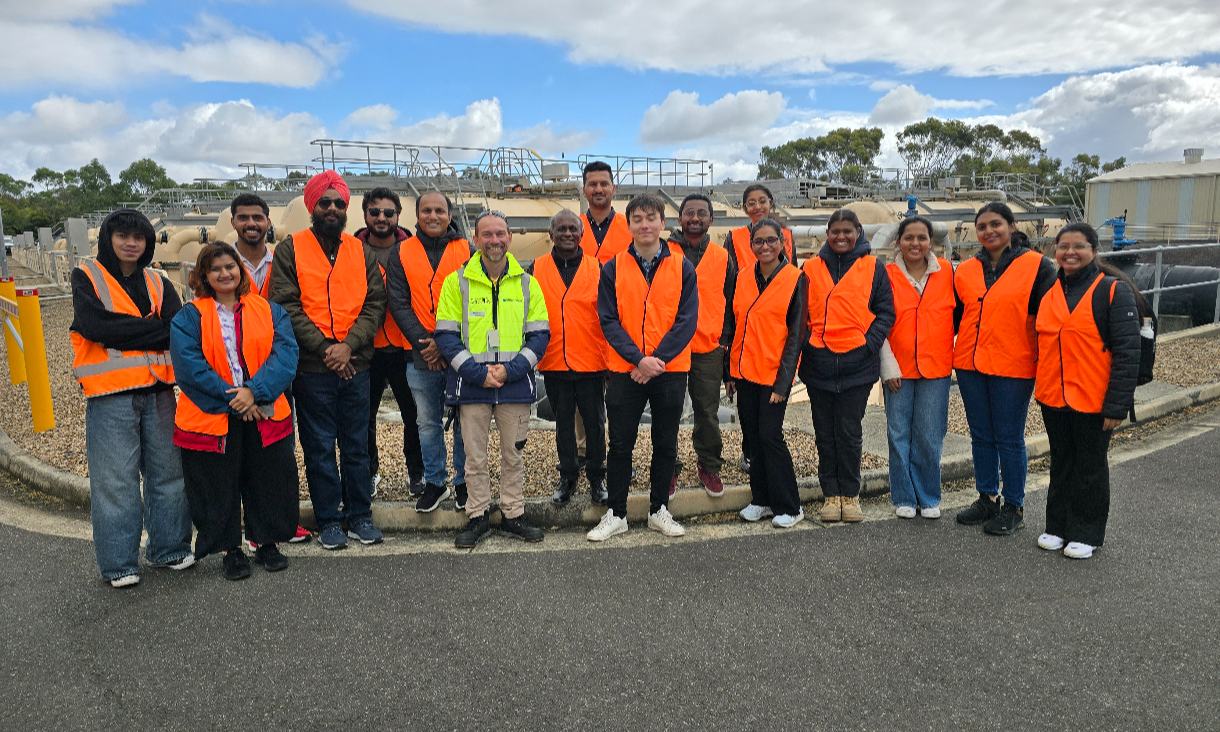
17 people in hi-visibility vests in front of a water treatment plant Tanvi on a site visit to a water treatment plant.

Fostering creativity and connections

Tanvi also built connections outside her career field by joining RMIT Creative. She signed up as a volunteer and began facilitating art projects for fellow students, finding friends and eventually going on to work for RMIT Creative in a casual capacity.  

“Seeing students, especially new and international students, connect with each other through art has been so heartwarming. I’ve met some of my closest friends through RMIT Creative.” 

This experience led Tanvi to approach her studies with a more creative mindset and now she strongly believes that creativity is an essential part of the engineering process.  

Solving problems often means finding new and innovative solutions. In my studies, creativity has helped me think and present complex ideas in clearer and more engaging ways.
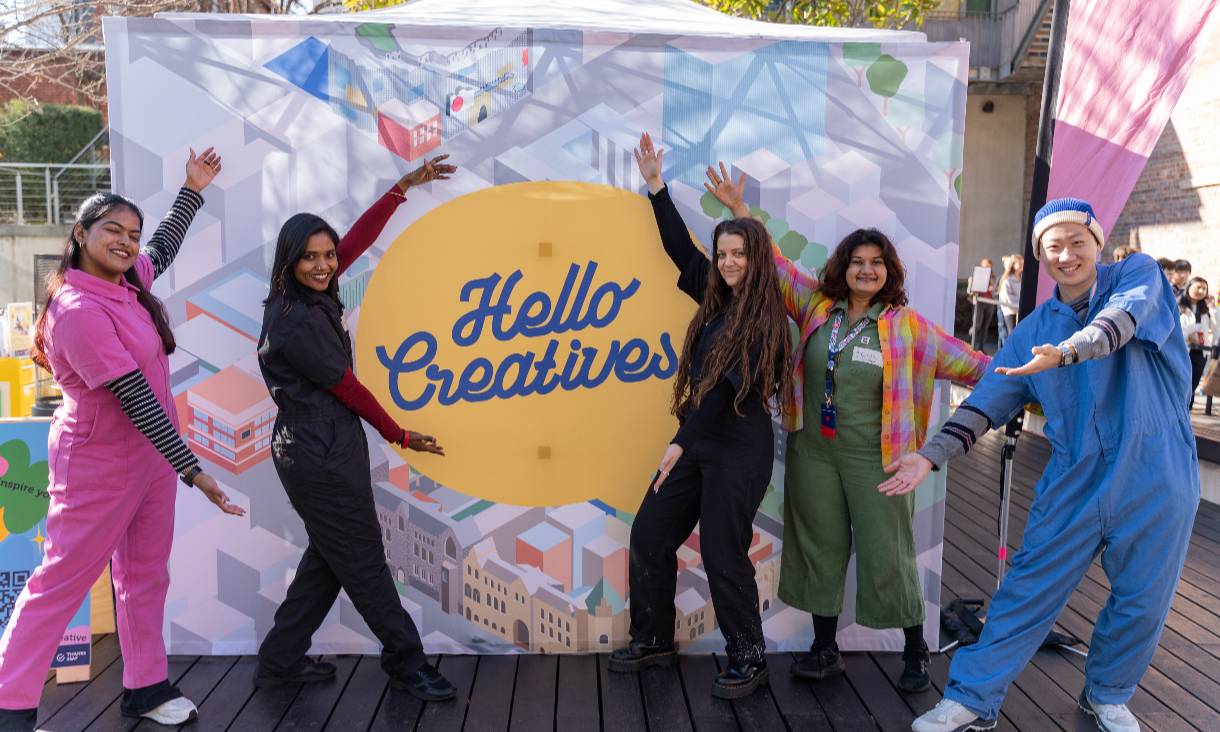
People in front of a banner that says hello creatives Tanvi working at RMIT Creative.

After graduation

Tanvi wants to continue working in conservation and water security. Her main goal is to help communities thrive.  

“Water is an irreplaceable resource, and I care deeply about how it’s managed. I hope to continue working in water management and look forward to helping both people and the planet.”  

---

Connect with Tanvi via LinkedIn

grad-parade-student-candid-flags-1220x732.jpeg

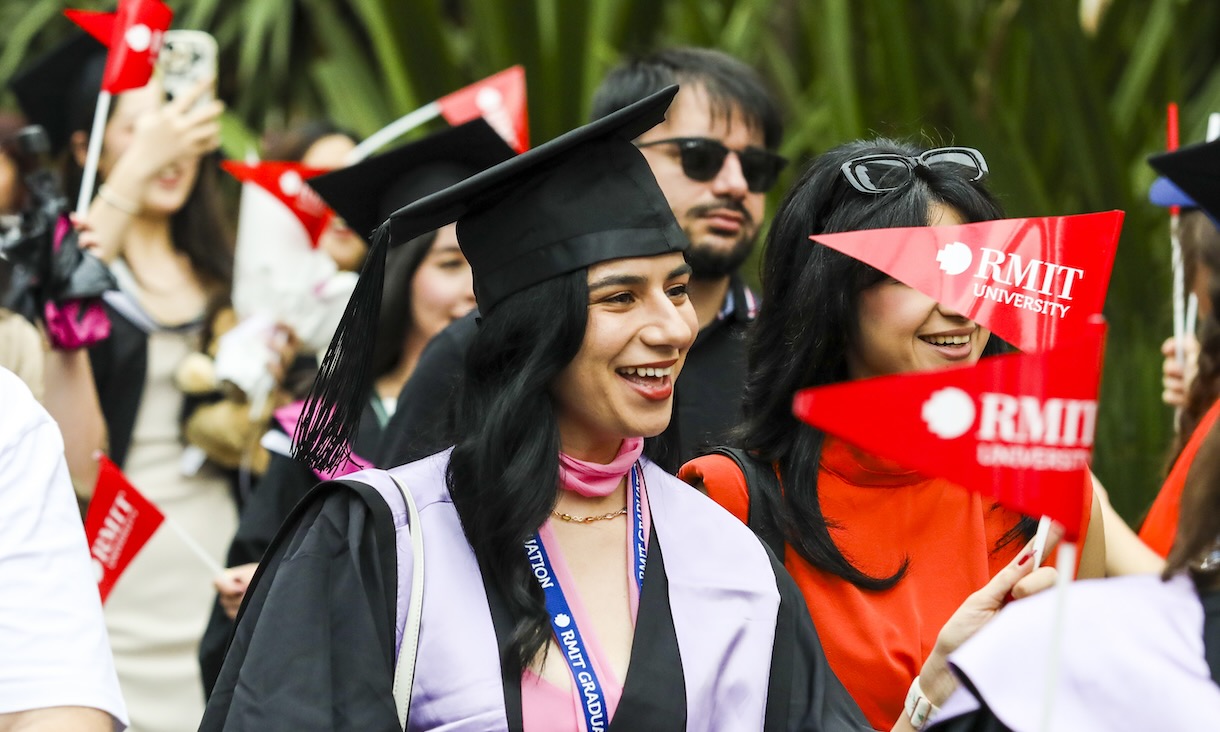
Celebrating our 2025 graduates

To read about more exceptional RMIT students graduating this year, go to Celebrating our 2025 graduates.

28 November 2025

More student news

aboriginal flag float-start torres strait flag float-start

Acknowledgement of Country

RMIT University acknowledges the people of the Woi wurrung and Boon wurrung language groups of the eastern Kulin Nation on whose unceded lands we conduct the business of the University. RMIT University respectfully acknowledges their Ancestors and Elders, past and present. RMIT also acknowledges the Traditional Custodians and their Ancestors of the lands and waters across Australia where we conduct our business - Artwork 'Sentient' by Hollie Johnson, Gunaikurnai and Monero Ngarigo.

More information