Arabella is using her passion for design to help people and native Australian animals

Arabella is using her passion for design to help people and native Australian animals

Diploma of Product Design graduate, Arabella Rowlands-Copley is on a mission to make the everyday more accessible and sustainable.

What do monitoring devices that double as possum boxes, workable fibres made from native Australian bush grasses and inclusive underwater vision googles have in common? The answer is intelligent, circular design.  

Arabella recalls watching her Pop (grandfather) manipulate an old metal rod into parts for a toy car, stating this was one of the ‘key moments’ that spurred on her passion for making things.  

“Since then, I’ve always looked at things around me and thought, ‘What could I turn that into?’ or ‘What works well about this design, and how can I improve it?’” 

This curiosity turned into something bigger when Arabella took a jewellery making class in Year 9. The class was very hands-on, and she learned skills like metal cutting, drilling and printing.  

“I felt completely overjoyed, I knew then that designing and making things would be a big part of my life,” she says. 

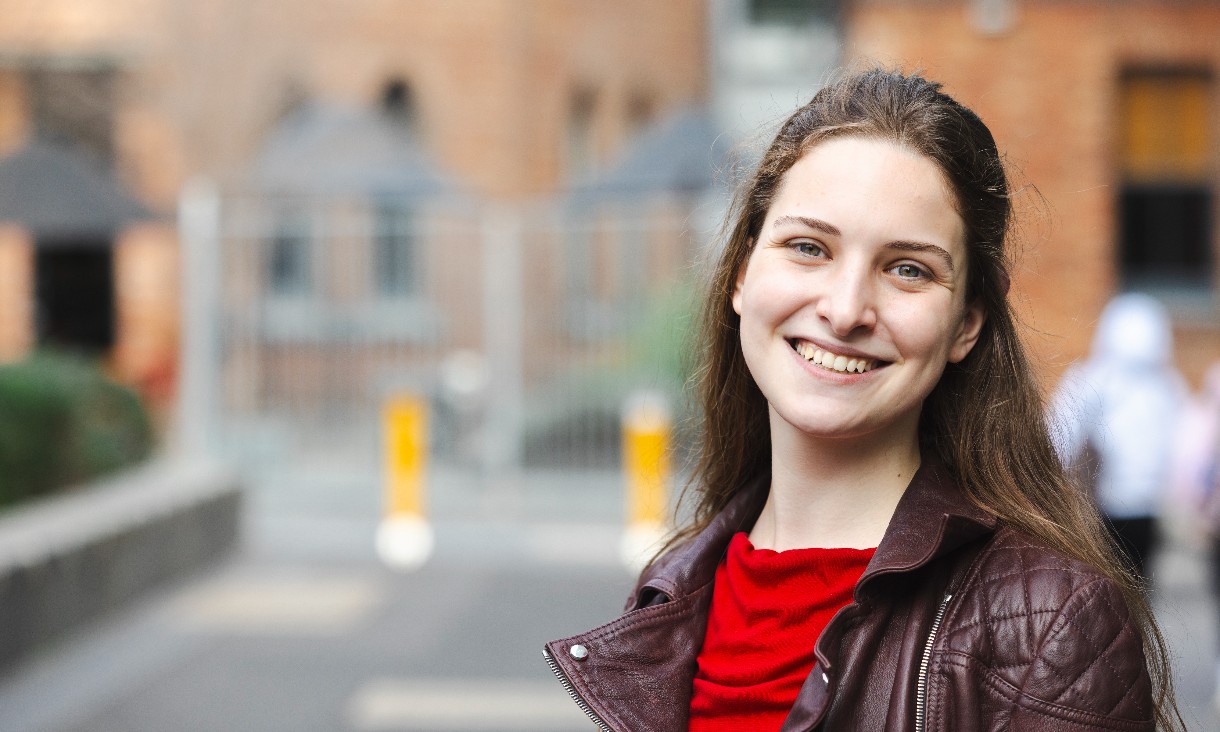
Arabella Rowlands-Copley headshot Arabella is soon to graduate from the Diploma of Product Design.

This drive to create led Arabella to study a Diploma of Product Design at RMIT. While undertaking her diploma, she developed technical skills alongside gaining a more in-depth insight into how people interact with the world around them. 

“Product design has the power to improve lives in both subtle and significant ways. Thoughtful design can make everyday tasks smoother and more accessible,” she says. 

These perspectives have further encouraged her curiosity and drive to explore the world through design. 

“Now when I walk around, I often recognise how different products are fabricated. It’s like a world I always wondered about has finally opened up to me.” 

Creating a better experience

Arabella is interested in empowering people through design and making everyday tasks more accessible. One of her motives when developing products is centring functionality, usability and safety. 

“Poor design can cause frustration, injury, or even loss of life. But when done well, it’s empowering and transformative.” 

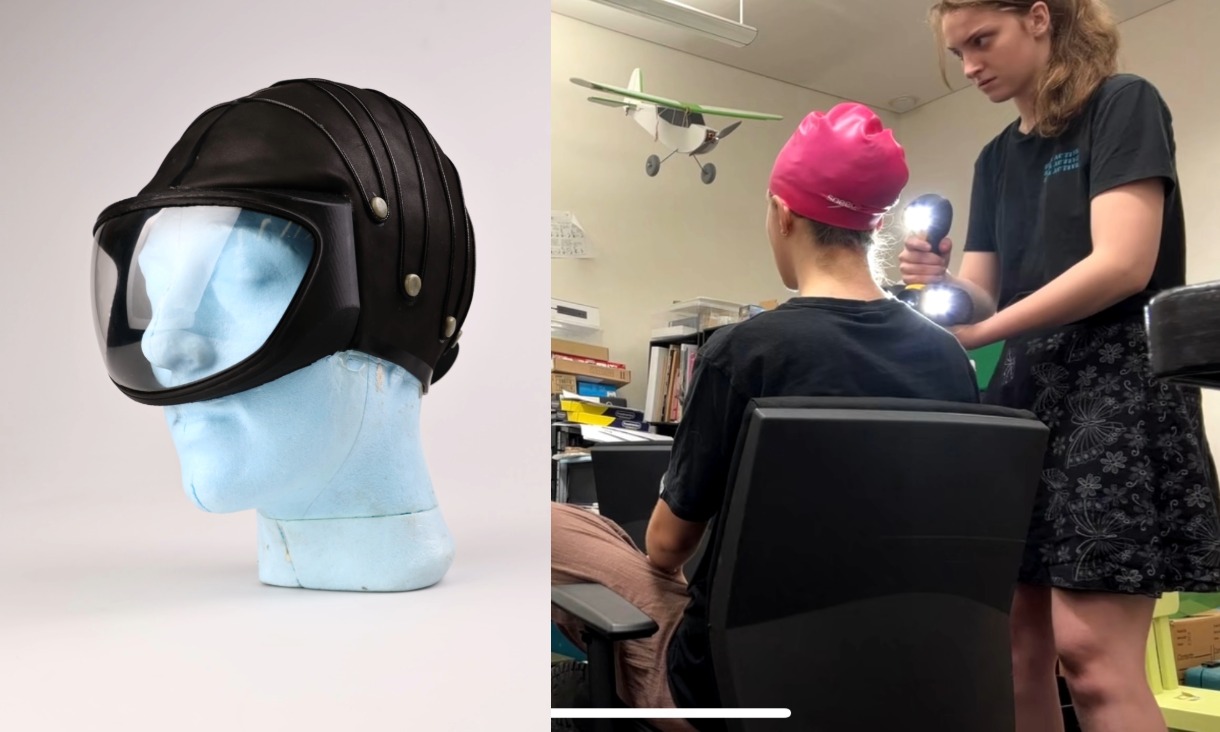
One of her major projects during her diploma was the creation of custom vision headwear that would allow people who wear glasses to see clearly underwater.  

“A highlight was scanning the client's head. The project really pushed my skills and showed me the practical impact design can have,” says Arabella. “Design isn’t about objects, it’s about systems, solutions and improving the human experience.” 

Arabella glasses design Arabella creating a custom mould for her custom vision headwear project.

Designing for the environment

Another major consideration for Arabella is incorporating circular design and focusing on sustainability. Circular design is a consumption and production model that aims to eliminate waste and maximise the life of products by making them with renewable or recyclable materials and designing them to be used again and again. As a hobby outside of university, Arabella has been exploring creating bush grass yarn with a drop spindle. 

“I’m experimenting with making workable fibres and materials from native Australian bush grasses,” she says.

Ultimately, I want to use design to support both people and the planet, especially through products that improve conservation efforts and promote sustainability. 

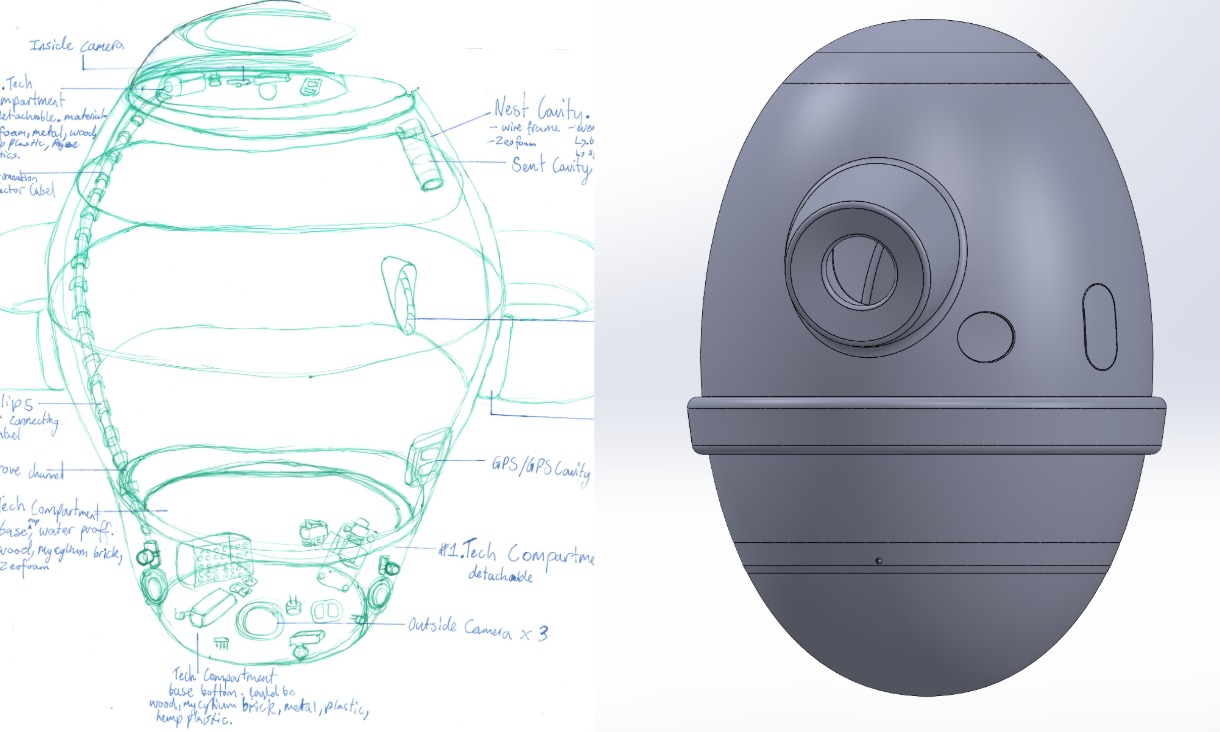
Arabella’s major university project is developing a detachable tracking and monitoring nest habitat for the Victorian Leadbeater possum. Her aim is to rethink the traditional data collection methods used for researching wildlife and develop an alternative that also provides the critically endangered species with safe nesting hollows.   

“I’m working on a project that tracks and monitors the Leadbeater possum and its environment. It’s designed to help conservationists collect important data while also offering a safe nesting space.”  

To minimise nest-disturbance during data collection or maintenance, the tracking and monitoring technology is housed in a separate, detachable compartment. 

Nesting box design The design phase of the nesting box.

To reduce the introduction of potentially harmful substances into the environment, Arabella is creating the nesting box components using organic materials. Mycelium brick (mushroom roots) and sawdust are being used to create the base, and the nest will be waterproofed using an organic pitch-glue substance created from Ironbark tree sap, ash, duck fat and beeswax. 

“I am using these materials because I believe it’s important to incorporate circular design into my work. I want to develop functional products that benefit our native environment,” says Arabella.

After graduation

After graduating in December, Arabella wants to continue working on projects that support a cleaner, greener world.   

"I want to design more sustainable materials and develop alternative engines and renewable energy generators that we can use more effectively,” she says. “Another long-term goal is to help create wildlife corridors to protect and support native species.” 

---

Find out more about Arabella on her LinkedIn.

To read about more exceptional RMIT students graduating this year, go to Celebrating our 2025 graduates


28 October 2025

More student news

aboriginal flag float-start torres strait flag float-start

Acknowledgement of Country

RMIT University acknowledges the people of the Woi wurrung and Boon wurrung language groups of the eastern Kulin Nation on whose unceded lands we conduct the business of the University. RMIT University respectfully acknowledges their Ancestors and Elders, past and present. RMIT also acknowledges the Traditional Custodians and their Ancestors of the lands and waters across Australia where we conduct our business - Artwork 'Sentient' by Hollie Johnson, Gunaikurnai and Monero Ngarigo.

More information