Aesthetic and adaptive – Peter is creating fashions that fit the needs of people with disabilities

Aesthetic and adaptive – Peter is creating fashions that fit the needs of people with disabilities

Born with Hypermobile Ehlers-Danlos Syndrome, Peter turned to textiles when they couldn’t find inclusive clothing that suited their style.

Peter Hagen is no stranger to the world of design — they grew up with a fondness for interior styling and had an architectural designer as a grandfather. After studying a Certificate IV of Colour and Design and a Diploma of Interior Design at the International School of Colour and Design, they decided to follow their passion and pursue a Bachelor of Textiles (Design) at RMIT. It was during this time that their understanding of design shifted from aesthetic to impactful.  

“When I first started, I just wanted to make pretty things. Being here, I have learnt about sustainable methods, slow design, biomaterial and designing with purpose,” says Peter. 

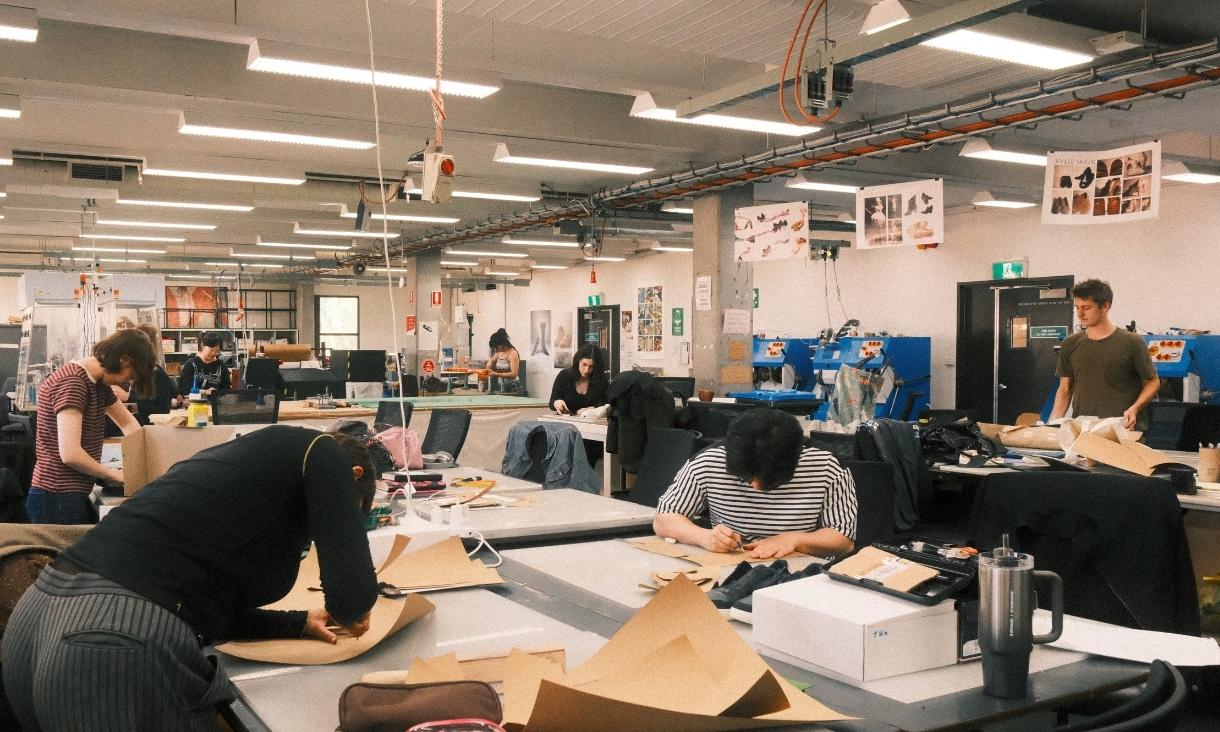
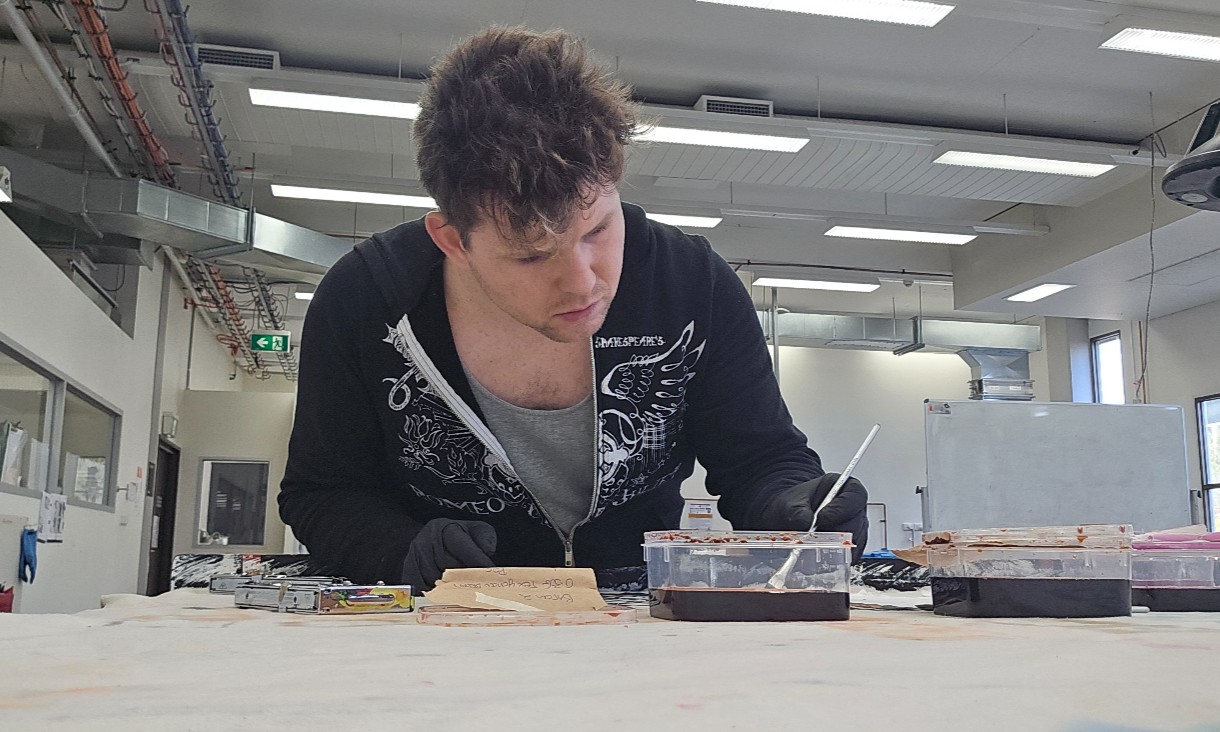
Peter Hagen screen printing Peter creating free form designs patterns.

Creating inclusive clothing

Inspired by struggles from their own life, Peter saw a need for clothing that is fashionable and functional. Peter was born with Hypermobile Ehlers-Danlos Syndrome, a genetic disease that affects the strength and elasticity of the body’s connective tissue.  

“It affects my body 24/7, causing painful sensations like numbness, weakness, pins and needles, burning and electric shocks,” explains Peter.  

The toll it takes on the body can make everyday tasks, like dressing, difficult. Clothing that is tight fitting, texturally abrasive or complicated to put on and take off uses valuable energy and can result in bruises or joint pain.  

Buttoning my tops became exhausting, when I was looking for clothes that would work with my body, I increasingly found that there either weren’t any, or what was available didn’t appeal to me.  

Peter emphasises that expression should be included under the lens of inclusivity. Clothing is a point of connection, identity and joy that should be available to all. 

“Showcasing fashion for disabled people, not just through function but through expression, breaks the barrier. It shows the world we are beautiful too, without being tokenistic.” 

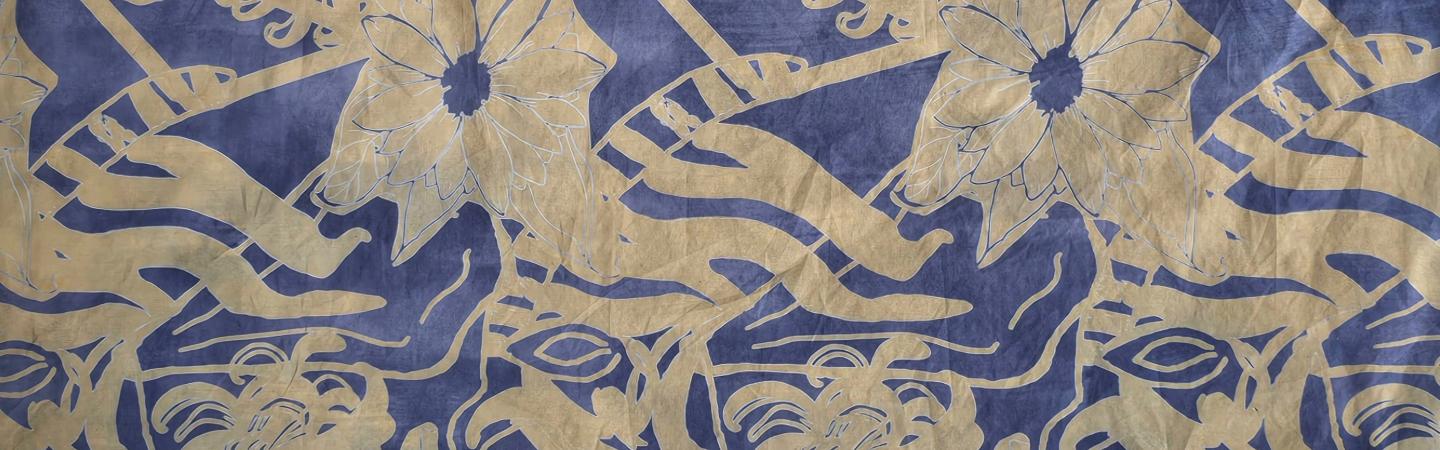
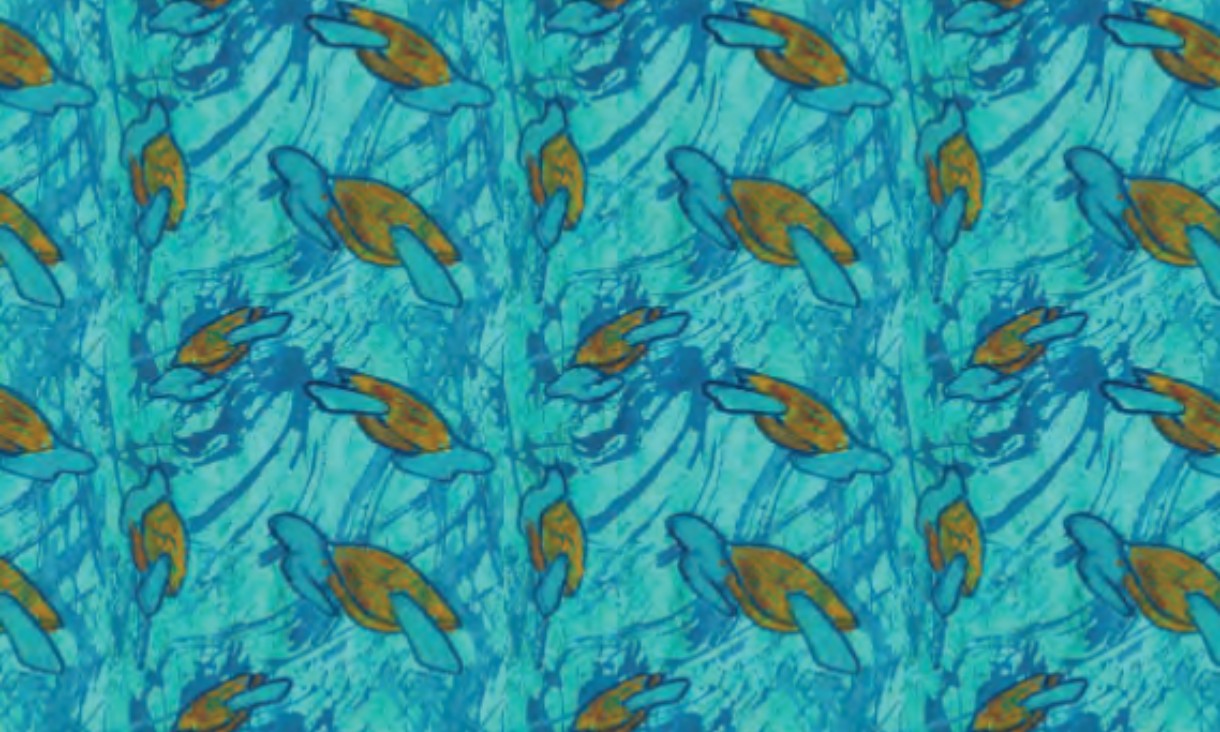
Peter Hagen print 1 An example of the bright nature of Peter's fabric designs.

Design style

“I like colour and print and texture. I feel like there are a wide range of people who are like me and missing the same things.”

Upon realising their need for a brighter more accessible wardrobe, Peter set out to make colourful designs on fabric that was sensory-friendly and non-irritating. 

“The bamboo blend I use is made from 95% bamboo and 5% spandex, it’s heaven on the skin and didn’t cause any friction that would make my nerves spike with pain.” 

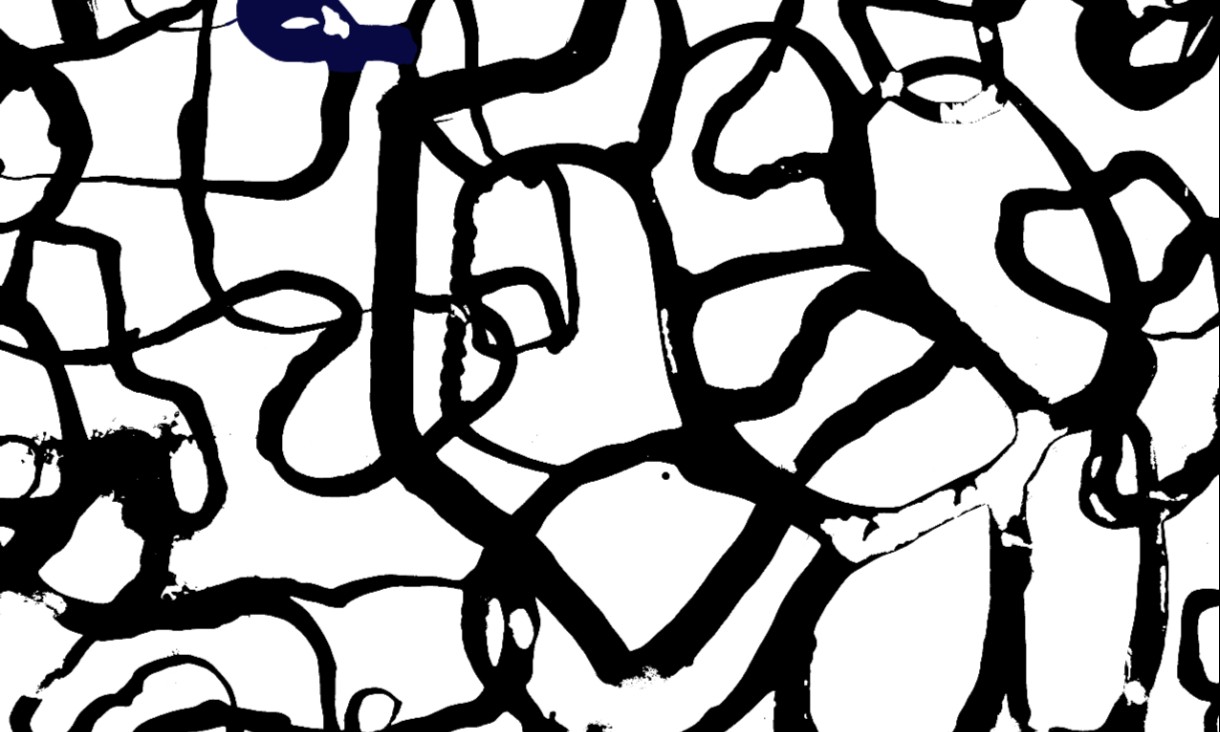
Pitra print from Peter Hagen Black India ink free form design by Peter Hagen created for Melbourne Fashion label, Pitra.

During an elective, Peter worked with the fashion label Pitra and designed a bespoke print for one of Pitra’s collections.  

“I created a design for Pitra’s scarves and dresses. It’s exciting to have some of my work coming out with Melbourne designers.” 

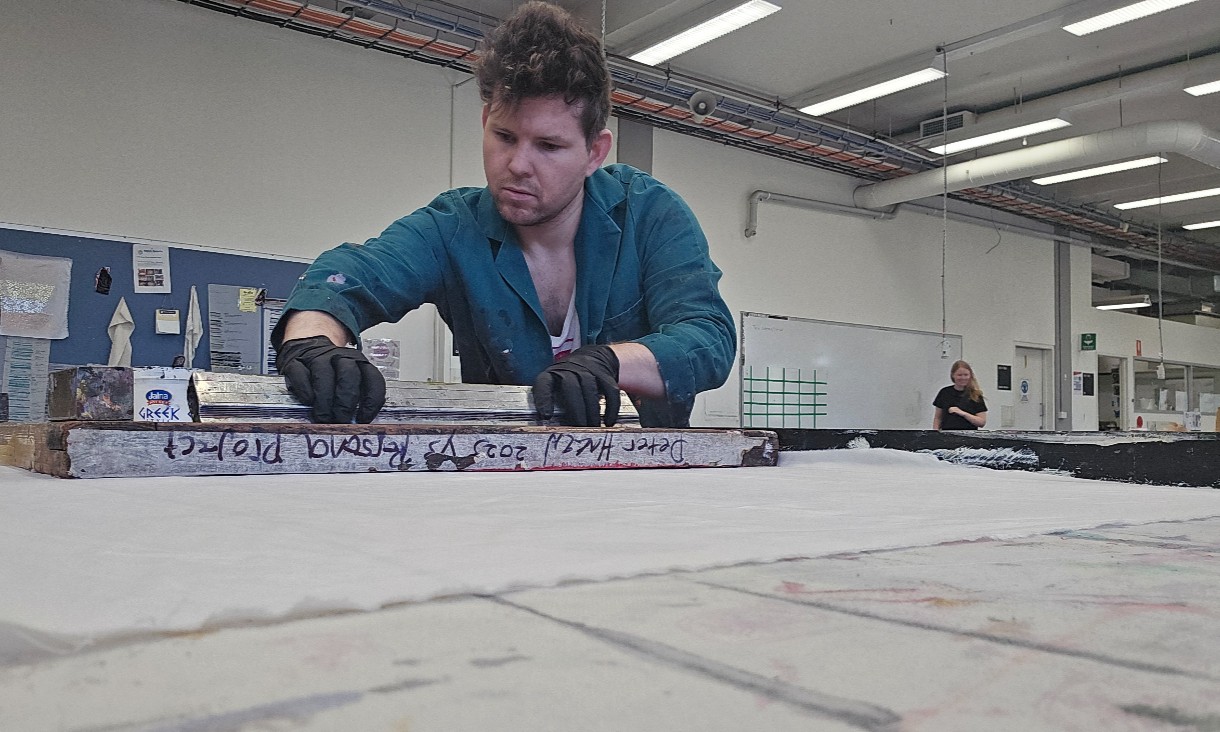
Peter’s fabric designs are bold, colourful and often take inspiration from conversational motifs and subjects. Peter creates their work through screen printing custom designed prints onto textiles. 

“My favourite of the technical skills I learnt during my degree were pattern repeats and screen printing. I love seeing my artwork step out perfectly on the fabric.”  

Advice for future fashion students

Finding a design style is difficult. Peter talks to the feeling of being overwhelmed by the number of references available.   

“Don’t compare yourself to anyone. I limit my social media time because I found Instagram was a huge tool for self-comparison.”  

Caption: Black Indian ink free form design by Peter Hagen for fashion label Pitra. 

Instead of the internet, Peter explored other sources on inspiration.  

“Use the library! The internet can be full of false or stolen images, whereas the library has resources you couldn’t even dream of," says Peter.

Their last tip? Embrace the community and opportunities available through your program.  

“The textile group is small, we always share resources and hang out, the most important thing is that we lift each other up. Work with your peers, not against them. Your peers and your instructors are your most valuable assets.” 

Peter Hagen screen printing Peter Hagen screen printing fabric designs.

After graduation

Peter has plans to return to fashion after they graduate.  

“First thing is a long holiday to recharge, explore and get inspired again. After that, I aim to work on learning some new skills in fashion design, and to continue to explore print making.” 

Their goal is to remain in the design industry and create accessible clothing. 

“I want to give disabled people, and disabled queer people in particular, the chance to wear beautiful adaptive clothes. To show that we are beautiful too.”  

-- 

Find out more about Peter on their LinkedIn and Instagram

To read about more exceptional RMIT students graduating this year, go to Celebrating our 2025 graduates

23 October 2025

More student news

aboriginal flag float-start torres strait flag float-start

Acknowledgement of Country

RMIT University acknowledges the people of the Woi wurrung and Boon wurrung language groups of the eastern Kulin Nation on whose unceded lands we conduct the business of the University. RMIT University respectfully acknowledges their Ancestors and Elders, past and present. RMIT also acknowledges the Traditional Custodians and their Ancestors of the lands and waters across Australia where we conduct our business - Artwork 'Sentient' by Hollie Johnson, Gunaikurnai and Monero Ngarigo.

More information