Darcie saw a cavity in rural healthcare. So, she went back to study to learn how to fill it

Darcie saw a cavity in rural healthcare. So, she went back to study to learn how to fill it

Darcie Douglass is a proud Barkandji woman studying RMIT's Advanced Diploma of Dental Prosthetics, who returned to study to help solve a problem she had witnessed first-hand.

Before beginning her dental traineeship, Darcie worked as a logistics assistant for a trucking company in Southern Queensland, with little sense of where her career might lead. 

Her study journey began in 2018, when she was offered an Indigenous Dental Assisting Traineeship with the Royal Dental Hospital of Melbourne. Aged 21, Darcie moved to Melbourne to take up the 12-month contract.

"I absolutely fell in love with the industry right from the get-go,” she reflected.

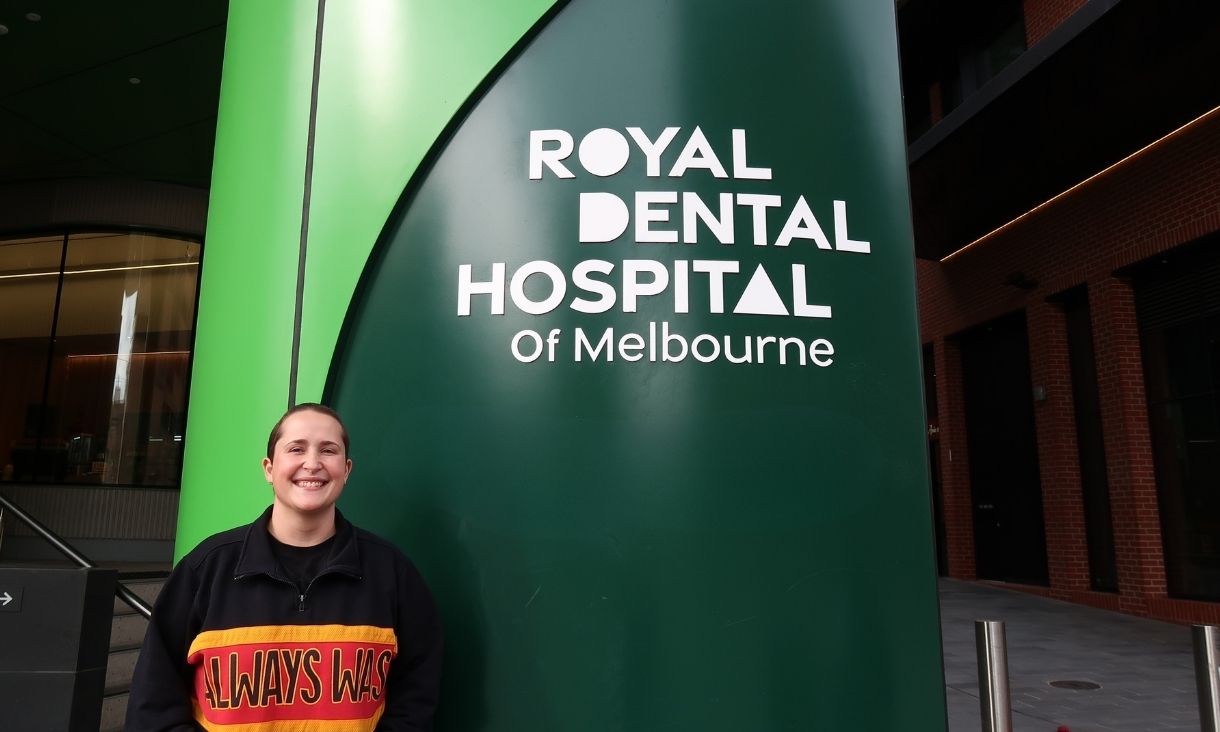
Person standing in front of Royal Dental Hospital pillarDarcie outside the Royal Dental Hospital of Melbourne, where RMIT has its own dedicated teaching clinic and labs for students to work out of.

Over the next seven years, Darcie built extensive experience across public and private dental clinics, eventually working with the NT Remote Locum Program for three years. She attended more than ten remote communities in the Top End and central Australia and identified a significant gap in dental care services.

Recognising how few dental prosthetists work in rural areas, she decided to become one herself. She is now two years into the four-year program, back at the Royal Dental Hospital of Melbourne in RMIT’s dedicated dental teaching clinic and newly refurbished labs.

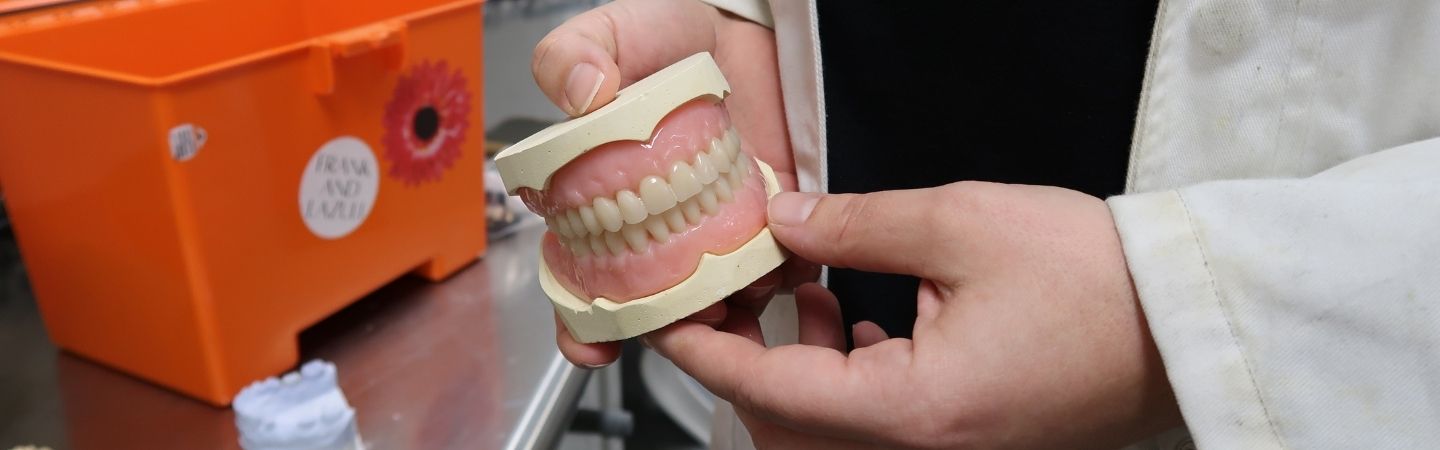
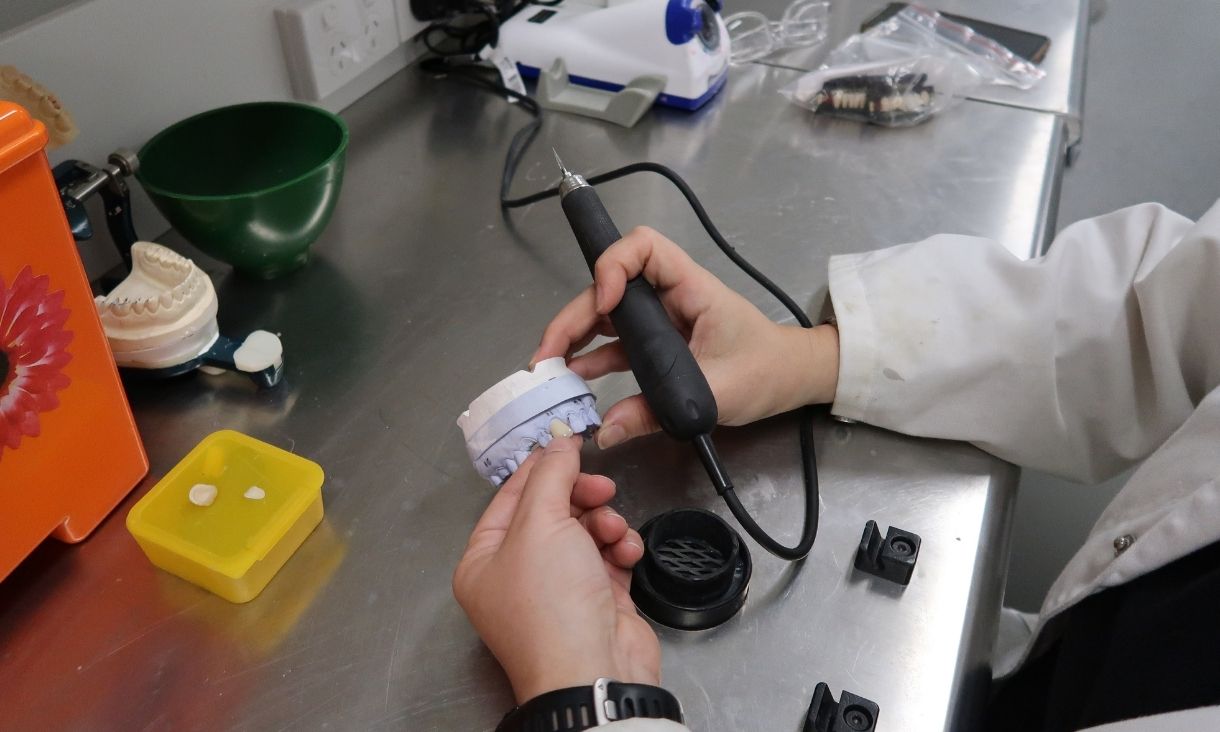
Person working on dental prosthetic in labProsthetics in production by Darcie in the RMIT labs.

Darcie’s motivation to action the change is deeply personal. As a First Nations woman who grew up in rural Australia, she understands the barriers and challenges many Aboriginal and Torres Strait Islander people face in accessing standard healthcare.

"I want to be able to help bridge that gap for mob," she said, "Not only to make dental services more accessible, but to cultivate an environment that is more culturally safe and inclusive for our people."

Due to limited appointment times for fly-in fly-out healthcare services, dentists must prioritise urgent issues like toothaches and infections. Denture work, which typically requires extensive appointments, is often not always an option as the work often exceeds the available time.

 "Some places have patients begging for dentures, but since it typically takes a minimum of 5 appointments to make a denture, there just isn't the time or resources available to complete the work,” Darcie explained.

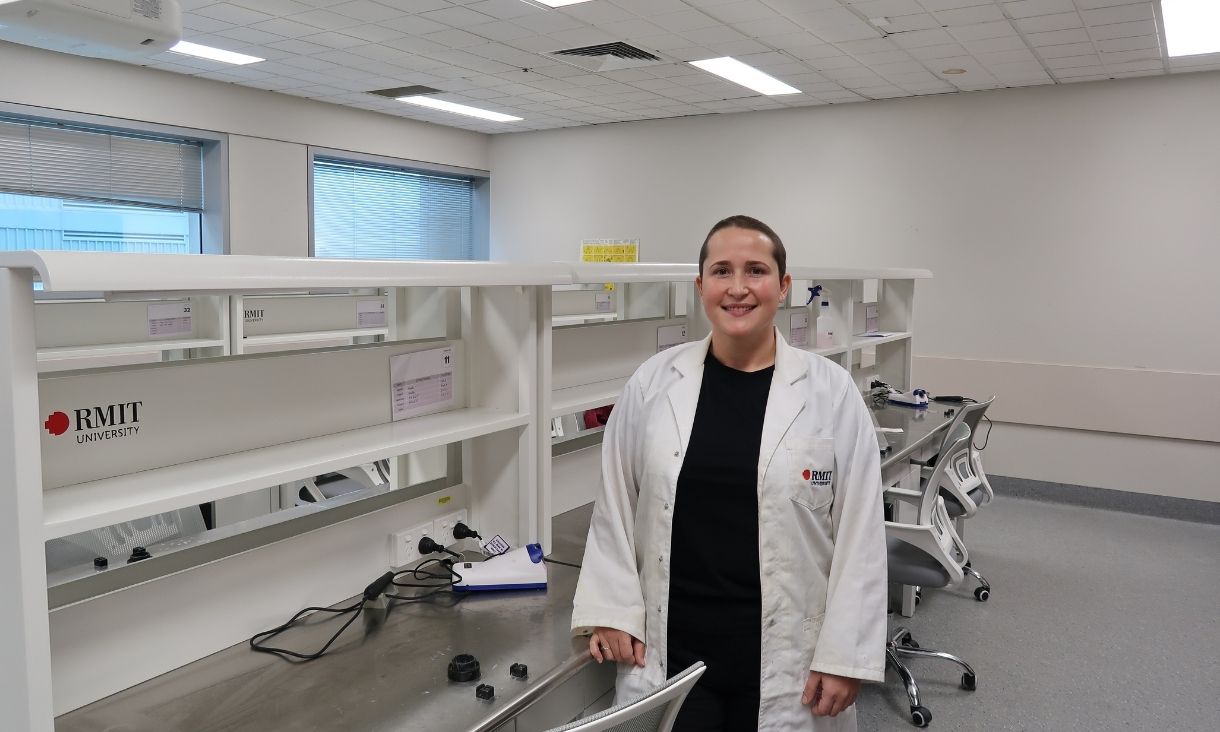
Person wearing labcoat in labDarcie in the labs.

Having previously completed her Certificate III in Dental Assisting at RMIT, Darcie reflected that returning to study and upskilling during her career with the RMIT felt like an easy decision.

“I have had the pleasure of training with some very amazing dental assistants and dentist but was starting to feel that there were limited options for meaningful career progression and felt the only way to do that was to go back to studying to gain new skills,” she said. 

“I have always been someone who enjoys change and a challenge, and after 7 years working as a dental assistant, I was ready to take that step.”

Darcie has formulated a solution to address this gap in healthcare, supported by her return to study and experience from working in the industry long-term.

“We need a system where a dentist could verify a patient’s dental fitness and from there, start the process of the dentures with a visiting prosthetist,” she said.

"I believe going back into the dental workforce with my new skills will help to reduce some of the long waitlists involved when it comes to replacing missing teeth."

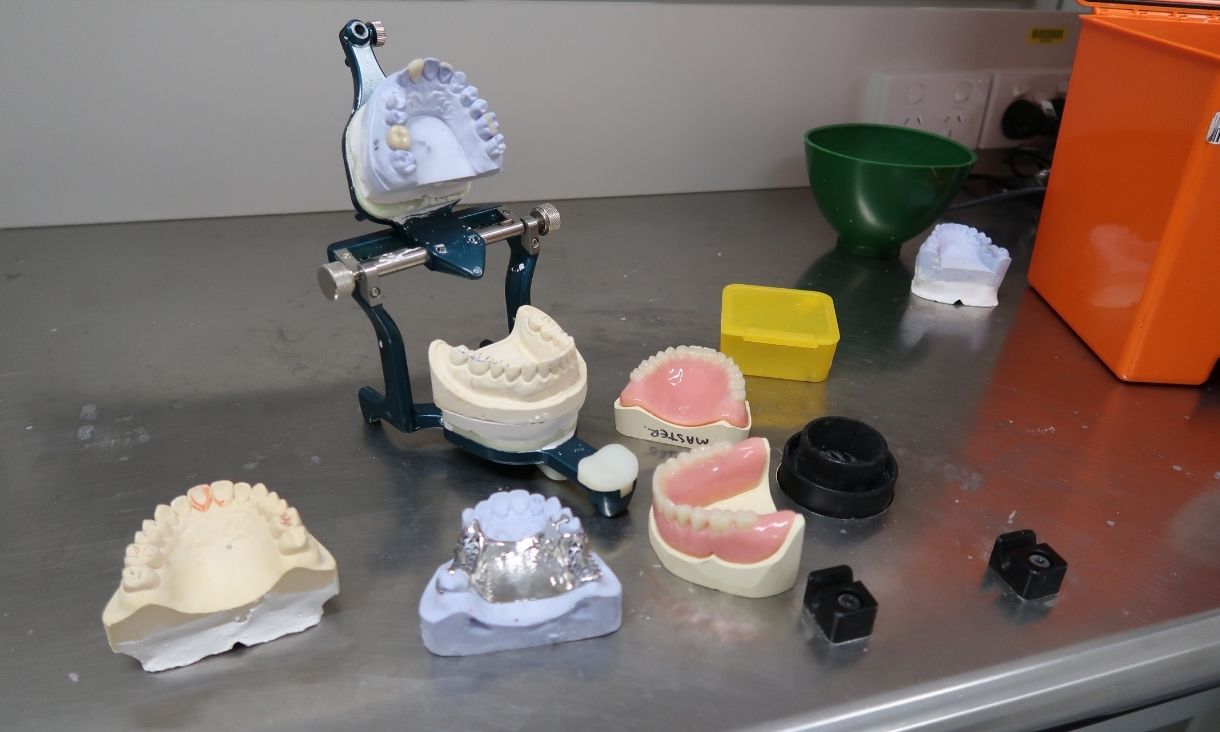
Dental prosthetics on metal benchA collection of prosthetics and projects from over Darcie’s study experience.

Darcie credited the benefits of returning to study mid-career and the program's hands-on, applied learning style as a hands-on learner living with dyslexia.

“Being a mature-aged student with so many years of experience in the industry makes me sure of myself in this career path, and I think with that comes excitement for learning,” she said.

“This has led to me being very active in my education and wanting to get as much out of the classes as possible.”

Darcie is set to graduate from the Advanced Diploma of Dental Prosthetics in July 2028, taking the next step towards a career shaped by new skills and a commitment to supporting communities that need it most.


The Advanced Diploma of Dental Prosthetics requires completion of the Diploma of Dental Technology.

Learn more about dental studies at RMIT.

24 July 2026

More student news

aboriginal flag float-starttorres strait flag float-start

Acknowledgement of Country

RMIT University acknowledges the people of the Woi wurrung and Boon wurrung language groups of the eastern Kulin Nation on whose unceded lands we conduct the business of the University. RMIT University respectfully acknowledges their Ancestors and Elders, past and present. RMIT also acknowledges the Traditional Custodians and their Ancestors of the lands and waters across Australia where we conduct our business - Artwork 'Sentient' by Hollie Johnson, Gunaikurnai and Monero Ngarigo.

Learn more about our commitment to Indigenous cultures