

How rockets and lock picking helped Caspar launch a cybersecurity career

How rockets and lock picking helped Caspar launch a cybersecurity career

Led by curiosity, Caspar threw himself into clubs and projects and left RMIT with a graduate role in cybersecurity.

When Caspar enrolled at RMIT, he didn’t exactly know what the end goal was. Guided by a strong affinity for all things mathematical, he chose a Bachelor of Science, majoring in mathematics and statistics.  

Fast forward a few years and Caspar has graduated with a Computer Science degree, helped revive the RMIT Information Security Collective (RISC), worked on a rocket-monitoring platform, and secured a graduate role with cybersecurity leader, CyberCX. 

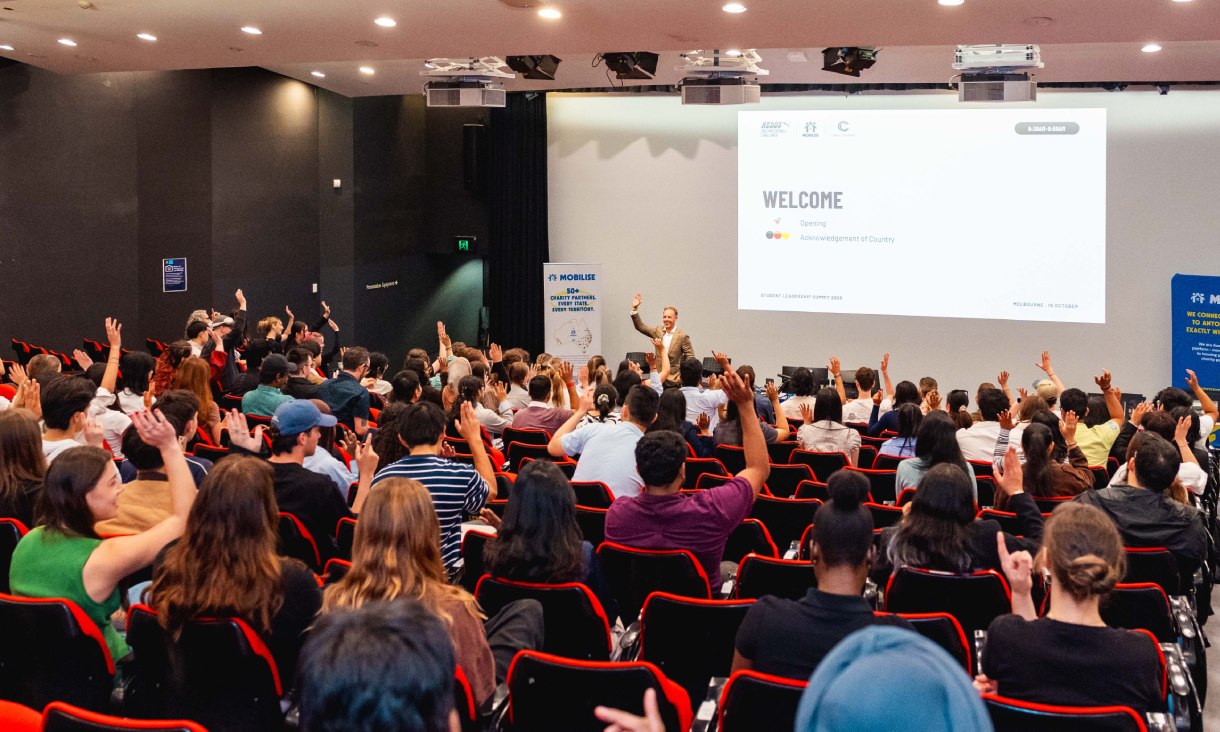
RMIT student Caspar O’Neill at a RISC event.RMIT student Caspar O’Neill at a RISC event.

Programming his journey

During his first year at RMIT, he discovered his interests aligned more closely with computing and transferred into a Bachelor of Computer Science, later adding a Cyber Assurance minor.  

"I had a hunch that computer science was a good fit for me, I’ve enjoyed tinkering with computers for as long as I can remember" he says. "As time went on, the experiences I had made me increasingly sure it was the right choice." 

The turning point came when he competed in the Australian Signals Directorate's Capture the Flag (CTF). The competition challenges students to test their problem-solving skills by taking on puzzles created by Australian Signals Directorate staff. The challenges encompass elements of programming, languages, cryptography and computer security principles. 

"I only solved two challenges, but it sparked a fascination that has grown stronger ever since." 

He began exploring cybersecurity through side projects, networking experiments and software development, gradually building his skills both in and out of the classroom.  

“Finding the right program for me was a combination of trial and error, combined with observing what I was decent at and trying out different skills to see if I liked them,” he says. 

Launching the capstone project

Drawn in by the opportunity to work with RMIT’s student-led rocketry team, High Velocity (HIVE), Caspar signed on to a project focused on developing a web-based platform for monitoring rocket flight data in real time as part of his capstone project. 

"I’d never thought of myself as a front-end web developer before but I preferenced the project highly because the idea of working with rockets sounded insanely cool," he admits. 

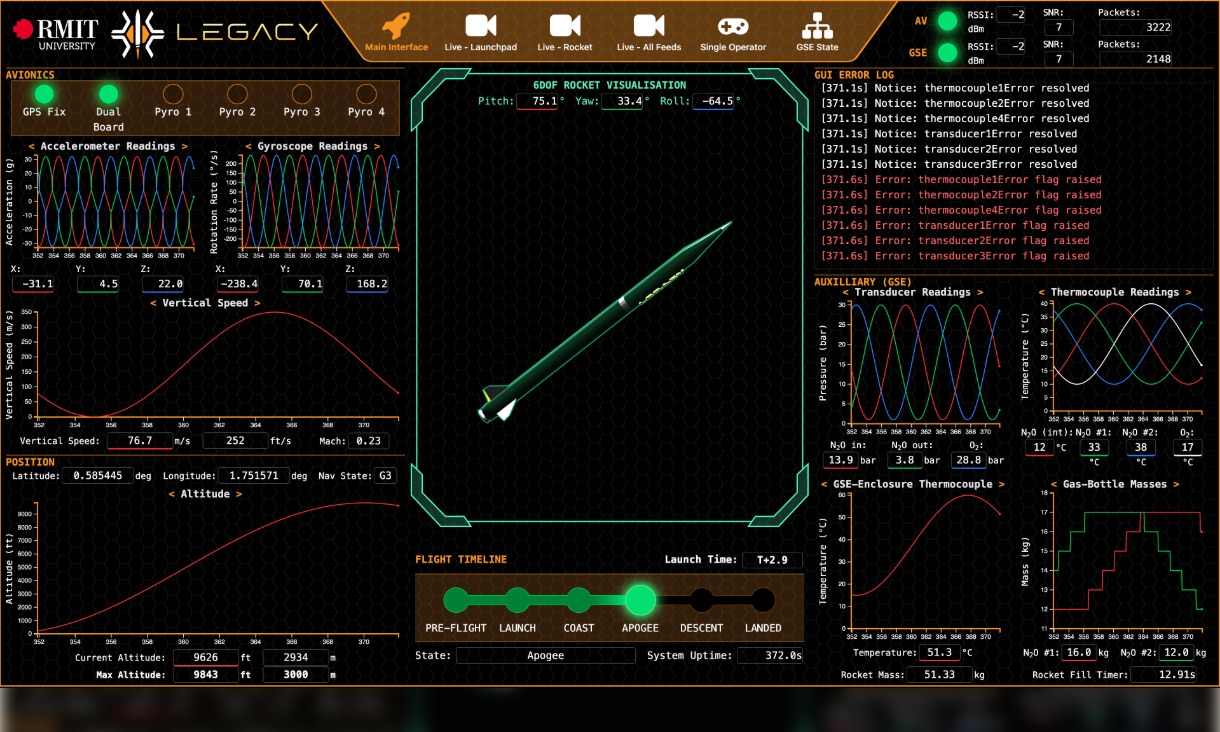
His team was responsible for creating a web interface that displayed live flight information, including a 3D visualisation of the rocket's orientation during active flight. 

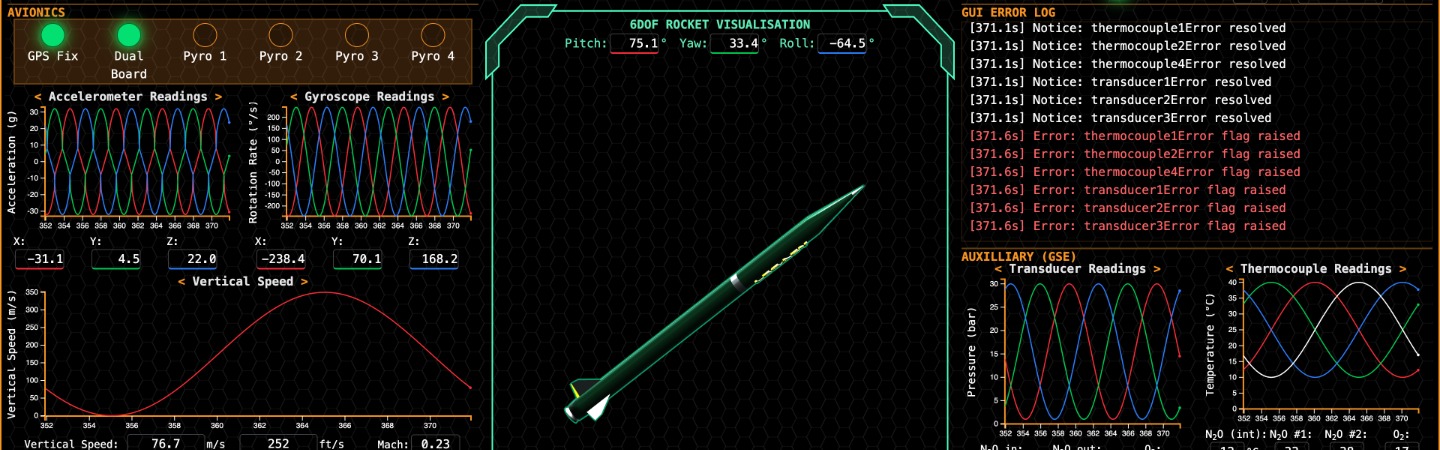
A screenshot of the rocket interface displaying live flight information.A screenshot of the monitoring interface displaying live flight information.

It became an opportunity to stretch beyond his comfort zone while working on a technically complex, real-world problem. 

"The project lived up to my expectations and more, watching rockets launch all day out at the range in Serpentine will always be a highlight of my time at RMIT." 

Aside from the excitement that comes alongside working with rockets, Caspar’s capstone project also simulated the experience of working within the industry. He had to collaborate with different teams, produce well-documented solutions and work with a client (HIVE).  

"I enjoyed meeting the incredibly smart and driven people in HIVE and working in what was the closest thing to a real professional environment I’d experienced at that point.”  

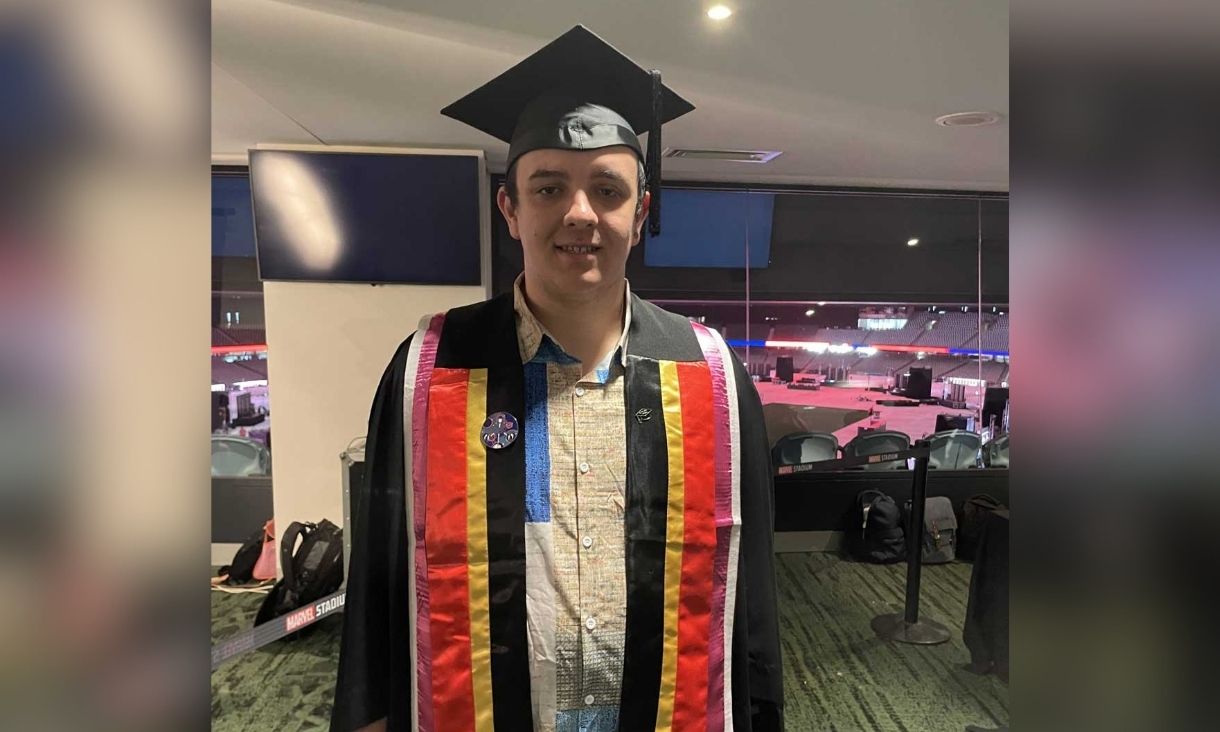
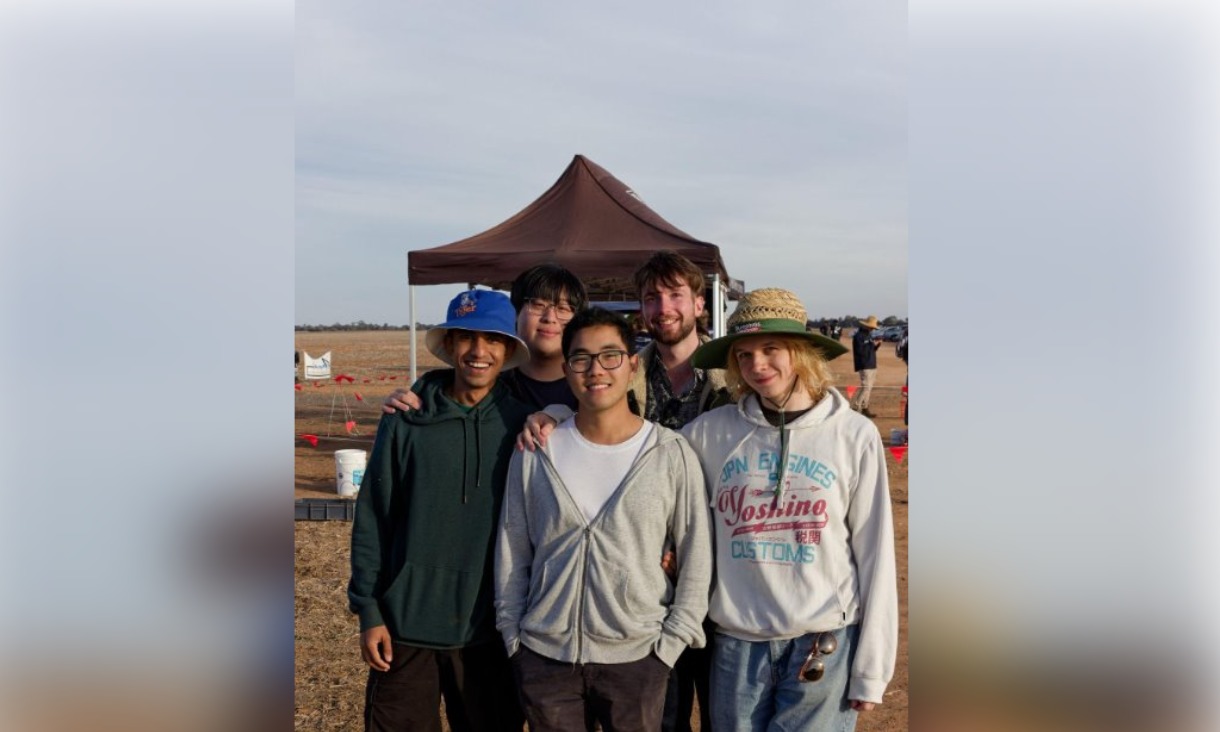
Caspar with the HIVE team at the launch site in Serpentine.Caspar with the HIVE team at the launch site in Serpentine.

Taking on RISC

Lock picking might seem unrelated to digital security, but it’s often used as a memorable way to explain the fundamental principles of cyber safety. It’s a jumping off point for students to understand the vulnerabilities of an internal mechanism and learn how to consider them when designing security measures.  

When Caspar attended an RMIT Information Security Collective (RISC) lock-picking event in 2023, his interests in cyber security were piqued.  

When the club later became inactive, he and a group of fellow students decided to bring it back. 

"I spoke to a few friends who also missed the club, and we collectively decided that if no one else was going to bring back RISC we would simply have to do it ourselves." 

RISC relaunched with education-based events and shared information connecting students with opportunities like hackathons  and cyber challenges.  

The club acted as a connection point, allowing people to develop new skills, collaborate and have a dedicated space outside of the classroom for people to explore their interest in cyber security.  

"Having like-minded people around me to bounce ideas off was really valuable." 

Caspar also notes that developing his skills outside of class in clubs and competitions may have set him up for success when it came to getting a job.  

“Many employers expect more than just a degree in a vacuum. Having well-developed skills in a niche you enjoy, have implemented projects in and can speak confidently about will set you apart like nothing else.” 

Turning experience into a graduate role

After graduating earlier this year, Caspar now works in Network and Infrastructure Solutions at CyberCX, one of Australia's largest cybersecurity organisations. 

All those hours spent on technical projects during his time at RMIT ensured Caspar was prepared.  A particularly relevant example came from a network engineering project where students were tasked with designing a network for a large factory. 

The assignment closely reflected challenges he now encounters in industry. 

"I had to work around physical space constraints, simulate wireless coverage and build the whole thing in Cisco Packet Tracer, which ended up being directly relevant to my role now." 

Since joining CyberCX, he has embraced the opportunity to continue learning. 

“I’ve met a lot of interesting, talented people. It was somewhat daunting realising how much there still is to learn, but everyone I’ve met at the company has been super friendly and helpful.” 

He’s also enjoying the workplace culture.  

“As a nice little bonus, my role has also made me a much more formidable pool player.”

grads-news-promo-2026-1220x732.jpeg

Celebrating our 2026 graduates

To read about more exceptional RMIT students graduating this year, go to Celebrating our 2026 graduates. 

28 October 2026

More student news

aboriginal flag float-starttorres strait flag float-start

Acknowledgement of Country

RMIT University acknowledges the people of the Woi wurrung and Boon wurrung language groups of the eastern Kulin Nation on whose unceded lands we conduct the business of the University. RMIT University respectfully acknowledges their Ancestors and Elders, past and present. RMIT also acknowledges the Traditional Custodians and their Ancestors of the lands and waters across Australia where we conduct our business - Artwork 'Sentient' by Hollie Johnson, Gunaikurnai and Monero Ngarigo.

Learn more about our commitment to Aboriginal and Torres Strait Islander peoples