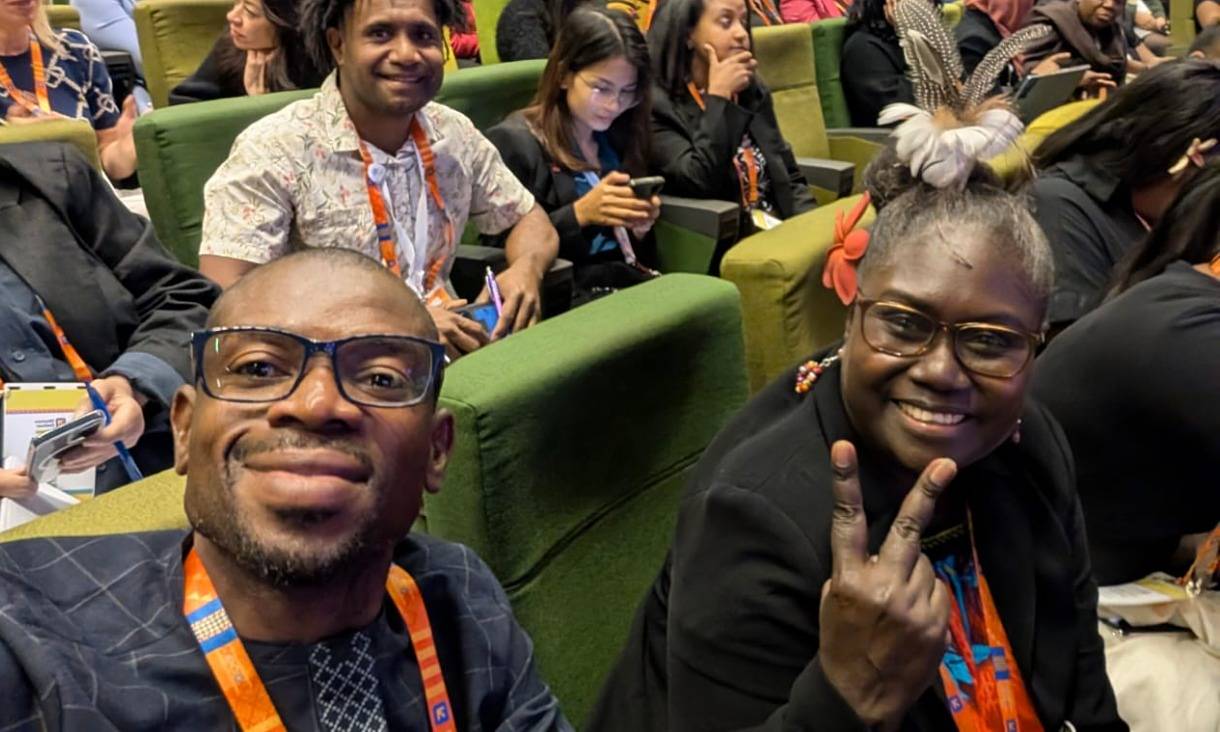
Where in Papua New Guinea are you from?
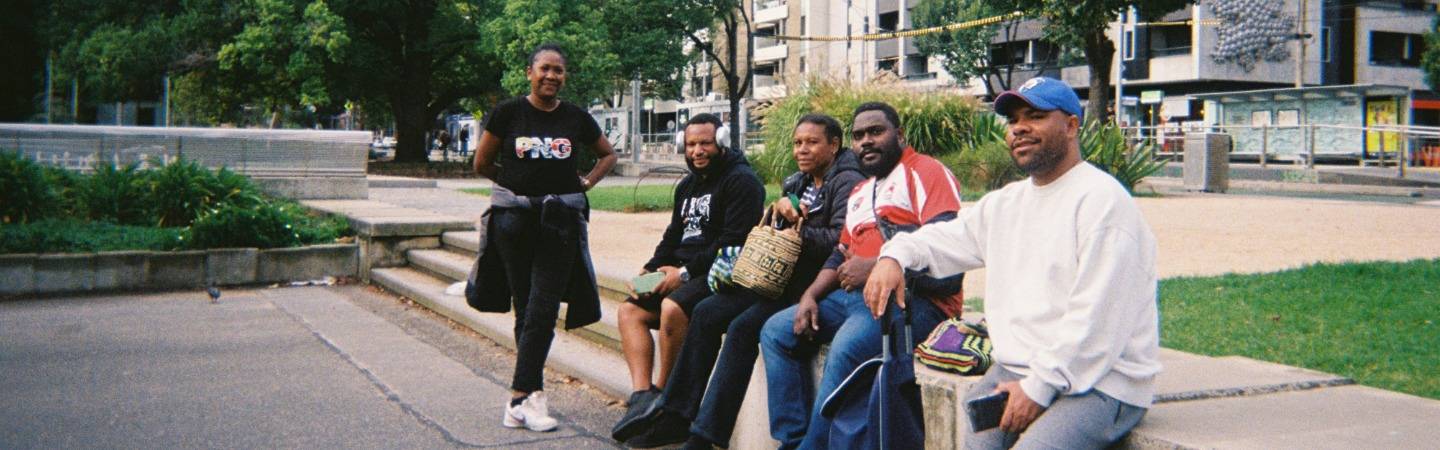
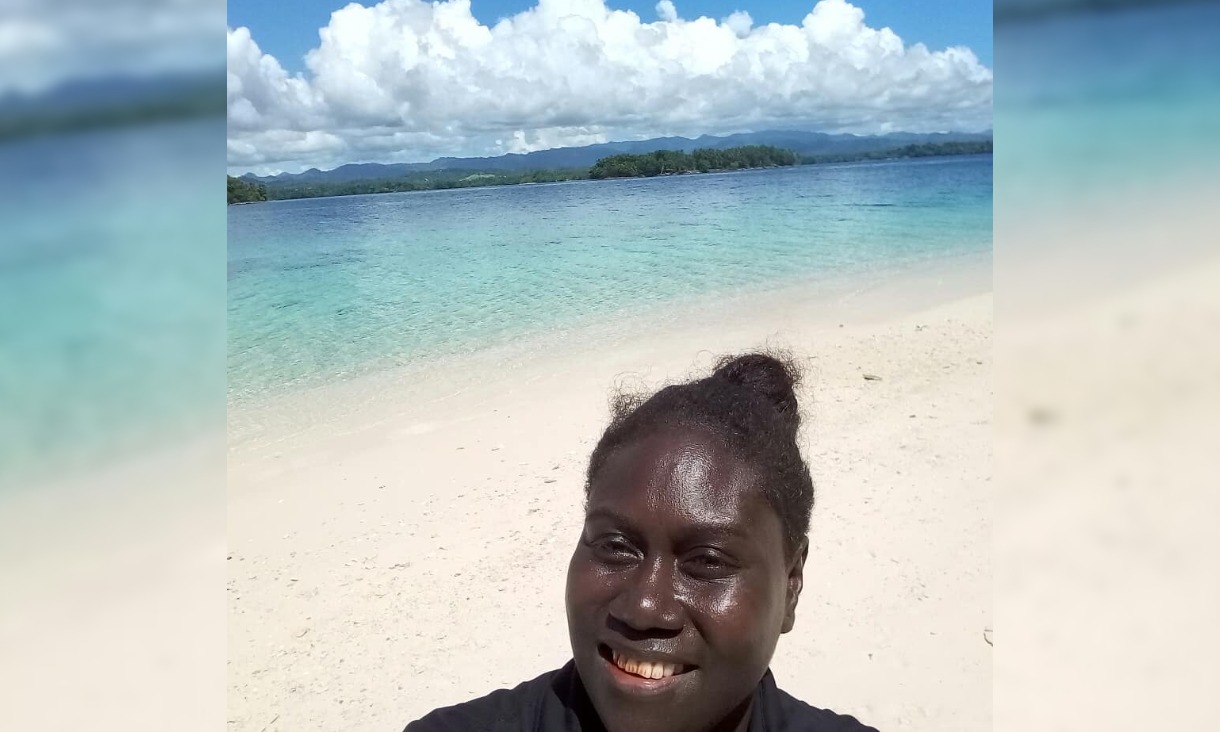
I am a Siwai woman from the Autonomous Region of Bougainville, though I have lived in Port Moresby since 1986.
Bougainville’s history is a very important part of who I am and motivates much of what I do, both socially and professionally. During the Bougainville conflict, my family in Port Moresby could not communicate with our family in Bougainville.
Why was this experience a major motivating factor in your life?
People in Bougainville experienced major disruptions to their education. Many people were denied formal education during the conflict. Yet, they still developed other forms of important knowledge through their connection to culture and lived experience in the community.
Those of us who lived away from Bougainville missed out on skills that are part of growing up in Siwai – building a house, hunting, weaving, reading the forest and recognising footprints. Some of us never learned to speak our language fluently. I started a movement called Siwai Sisters Nonotu to create a space where elders could share their knowledge with younger generations and we could reconnect.
Could you tell us more about Siwai Sisters Nonotu?
Siwai is both an administrative district and a cultural group in Bougainville. Like many communities across the region, Siwai has a strong matrilineal social structure, where women have important relationships with and responsibilities for land, family and community.
There are cultural protocols, obligations and language that women need to know, practice and pass on. Many women like me have lived away from home for much of our lives, so we are not practicing our culture daily. There is a real danger that some of this knowledge – and parts of our history – will be lost, particularly for children growing up away from Siwai.
The project has been on hold while I've been in Australia, but it’s a passion of mine, and even as our culture changes, I want our future generations to be connected to where they came from.
After a decade in development work, why come to RMIT for the Master of Global Studies?
Working in communications and strategy across Melanesia, I observed a disproportionate number of international versus local representation when it comes to setting strategic priorities and deciding how development initiatives are implemented.
I wanted an Australian qualification that would give me greater leverage: not only to be “at the table”, but to have greater weight behind the decisions I contribute to. I also wanted to understand the theoretical frameworks often used to justify development in PNG, so I could question them and think critically about how they’re applied.