1. Why did you join the Peer Mentoring program?
Roshane: I did not come from a traditional school background, so it took a lot of effort for me to figure out how university works and how to navigate everything successfully. I wanted to be involved in something that could make that process easier for other students and help them feel less overwhelmed when starting out.
Lam: Simply because I love helping others! If someone struggles with any hard knowledge, they will really stress and need someone's help. I understand that because I used to be in their shoes. And I've learned how to guide those through each step to understand deeply the knowledge.
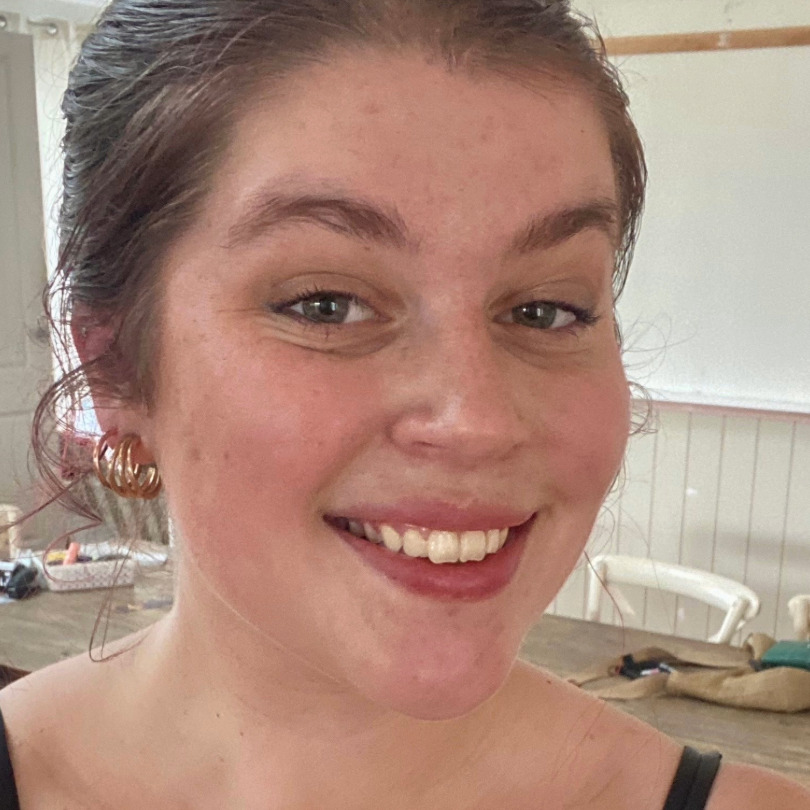
Hayley: I hadn't studied psychology prior to my degree and was struggling to adjust to the writing style. The Peer Mentoring program helped me adjust my writing style to meet the standard needed for my degree.
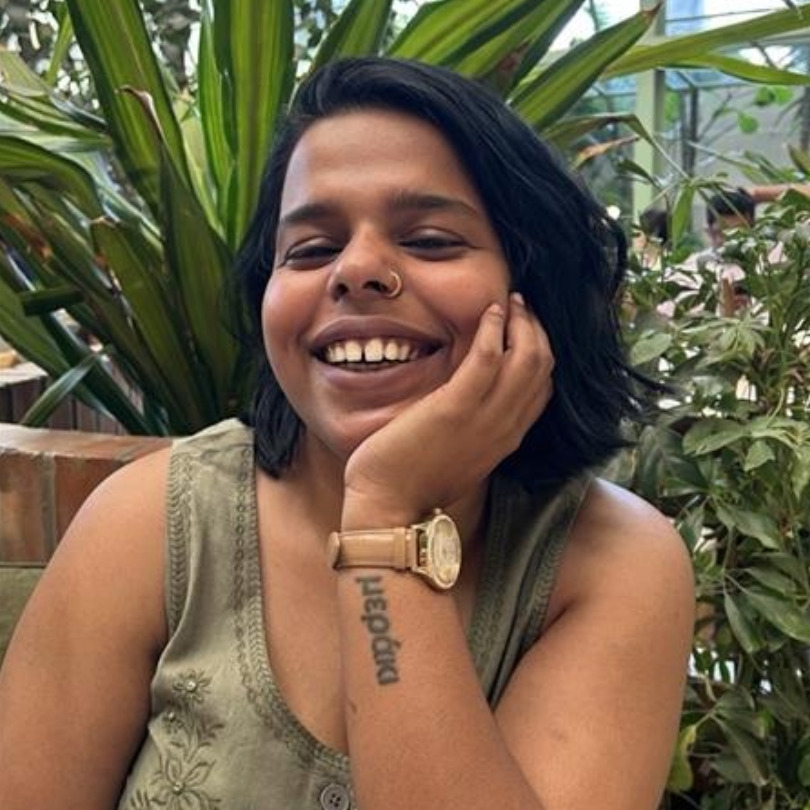
Shreya: Coming to a new country as an international student can be overwhelming. Everything feels different, from how classes work to how people communicate, to even just understanding where to go for help. I remember feeling a bit lost in the beginning. That’s when I met Rithineak Vuthy (my mentor) and honestly, he made such a huge difference in how my journey started here.
2. What is the best thing you learned from being a mentor/mentee?
Roshane: Even small guidance can make a big difference for someone who is just starting university. Sometimes students do not need all the answers; they just need someone who can point them in the right direction and make the process feel more manageable.
Lam: Being a mentor is not the same as being a solution-provider-machine. As a mentor, I do not want to just hand a mentee an answer. Instead, I walk them through each stage, from defining the problems clearly and developing simple solutions, to providing them with some advanced techniques so that they can find the solution themselves. It's not just about an answer – it's about a journey to find that!
Hayley: How to adjust to my degree requirements and workloads, and step up my academic writing style to bridge the gap between high school and university writing requirements.
Shreya: There were times I doubted myself a lot. Being in a new place away from home can shake your confidence. But my mentor always made me feel like I could handle whatever came my way. He believed in me even on days I didn’t believe in myself. And sometimes, that’s all you need: one person who reminds you that you’re doing okay, that you’re capable, and that it’s normal to feel a little unsure. Having someone like him around made me feel safe, supported, and less alone in a completely new environment. That’s something I’ll always be grateful for.
3. What is your top tip for students just starting out at uni?
Roshane: Ask questions early and use the support available instead of trying to figure everything out alone. University becomes much more manageable once you realise that asking for help is one of the smartest things you can do.
Lam: Recognise the different between uni and high school. Studying in university requires substantial self-study. I felt lost in knowledge after the first month because I just attended the classes on campus without any practising at home. Practise, recognise what you do not understand, go to your lecturer consultation hour, ask them! Don't wait until it’s overwhelming!
Hayley: Don't be afraid to start Peer Mentoring! It’s not always about being behind but rather trying to get ahead and manage your workload. You don't need 'bad grades' to want to achieve better scores or improve your academic performance.
Shreya: Don't forget to enjoy and have fun; everything will be fine in the end.
4. Where is your favourite place to study on campus?
Roshane: One of my favourite places to study on campus is the Library because it has a focused environment and makes it easier to stay productive between classes.
Lam: Definitely the Library. But the spot still depends on my mood! I would like to study inside the Swanston Library whenever I need to concentrate in a quiet space. However, whenever I want to hear some noise of campus life, I prefer studying at the long yellow tables on levels 5 and 6.
Hayley: Bowen Street Cafe in building 12.
Shreya: I like Library. Especially those first few desktops when you enter; I can see people moving, have earphones with music and not be bothered.
5. How has the Peer Mentoring program impacted your confidence and sense of belonging at RMIT?
Roshane: Even though I have only recently joined, being part of the program has already made me feel more connected to the RMIT community. It has also given me more confidence because it feels good to be involved in something meaningful and to know I can contribute to helping other students settle into university life.
Lam: Peer Mentoring boosted my confidence! I used to be a person that was really shy to talk. But now, I can guide others and deliver knowledge with ease. More importantly, Peer Mentoring made me feel that I have contributed something, maybe not large, but persistent to RMIT Community.
Hayley: It has helped me adjust to university life and improved my confidence in my writing and research abilities. It has helped improve my sense of belonging in an academic setting by giving me confidence in my assignments and direction of my week-by-week studies.
Shreya: Now that I’ve found my rhythm in RMIT, I want to do the same for someone else. I want to be there for the juniors who might be feeling what I once felt: confused, overwhelmed, or even just in need of a friendly face. I want to be the kind of mentor Rithineak was to me. Whether someone needs help figuring out how to submit an assignment or just needs to vent about life over a coffee, I want them to know they’re not alone. I’ve realised that mentorship isn’t about having all the answers, it’s about showing up, listening and reminding someone that they’re doing better than they think. It’s about saying, ‘I’ve been there, and it gets easier.’ And thanks to Rithineak, I now know how powerful that can be. I'm also a study buddy for neurodiverse students; I'm excited and it's just the beginning to make the difference in this world.
Join Peer Mentoring
Curious about joining Peer Mentoring as a mentor or mentee? Learn more about the program.