Introducing RMIT’s first Assistive Technology Specialist

Introducing RMIT’s first Assistive Technology Specialist

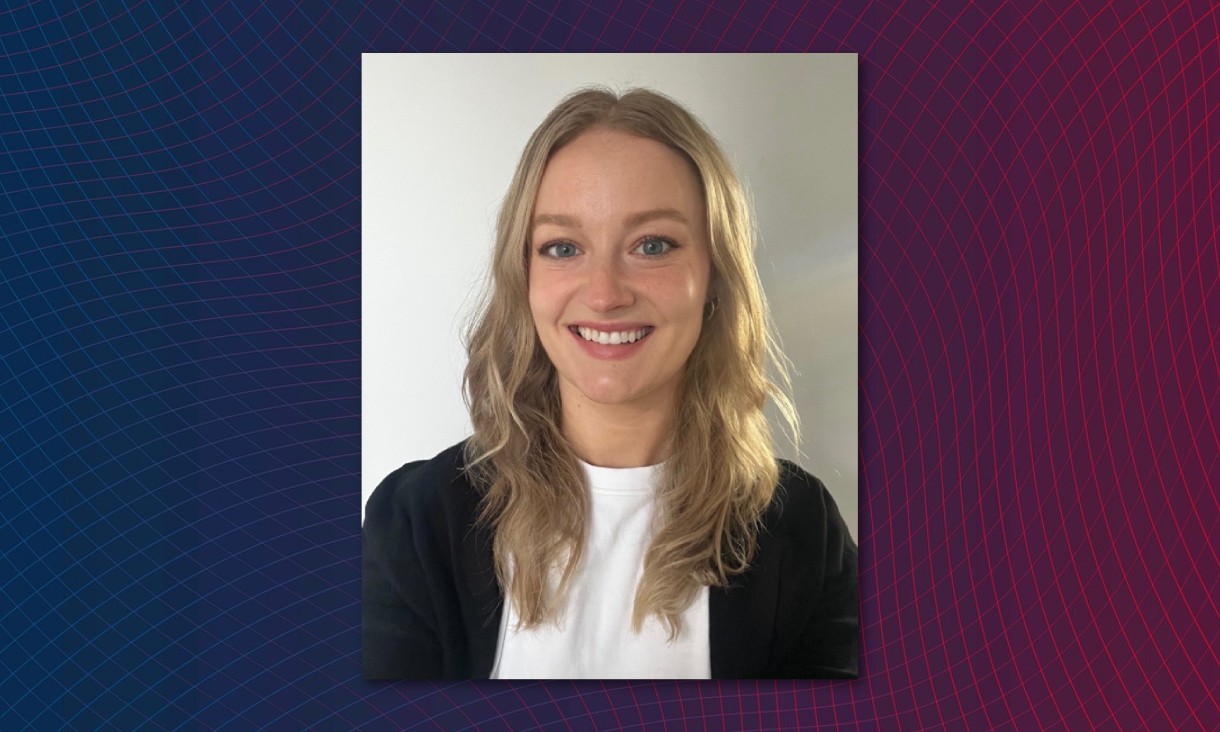
Meet Kesh Leggett, RMIT’s first Assistive Technology Specialist, based in the Library.

Kesh Leggett's portraitKesh, Assistive Technology Specialist

Studying at university can be challenging. Whether you're trying to stay focused, keep organised, get through readings or manage a busy workload, there are tools that can make things easier.

Kesh Leggett (pictured above) is RMIT’s first Assistive Technology Specialist, based in RMIT University Library. Kesh offers technology support for students with additional learning needs, neurodivergence or disability, whether or not you have a formal diagnosis.

What is assistive technology?

Assistive technology (AT) refers to devices, software or equipment that help people complete tasks. It supports learning, work and everyday activities.

You may have used assistive technology without even realising it – some common examples of AT include using autocorrect or predictive text when writing messages, turning on subtitles or closed captions when watching TV and activating Do Not Disturb mode.

AT can support:

  • disability and accessibility needs
  • neurodivergent learning styles
  • mental health and wellbeing
  • reading, writing, organisation and focus.

What can assistive technology do?

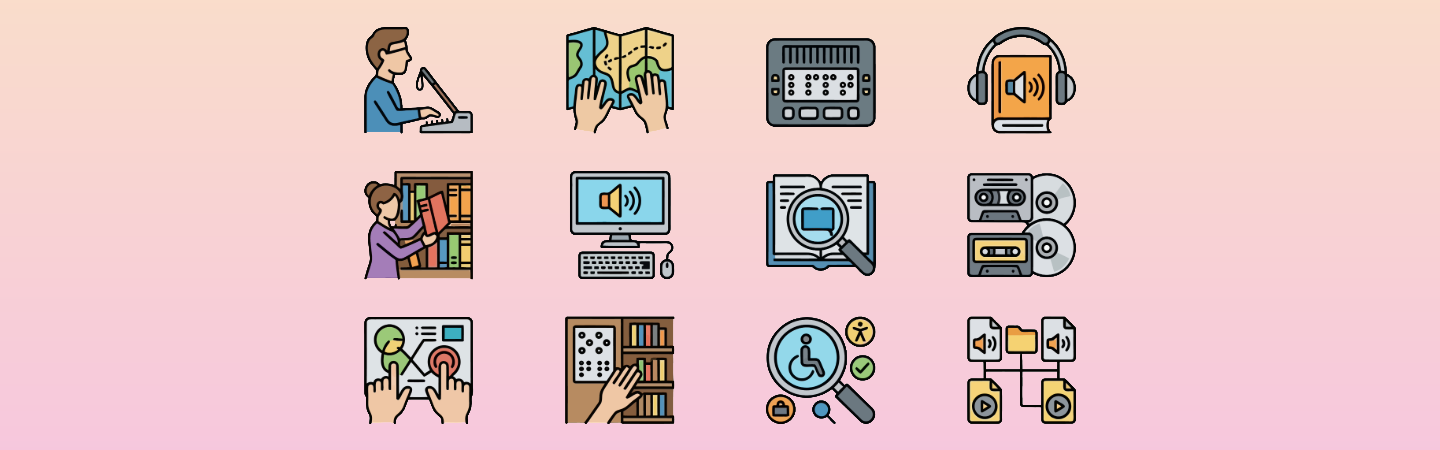
Assistive technology can make tasks like studying easier by supporting reading, writing, organisation, focus, accessibility and communication. This includes tools such as text-to-speech, note-taking, dictation, live captions, translators and productivity apps.

These tools may be built into your device, available through university-supported software or chosen based on what works best for your learning style.

How can Kesh help?

Kesh works one-on-one with students to explore technologies and strategies that can support their learning. Together, you will identify useful tools, discover accessibility features and find approaches that work for your individual study needs.

No prior knowledge of assistive technology is needed.

Learn more about assistive technology by visiting Disability and neurodiversity support in the Library.

Get in touch

23 July 2026

Other news from the Library

aboriginal flag float-starttorres strait flag float-start

Acknowledgement of Country

RMIT University acknowledges the people of the Woi wurrung and Boon wurrung language groups of the eastern Kulin Nation on whose unceded lands we conduct the business of the University. RMIT University respectfully acknowledges their Ancestors and Elders, past and present. RMIT also acknowledges the Traditional Custodians and their Ancestors of the lands and waters across Australia where we conduct our business - Artwork 'Sentient' by Hollie Johnson, Gunaikurnai and Monero Ngarigo.

Learn more about our commitment to Indigenous cultures