Research under a variety of themes
The centre’s research has six themes:
- Digital and sustainable technologies – exploring cutting-edge digital solutions for sustainable infrastructure
- Novel materials and structures – developing innovative materials and structural solutions
- Structural optimisation – advanced optimization techniques for structural engineering
- Numerical modelling and failure prediction – cutting-edge modelling techniques for infrastructure management
- Whole of life prediction – innovative solutions for sustainable infrastructure lifecycle
- Rapid field implementation – fast implementation for a more sustainable future
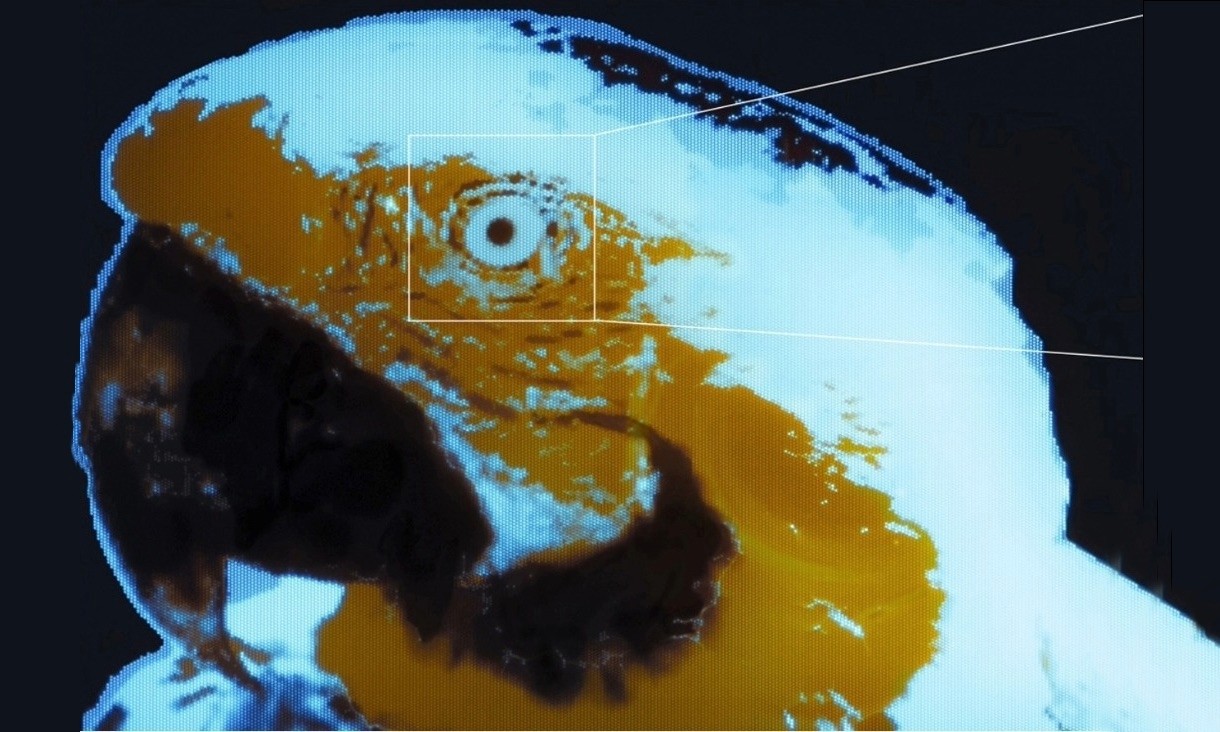
CFC’s research has already created immense impact in the community, most famously Professor Jie Li, Dr Rajeev Roychand, Dr Shannon Kilmartin-Lynch and Dr Mohammad Saberian’s innovation to strengthen concrete by 30% using biochar made from spent coffee grounds.
Showcasing strength in STEM
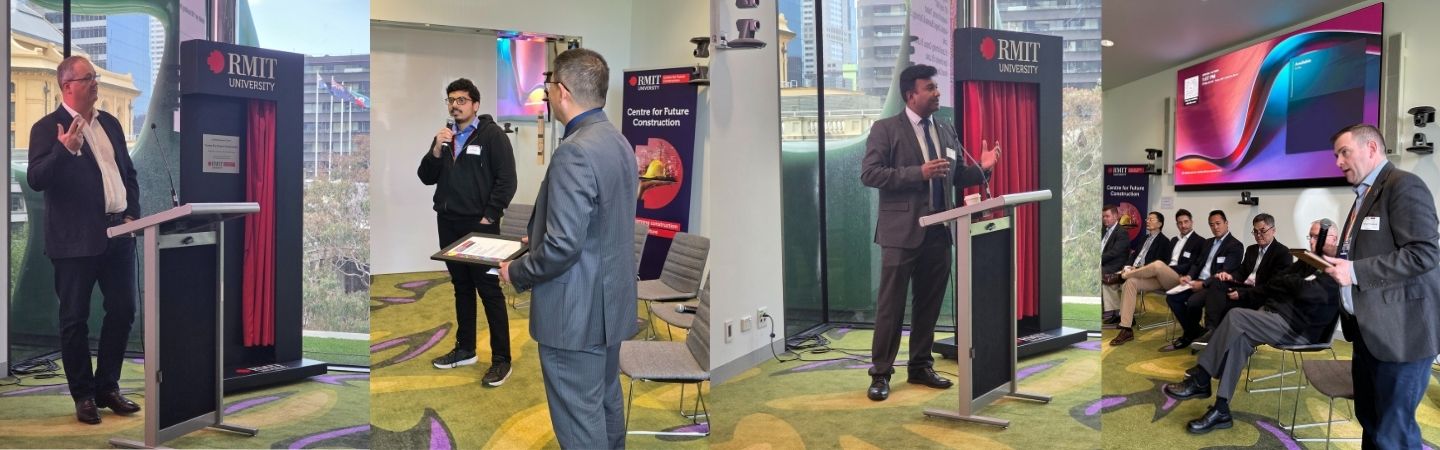
CFC was launched at an Industry Day for Civil and Infrastructure Engineers, welcoming many current and future partners to City campus.
Guests heard from research leaders in STEM College, as well as leading researchers, industry voices and panellists over the course of the day.
Guest speakers identified current issues that industry want to collaborate with researchers at RMIT on, as well as sharing innovative and novel solutions being applied to current issues.
Among the guest speakers were David Waterman, CEO Fire Resilience Technologies, who reviewed the building fire incidents in the world and Australia, and shared his concern that the current standards focus on minimum compliance.
Dr Sam Chen from Mott MacDonald also presented his research and experience on the whole life design of building and infrastructure, focusing on durability, circularity, sustainability and the use of digital tools.
The centre is one of seven Leading Research Centres (LRCs) in STEM College at RMIT University. David Waterman, CEO Fire Resilience Technologies, reviewed the building fire incidents in the world and Australia, and shared his concern that the current standards focus on minimum compliance.
Dr Sam Chen from Mott MacDonald presented his research and experience on the whole life design of building and infrastructure, focusing on durability, circularity, sustainability and the use of digital tools.
The LRC initiative was launched in 2024. It is a mechanism designed to identify, support, and grow research areas of strategic priority to the STEM College and to RMIT.
The scheme has grown research excellence and reputation in priority areas for the STEM College. Its purpose is to establish the STEM College as world leading over time in identified key areas of research strength.
As part of the vision for the LRCs, STEM College wanted to identify research areas of strength in STEM at RMIT, using a bottom-up approach that allowed researchers to present a case for their own research areas of excellence.
Story: Finn Devlin
%201.jpg "Untitled design - 1")