

MedTech at heart of Indonesia collaboration

MedTech at heart of Indonesia collaboration

RMIT’s expertise in medical technology (MedTech) is shaping new partnerships and initiatives designed to increase cooperation and collaboration in Indonesia’s healthcare sector.

RMIT is deepening its engagement with Indonesia in line with the Indonesia-Australia Comprehensive Strategic Partnership (2025-2029) developed by both countries. 

Indonesia’s rapid economic growth and rising population are driving greater demand for advanced healthcare services. 

Through its strategic partnerships, the University is supporting Indonesia to create connected, technologically empowered care for better health outcomes. 

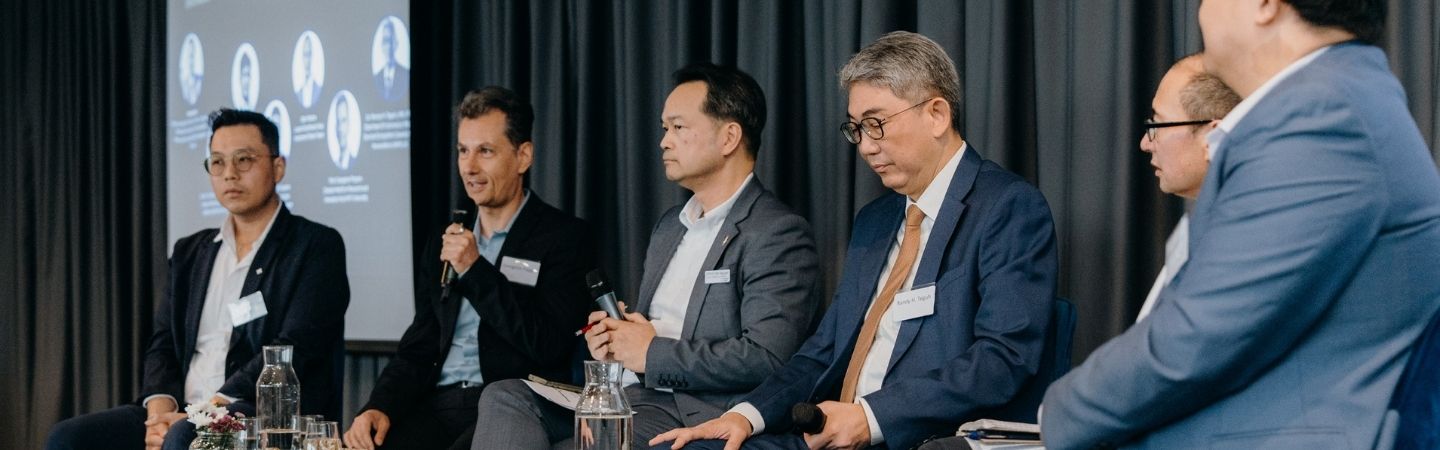
RMIT supported the Festival Indonesia 2025 Business Forum on the topic, Bridging Indonesia-Australia Health Futures: Innovation and Care Across Borders. 

The forum was organised by Festival Indonesia Inc and the Consulate General of the Republic of Indonesia in Melbourne. 

It provided an opportunity for stakeholders across academia, industry and government to explore new pathways for collaboration, investment and knowledge sharing in Indonesia’s healthcare sector. 

In a panel discussion, Professor Evangelos Pappas, Director of RMIT’s MedTech Research and Innovation Hub, spoke about the role of MedTech in improving health outcomes. 

“Indonesia and Australia are similar in that they have remote populations without easy access to traditional health infrastructure (brick-and-mortar clinics and hospitals). Telehealth and remote sensors offer an excellent opportunity to deliver high-quality healthcare remotely. 

“Investment in MedTech is critical to strengthening Indonesia’s health system. Australia has a long tradition and reputation for excellence in clinical trials, an area where Indonesia is rapidly growing. Indonesia’s large population presents an excellent opportunity for clinical trials in collaboration with Australian entities,” Pappas said. 

30 October 2025

Share

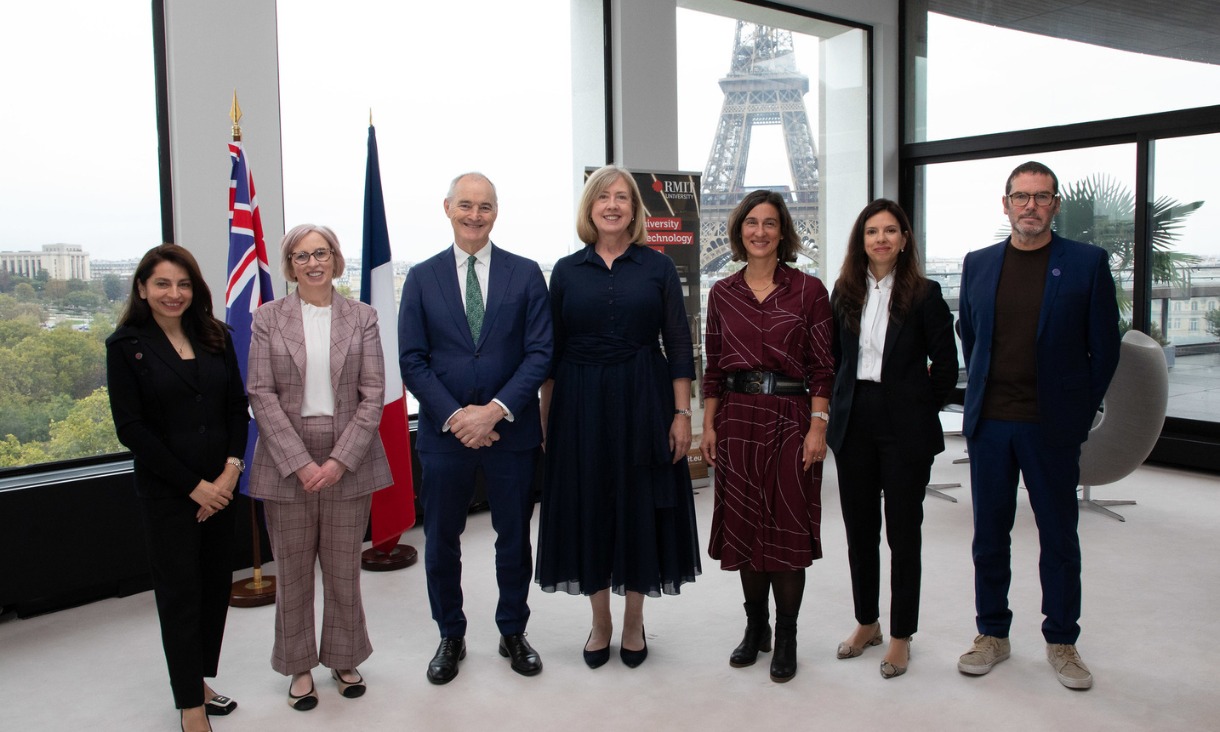
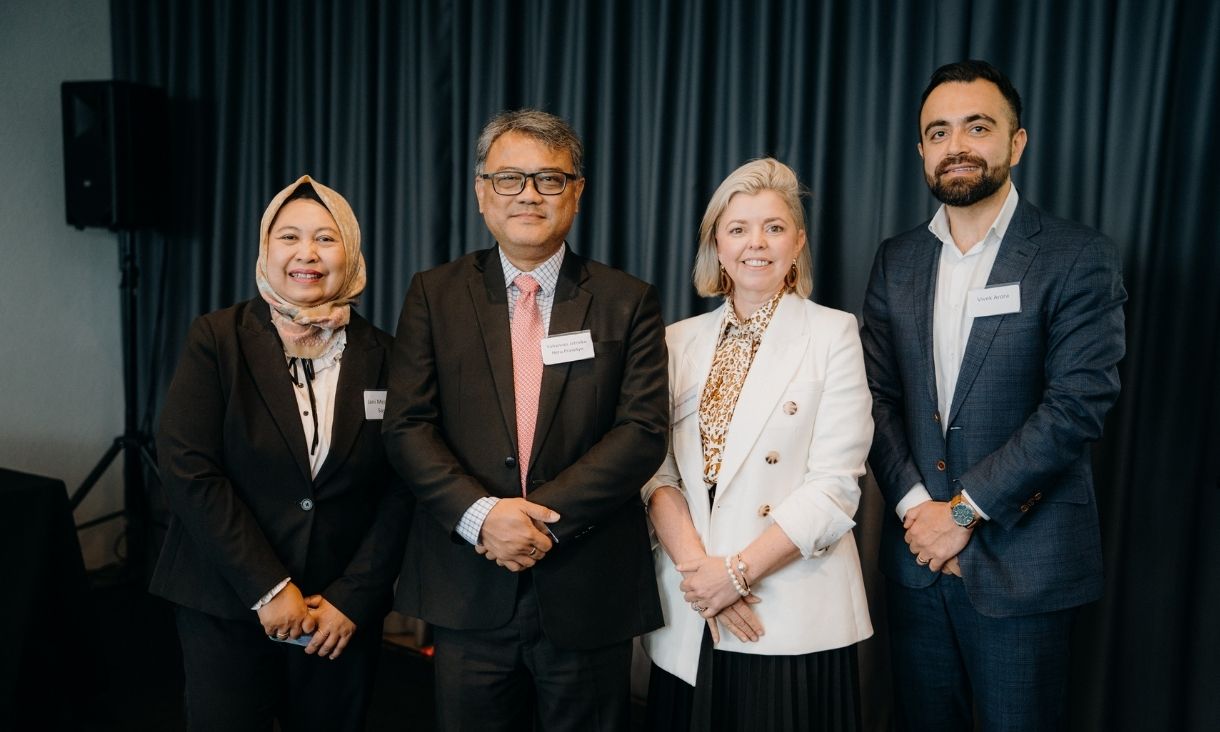
RMIT leaders with representatives from the Consulate-General of the Republic of Indonesia. From L-R: Ms Jani Sasanti, Head of Chancery/Consul Economic Affairs, Indonesian Consulate General in Melbourne; Mr Yohannes Jatmiko Heru Prasetyo: Consul-General of Indonesia to Victoria and Tasmania; Tamara Kearsley, Director, Business Development & Partnerships, STEM College; Vivek Arora, Manager, International Strategy and Business Development, International and Engagement Portfolio.

Building collaborative pathways for health innovation

Earlier this month, RMIT hosted a delegation of biotechnology, health and pharmaceutical representatives from Indonesia.

The University invited its stalwart industry partner, Northern Health, to showcase how their collaboration is creating innovative, AI-integrated models of care – and how these approaches could be adapted for Indonesia.

By leveraging its diverse network of collaborators, RMIT is not only helping support innovation in Indonesia’s healthcare sector but also forging new connections to accelerate impact. 

This month also saw STEM Deputy Vice-Chancellor Professor Catherine Itsiopoulos and Professor Charlie Xue meet with leaders from Indonesian medical device association HIPELKI (Himpunan Pengembangan Ekosistem Alkes Indonesia).

RMIT leaders with HIPELKI Chairman. From L-R: Tamara Kearsley, Director, Business Development & Partnerships, STEM College; Professor Charlie Xue, Associate Deputy Vice-Chancellor, International, STEM College; Professor Catherine Itsiopoulos, Deputy Vice-Chancellor, STEM College; Dr Randy H. Teguh, Chairman at HIPELKI; Professor Evangelos Pappas, Director, RMIT MedTech Research and Innovation Hub.

The University signed a Memorandum of Understanding with HIPELKI in July, outlining a shared intent to support MedTech innovation, workforce development and proof-of-concept translation.

The visit provided an opportunity to discuss ways to deepen engagement between RMIT and HIPELKI.

Professor Itsiopoulos said this collaboration exemplifies RMIT's commitment to being a leading university of impact in South-East Asia. 

“This collaboration is an example of how RMIT works with industry partners in Southeast Asia, sharing our knowledge, research and technological capabilities to benefit local communities and deliver impact on a global scale,” Itsiopoulos said.


Story: Keely Tzoukos

30 October 2025

Share

  • STEM
  • Science and technology

Related News

aboriginal flag float-start torres strait flag float-start

Acknowledgement of Country

RMIT University acknowledges the people of the Woi wurrung and Boon wurrung language groups of the eastern Kulin Nation on whose unceded lands we conduct the business of the University. RMIT University respectfully acknowledges their Ancestors and Elders, past and present. RMIT also acknowledges the Traditional Custodians and their Ancestors of the lands and waters across Australia where we conduct our business - Artwork 'Sentient' by Hollie Johnson, Gunaikurnai and Monero Ngarigo.

More information