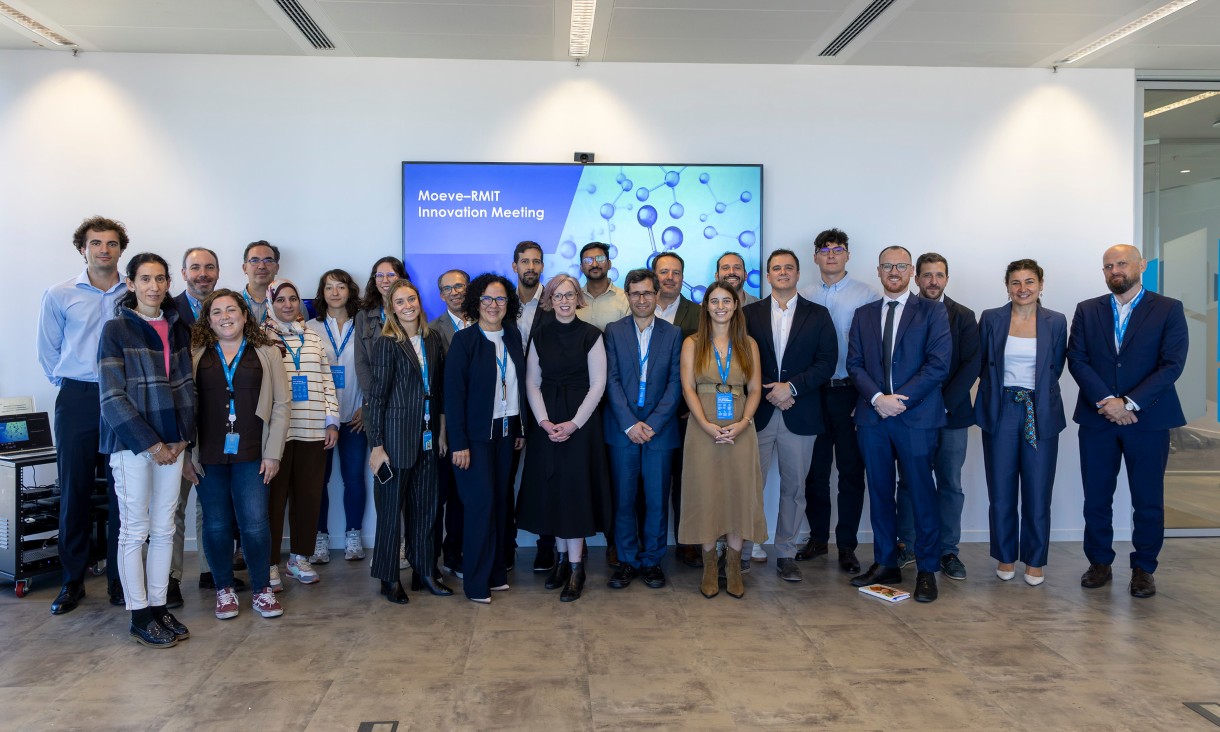
RMIT and Moeve advance their collaboration to support energy transition
The partners marked a milestone event in Madrid, highlighting joint research activity and opportunities for future collaboration.
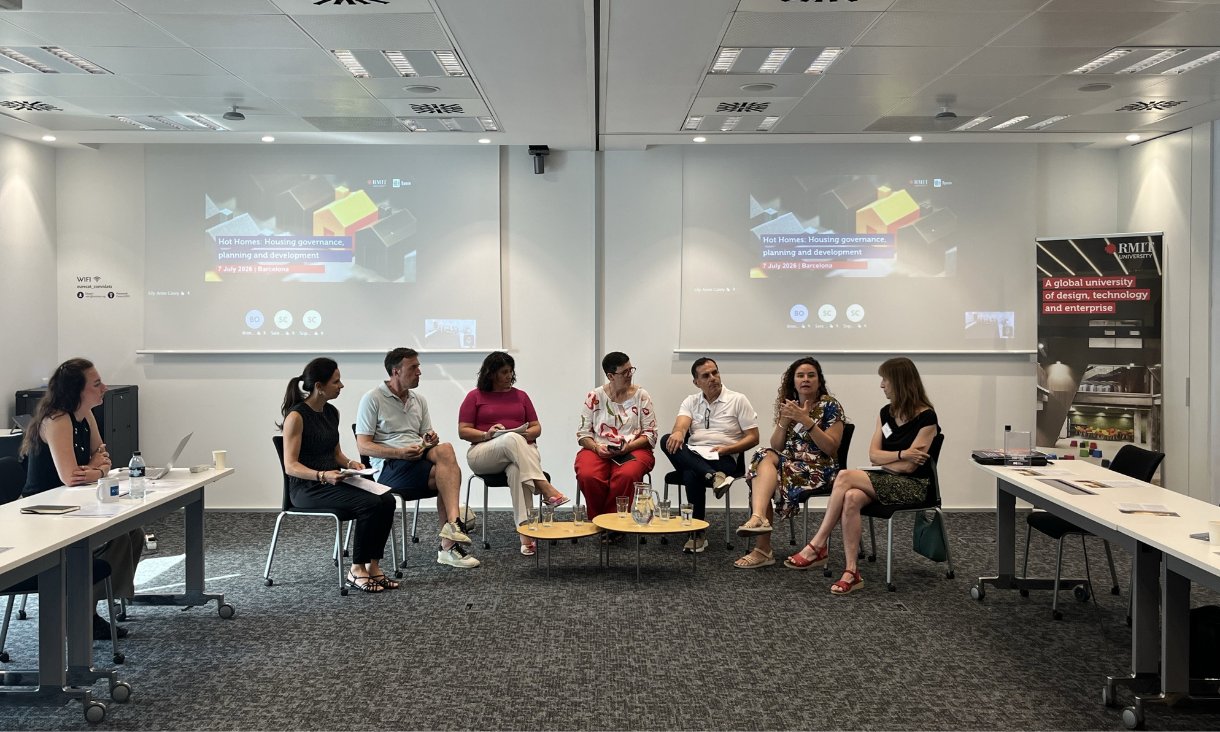
As temperatures rise, inequality deepens
Earlier this year, RMIT Europe and the Urban Land Institute (ULI) Spain invited experts to Barcelona to explore the growing tension between extreme heat and housing.
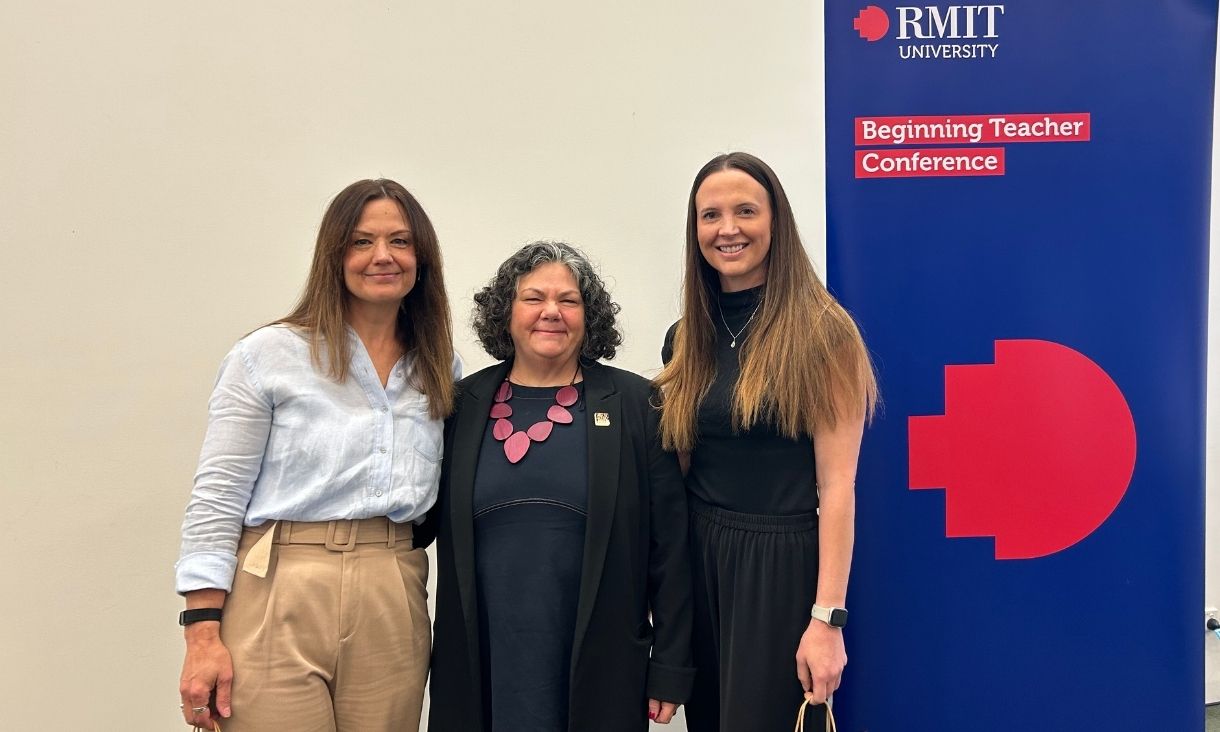
Beginning but not alone. RMIT's graduating cohort of teachers step into the profession with the sector behind them
Successful alumni, school leaders and sector partners joined RMIT's graduating teachers at the Beginning Teacher Conference, where they sharpened their interview skills and celebrated reaching the finish line of their degrees.
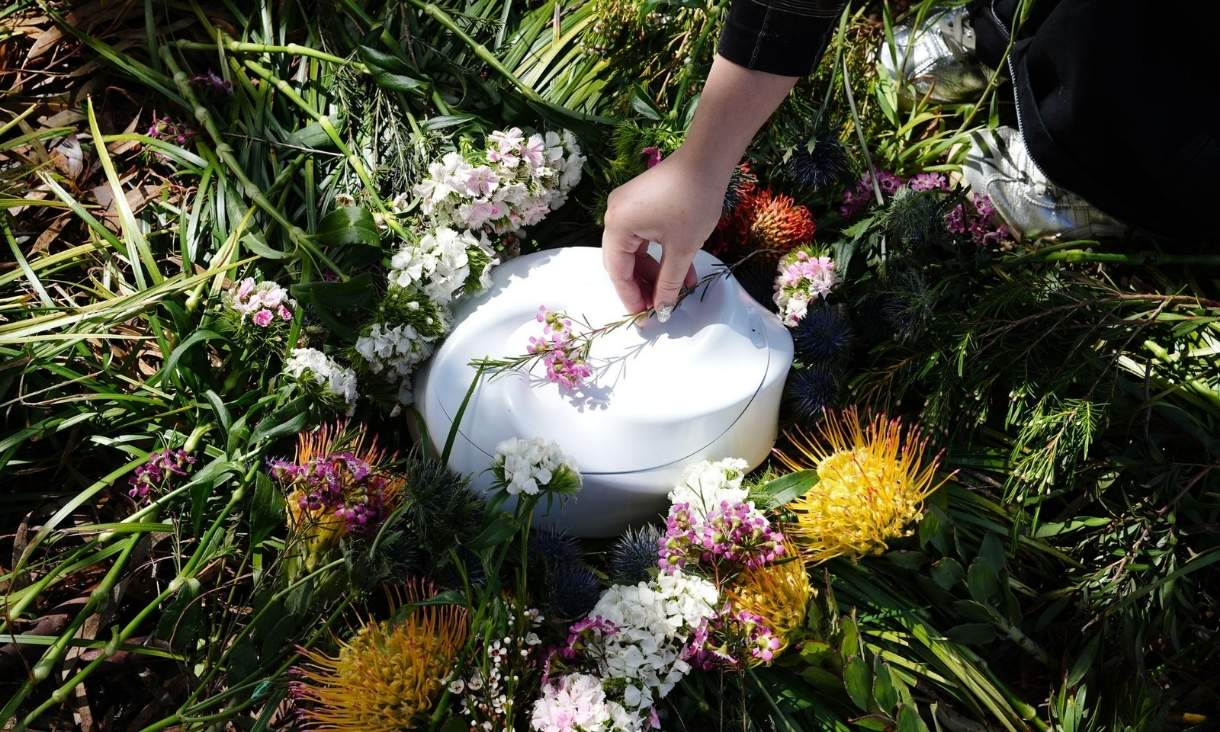
RMIT recognised at 2026 Good Design Awards
Eight projects featuring RMIT design research, outcomes and collaborations have been honoured at the 2026 Australian Good Design Awards.