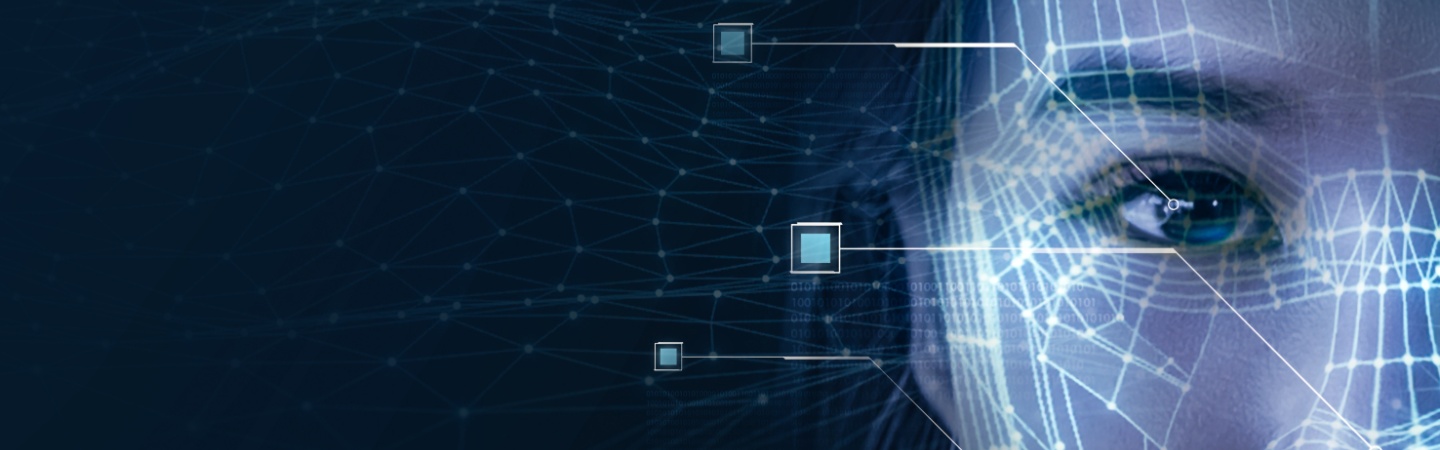
Why we need to know more about how computers see the world
As generative AI is increasingly used across industries, including in journalism, knowing more about how computers “see” and the opportunities and limits of this vision is essential for safer, more ethical and responsible use of AI.
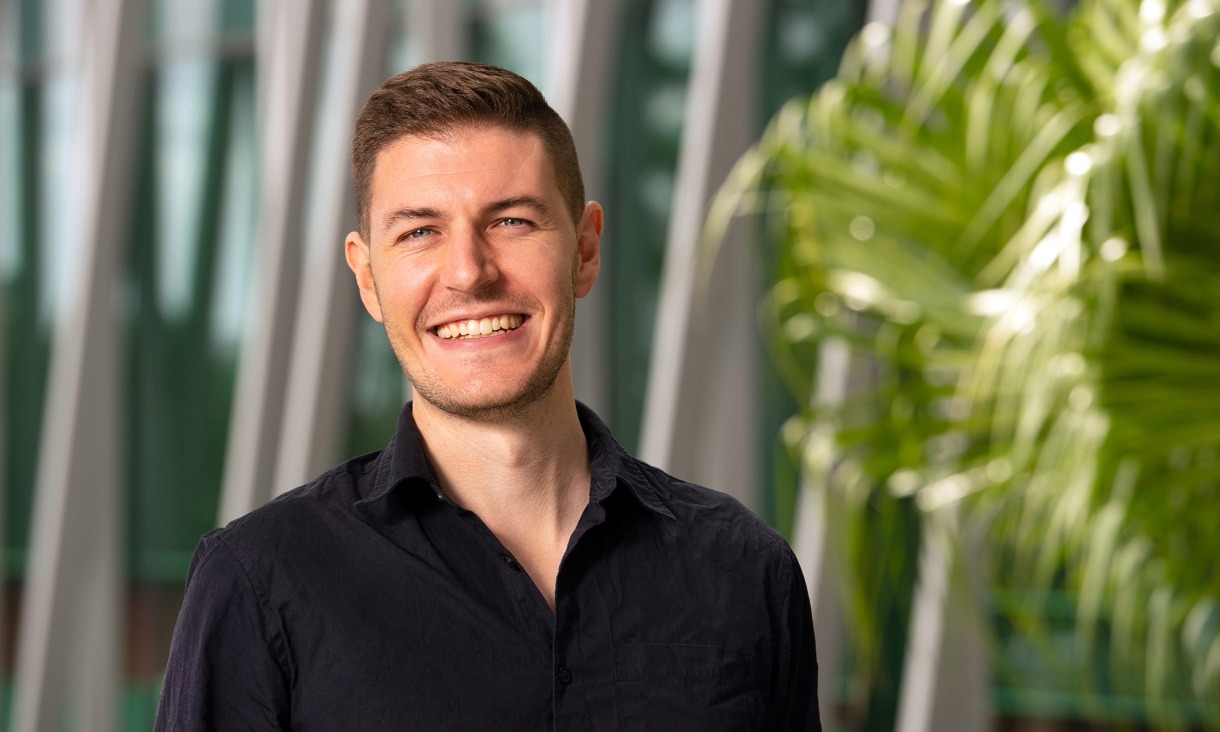 RMIT's Dr T.J. Thomson. Image: Supplied
An RMIT expert explains how computers “see” and why this matters for industry and audiences alike.
Dr T.J. Thomson, Senior Lecturer and Australian Research Council DECRA Fellow
“Journalists recently used generative AI to transform a long-form, investigative piece of journalism into a documentary video. They have also used generative AI to illustrate opinion articles.
“As both behind-the-scenes and public-facing uses of generative AI tools are becoming more common, knowing more about them and how they compare to human storytelling is an essential skill for understanding the contemporary world.
“In the case of comparing human and computer “vision,” computers process images in a very different way to humans, which affects what they “see” and what they’re capable of.
“Humans focus on colour, shape, movement, and depth when they see. Computers work differently. They process images by standardising them, inferring the context of an image through metadata such as time and location information in an image file, and comparing images to other images they have previously learned about. Computers focus on things such as edges, corners, or textures present in the image. They also look for patterns and try to classify objects.
“Because of how AI models “see” and how they are trained, they tend to produce generic representations that can be used across many contexts. But this lack of specificity can also mean audiences find them less authentic and engaging.
“The ability of AI platforms to understand or infer cultural context is limited. They can also be more sensationalist when describing or generating media than a human journalist might have been trained to be.”
You can read more of Dr T.J. Thomson’s comments in The Conversation.
‘Computer-mediated representations: a qualitative examination of algorithmic vision and visual style’ is published in Visual Communication. DOI: 10.1177/14703572251358425
Dr T.J. Thomson a Senior Lecturer in the School of Media and Communication at RMIT University and an Australian Research Council DECRA Fellow. He is also a former visual journalist and photo editor with a focus on visual communication and journalistic innovations.
***
Interviews: Dr T.J. Thomson, t.j.thomson@rmit.edu.au
General media enquiries: RMIT External Affairs and Media, 0439 704 077 or news@rmit.edu.au


Acknowledgement of Country
RMIT University acknowledges the people of the Woi wurrung and Boon wurrung language groups of the eastern Kulin Nation on whose unceded lands we conduct the business of the University. RMIT University respectfully acknowledges their Ancestors and Elders, past and present. RMIT also acknowledges the Traditional Custodians and their Ancestors of the lands and waters across Australia where we conduct our business - Artwork 'Sentient' by Hollie Johnson, Gunaikurnai and Monero Ngarigo.
More information
