

Small businesses need AI support, not awareness
Australian small and medium-sized businesses are already embracing AI, but many lack the time, expertise and support to embed it across their operations. RMIT experts discuss the barriers to AI adoption and what governments can do to help.

Why algorithm reform should be central to Labor’s Digital Duty of Care bill
As Labor prepares to introduce its Digital Duty of Care legislation this week, concerns are growing over algorithms exposing young people to harmful online content. An RMIT expert explains why platforms prioritise polarising content for profit and why greater user control is needed.
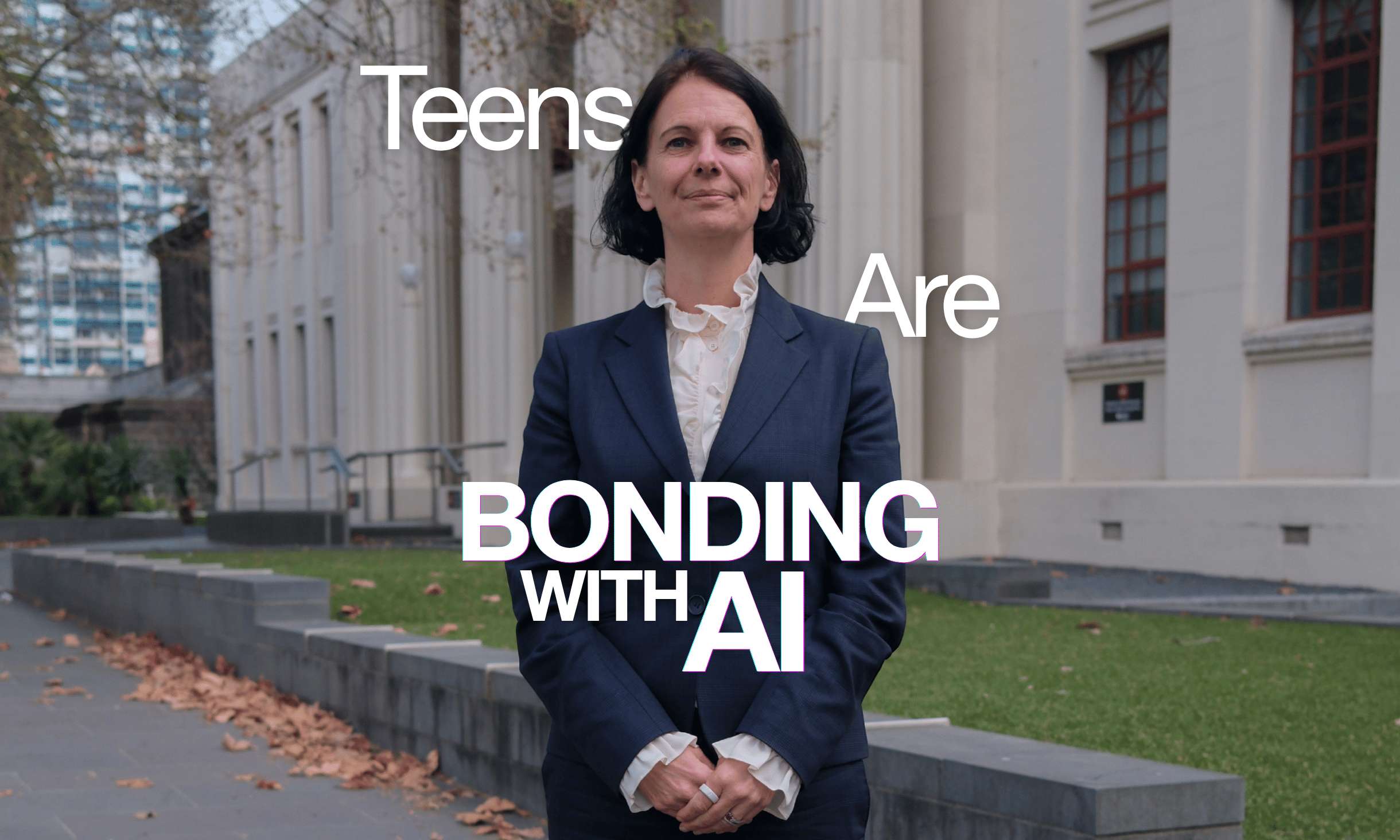
Teenagers are bonding with AI: What does it mean for the future of communication?
In the United States, one in five teenagers use artificial intelligence chatbots for romantic relationships. Almost half consider AI to be their friend. Teenagers in Australia too are increasingly turning to AI bots for connection. An RMIT expert explains how the bonds teens are developing with AI chatbots have the potential to impact emotional development.
Spotting AI-generated political content ahead of the Vic state election
An ABC investigation this week revealed a seemingly Australian political commentator was in fact a Brazilian content creator using AI generated content. An RMIT expert says this is a timely reminder that Victorians should be cautious about trusting everything they see and hear online ahead of the state election, and how to best spot fake content.



