
Who is left to foot the bill following Australia’s card surcharge ban?

Who is left to foot the bill following Australia’s card surcharge ban?

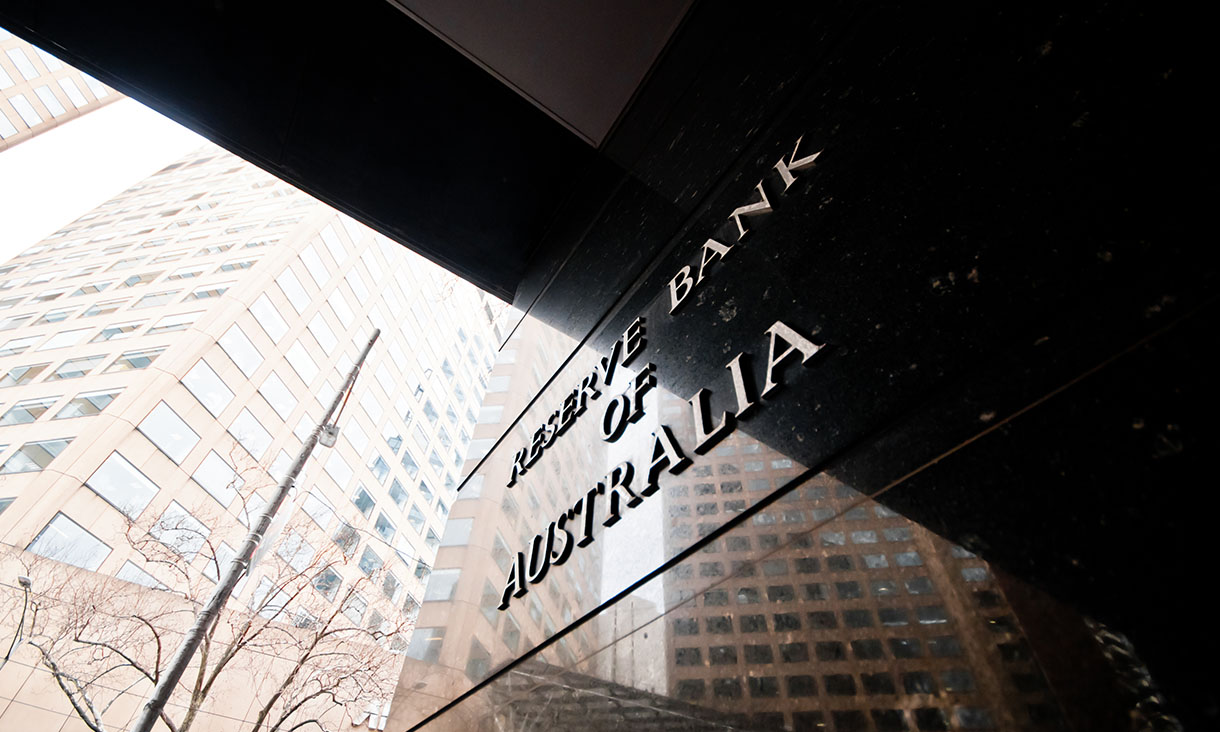
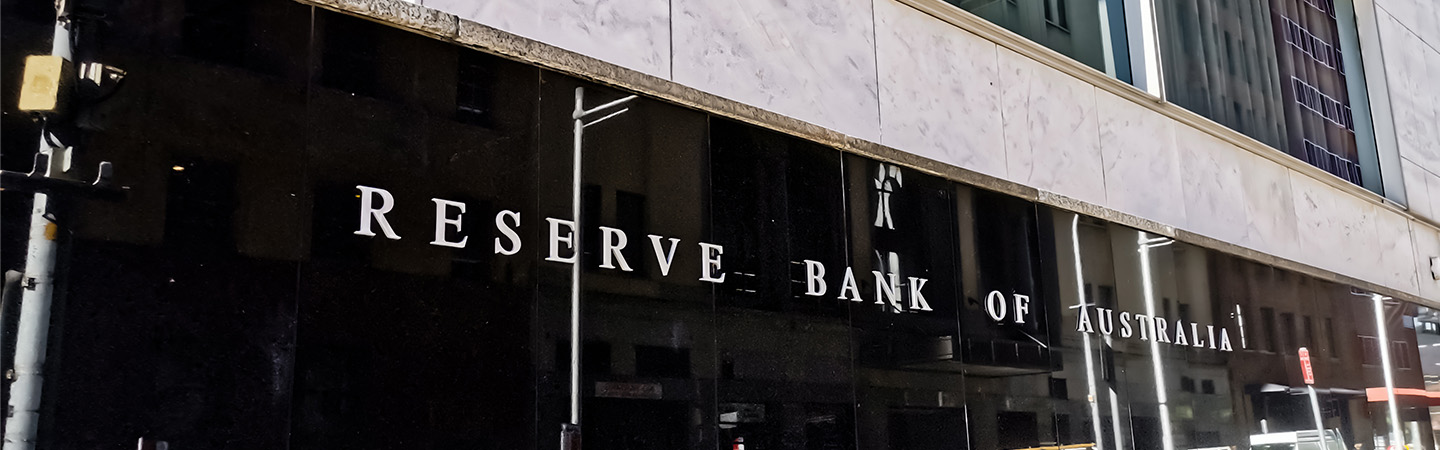
Debate over Australia’s card surcharge ban is intensifying. While the RBA has cut interchange fee caps in a bid to lower payment costs for businesses, an RMIT expert warns that unless banks and payment providers pass on those savings, small businesses risk absorbing costs previously charged to customers. 

Professor Angel Zhong, School of Economics, Finance and Marketing:

“Banning surcharges removes a cost from the receipt, but not from the payments system. For businesses that relied on surcharging, the pressure on margins is real, and unless merchant fees genuinely fall, the burden simply shifts onto them. 

“Several payment service providers have trimmed their published merchant fees, but the cuts so far are modest, and some providers popular with small businesses haven’t announced changes to their published rates. 

“Many businesses are on negotiated or custom plans, so the actual effect on individual merchants may differ. We need data on pass-through, not list prices, to judge whether this reform is working. 

“The RBA expects payment providers to pass on the interchange savings to merchants, but it hasn’t mandated it. It is relying on transparency and competition instead. The first public pass-through figures from large providers are due in January, and if they fall short, the RBA has said it will consider further action. 

“Payment costs have to be paid by someone. Whether they sit with merchants, cardholders, or show up as less generous card rewards, they don’t disappear. Good policy should aim to lower total costs in the system, not just move them around. 

“The payments market is more diverse than many people realise. Small businesses use a mix of banks and non-bank providers, and pricing varies significantly between them. 

“That makes it worth small business owners checking their merchant statements, asking their provider whether their rate has changed since 1 October, and comparing alternatives. 

“The real test is simple: in six months, are small businesses paying less to accept cards than they were before 1 October? If not, the reform has redistributed costs rather than reduced them.” 

Professor Angel Zhong is currently the Deputy Dean (Research & Innovation) in the School of Economics, Finance and Marketing at RMIT University.  

***

General media enquiries: RMIT External Affairs and Media, 0439 704 077 or news@rmit.edu.au

Share

Share

Related News

aboriginal flag float-starttorres strait flag float-start

Acknowledgement of Country

RMIT University acknowledges the people of the Woi wurrung and Boon wurrung language groups of the eastern Kulin Nation on whose unceded lands we conduct the business of the University. RMIT University respectfully acknowledges their Ancestors and Elders, past and present. RMIT also acknowledges the Traditional Custodians and their Ancestors of the lands and waters across Australia where we conduct our business - Artwork 'Sentient' by Hollie Johnson, Gunaikurnai and Monero Ngarigo.

More information