

Is it time to re-think GST?
The Grattan Institute has called for GST to be raised from 10% to 15% to help ease Australia's debt. An RMIT expert unpacks this proposal, which could generate up to $76 billion a year and unlock income tax savings, according to the think tank’s research.

Digital duty of care laws must not come at the expense of access to information
The Australian government's proposed digital duty of care is an important step towards tackling online harms against women and girls, but there is a risk that platforms could over-censor legitimate information. An RMIT expert says policymakers and regulators must ensure that access to information on drug and sex education is protected.

Small businesses need AI support, not awareness
Australian small and medium-sized businesses are already embracing AI, but many lack the time, expertise and support to embed it across their operations. RMIT experts discuss the barriers to AI adoption and what governments can do to help.
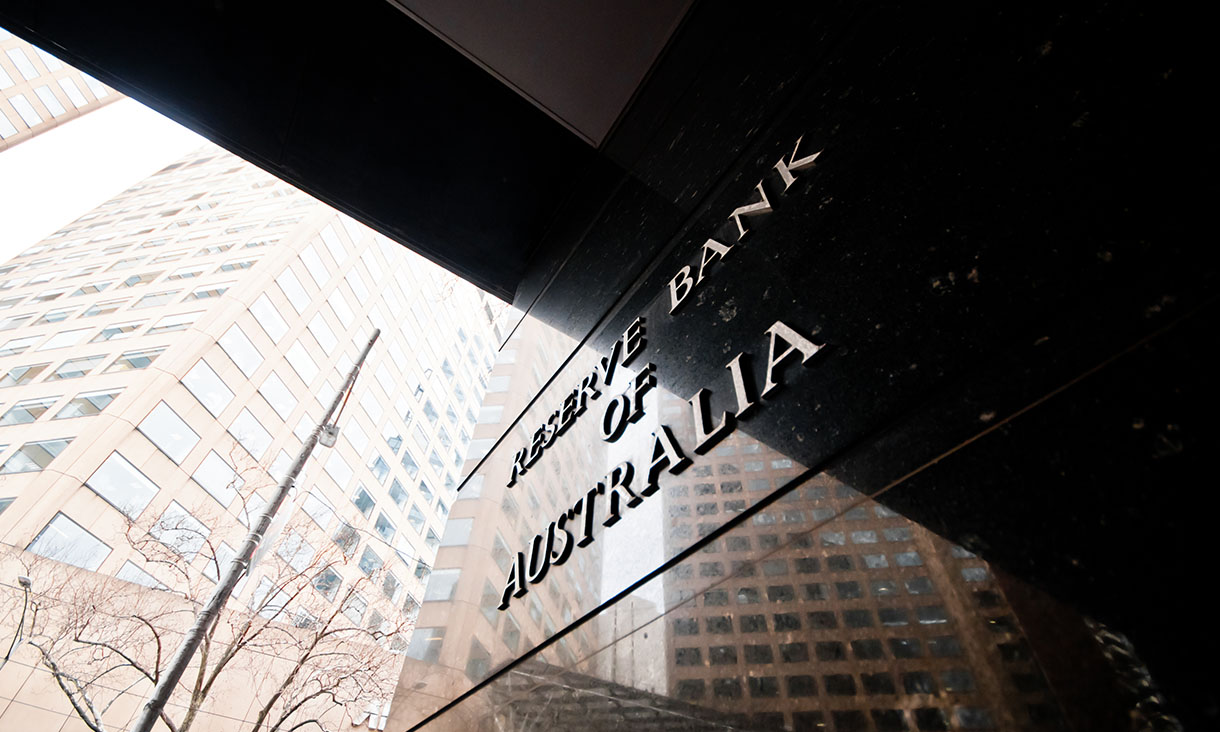
Who is left to foot the bill following Australia’s card surcharge ban?
Debate over Australia’s card surcharge ban is intensifying. While the RBA has cut interchange fee caps in a bid to lower payment costs for businesses, an RMIT expert warns that unless banks and payment providers pass on those savings, small businesses risk absorbing costs previously charged to customers.



