

Small businesses need AI support, not awareness
Australian small and medium-sized businesses are already embracing AI, but many lack the time, expertise and support to embed it across their operations. RMIT experts discuss the barriers to AI adoption and what governments can do to help.
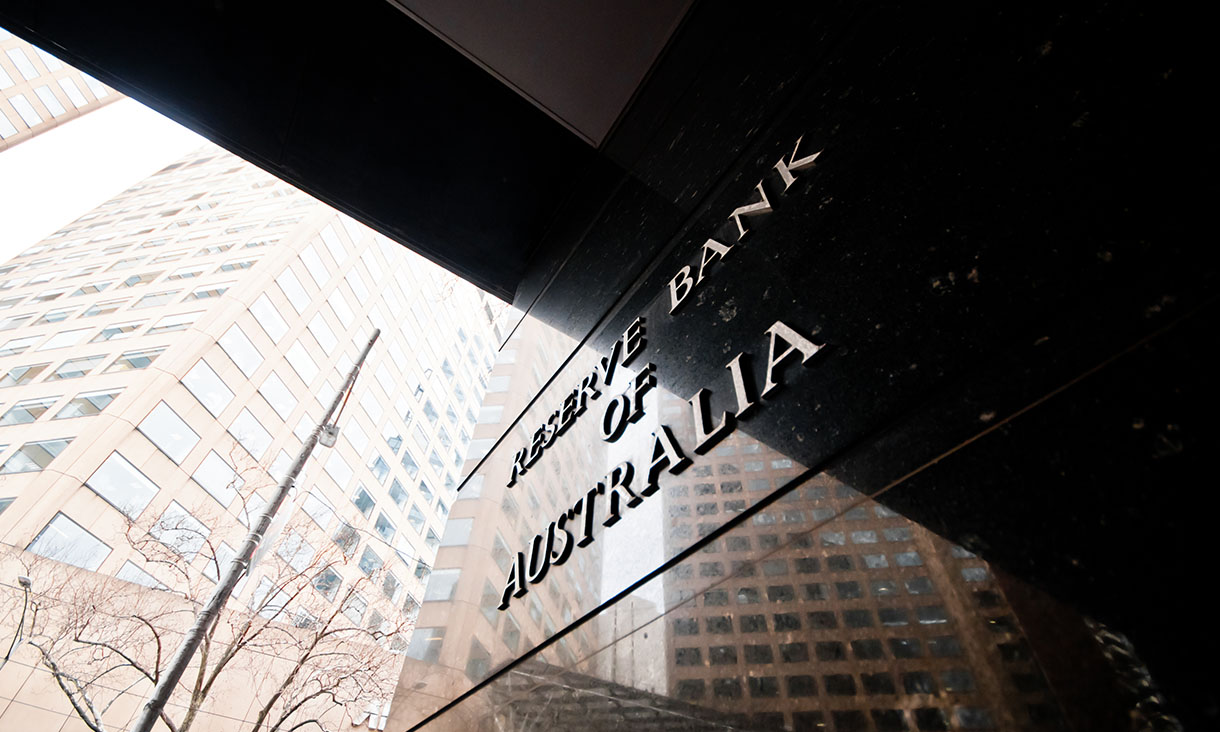
Who is left to foot the bill following Australia’s card surcharge ban?
Debate over Australia’s card surcharge ban is intensifying. While the RBA has cut interchange fee caps in a bid to lower payment costs for businesses, an RMIT expert warns that unless banks and payment providers pass on those savings, small businesses risk absorbing costs previously charged to customers.

Why algorithm reform should be central to Labor’s Digital Duty of Care bill
As Labor prepares to introduce its Digital Duty of Care legislation this week, concerns are growing over algorithms exposing young people to harmful online content. An RMIT expert explains why platforms prioritise polarising content for profit and why greater user control is needed.

Cash is back as we head into sales season
Australia's October 1 card surcharge ban is reshaping how consumers think about money and spending – especially heading into peak summer sales season. An RMIT expert explains the impact this could have on how consumers approach spending.



