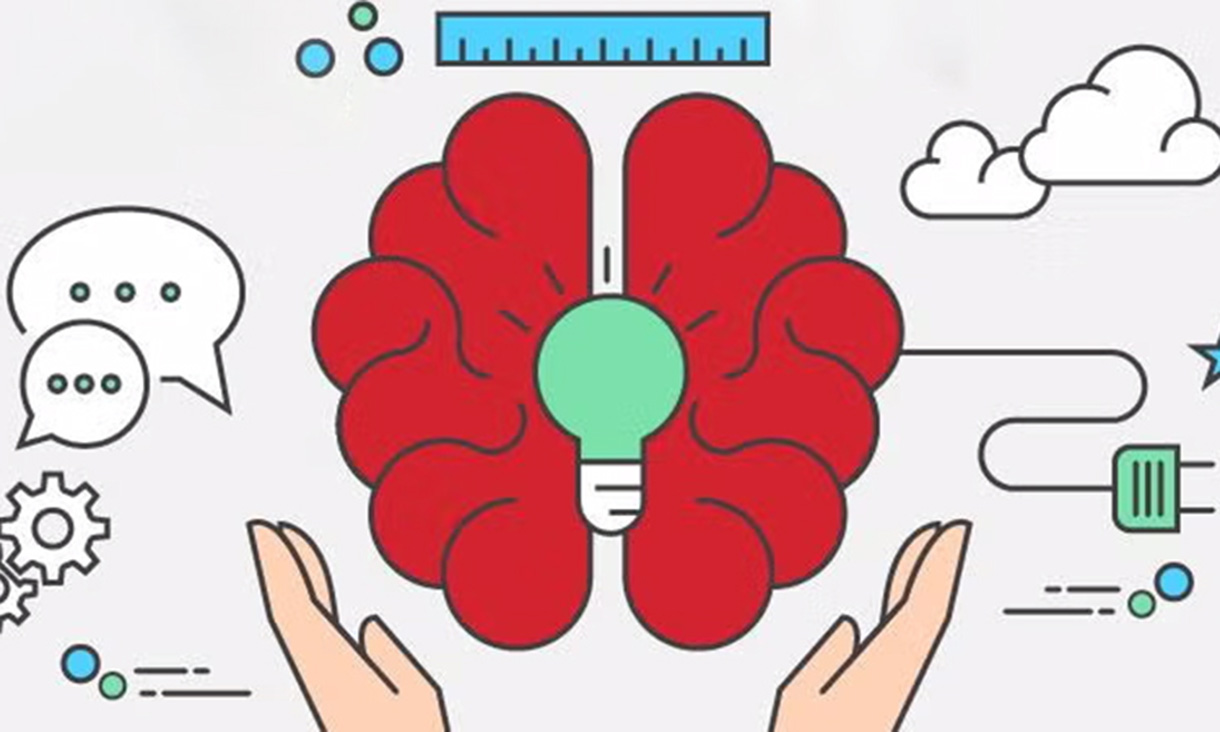
What is design thinking?
In the past, some companies had the ethos of ‘design it, and they [customers] will come’. As the business landscape has become more competitive, companies have had to place greater consideration of customers’ needs and requirements.
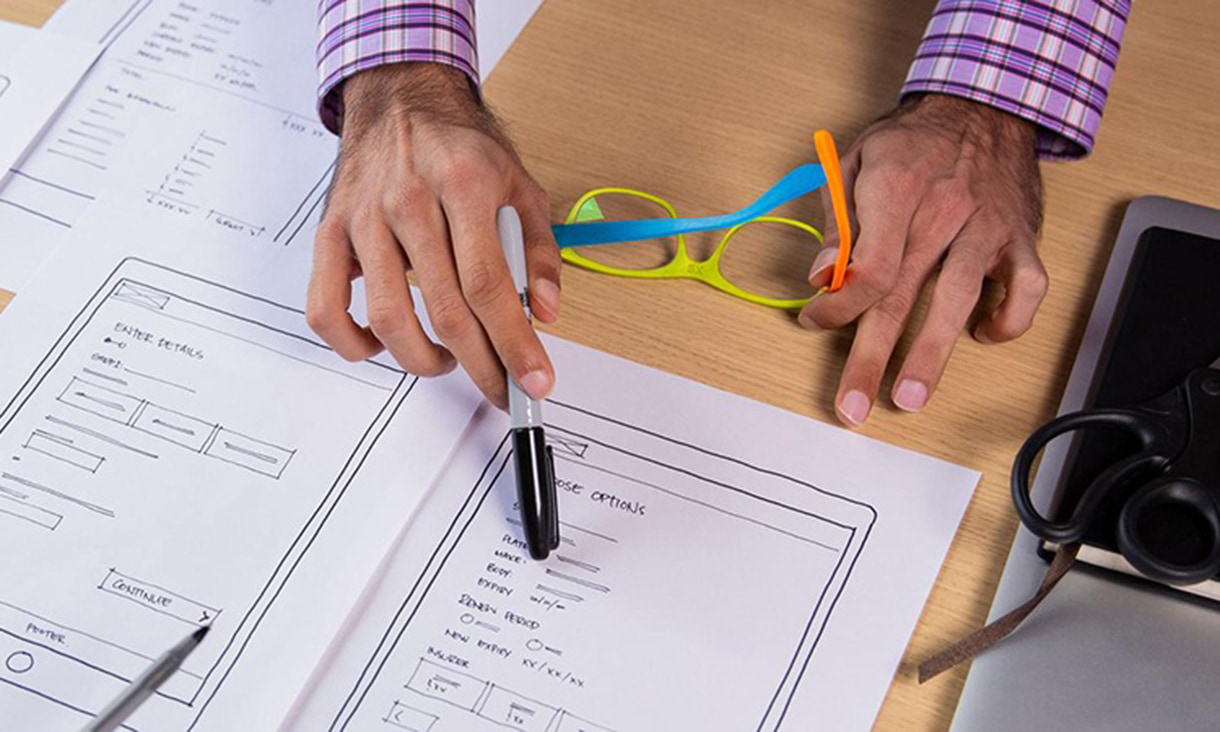
Why UX design is so important for business
UX measures how a consumer feels when interacting with a system. It’s the art, and science, of trying to fulfil the user’s needs.
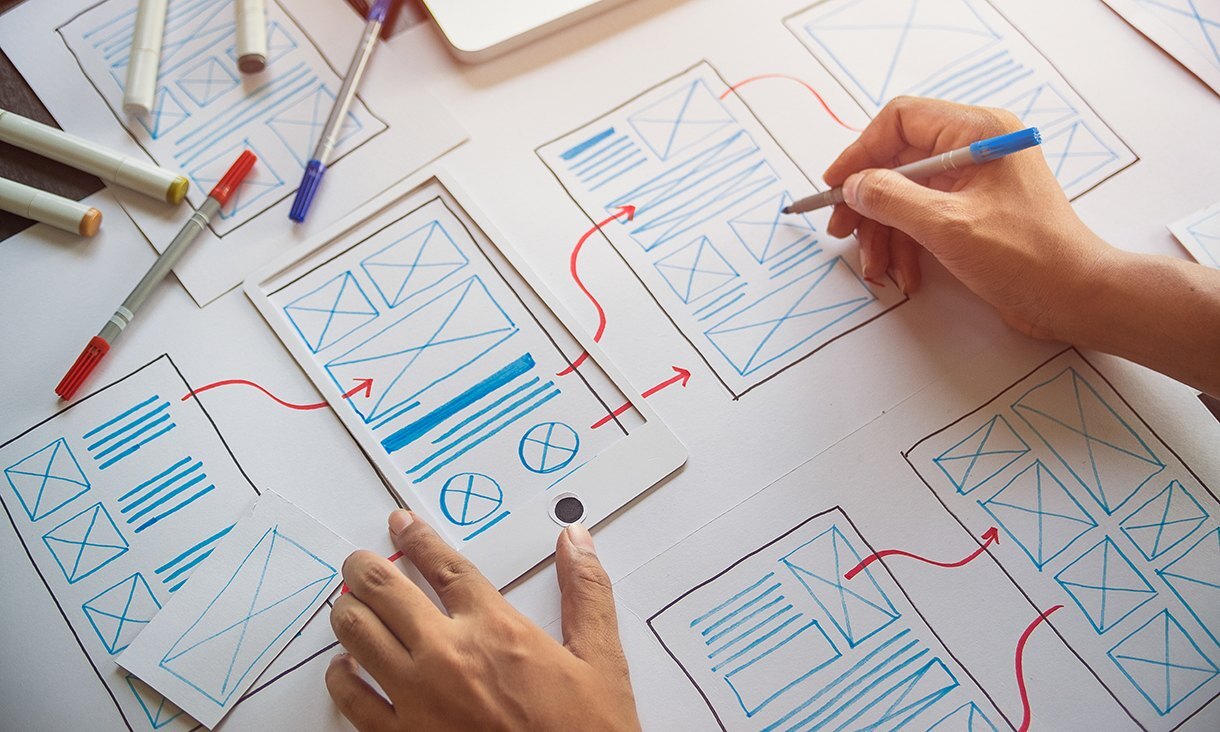
A Day in the Life of a UX Designer (When the Clock’s Ticking)
You’ve just kicked off a new UX program of work. Big client. Big goals. And a whole lot to figure out. Expectations are high, you need to show momentum and value in a matter of days or weeks (not months). Where do you even start?

How can graphic designers prepare for the rise of AI?
The beautiful writing is on the wall for graphic designers: adapt or fall behind.



