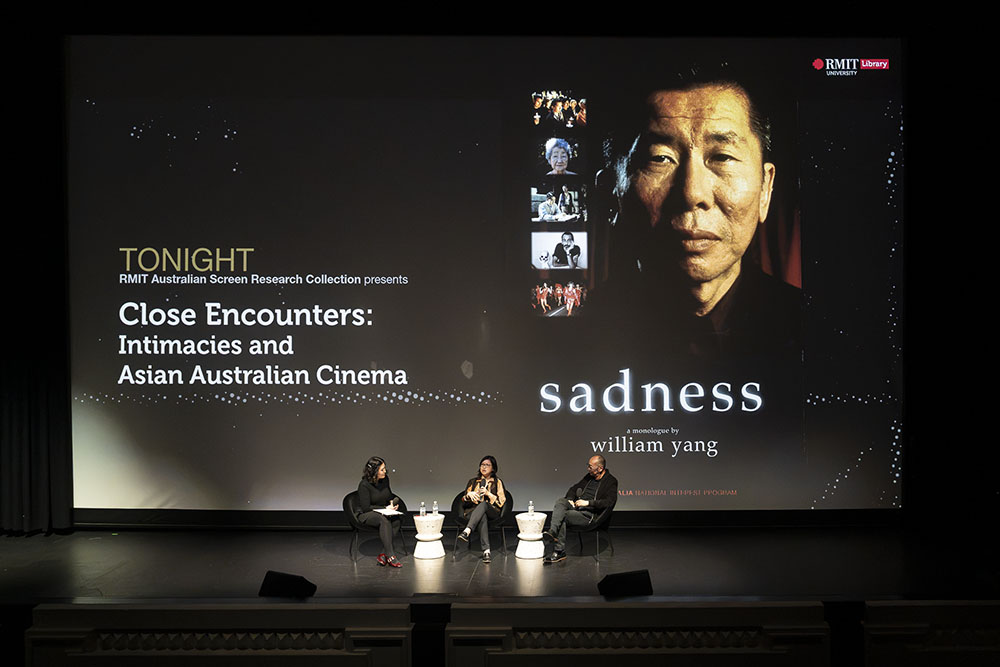
Held at The Capitol on Swanston, the event explored Asian Australian screen culture and the ways film can speak to the experiences of migration, identity, belonging, family and loss. Do's research examines Asian-Indigenous relations in Australia and considers how these relationships have been presented, as well as what these representations reveal about the tensions and complexities within multicultural societies.
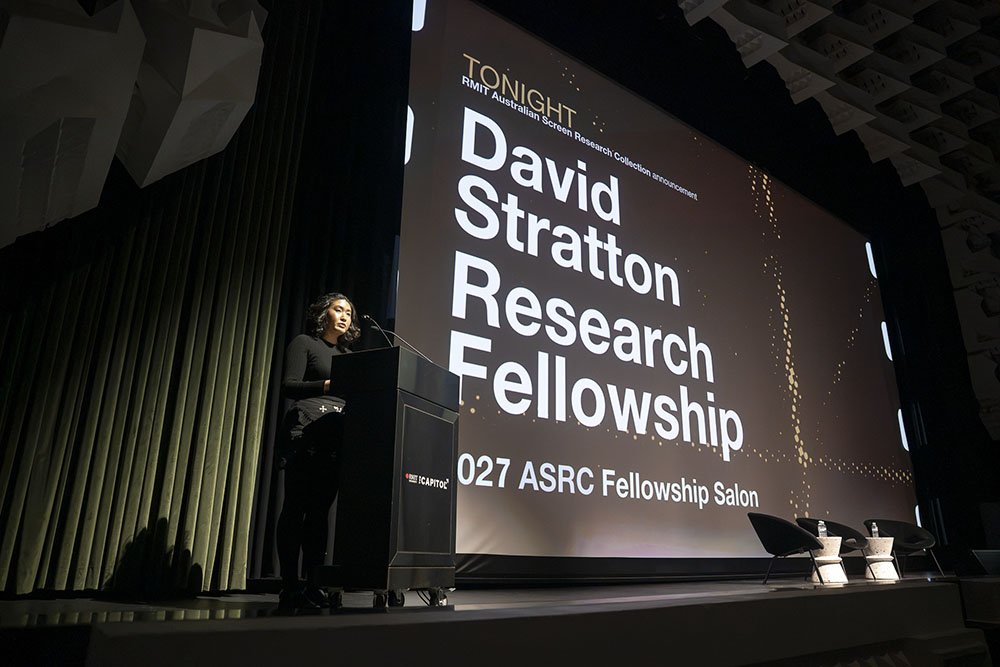
After opening the event with an Acknowledgement of Country in both English and Vietnamese, Dr Scarlette Nhi Do reflected on what brought her to this field of study and her assessment of Australia’s ambivalence to racial relations:
“I used the word ‘ambivalence’ because, to paraphrase cultural studies scholar Ien Ang, Asians exist in the grey zone of inclusion and exclusion. They are the minority subjects that white [Australians] ‘symbolically embrace’ precisely because of their seemingly containable Otherness. Asians in Australia exemplify that manageable difference that spices up white society.”
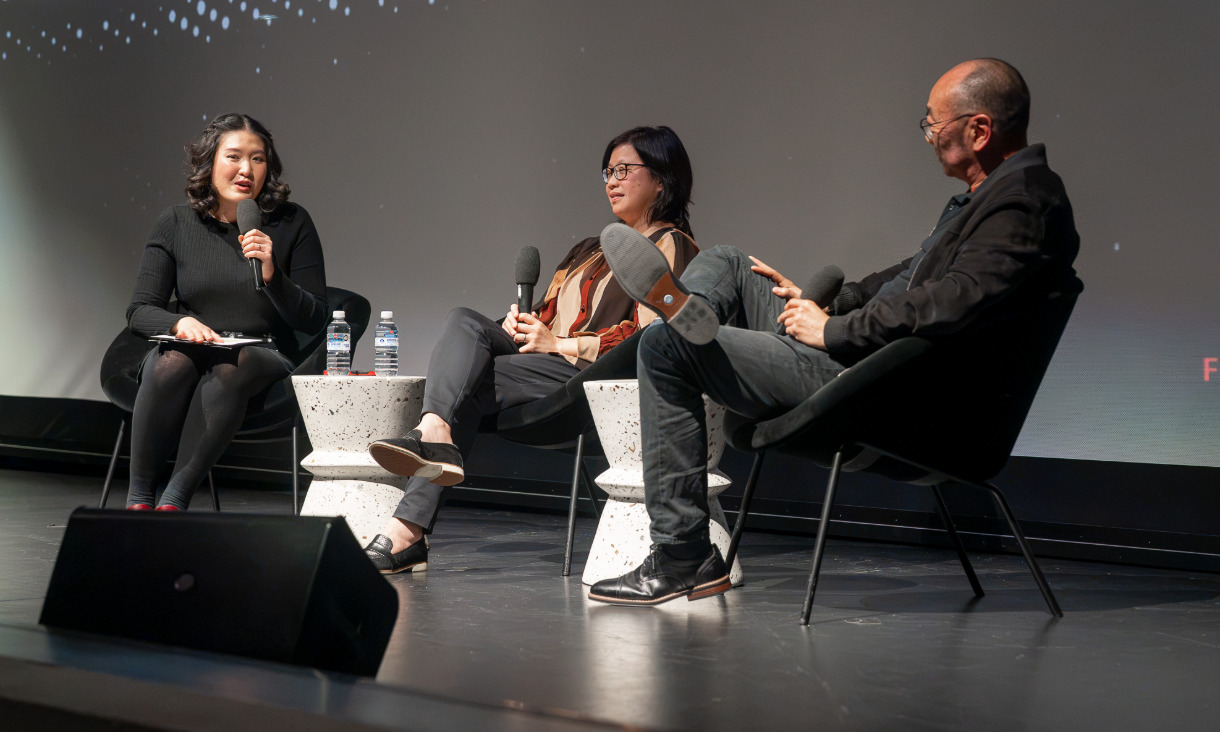
She concluded her opening remarks by highlighting how the other guests, director Tony Ayres and professor Olivia Khoo, had guided her scholarship.
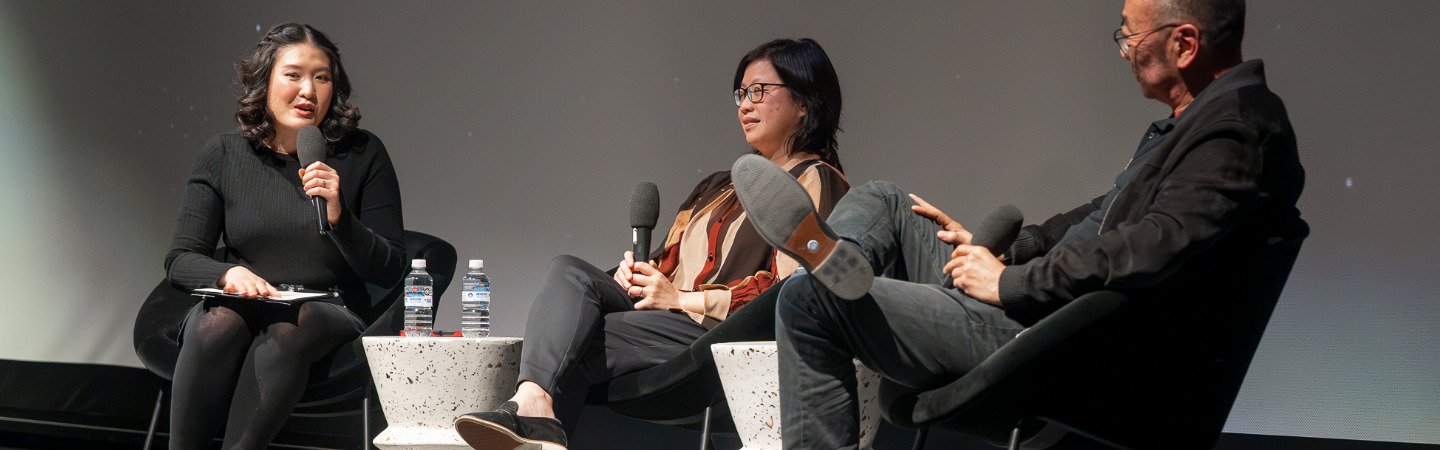
The three presenters then engaged in a fascinating discussion on their expertise in scholarship, filmmaking and decades of engagement with Asian stories and experiences in this country. Together they considered how research and creative practice can inform one another and open up new ways of seeing. Ayres then briefly recounted how he had seen William Yang’s play with his partner, and it had so impacted him that he knew he needed to bring it to the screen.
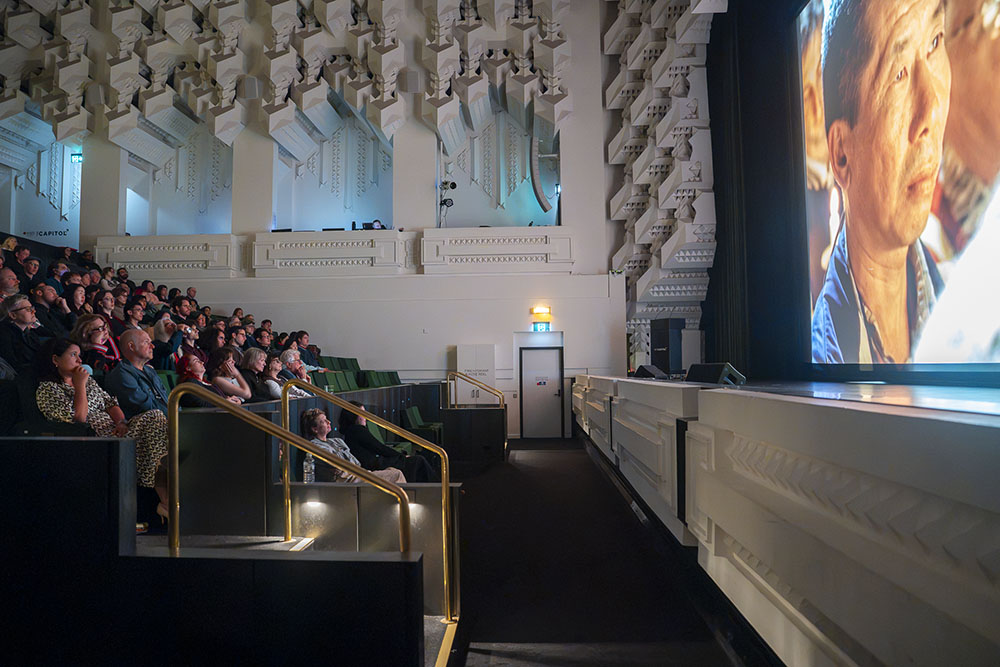
The evening concluded with a screening of Ayres' film, Sadness (1999) – the adaptation of Yang’s one-man stage show of the same name. The film follows Yang's investigation of his Chinese heritage and his experience living through the HIV epidemic of the 1980s and 90s. While the film does not shy away from the pain and tragedy for Yang and others in the gay community during this time period, both heartwarming and humorous elements are deftly woven throughout to present the full dimension of Yang’s story for the viewer.
RMIT users can watch the film through their Library access.
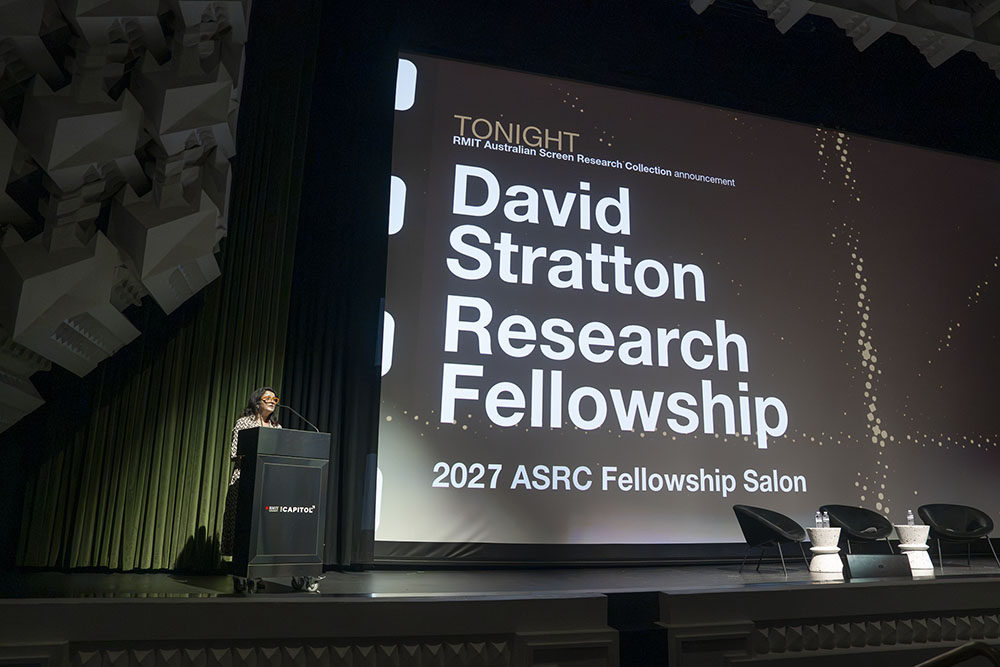
The Close Encounters event also marked an important moment for the RMIT Australian Screen Research Collection (ASRC): the announcement that next year’s fellowship has been renamed the David Stratton Screen Research Fellowship. This name honours Stratton's significant contribution to Australian screen culture as a film historian, critic and advocate. It also recognises the Stratton family's decision to make a permanent home for his personal archive in the ASRC. Read more about that decision.