Clarke’s work is widely acclaimed. She has exhibited extensively, was the first living Aboriginal artist to present a solo exhibition at the National Gallery of Victoria, and her artwork now features across all five of Melbourne’s new Metro Tunnel stations.
Recognising the significance of this award, Clarke said, "To have nearly four decades of my career acknowledged by RMIT is hugely significant. I’m one of 11 children and to be the first person in my family to receive anything remotely like this is a huge honour."
Her contribution signals not only the importance of these practices to First Nations people, but also to the cultural fabric of Australia.
"This recognition helps ensure that the next generation, Aboriginal and non-Aboriginal people, understand the importance of respecting, valuing, and sustaining First Peoples’ knowledge systems," she said.
Clarke also acknowledged that collaboration is at the core of her work.
"None of this work is done alone. It is always with community."
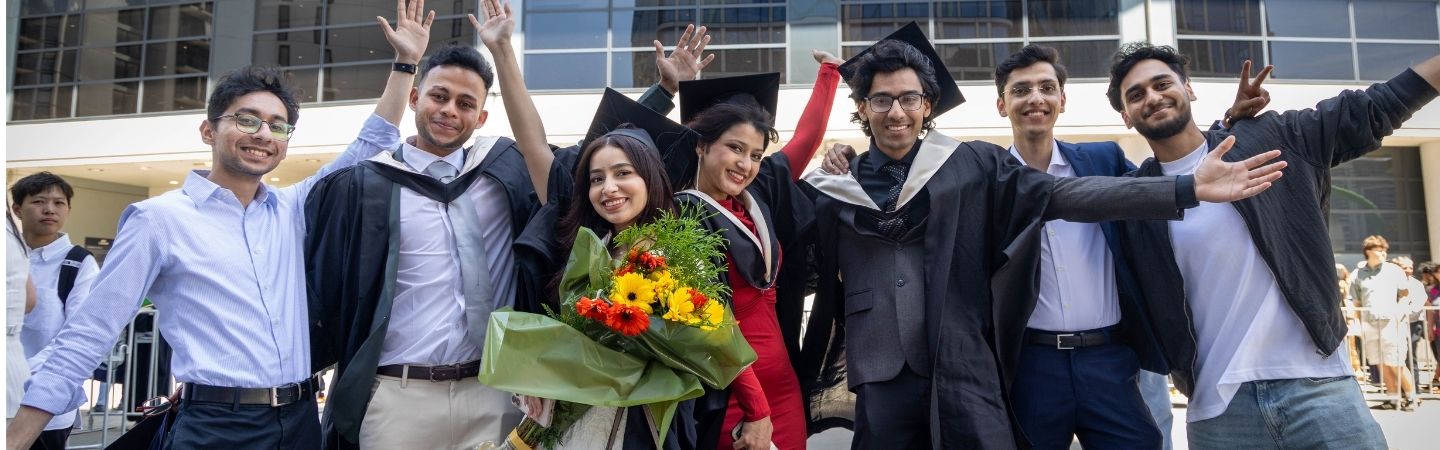
In her message to graduating students, Clarke told the class of 2025 to think big, and to see the impact art can have.
"I would encourage you to dream as big as you can dream and to be bold, to listen deeply, and to see art not only as something to be exhibited, but as a powerful tool for connection, for truth-telling, and for change."
RMIT celebrates Maree Clarke’s extraordinary achievements, recognising her as an inspiration to the university community and beyond. Clarke’s lifelong commitment to respect, care and creativity exemplifies the spirit of reconciliation and cultural renewal, and her work will continue to impact generations to come.
Professor Tim Marshall, Deputy Vice-Chancellor and President, RMIT College of Design and Social Context, said RMIT was proud to recognise Clarke’s achievements with this honour.
"We are incredibly proud to welcome Maree Clarke back to RMIT’s artistic community.
"Maree’s extraordinary contribution to First Nations cultural reclamation has been transformative to the cultural tapestry of Melbourne/Naarm, not only in preserving and revitalising traditional knowledge and practices in collaboration with her community, but in rendering them visible within and outside the gallery context.
"Her landmark public artworks ensure First Nations voices have prominent expression in our shared urban landscape."