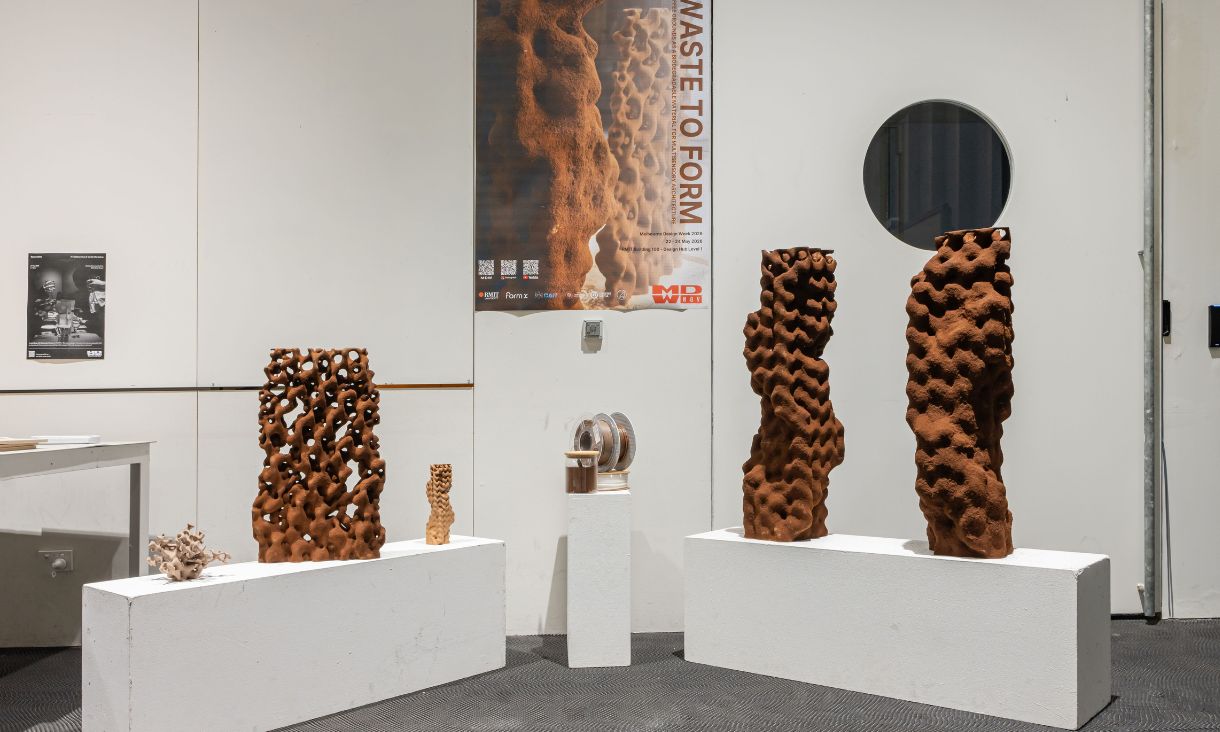
Turning coffee waste into 3D-printed architectural forms
RMIT researchers have turned coffee waste into 3D-printed architectural forms, opening a potential pathway towards more sustainable, low-carbon construction. The project brings together scientific, architectural and engineering expertise.
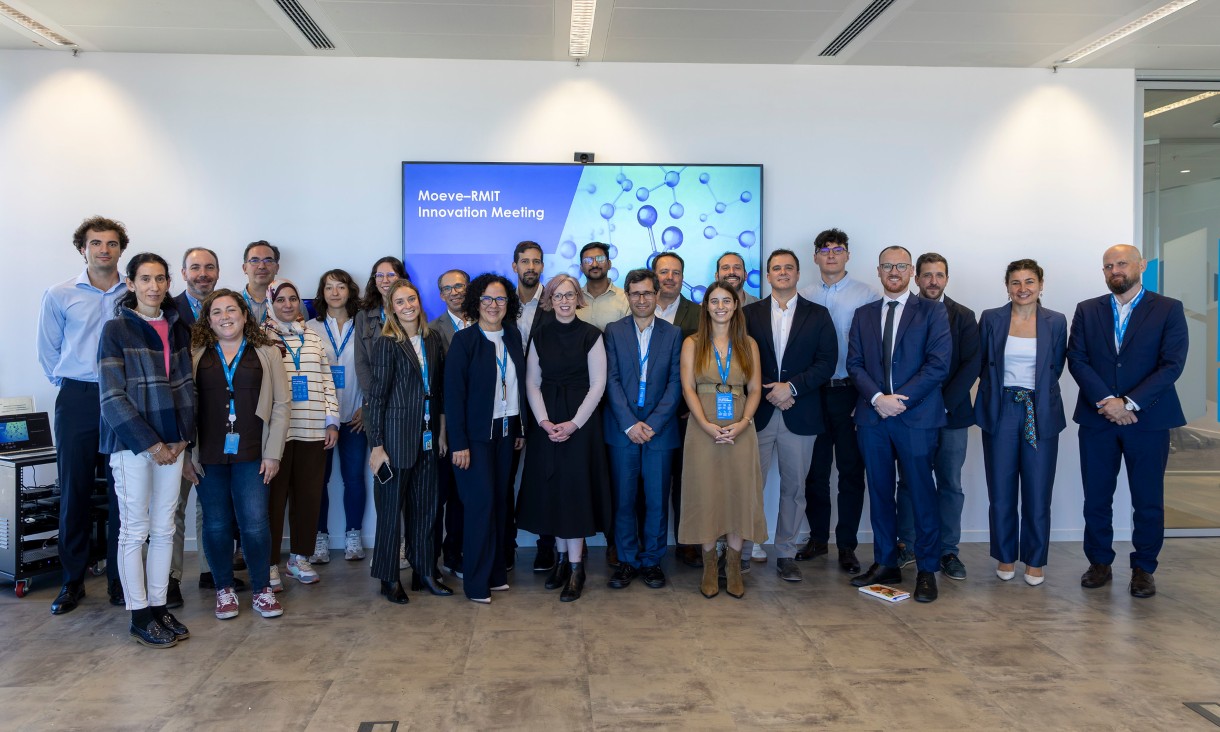
RMIT and Moeve advance their collaboration to support energy transition
The partners marked a milestone event in Madrid, highlighting joint research activity and opportunities for future collaboration.
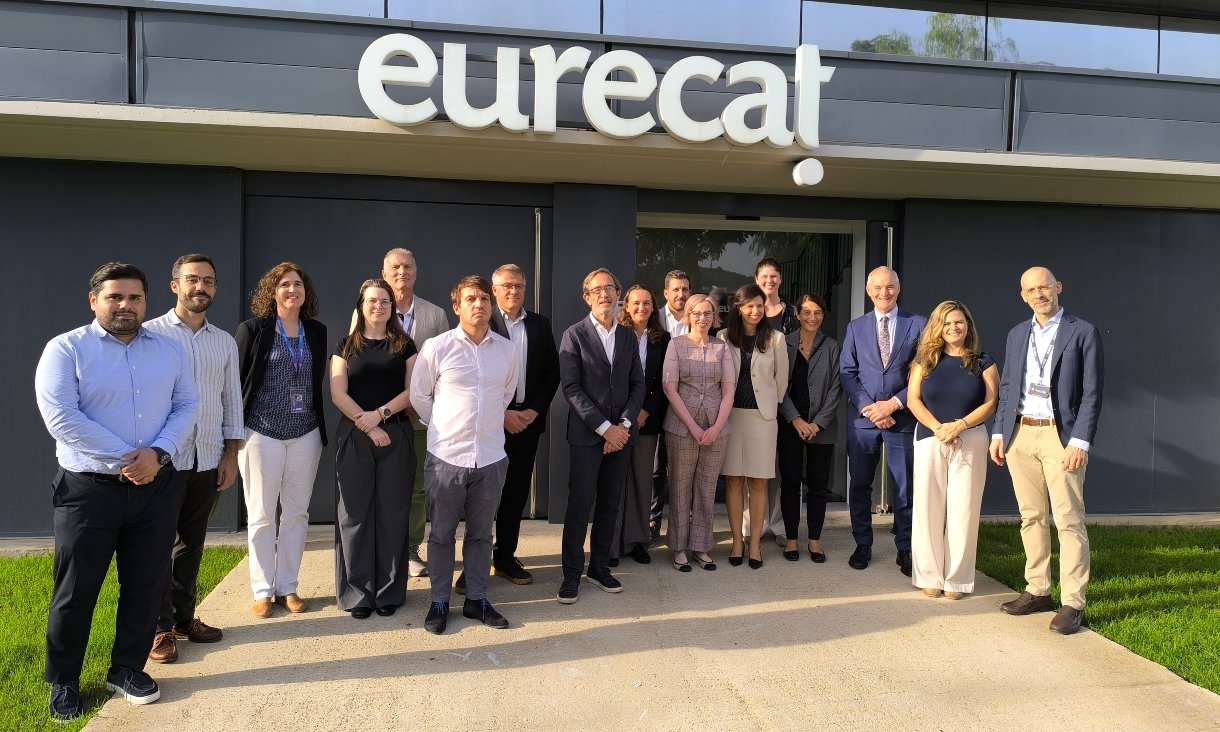
RMIT and Eurecat celebrate five years of impact in research and innovation
Since 2021, RMIT has partnered with Catalonia's leading technology centre on initiatives spanning doctoral training, industry engagement and collaborative research.
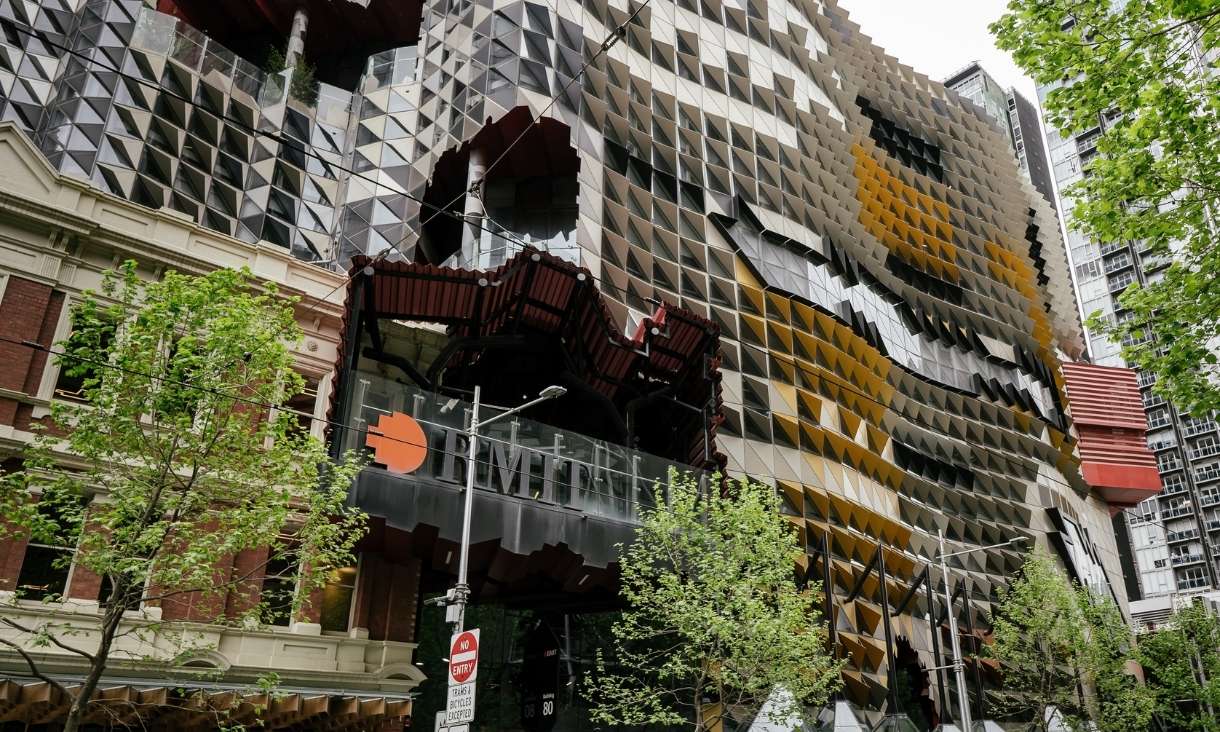
New RMIT microcredential training program to close the fire safety skills gap in Victoria's energy transition
RMIT will develop two new micro-credentials to equip fire safety engineers and building surveyors with the skills to assess and design for emerging fire risks from batteries, solar and other renewable energy systems, after securing funding in Round 3 of the Victorian Government's Skills Solutions Partnerships (SSP) program.



