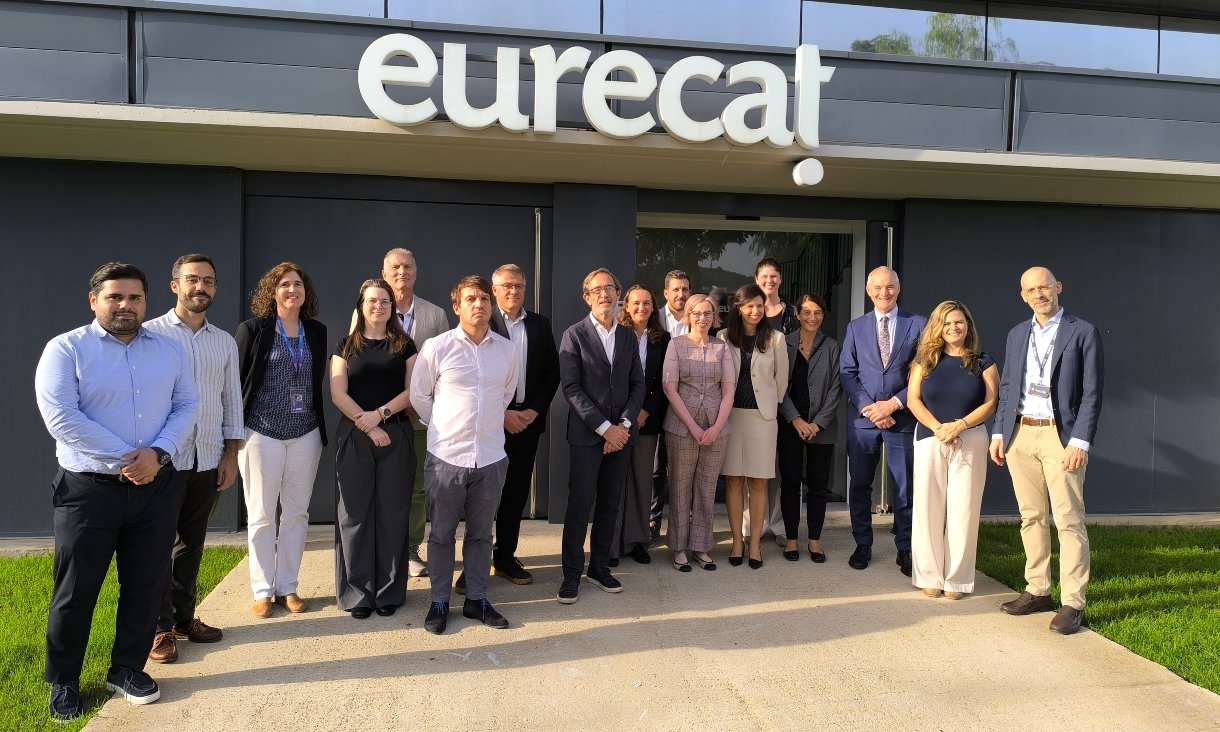
RMIT and Eurecat celebrate five years of impact in research and innovation
Since 2021, RMIT has partnered with Catalonia's leading technology centre on initiatives spanning doctoral training, industry engagement and collaborative research.

New RMIT microcredential training program to close the fire safety skills gap in Victoria's energy transition
RMIT will develop two new micro-credentials to equip fire safety engineers and building surveyors with the skills to assess and design for emerging fire risks from batteries, solar and other renewable energy systems, after securing funding in Round 3 of the Victorian Government's Skills Solutions Partnerships (SSP) program.
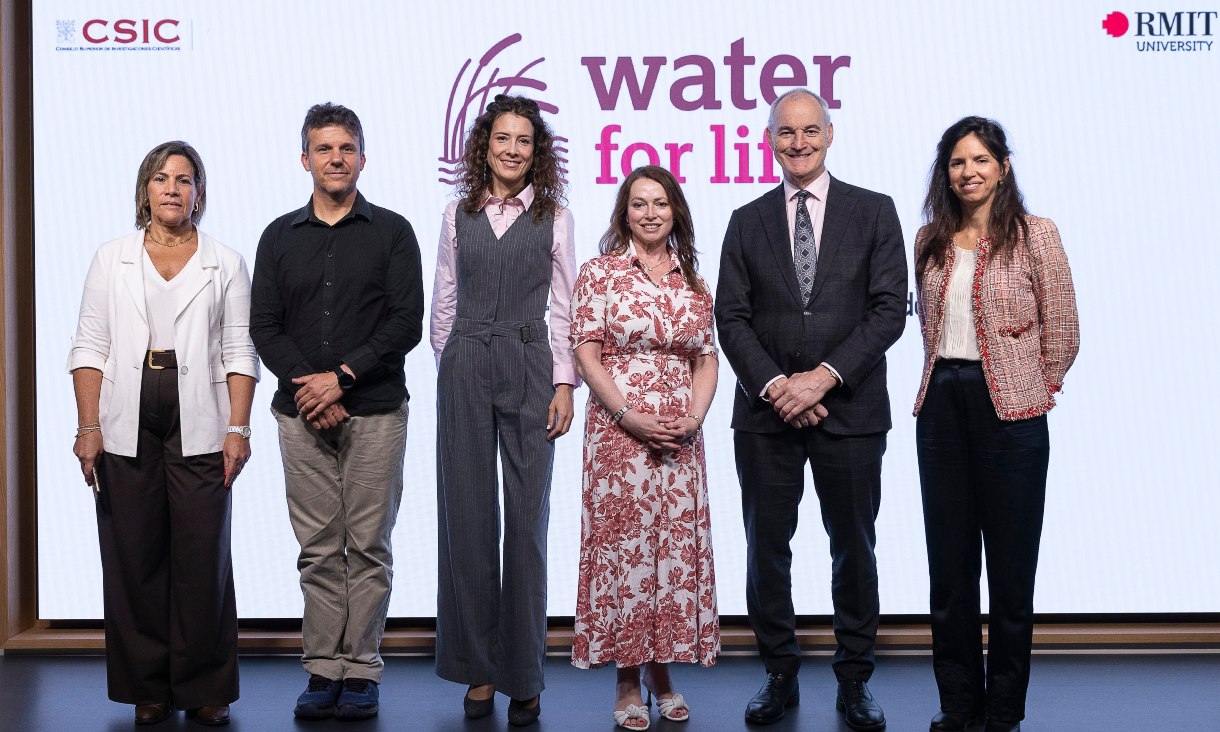
RMIT, AstraZeneca and IDAEA-CSIC join forces to investigate nature-based solutions to treat wastewater
The research collaboration will generate knowledge to inform more sustainable water management practices through nature-based solutions.
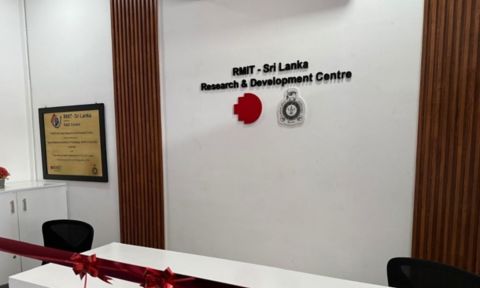
RMIT-Sri Lanka Research and Development Centre to drive transformative research and collaboration
RMIT has been granted a space within the Ministry of Higher Education in Sri Lanka to establish the RMIT-Sri Lanka Research and Development Centre, which was officially launched by the Prime Minister of Sri Lanka, Dr. Harini Amarasuriya last week.



