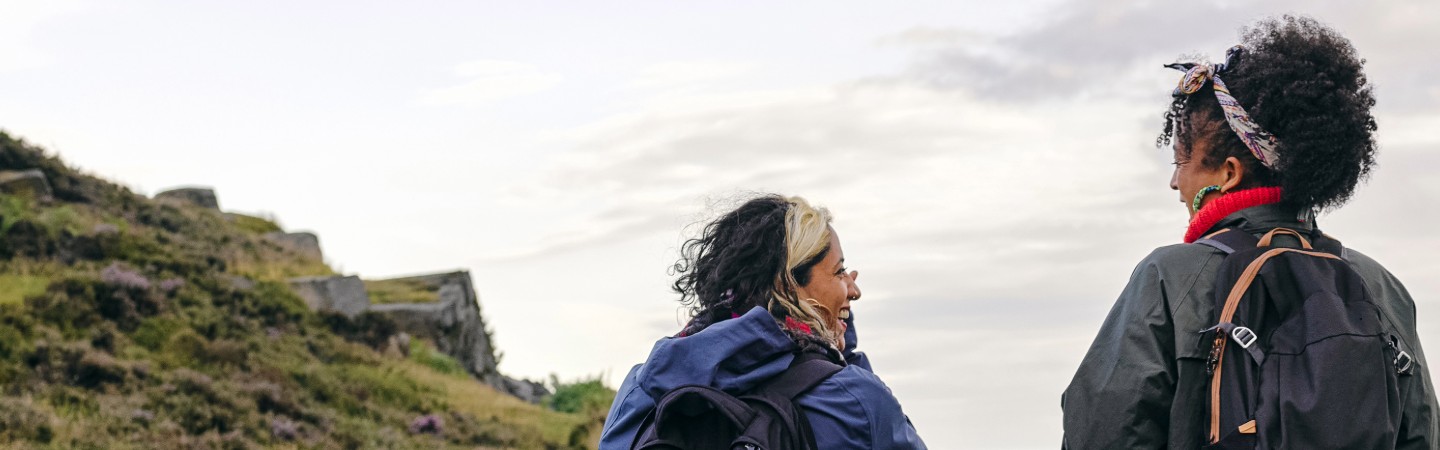
The research, titled "Social, Accessible, Fun, and Equitable" (SAFE), explored the challenges and benefits associated with outdoor participation, and found that outdoor activities significantly reduce feelings of isolation and foster a strong sense of belonging and connection within communities.
Lead researcher, Dr Ancy Gamage, said the findings shed a light on just how life-changing the impact of connecting through nature and activities could be, especially for CALD women who have had limited access to the Australian outdoors.
"Participation in outdoor activities empowers CALD women, providing them with opportunities to connect with their communities, share cultural experiences, and build confidence in an inclusive environment. This sense of belonging leads to positive interactions and stronger community ties, with some women going as far as leading outdoor activities within their communities," Dr Gamage said.
The study found that engaging in outdoor activities also improved physical and mental health, enhanced social connections, and created opportunities for cultural exchange, with activities helping to build confidence, facilitate educational experiences about Australia’s diverse landscapes, and encourage a greater sense of empowerment and inclusion.
For example, one participant shared their personal experience of connection through custom.
"Just sharing our background, also learning from another (Australian) nationality. We shared everything about our coffee ceremony...where we show them (the outdoor leaders) our culture," they said.
Other participants spoke about reduced anxiety through mindfulness in nature, and the joy of engaging in cultural events outdoors, which nurture a deeper sense of connection and belonging.
"Engaging in these activities breaks down barriers, helping CALD women embrace outdoor leisure and feel comfortable taking part. Importantly, it moves them away from the dominant perception of the outdoors being a white, masculine and able-bodied space," Dr Gamage said.
The research identified a range of actions for industry organisations to support CALD women to engage in outdoor spaces and activities, including:
- engaging community organisations to deliver culturally relevant outdoor activities
- supporting local equipment borrowing schemes, such as helmets
- providing multilingual signage and comprehensive safety information to be inclusive of a broader range of languages
- adapting existing outdoor activities to meet religious, cultural and practical needs of CALD women.
"By implementing community-based initiatives and supporting culturally relevant programming, we hope we can inspire greater participation and promote long-term community integration," Dr Gamage said.
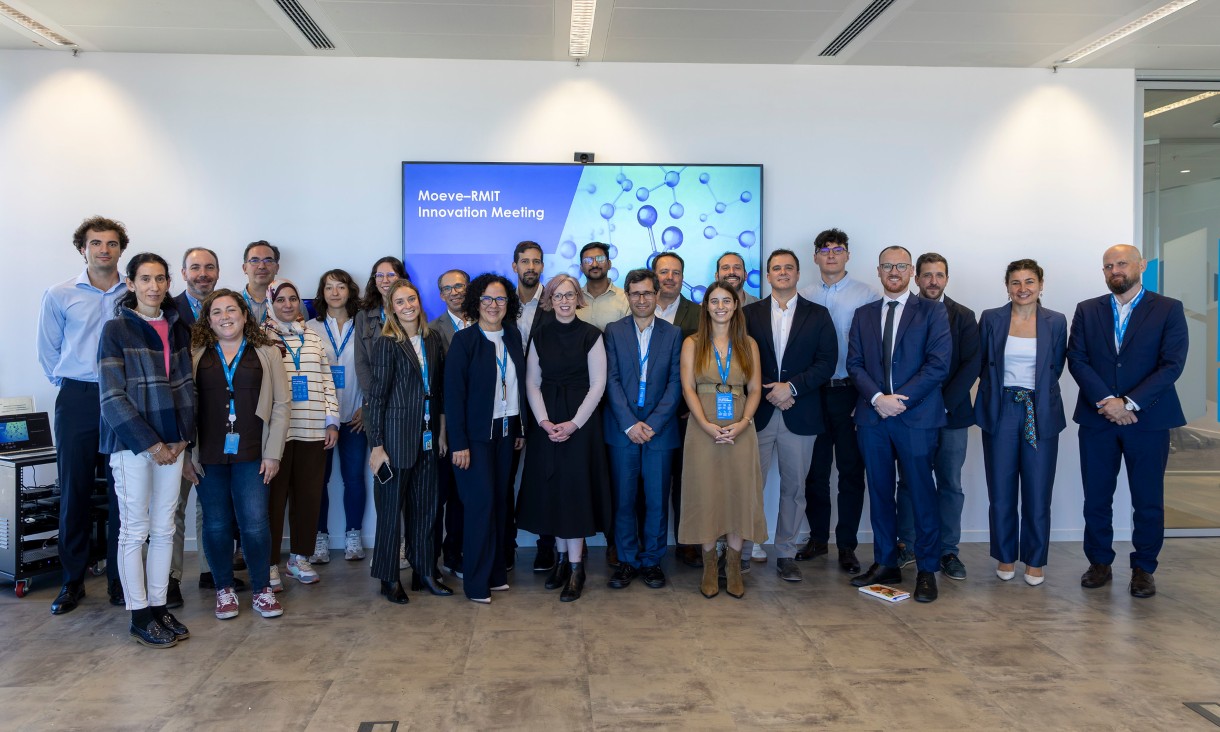
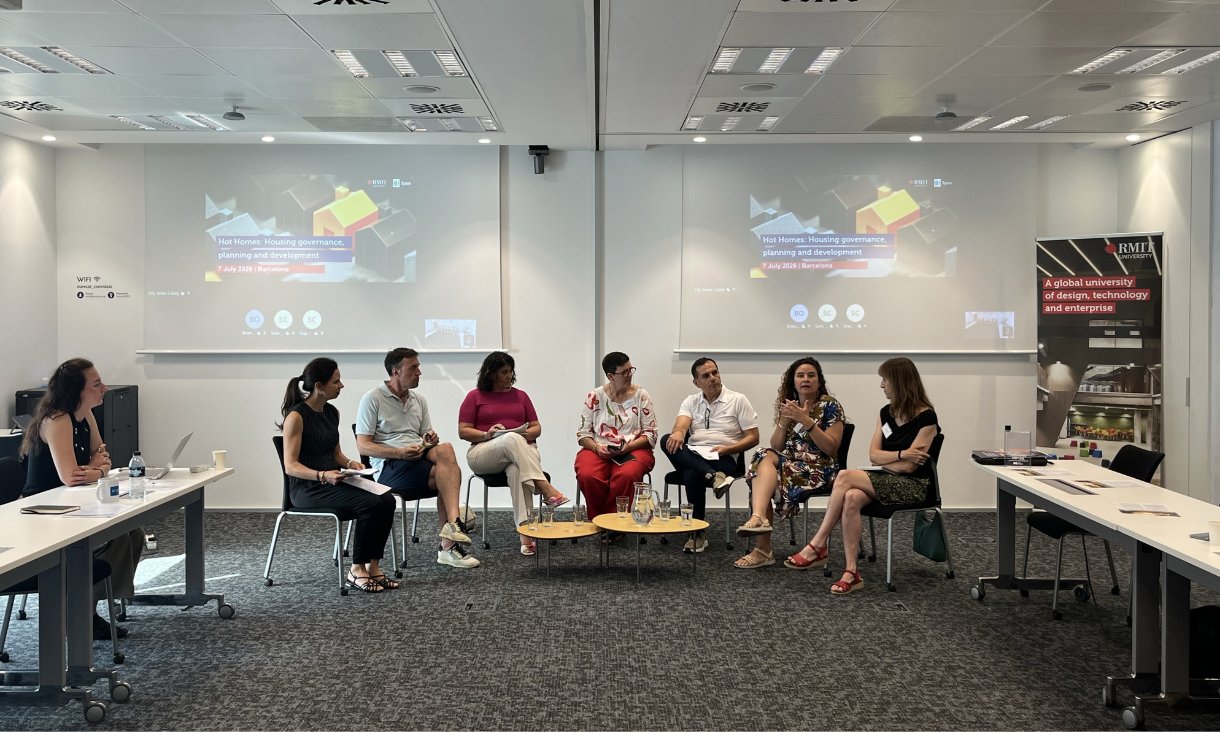
This research was funded by the Victorian Government, through the Change Our Game Research Grants Program, and undertaken by RMIT University in collaboration with Out Doors Inc.
Gamage, Ancy; Shahid, Sehrish; Sagheer, Sadaf (2025). Safe: Outdoor Participation by CALD women: research findings summary. RMIT University. (DOI:10.25439/rmt.30092950)