RMIT launches Living Places Plan to guide the future of its campuses

RMIT launches Living Places Plan to guide the future of its campuses

RMIT University has unveiled its Living Places Plan which guides how the University makes decisions about property and place.

Executive Director, Property Services Group, Seamus McCartney says the Living Places Plan reflects a distinctly RMIT way of thinking about city building, learning and place. 

"This is unlike anything that we would see for a traditional university master plan. It is not a fixed blueprint for a single future – it’s a living framework for the future we know we’ll need to adapt to."

Seamus McCartney

At the heart of the Living Places Plan is RMIT’s deep connection to Melbourne and the communities it serves. 

RMIT’s estate holds more than 67 hectares of land and close to 500,000 square metres of University‑owned space across its campuses which underscores the University’s enormous scale and presence across Melbourne comprising of around 110 buildings across multiple campuses and specialist sites that support a significant daily population of students, staff and community members. 

This extensive built environment is supported by RMIT’s Property Services Group, which is responsible for a $3.3 billion property portfolio, an operating budget of more than $80 million, and prospective capital projects exceeding $100 million per annum over the coming years across Melbourne and Vietnam. 

The scale of the Universitiy's estate highlights both the complexity and strategic importance of stewarding places that support learning, research, work and community engagement. 

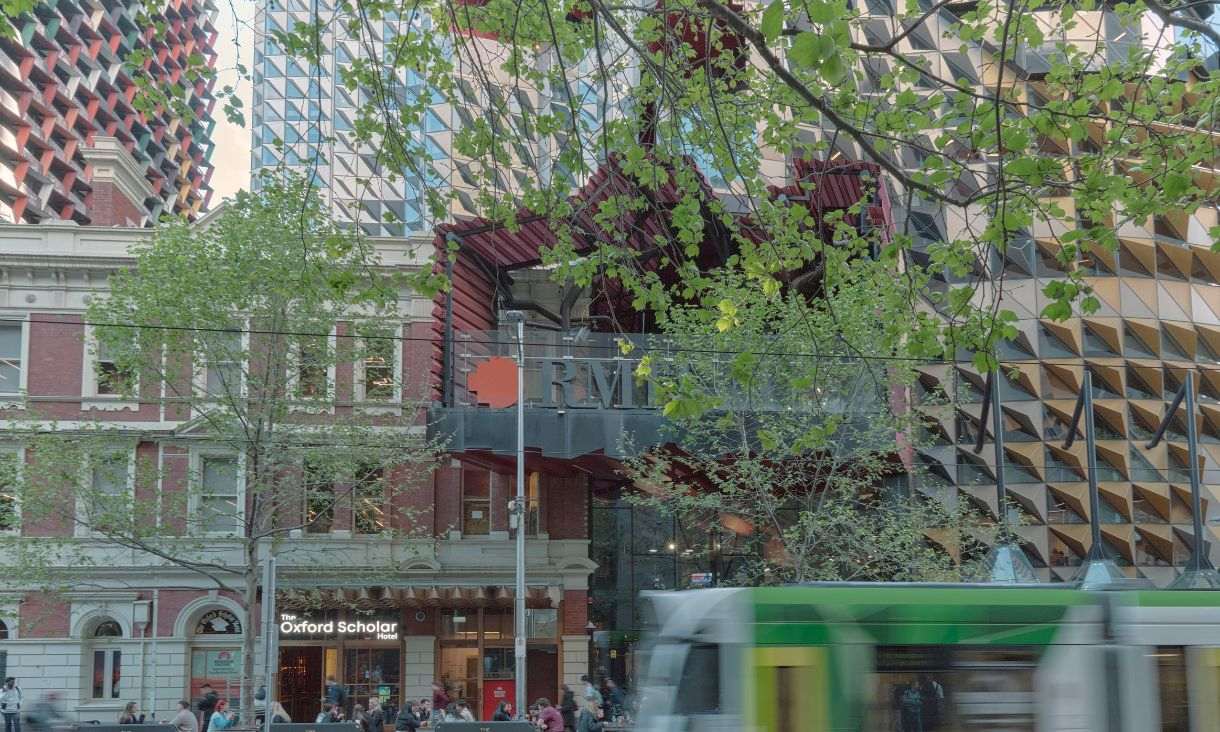
RMIT Building 80

The Living Places Plan has been shaped by contributions from experts across the University and will guide how the RMIT makes decisions about property and place.   

The Plan is elevating the University’s ambition for its future places by recognising its ongoing evolution, intrinsic relationship to place, and laying out the foundational vision and goals that seek to benefit the RMIT community and wider Melbourne, as well as RMIT’s broader global context. 

Grounded in RMIT’s Knowledge with Action strategy, the Plan guides how RMIT responds to changes in learning, work and technology, shaping how the University invests in, activates and evolves its campuses to support learning, teaching, research and partnerships.  

Seamus McCartney says the 'living' approach is about preparing RMIT’s campuses for ongoing change rather than planning for a certain future. 

"Universities – and the communities we serve – are operating in a period of unprecedented transformation within the tertiary sector, the city and the world," he said. 

"From sector uncertainty and affordability pressures to rapid advances in digital and AI technologies, climate imperatives and changing expectations for in‑person experiences, the way our campuses are used and experienced is evolving at speed. 

"What we need now aren’t rigid plans that assume a single outcome, but a flexible, principles‑led approach that allow us to respond, invest wisely and bring our strategy to life through place," said McCartney. 

A clear vision for RMIT’s future places

The Vision of the Living Places Plan is to inspire an inclusive, innovative and regeneratively sustainable future from the heart of Melbourne. 

The Plan’s Vision confirms the ambition for RMIT's future places – recognising the University's evolution, identifying its intrinsic relationship to place, and laying out the foundational goals that seek to benefit the RMIT community and wider Melbourne, as well as RMIT’s broader global context.  

This is the first of three distinct parts of the Plan. 

It is supported by a planning and decision-making Framework that translates the Vision into tangible place-making outcomes and Design principles and priorities that demonstrate how the Vision and Framework are applied to create inclusive, regenerative and purposeful places across the City, Brunswick, and Bundoora.  

Each part plays its role in ensuring decisions of all sizes contribute to a common direction and reinforce what makes RMIT distinctive as a place‑based university. 

Living Places Plan goals

The vision is supported by four goals that guide decisions and investments across RMIT’s City, Brunswick and Bundoora campuses. These include:  

  • Country, Place and Identity  
  • Community, Connection and Experience  
  • Applied Innovation and Knowledge  
  • Sustainability and Regenerative Futures  

Together, the Plan’s vision and goals ensure RMIT’s physical environment supports its core purpose to deliver applied, industry‑connected education, enable world‑class research, and create welcoming places where students, staff and community want to be. 

A physical stage for RMIT's Living Places Plan 

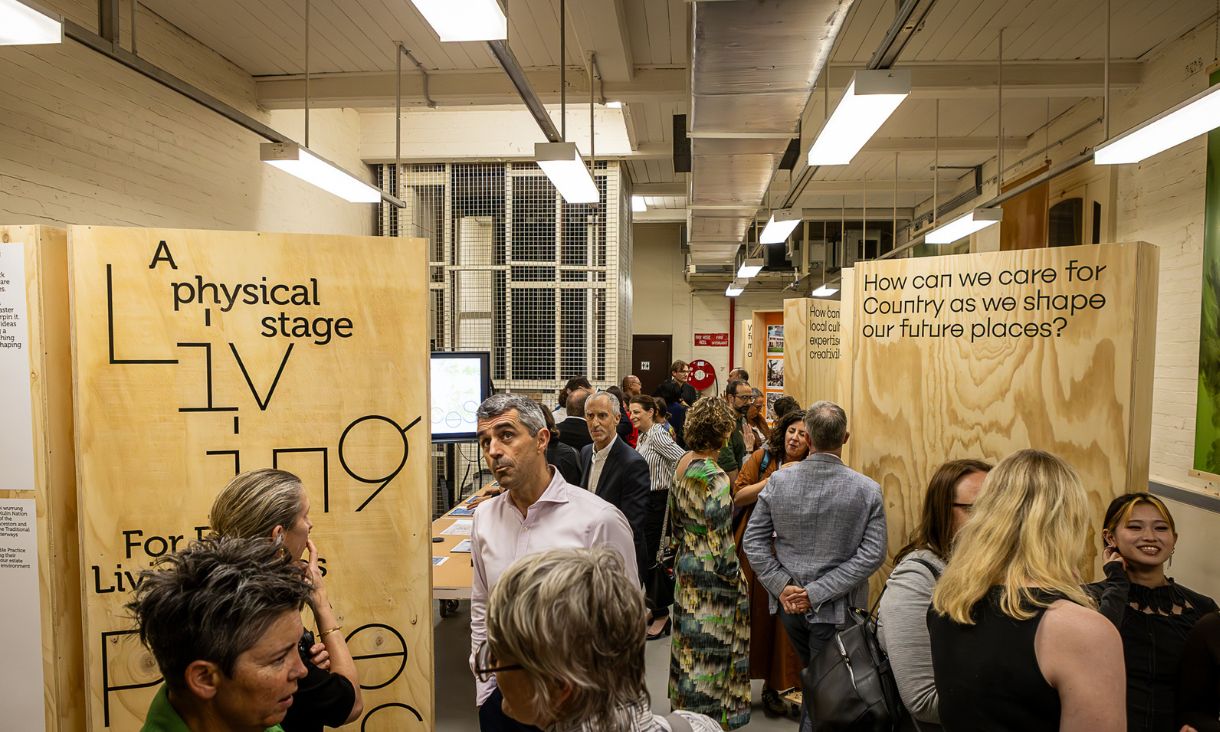
The Living Places Exchange in Building 42 brings the Plan to life, showcasing a rotating program of RMIT learning, teaching and research that demonstrates how the Plan’s goals are being explored and applied in practice. 

Featuring projects across design, sustainability, social innovation and engineering, the Exchange lifts the Plan off the page and highlights the role of applied knowledge in shaping places and creating positive community impact. 

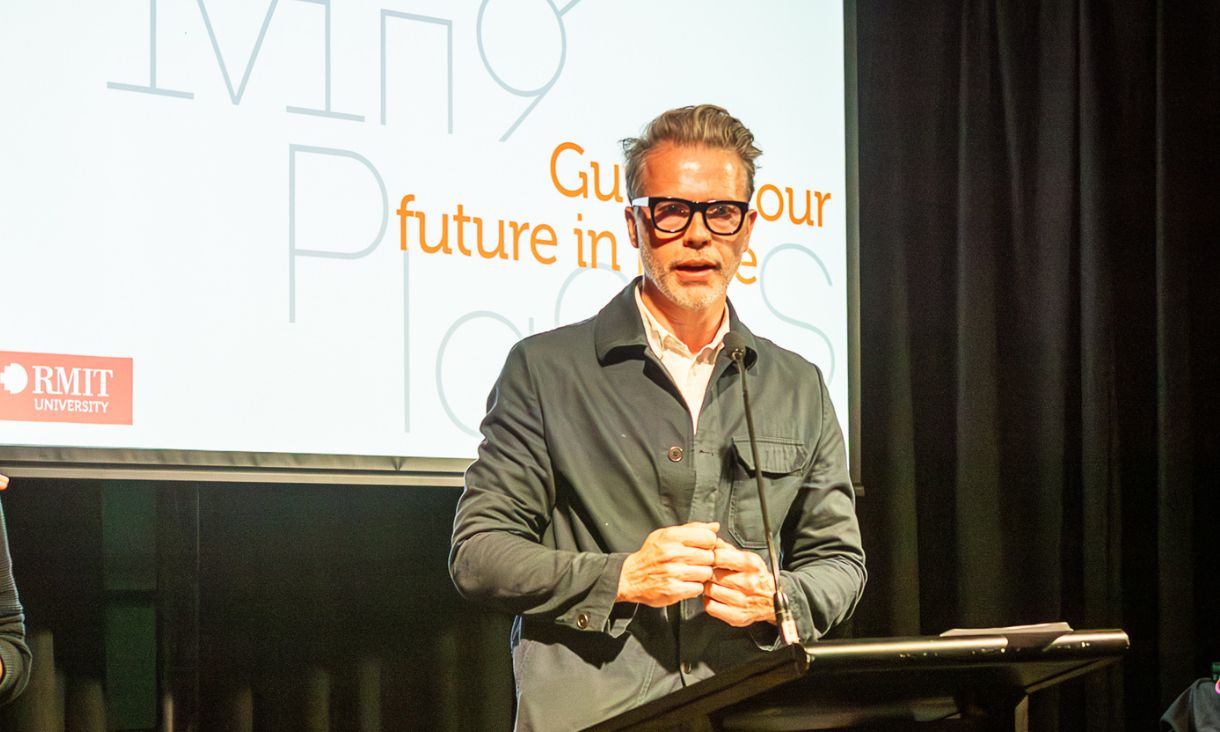
LPP launch event
What comes next

The first version of the Plan focuses on Melbourne, with future updates expected to extend its aspirations to RMIT’s international locations.  

By adopting a living, adaptive approach to place, RMIT is positioning its campuses not just as places for learning, teaching and research, but also as active contributors to an inclusive, innovative and regeneratively sustainable future. 

Read more about RMIT’s Living Places Plan and plan your visit to the Living Places Exchange

Share

Share

Related News

aboriginal flag float-starttorres strait flag float-start

Acknowledgement of Country

RMIT University acknowledges the people of the Woi wurrung and Boon wurrung language groups of the eastern Kulin Nation on whose unceded lands we conduct the business of the University. RMIT University respectfully acknowledges their Ancestors and Elders, past and present. RMIT also acknowledges the Traditional Custodians and their Ancestors of the lands and waters across Australia where we conduct our business - Artwork 'Sentient' by Hollie Johnson, Gunaikurnai and Monero Ngarigo.

More information