Innovative Work Integrated Learning (WIL) partnerships that place students at the centre of real-world, community-led practice have been recognised at the 2026 WIL Awards, presented at the WIL for Impact: Partnering for Scalable Practice conference in Adelaide on 19 October.
Local Hero Award: RMIT and Tangentyere Family Violence Prevention Division
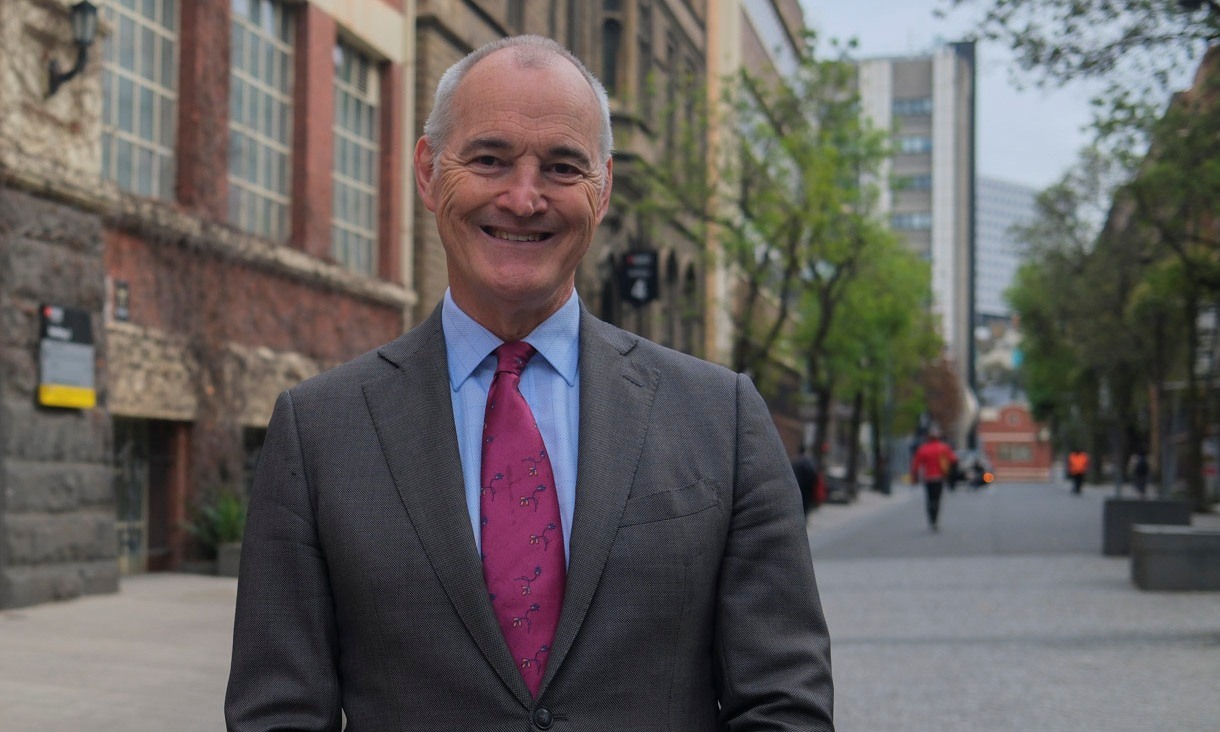
Professor Ronnie Egan, Field Education in Social Work and Human Services, RMIT and the Tangentyere Family Violence Prevention Division (TFVPD) were recognised with the Local Hero Award after more than a decade of commitment to student learning, community impact and innovative WIL.
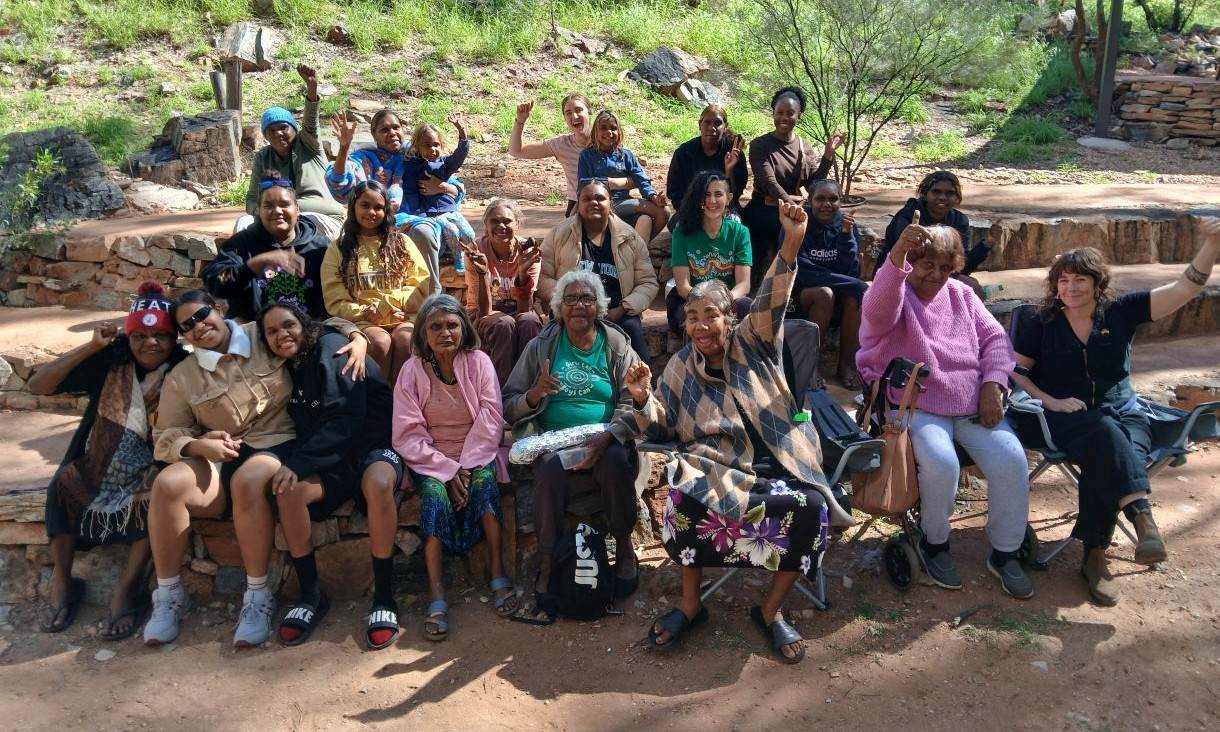
Since 2015, the partnership has given more than 80 social work students transformative placement experiences in Mparntwe/Alice Springs. Through TFVPD’s ‘two-way learning’ model, students learn alongside Aboriginal community leaders. They gain professional skills, cultural knowledge and practice experience while contributing to community-led domestic, family and sexual violence prevention initiatives.
“The transformative learning experiences that students gain from working alongside Aboriginal Community leaders reflects the strength of the partnership over more than a decade. It is an example of authentic partnership and demonstrates RMIT’s commitment to Responsible Practice, and the pathways it has created for graduates,” said Professor Ronnie Egan, Field Education in Social Work.
The recognition reflects TFVPD’s dedication to student development, its approach to embedding WIL in everyday practice, and the lasting employability outcomes of the program. Many RMIT graduates have gone on to build careers with TFVPD and other Aboriginal Community Controlled Organisations.
“Students provide a lot for us as a team, and we really value what they bring. By mid-placement they are doing work that is useful to the organisation and clients, bringing fresh energy and perspectives,” said Carmel (Darcie) Simpson, Tangentyere Family Violence Prevention Division.
The award also celebrates the leadership of the Tangentyere Women’s Family Safety Group and the broader Town Camp communities. Their generosity, knowledge sharing and commitment to two-way learning have created a distinctive model of student learning.
One RMIT Social Work student, Maggie, commented that TWFSG were incredibly generous in sharing their cultural knowledge. “From the very beginning of the placement I felt immersed in what it is like to work for an Aboriginal Community Controlled Organisation engaged in grassroots domestic, family and sexual violence prevention,” she said.