

RMIT scientist wins Prime Minister’s prize

RMIT scientist wins Prime Minister’s prize

RMIT University’s Dr Joseph J. Richardson has won the 2026 Prime Minister's Prize for New Innovators, one of Australia's most prestigious science prizes.

The award recognises Richardson's success turning lab discoveries into products and companies delivering real-world impact, from antimicrobial fabric technologies sold around the world to agricultural coatings that could significantly reduce pesticide use and protect crops from disease.

Richardson said he was honoured to receive the prize and hoped the acknowledgement would inspire researchers to think about how their own work could benefit society.

“This prize helps me spread the news to all Australians and all Australian researchers that the science we're doing in the lab can make a difference in the real world, and it will be appreciated,” he said.

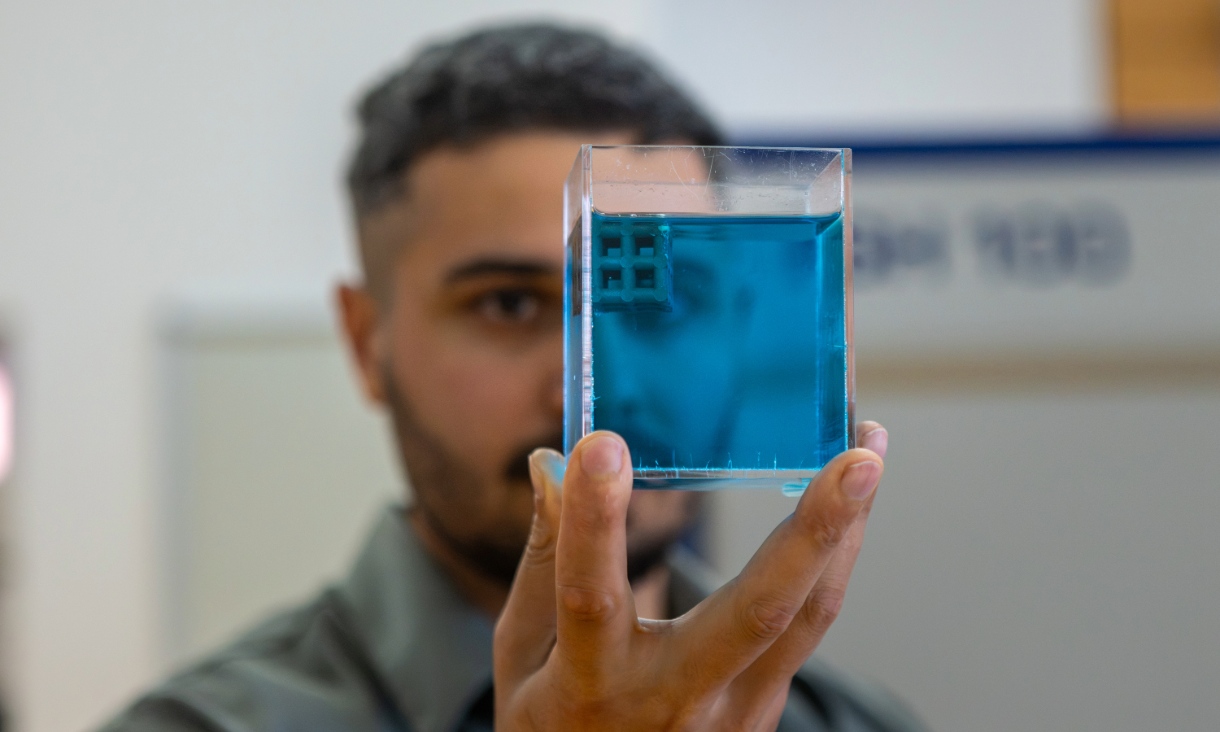
Alt Text is not present for this image, Taking dc:title 'undefined'Dr JJ Richardson, from RMIT's School of Engineering.

A career creating impact

Richardson co-invented a coating technology that combines metals with plant compounds to create ultra-thin protective layers on a wide range of surfaces.

The single-step production process and versatility of the technology – known as Metal-Phenolic Network (MPN) – has seen it adopted by hundreds of research labs worldwide.

While many inventions remain confined to the lab, Richardson has helped bring Australian-developed intellectual property to global markets by founding two companies around the technology: SWIFF sells antimicrobial, anti-odour fabric sprays, while his agritech company Bionica is developing biodegradable crop coatings allowing farmers to drastically reduce pesticide use while protecting plants just as effectively. 

He says these coatings offer an alternative to earlier protective technologies that could be difficult to make and harmful to the environment. 

“Ours are cheap, safe, and easy to make, which means they've already impacted millions of lives,” he said.

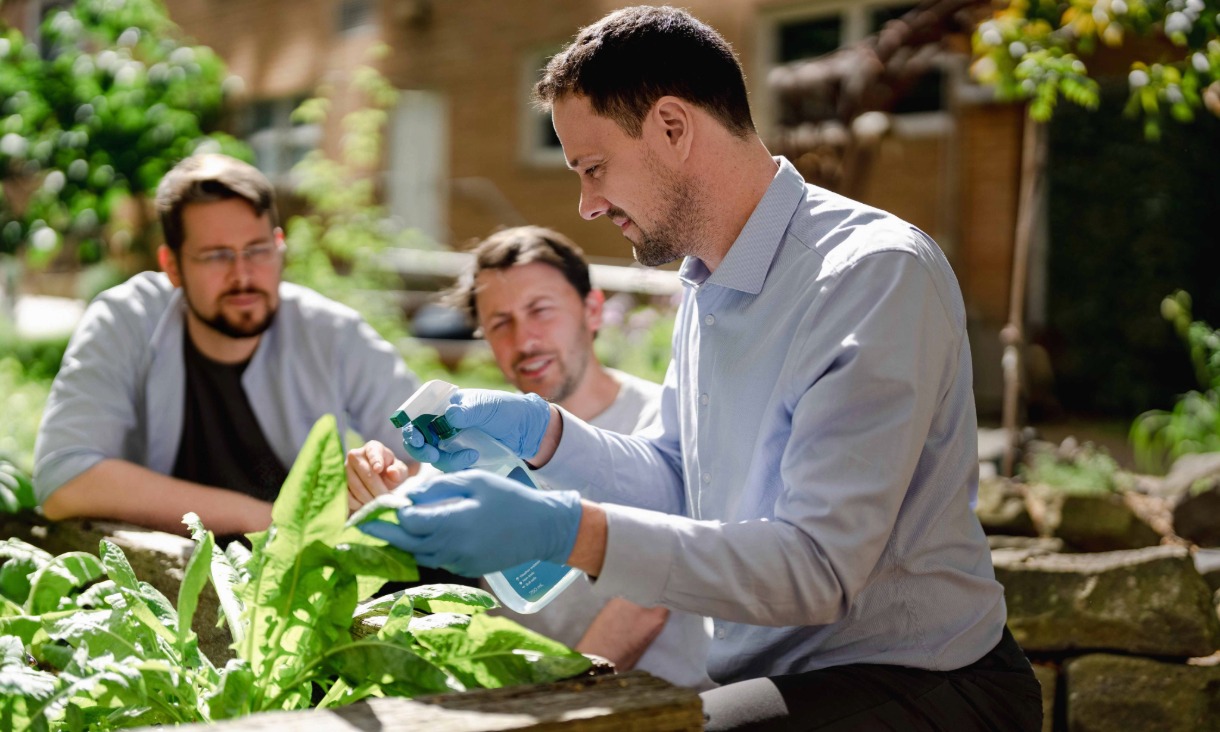
Alt Text is not present for this image, Taking dc:title 'undefined'Richardson says his coating to protect plants is cheap, safe, and easy to make.

From fabrics to farms

SWIFF products are sold to consumers in 40 countries, with hundreds of thousands of customers.  

The venture has secured international intellectual property licensing deals in Canada, China and Australia, and contributed to local advanced manufacturing jobs.

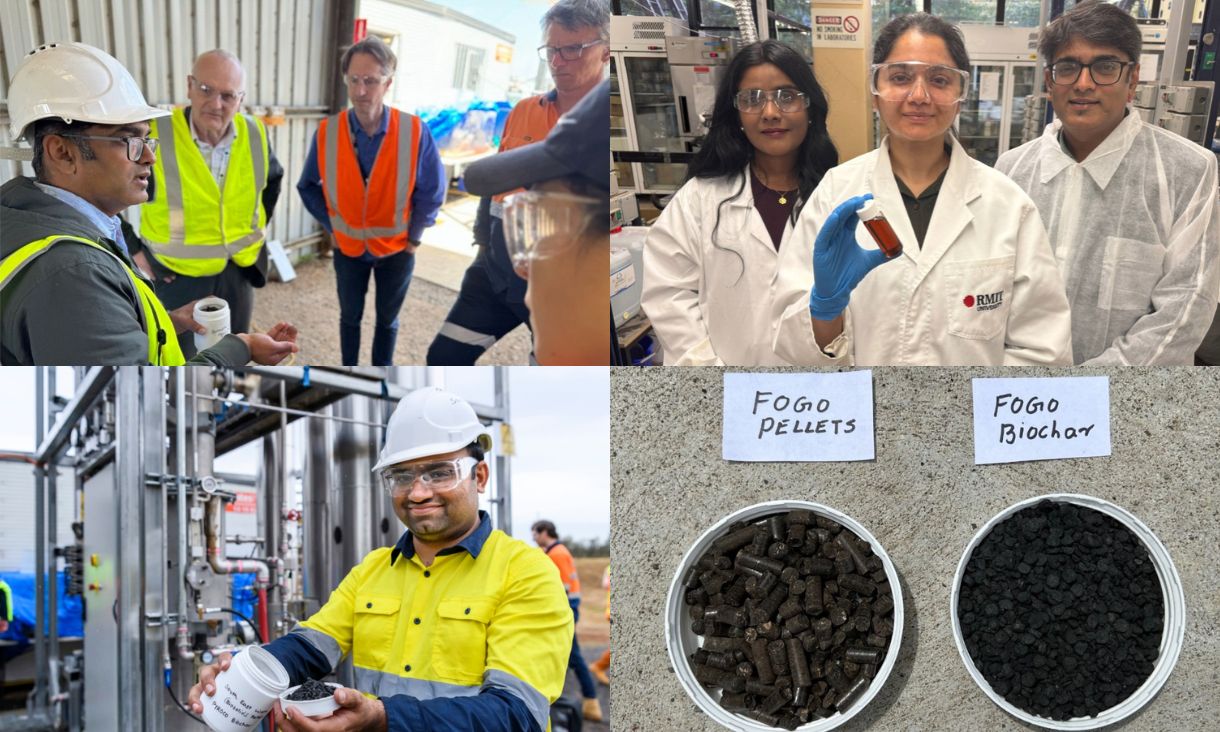
At RMIT, Bionica is developing coatings that help biological treatments and pesticides stay on plant leaves, reducing wash-off and runoff.

Field trials, including work protecting Australian vineyards from grape mildew, indicate the technology could cut pesticide use by up to 8,000-fold, while maintaining or improving crop protection.  

The platform is now being tested at scale in Australian agriculture.

The agricultural intellectual property was developed at RMIT and is owned by the University, which has licensed it exclusively to Bionica.  

Independent analysis projects the technology could return more than $3 billion worth of produce to the Australian market and safeguard up to 3.5 million tonnes of crops from disease and climate stress.  

Reduced chemical use could also help limit runoff and support soil and water quality, biodiversity and food security.

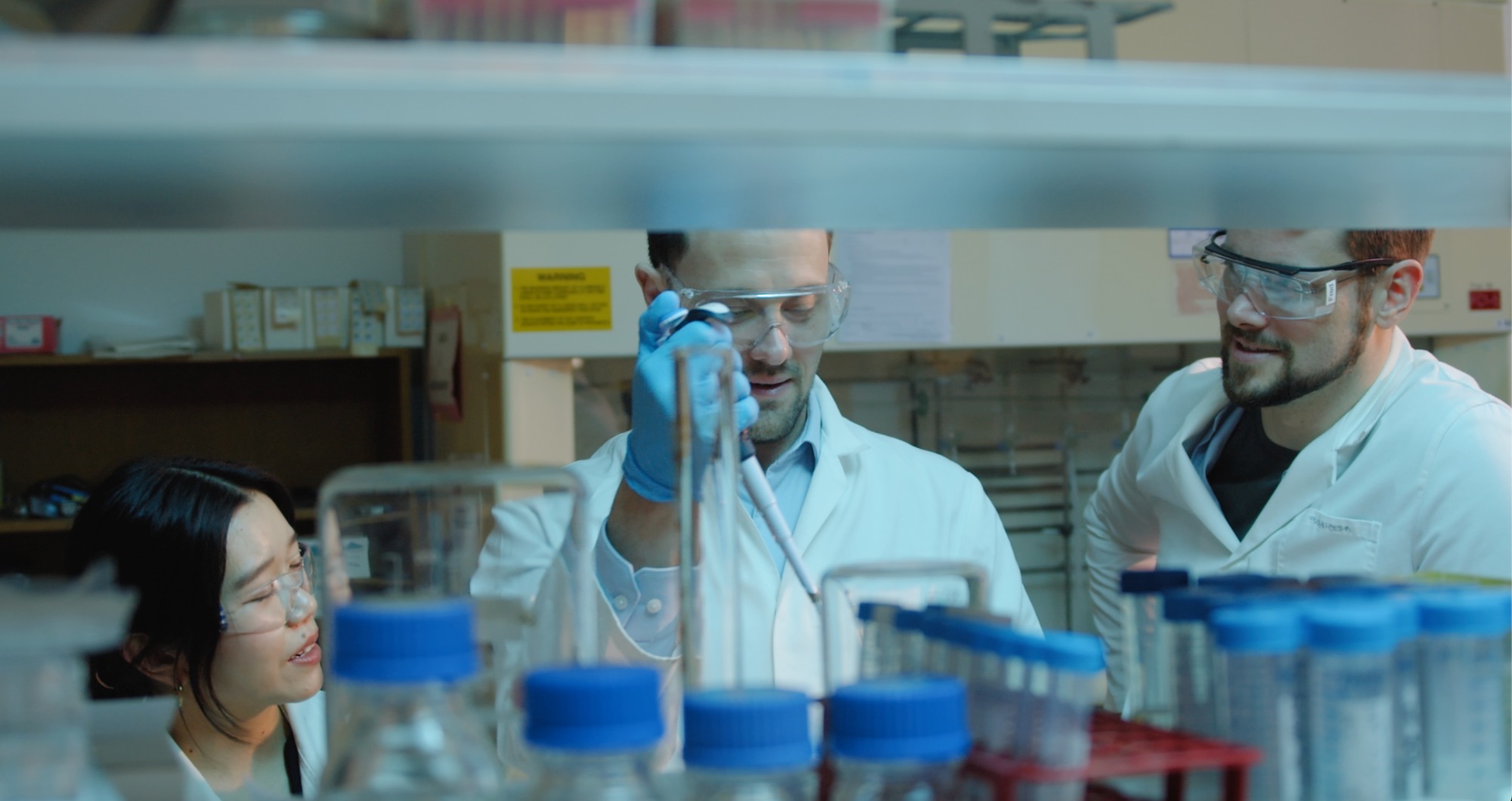
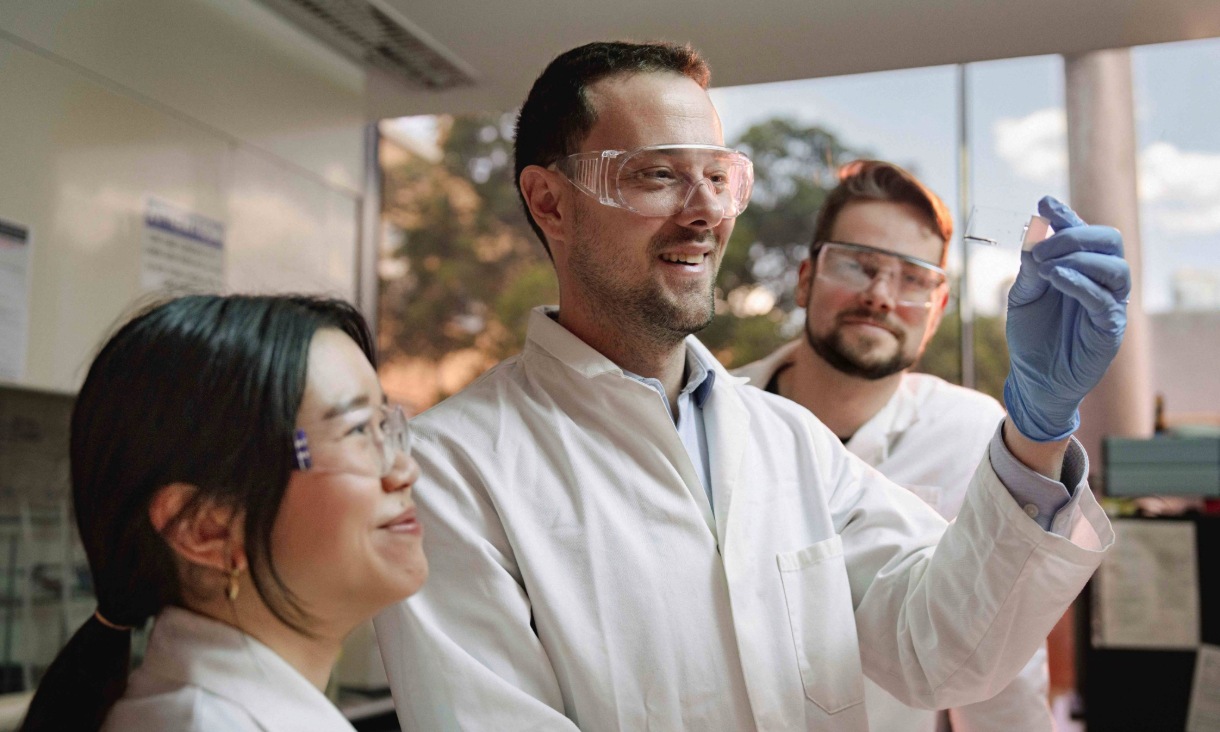
Alt Text is not present for this image, Taking dc:title 'undefined'Richardson aims to give researchers the skills and confidence to develop spin-outs based on Australian intellectual property.

Keeping Australian research in Australia

For Richardson, commercialisation is not only about getting products to market.  

He said he sees it as a way to build Australian capability, retain economic value and create opportunities for researchers.

“Keeping local inventions in Australia is really important,” he said.  

“The whole country should benefit, not just from the technology but economically and from the skills base. For me, keeping the IP, inventions and companies in the country is critical.”

Alongside his work with SWIFF and Bionica, Richardson delivers commercialisation workshops and mentors early-career researchers, including PhD candidates.  

He aims to give researchers the skills and confidence to develop spin-outs based on Australian intellectual property.

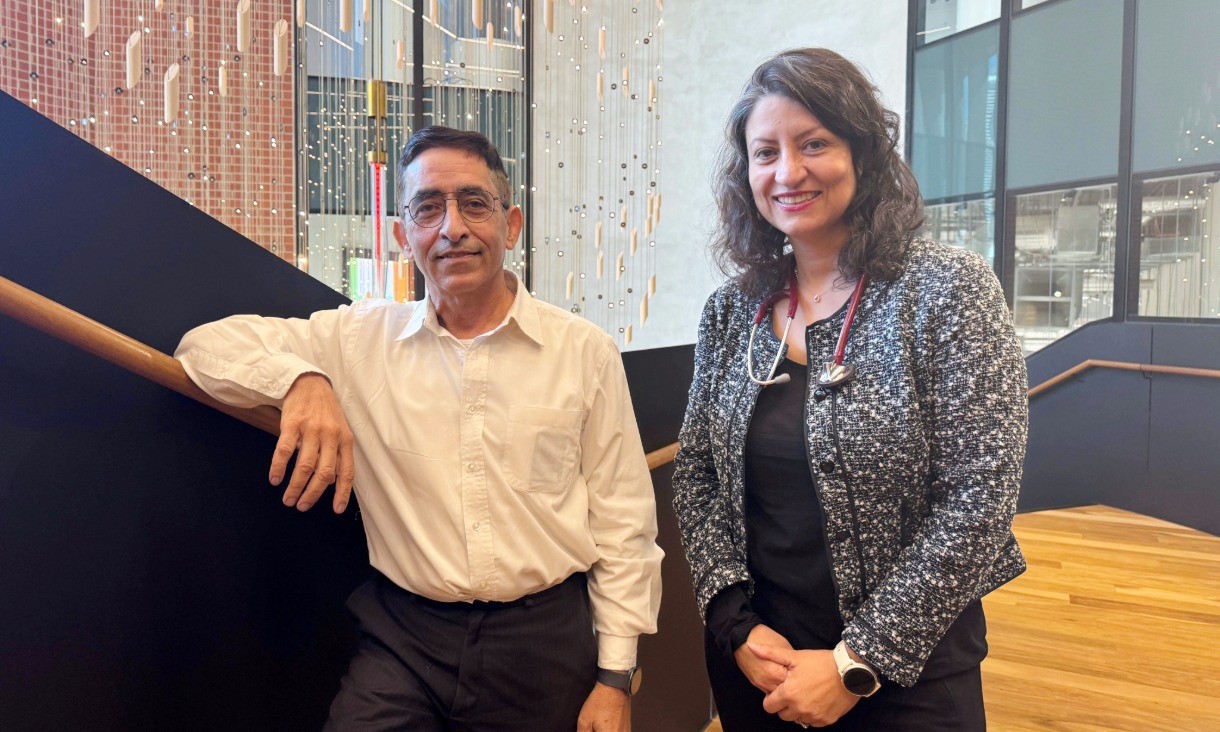
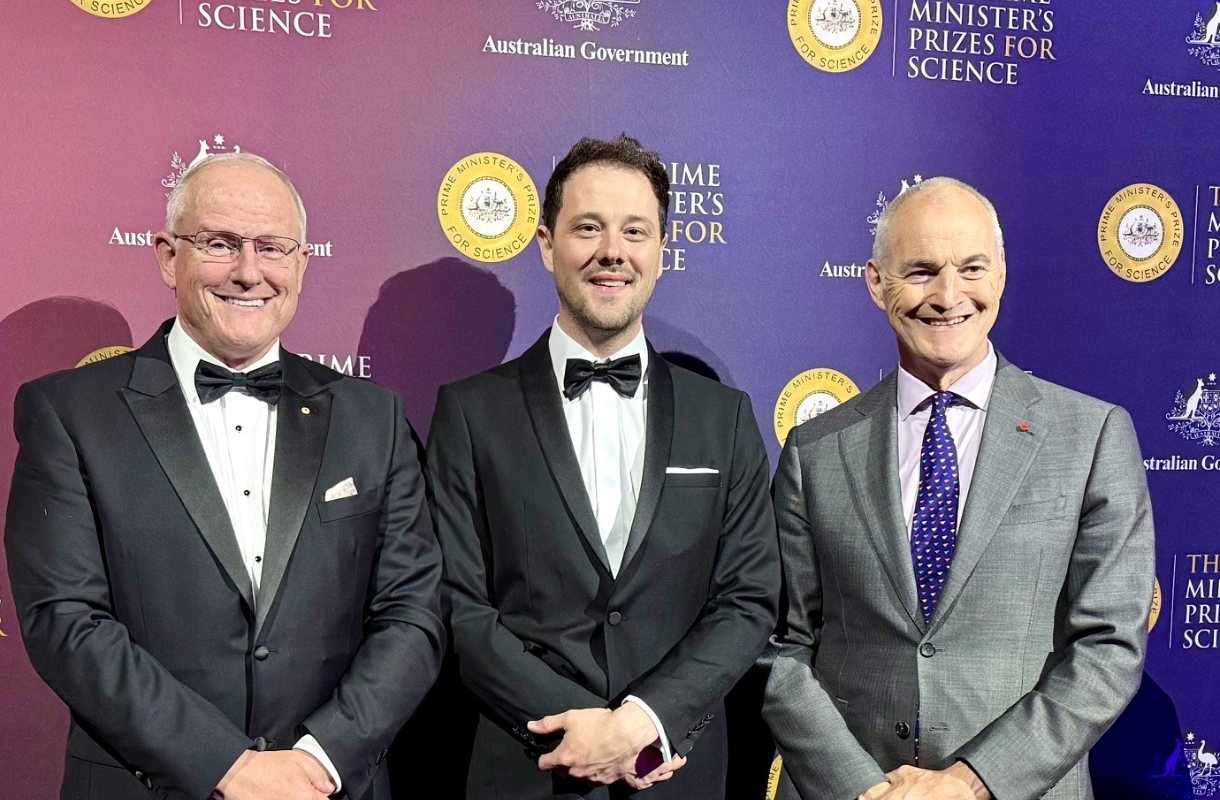
Alt Text is not present for this image, Taking dc:title 'undefined'Distinguished Professor Calum Drummond, Dr JJ Richardson and RMIT Vice-Chancellor Professor Alec Cameron at the award presentation in Parliament House, Canberra.

RMIT Deputy Vice-Chancellor Research & Innovation, Distinguished Professor Calum Drummond AO, said Richardson's award recognises his dedication to translating discovery into impact. 

"JJ exemplifies what it means to be a truly entrepreneurial researcher," he said.  

"He has taken world-class chemistry from the lab and transformed it into solutions already benefiting people around the world." 


Story: Michael Quin and Georgie Patterson

25 November 2026

Share

25 November 2026

Share

  • Awards
  • Research
  • STEM
  • Nano & Microtechnology
  • Science and technology

Related News

aboriginal flag float-starttorres strait flag float-start

Acknowledgement of Country

RMIT University acknowledges the people of the Woi wurrung and Boon wurrung language groups of the eastern Kulin Nation on whose unceded lands we conduct the business of the University. RMIT University respectfully acknowledges their Ancestors and Elders, past and present. RMIT also acknowledges the Traditional Custodians and their Ancestors of the lands and waters across Australia where we conduct our business - Artwork 'Sentient' by Hollie Johnson, Gunaikurnai and Monero Ngarigo.

More information