

Emojis help students accept online feedback
With millions of students learning online amid the COVID-19 pandemic, researchers have been investigating effective ways for educators to give feedback to students studying remotely.

Fact check: Are your chances of getting the flu after a vaccination only decreased by 1 to 2 per cent?
Professor of Public Health at Bond University, Chris Del Mar, has called into question the effectiveness of the influenza vaccine
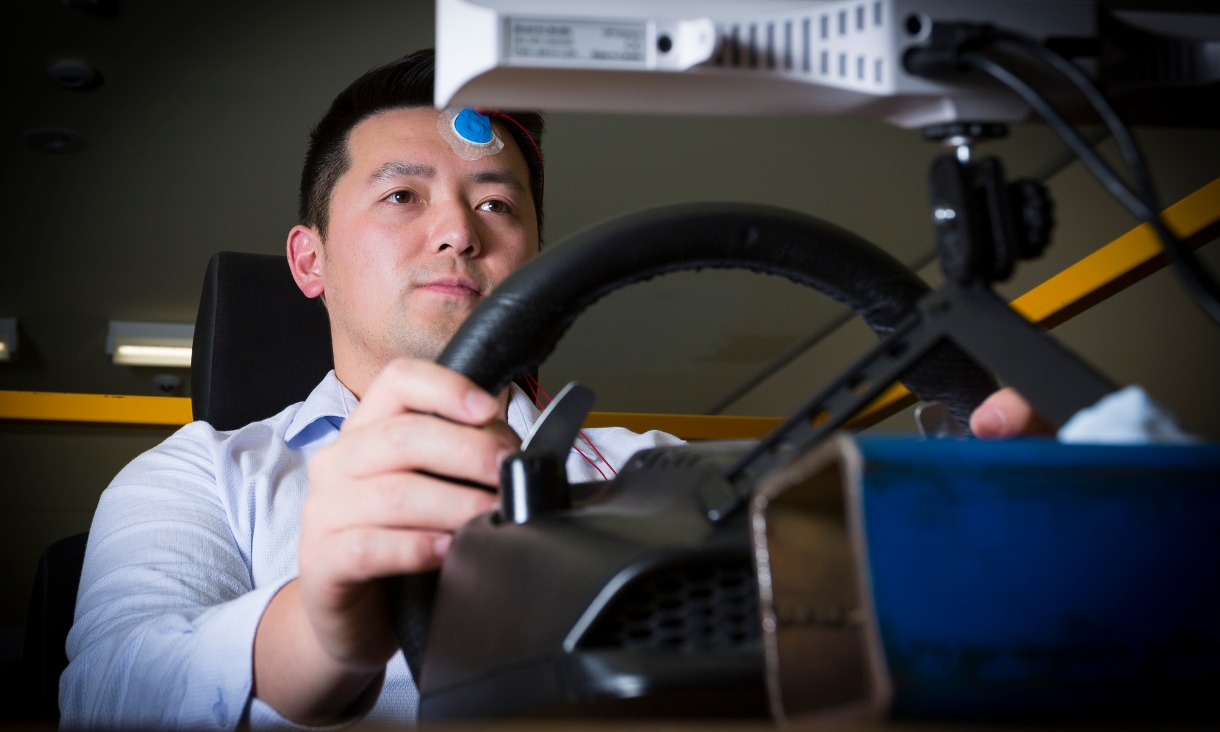
Snooze mobiles: how vibrations in cars make drivers sleepy
New research has found the natural vibrations of cars make people sleepier, affecting concentration and alertness levels just 15 minutes after drivers get behind the wheel.