
Victorian electricity bonus falls short

Victorian electricity bonus falls short

The Allan Labor government has today announced a fifth round of the Power Saving Bonus (PSB). Two RMIT experts comment on the equity and efficacy of the program and explain why, although welcome, it may not go far enough to protect energy vulnerable households.

Dr Nicola Willand, Associate Professor, School of Property, Construction and Project Management

“The limitation of the Power Saving Bonus (PSB) to concession card holders excludes many energy vulnerable people.

“These income support schemes only offer limited relief of electricity bill stress and the rebate may not even cover one average Victorian home electricity bill (about $419 a quarter).

“To ensure that all households in energy poverty are reached, offering energy assistance through trusted intermediaries who are well-placed to identify energy vulnerable householders and refer them to help would be more beneficial.

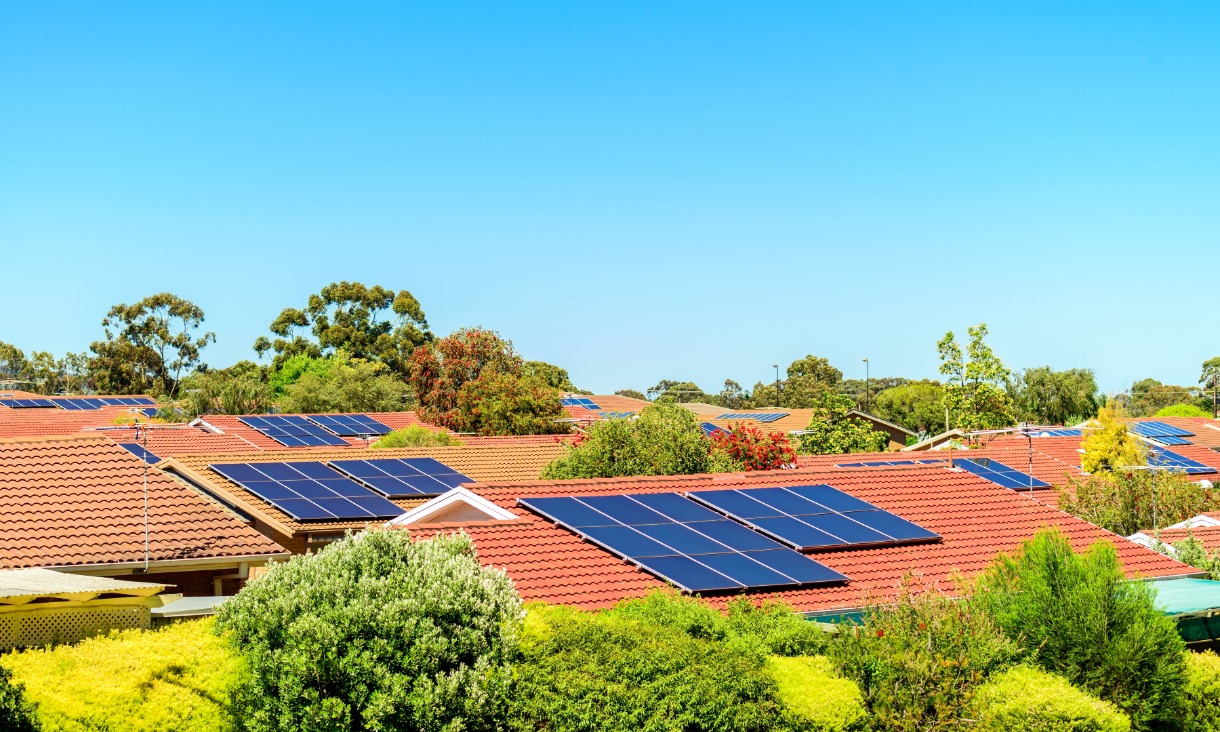
“More effort is needed to improve the energy efficiency of existing homes as lack of insulation and draught proofing means that it is difficult to keep the home warm without concern about bills. 

“Many vulnerable people do not have the time, mental capacity or money to improve the thermal or energy performance of their home. Comprehensive financial and practical support to improve the quality of homes is needed for sustained energy stress relief.”

Dr Nicola Willand is an Associate Professor in the School or Property, Construction and Project Management at RMIT University, where she teaches on sustainable and energy efficient buildings and the links between housing and health.

Dr Bhavna Middha, Senior Research Fellow, School of Global, Urban and Social Studies

“The Power Saving Bonus and Energy Bill Relief fund address transitory energy security and are welcome. As a ripple effect they perhaps provide relief to food insecurity and other needs, however they fail to address the chronic insecurities that have led to, and may have caused, the current cost of living crisis.

“Siloed attempts like this, that do not consider multiple and conjoined ways that vulnerabilities manifest, especially food and energy, fail to provide long term capabilities in society.”

Dr Bhavna Middha is an Australian Research Council (ARC) funded Discovery Early Career Researcher Dr Research in the School of Global, Urban and Social Studies. Her research spans the sociology and geographies of consumption through topics such as food, plastics and packaging, energy, and waste.

***

General media enquiries: RMIT External Affairs and Media, 0439 704 077 or news@rmit.edu.au

Share

Related News

aboriginal flag float-start torres strait flag float-start

Acknowledgement of Country

RMIT University acknowledges the people of the Woi wurrung and Boon wurrung language groups of the eastern Kulin Nation on whose unceded lands we conduct the business of the University. RMIT University respectfully acknowledges their Ancestors and Elders, past and present. RMIT also acknowledges the Traditional Custodians and their Ancestors of the lands and waters across Australia where we conduct our business - Artwork 'Sentient' by Hollie Johnson, Gunaikurnai and Monero Ngarigo.

More information