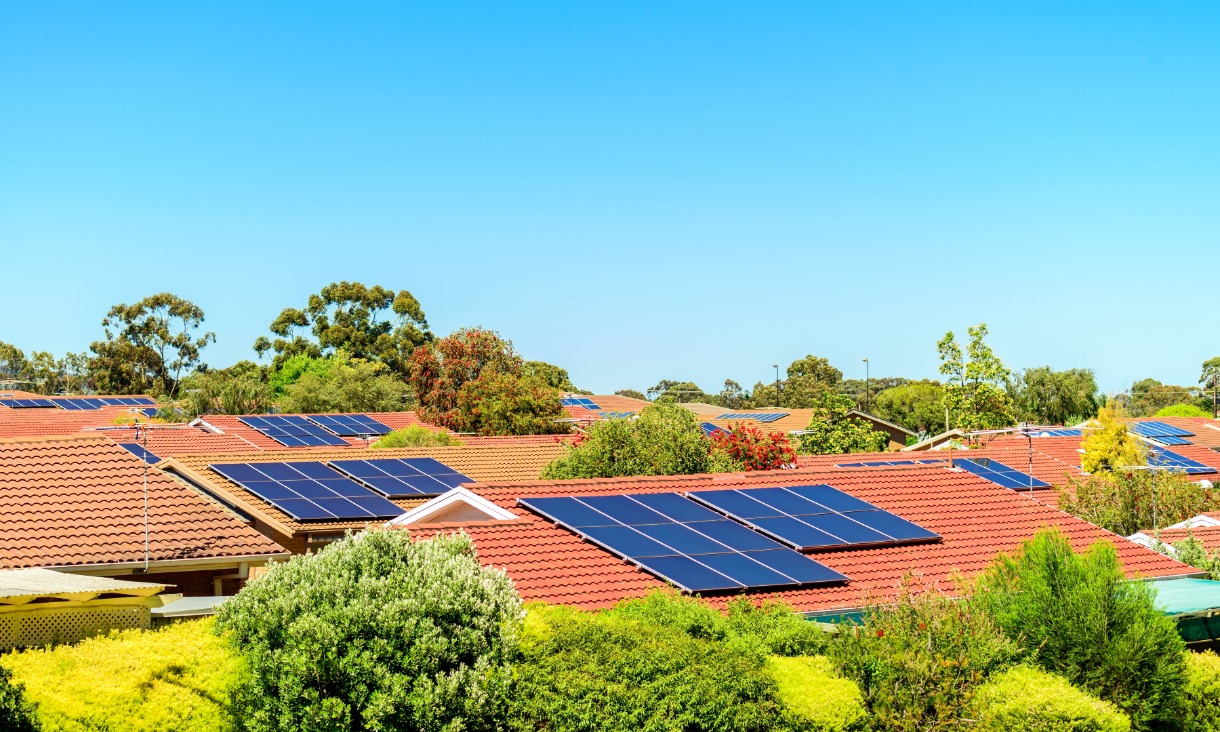
Australia's clean energy transition is creating a new waste challenge
Australia is accelerating its transition to a low-carbon future with electric vehicles (EVs), solar panels and other renewable energy technologies becoming a part of everyday life. But what happens when these products reach the end of their useful life? RMIT experts discuss the growing need to better manage clean energy waste and support a circular economy.
First Sentencing Act review in 30 years faces clash between public expectations and expert evidence
The Victorian Government has announced its sentencing laws will undergo their first independent review in more than three decades, led by a newly appointed chair of the Sentencing Advisory Council. An RMIT expert warns that translating community views into meaningful reform may prove difficult.
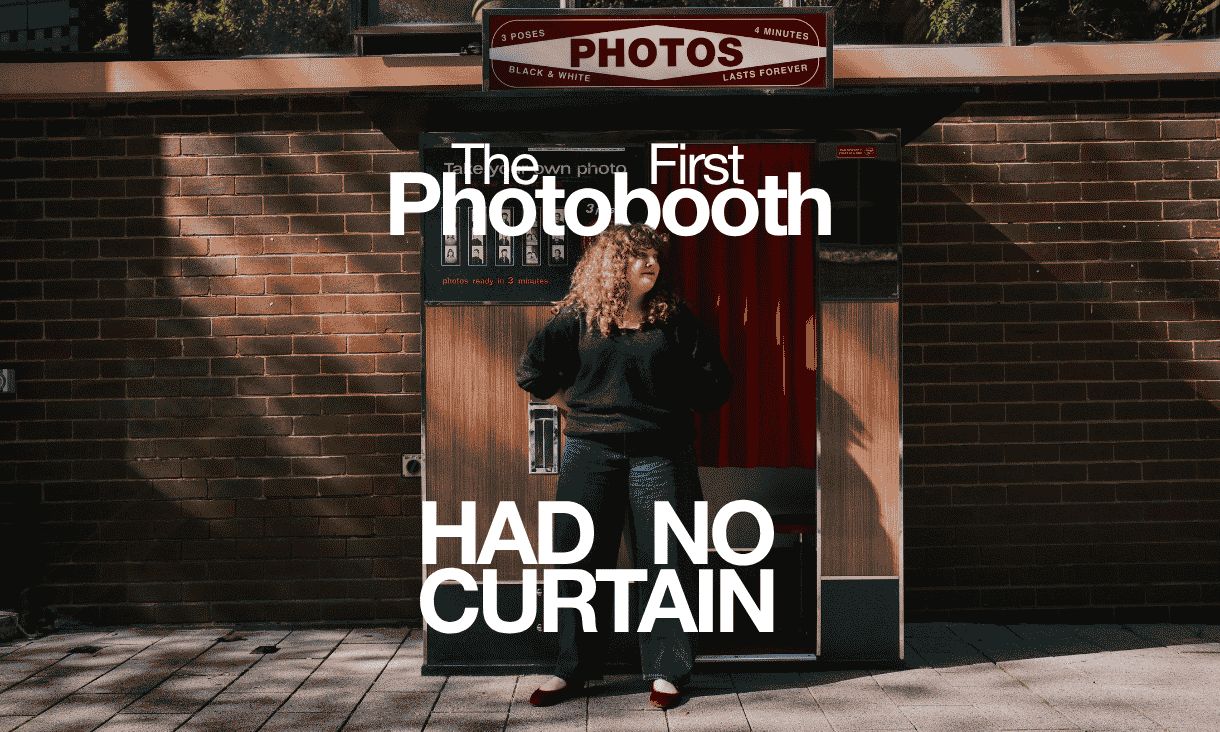
When the photobooth debuted 100 years ago, it didn’t have a curtain
100 years ago this week the first photobooth debuted on Broadway. An RMIT expert explains the cultural significance behind these machines and how the ways we use them have changed over the years.

Spotting AI-generated political content ahead of the Vic state election
An ABC investigation this week revealed a seemingly Australian political commentator was in fact a Brazilian content creator using AI generated content. An RMIT expert says this is a timely reminder that Victorians should be cautious about trusting everything they see and hear online ahead of the state election, and how to best spot fake content.



