Plug-in solar could help renters cut power bills – if Australia’s rules catch up

Plug-in solar could help renters cut power bills – if Australia’s rules catch up

Australia’s rooftop solar boom has helped many homeowners cut their electricity bills, but renters and apartment dwellers are still being left behind. An RMIT expert says plug-in solar panels and batteries could help more households access cheaper, cleaner energy, provided Australia gets the right rules, safety standards and consumer protections in place.

Plug-in solar systems typically involve one or two solar PV panels and a micro-inverter that feed electricity into a household’s mains electric circuit via a general power outlet. They can also be combined with plug-in batteries to help households use more of the electricity they generate.

Associate Professor Nicola Willand, School of Property, Construction and Project Management, RMIT University:

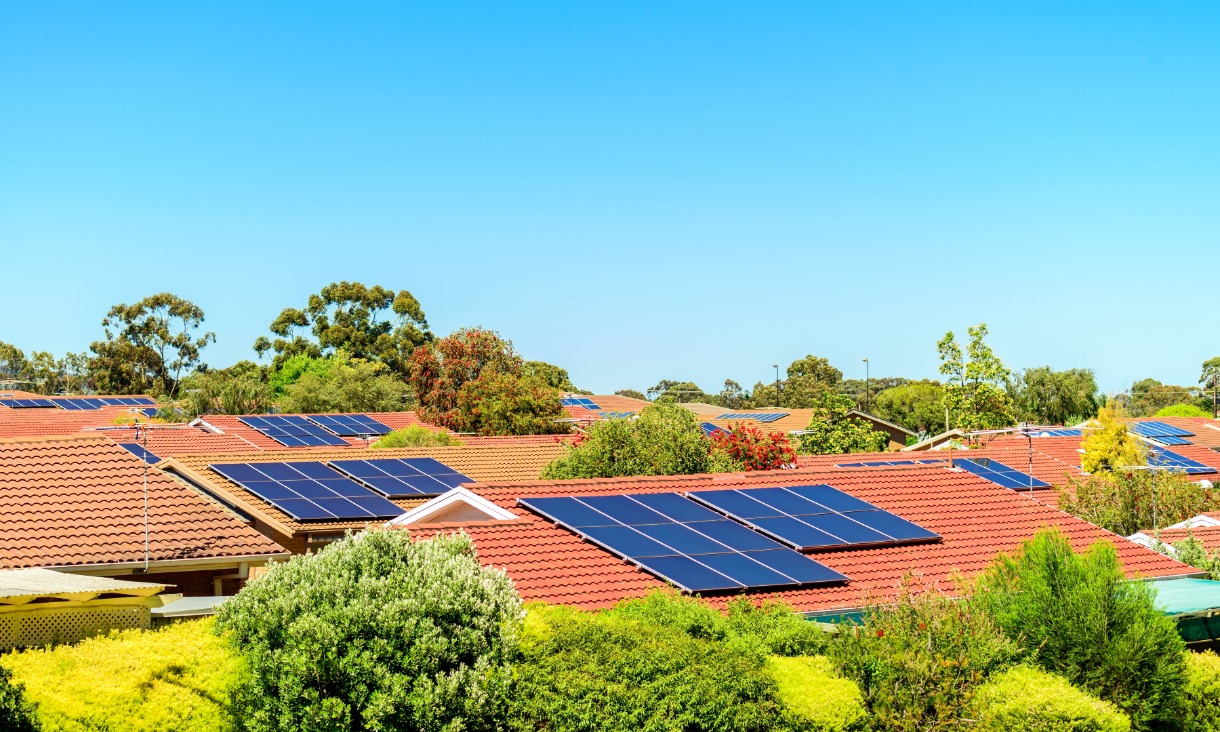
“Australia has been a world leader in rooftop solar but renters and apartment dwellers are still being locked out of those savings.

“Plug-in solar panels and batteries could give households without suitable rooftops a practical way to generate, store and use cheaper electricity, but they are not available in Australia.

“Modelling suggests an unshaded, north-facing 1kW plug-in solar system could save a typical Melbourne household about $248 a year, or around 15 per cent of an annual electricity bill.

“Plug-in technologies are flourishing in Europe and the United States but Australia needs clear rules, safety standards and consumer protections before they can be widely adopted here.

“That is important to ensure renters, apartment residents and low-income households are not left behind.

“In the meantime, readily available portable power stations could already help households make better use of free or cheaper midday electricity by storing power for use later in the day.

“Portable power stations are indoor batteries that can be charged from a power point and used to power appliances later.”

Read more in The Conversation

Associate Professor Nicola Willand is an expert in sustainable and energy-efficient housing, and the links between housing, energy and health. Her research focuses on energy poverty, household energy transitions and how low-income households can access affordable, healthy and low-carbon homes. She is a member of RMIT’s Centre for Urban Research and Sustainable Building Innovation Lab.

***

General media enquiries: RMIT External Affairs and Media, 0439 704 077 or news@rmit.edu.au

Share

Share

Related News

aboriginal flag float-starttorres strait flag float-start

Acknowledgement of Country

RMIT University acknowledges the people of the Woi wurrung and Boon wurrung language groups of the eastern Kulin Nation on whose unceded lands we conduct the business of the University. RMIT University respectfully acknowledges their Ancestors and Elders, past and present. RMIT also acknowledges the Traditional Custodians and their Ancestors of the lands and waters across Australia where we conduct our business - Artwork 'Sentient' by Hollie Johnson, Gunaikurnai and Monero Ngarigo.

More information