A globally-recognised talent for filmmaking

RMIT alum Gianna Mazzeo’s global career in film stems from her passion for telling queer and culturally diverse stories.

It was Gianna’s high school job in a video rental store that ignited her lifelong interest in film. 

When it came to choosing a university course, she trusted her gut and ended up studying the Bachelor of Communications (Media) at RMIT, graduating in 2014.  Her experience since then has taken her across the globe, from a move to Amsterdam to a film lab in Patagonia. 

We sat down with Gianna to learn about her journey since graduating from RMIT. 

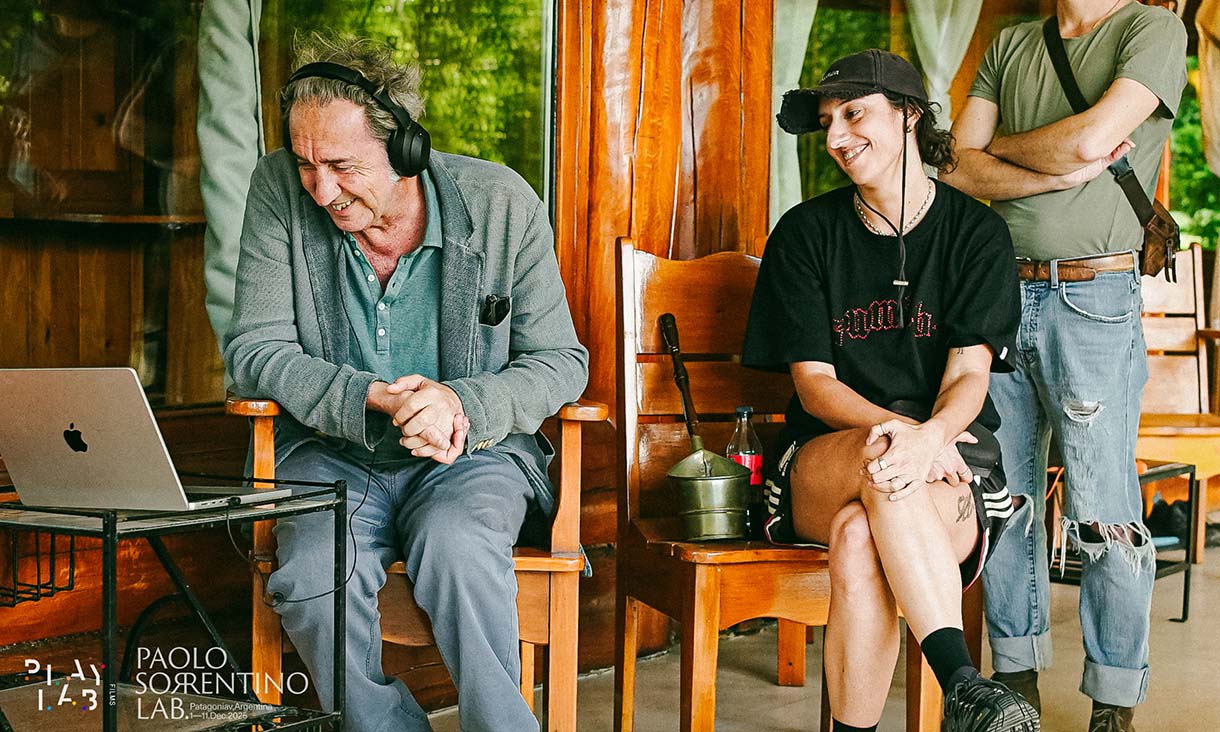
In 2024, Gianna completed an 11-day film workshop led by Oscar-winning director, Paolo Sorrentino.

What attracted you to your course at RMIT?

I worked in a video rental store from age 16-18, slowly working my way through the arthouse section watching David Lynch and Wong Kar Wei films. I dreamed of a career in film, but was told in high school that it was more of a hobby. 

After applying for a Bachelor of Mathematics, I felt an inexplicable pull towards film and decided on a last-minute change to the Bachelor of Communications (Media) course at RMIT. I’m so glad my instincts pulled me in this direction!

I chose to apply for the course at RMIT because I found out that it was highly regarded and a great alternative to the traditional ‘film school’ format that universities like VCA offer, which was a bit more formal than I was ready for.

What skills did you gain at RMIT that you use in your career?

I think the real value of studying at RMIT is learning to think critically. 

You may not learn the ins and out of how to operate an Alexa Mini or all the shortcuts on Avid, but those are skills you need to be able to teach yourself since technology is constantly updating. 

What I take into my career now is the communications theory we were taught, dissecting important films in cinema studies class, and thinking of a good idea. These are really important skills for a writer and director, because you can always surround yourself with practitioners who are experienced in lighting, cinematography or editing, but at the core of any meaningful project you undertake, you really need to have a solid idea and know exactly what you’re trying to make.

What impacted your decision to work in Amsterdam and what differs between the Australian and European film industries?

I moved to Amsterdam because I wanted to see if there were bigger opportunities in Europe for either commercial or narrative directing. Amsterdam was an obvious choice because the majority of Dutch people speak great English and I was already following a bunch of impressive production companies based in Amsterdam.  

A major difference I’ve found between Australian and European film industries is the willingness to invest in emerging talent. 

In Australia, the funding is very competitive and limited, and requires a super rigorous application process. In Europe, there are many more grants available as well as professional development workshops and labs. 

Since moving to Amsterdam three and a half years ago, I have received funding from Nikon to make a short documentary for Waterbear Network; I have had a short film funded by Erika Lust; and was lucky enough to be successful in applying for two separate Dutch grants to assist with my filmmaking adventure in Patagonia with Playlab Films and Paolo Sorrentino. Unfortunately, I received a whole heap of rejection from Australian funding bodies.  

What would you like the future of screen media to look like?

I think we’ll have made proper progress when there are plenty of female, BIPOC, queer gaffers to work with. This role is still the most white, cis-male-dominated, so I think it’s a good indication of how far we’ve come.

How does your identity impact your work and your reasons for filmmaking?

My identity impacts everything I make! My sexuality, ethnicity and gender make me particularly interested in stories that explore these themes to make sure that people like me are being represented on screen. 

Whether I’m writing a short film based on a personal experience, or I’m making a commercial for an organisation that’s important to me, I’m a firm believer in the saying, ‘write what you know’. Speaking from a position of lived experience makes for much more authentic stories that people can relate to, and [they] have the potential to leave a lasting impression on audiences.  

What projects have you been working on recently?

I am currently working on my first draft of a feature film idea that I developed under the guidance of Jonathan Ogilvie at AFTRS. The logline is: ‘After years as the token straight girl on her queer women’s football team, Mara falls for the new recruit, forcing her to confront her bisexual awakening, her imposter syndrome, and a love-triangle that could blow up her closest friendship.’ 

I also wrote and directed a short film recently in collaboration with the feminist erotic film platform, Erika Lust. We filmed the 1-day shoot in the north of Sardinia in October 2024 with a cast and crew made up entirely of femme and/or queer practitioners. 

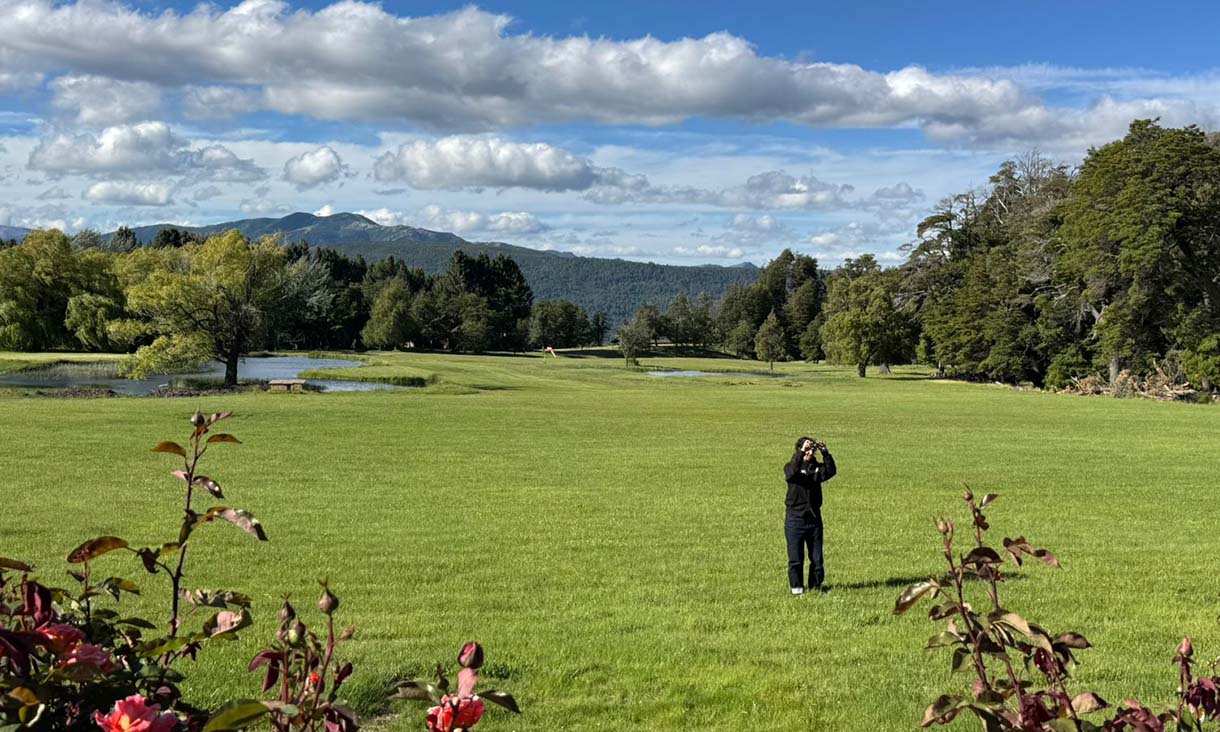
At the end of 2025, I participated in a filmmaking workshop mentored by Oscar-winning director, Paolo Sorrentino, in Patagonia where myself and 50 other filmmakers made a short film from start to finish in 11 days. 

Aside from that, I am working on a number of different commercials for television and online, always trying to weave in my passion for telling stories of social impact with a light, comedic touch and playful aesthetics. 

What project has been a career highlight?

A career highlight so far was winning a commercial pitch for the agency, Mother London for the client Taimi (an LGBTQIA+ dating app), against an international director I really admire.

Tell us more about the intensive with Paolo Sorrentino. What did it involve and what did you get out of it?

During the film lab, participants were asked to come unprepared and with an open mind to create a short film from ideation all the way through to a first edit within 11 days under the mentorship of Paolo Sorrentino. 

After over 10 years in the commercial world, I have become quite accustomed to working on ideas with groups of creatives at advertising agencies and bringing these ideas to life with crews of over 50 people, so it was quite humbling to work entirely alone to conceive of an idea inspired by the Patagonian landscape and the actors available in the small town of San Martin de los Andes.  

The process encouraged us to switch our phones off and go back to basics, which helped me to distill who I am as a director without all of the usual distractions and resources. In the end, I made something I am really proud of that says more about my directorial style than other projects I’ve worked on with much more time, money and help.

Gianna currently has an active GoFundMe fundraiser to help cover expenses related to the film lab she attended in 2025. 

Her work has featured in Academy Award, BAFTA Award and Canadian Screen Award Qualifying Festivals such as Holly Shorts, St John’s Women’s International Film Festival, Inside Out Toronto, Scottish Queer International Film Festival and St Kilda Film Festival. Her documentary short, ‘The History of the Carabiner’, won the Audience Award prize for Best Short at Inside Out Toronto and her debut short film, ‘Miss Pisces’, was selected by renowned global video channel NOWNESS as a ‘NOWNESS Pick’. Gianna has made ads for brands like Nike, Tesla, Meta, KLM, Xero, Salvation Army and more, and her commercial work has screened at Berlin Commercial.
You may also be interested in...

aboriginal flag float-start torres strait flag float-start

Acknowledgement of Country

RMIT University acknowledges the people of the Woi wurrung and Boon wurrung language groups of the eastern Kulin Nation on whose unceded lands we conduct the business of the University. RMIT University respectfully acknowledges their Ancestors and Elders, past and present. RMIT also acknowledges the Traditional Custodians and their Ancestors of the lands and waters across Australia where we conduct our business - Artwork 'Sentient' by Hollie Johnson, Gunaikurnai and Monero Ngarigo.

Learn more about our commitment to Indigenous cultures