Seeding the Future: Community-Driven Innovation for Saltmarsh Restoration

Seeding the Future: Community-Driven Innovation for Saltmarsh Restoration

RMIT University’s Centre for Nature Positive Solutions, in partnership with the Intrepid Foundation and the Blue Carbon Lab, is pioneering new approaches to restore Victoria’s coastal wetlands.

RMIT University’s Centre for Nature Positive Solutions, in partnership with the Intrepid Foundation and the Blue Carbon Lab, is pioneering new approaches to restore Victoria’s coastal wetlands.

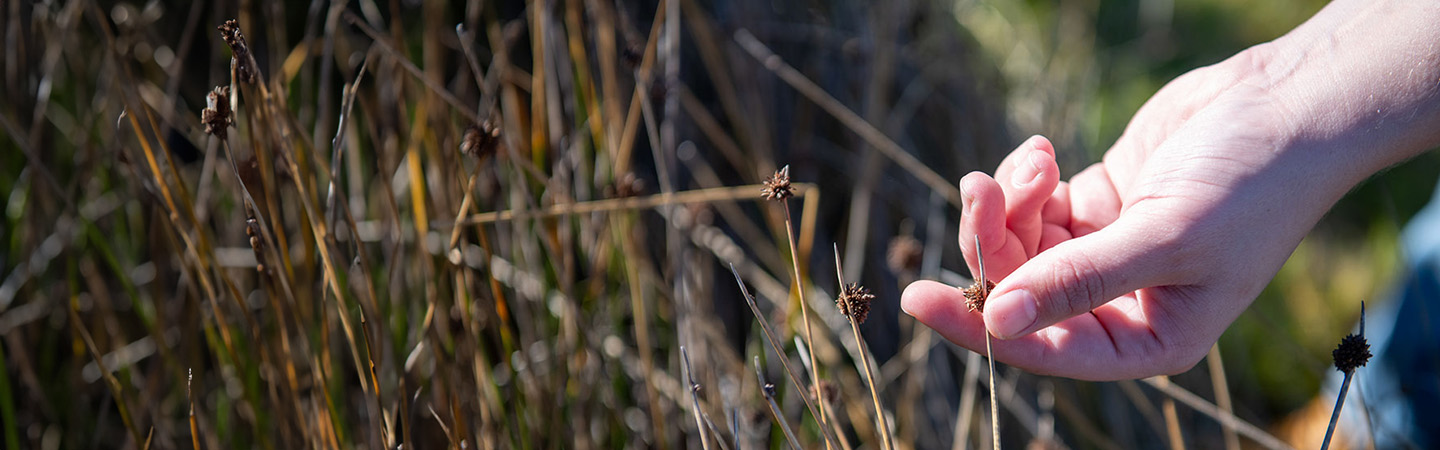
Saltmarshes are unsung heroes of the coast. These coastal ecosystems provide vital habitat for wildlife, buffer shorelines from storms, and store carbon, playing an important role in climate change mitigation. However, restoring saltmarsh is not straightforward. Harsh environmental conditions, tidal access, and limited scalable planting techniques pose persistent challenges. That’s why innovation and community involvement are essential.

With support from the Intrepid Foundation, our Seeding the Future project lead by Dr Melissa Wartman and Dr Stacey Trevathan-Tackett is trialling alternative seed delivery methods using seed paper cards and soil-based pods and discs. These low cost, scalable options aim to improve germination success and make large-scale saltmarsh restoration more achievable.

Securing seeds effectively in restoration areas is critical because saltmarsh environments are dynamic, with frequent tidal flows, wind exposure, and shifting sediments. Without reliable delivery and anchoring methods, seeds can easily be washed away or buried too deep to germinate. By testing new materials and application techniques, we aim to improve seed stability and early growth in these challenging conditions.

In addition, the design of the soil pods may support alternate methods for seed delivery including drone-based seeding, opening up new possibilities for restoring areas that are remote, waterlogged, or otherwise difficult to access on foot. This could significantly expand the scale and efficiency of saltmarsh restoration in the years ahead.

Field Day Highlights: From Seeds to Science

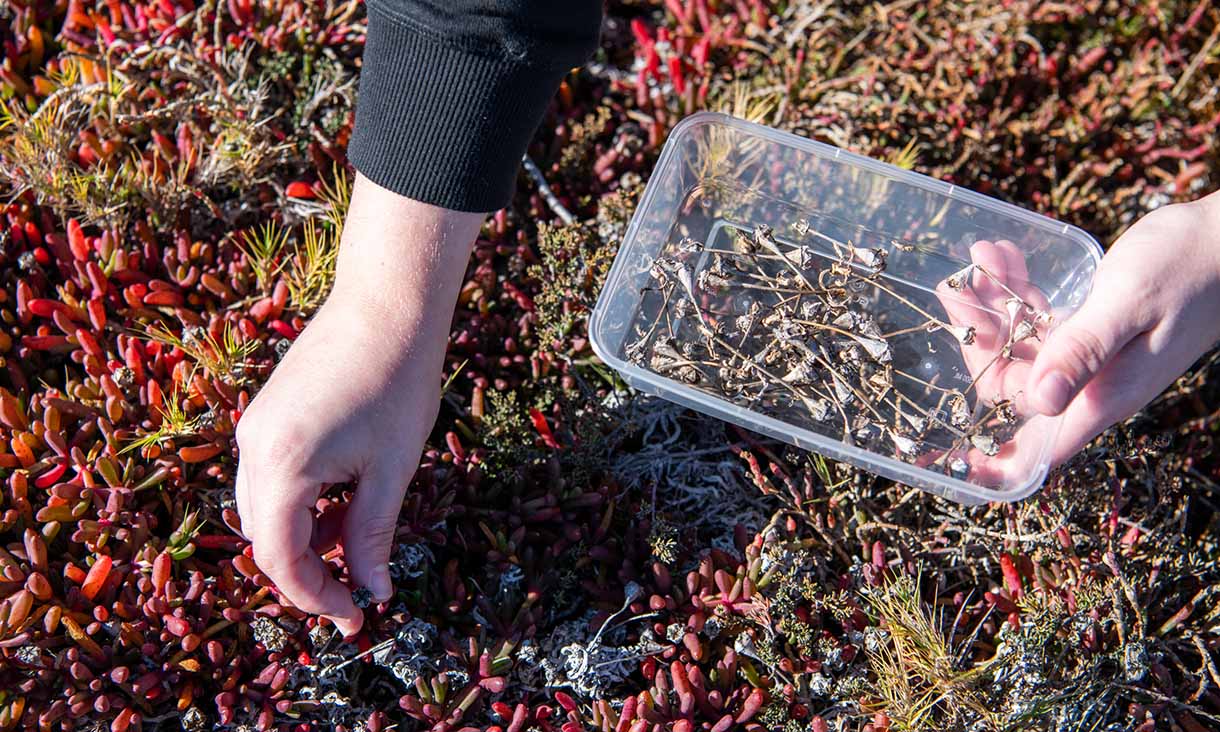
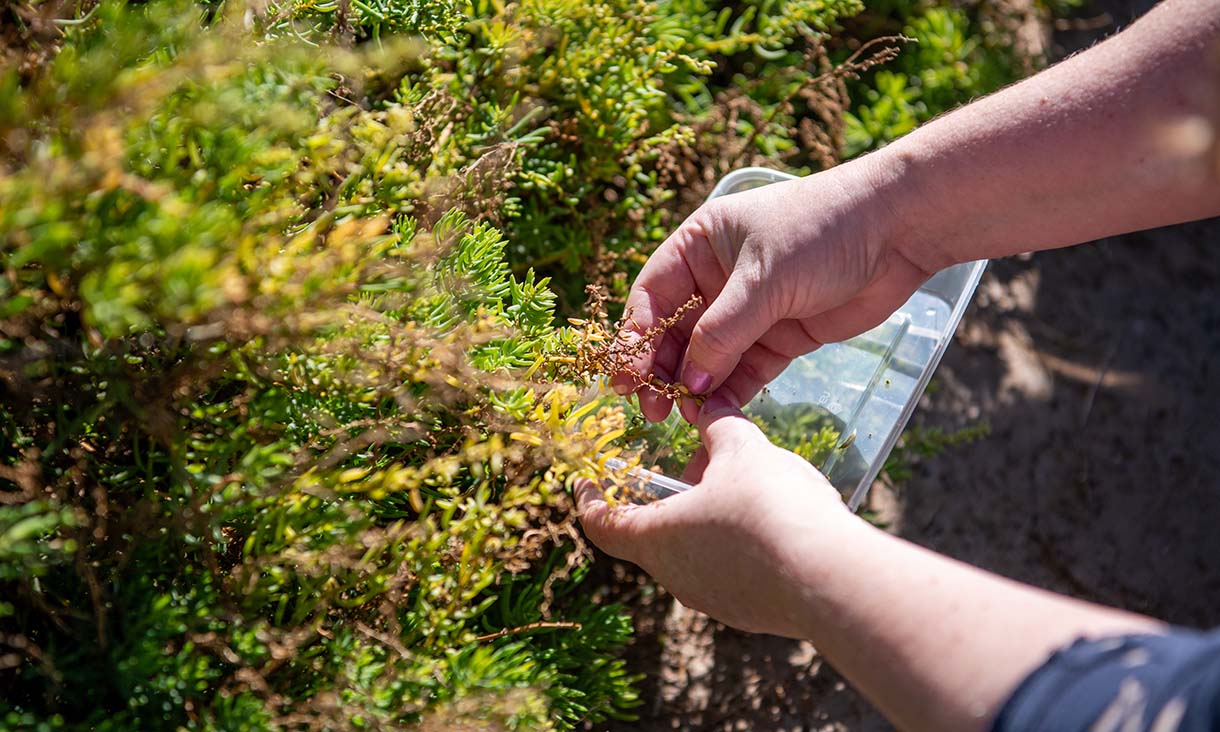
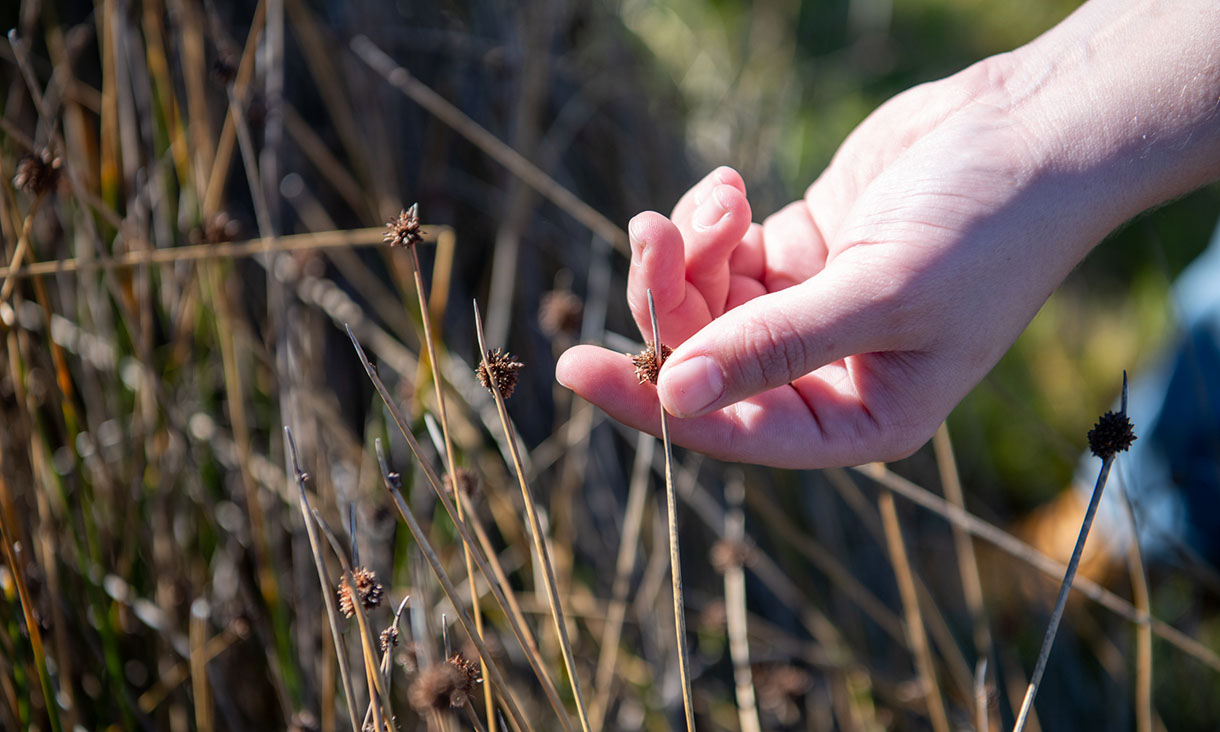
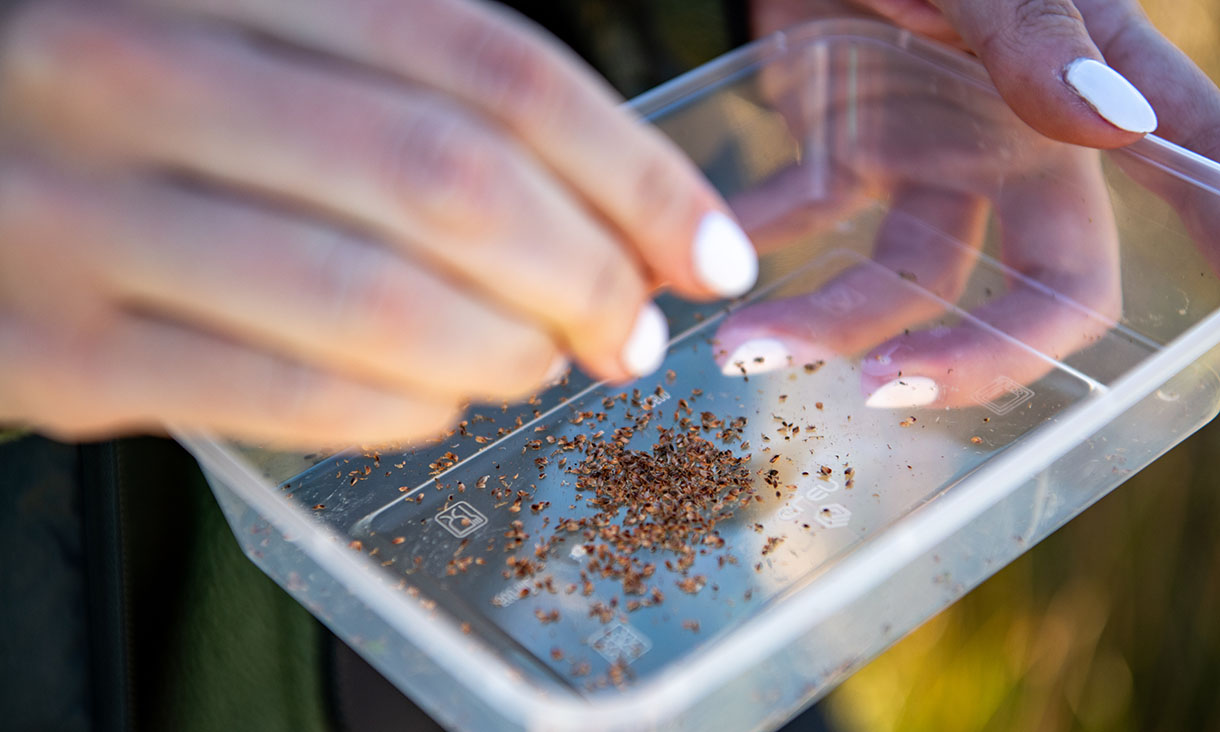
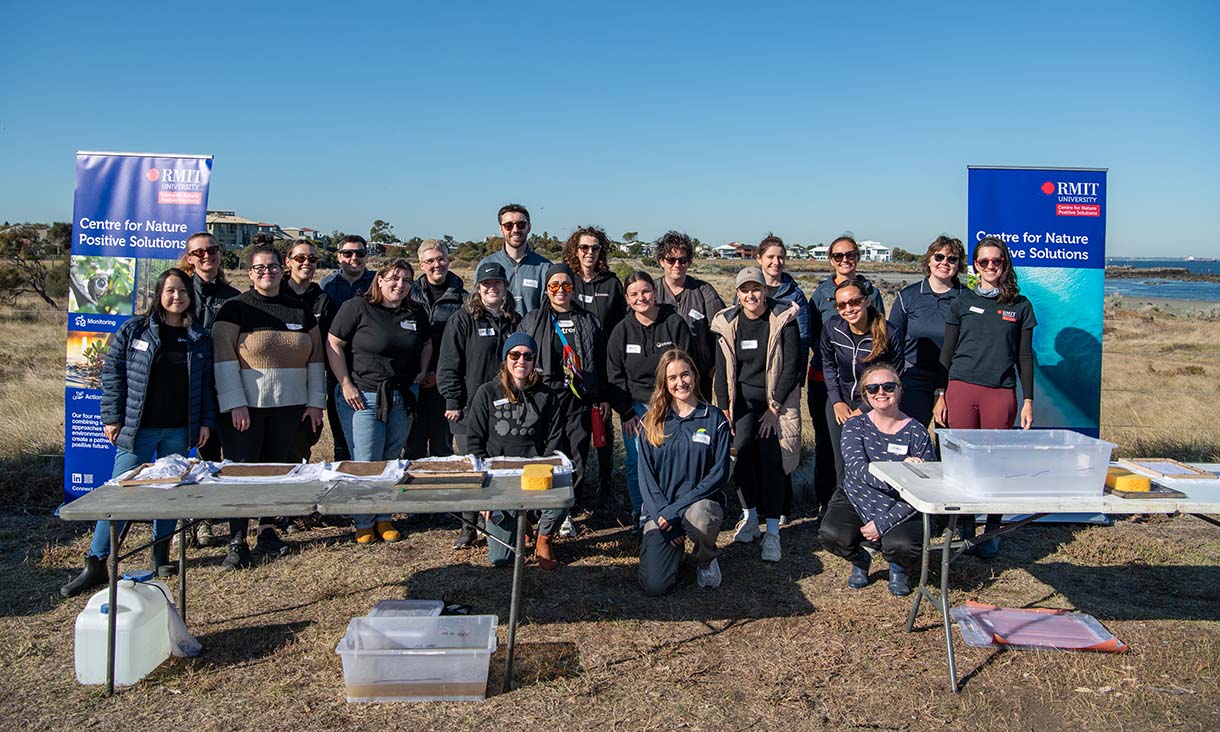
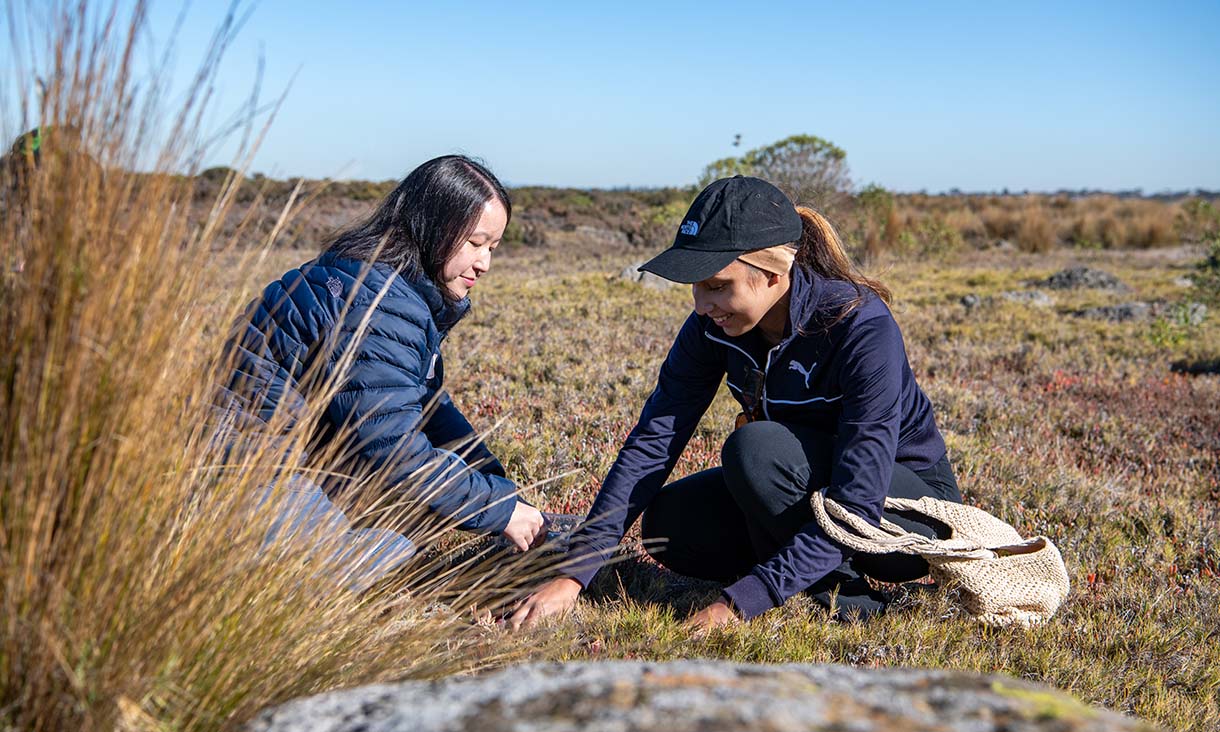
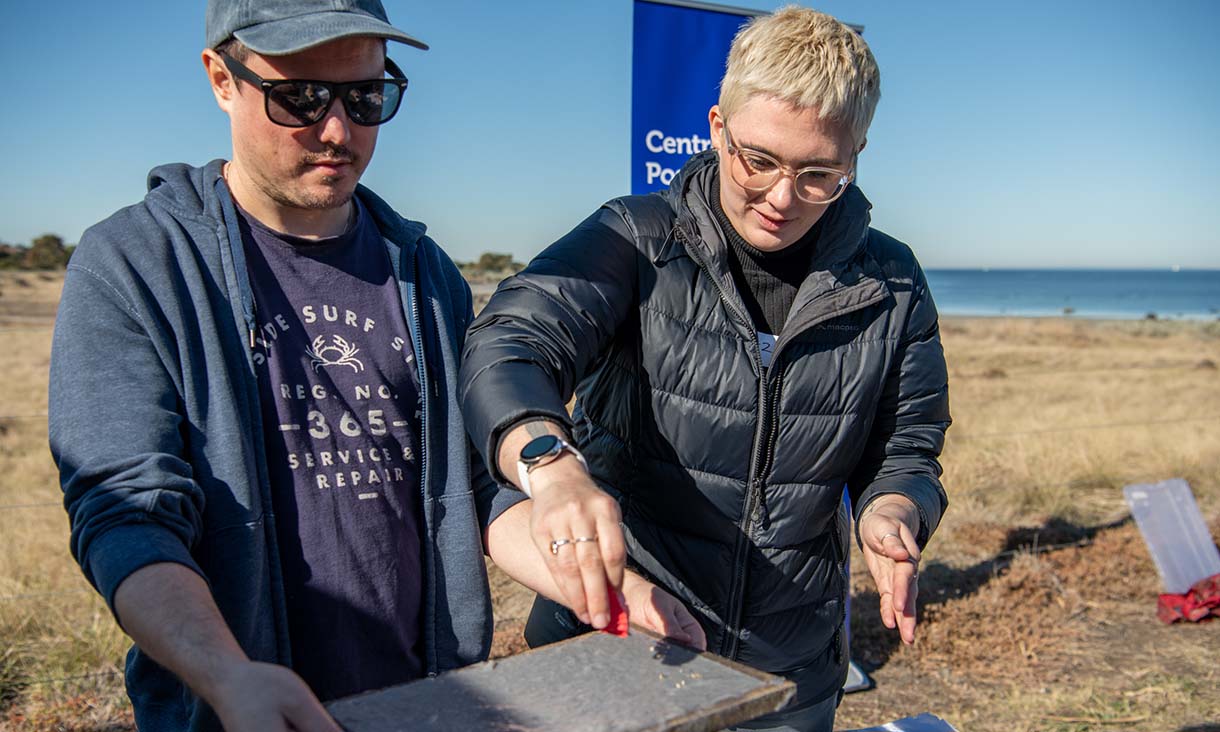
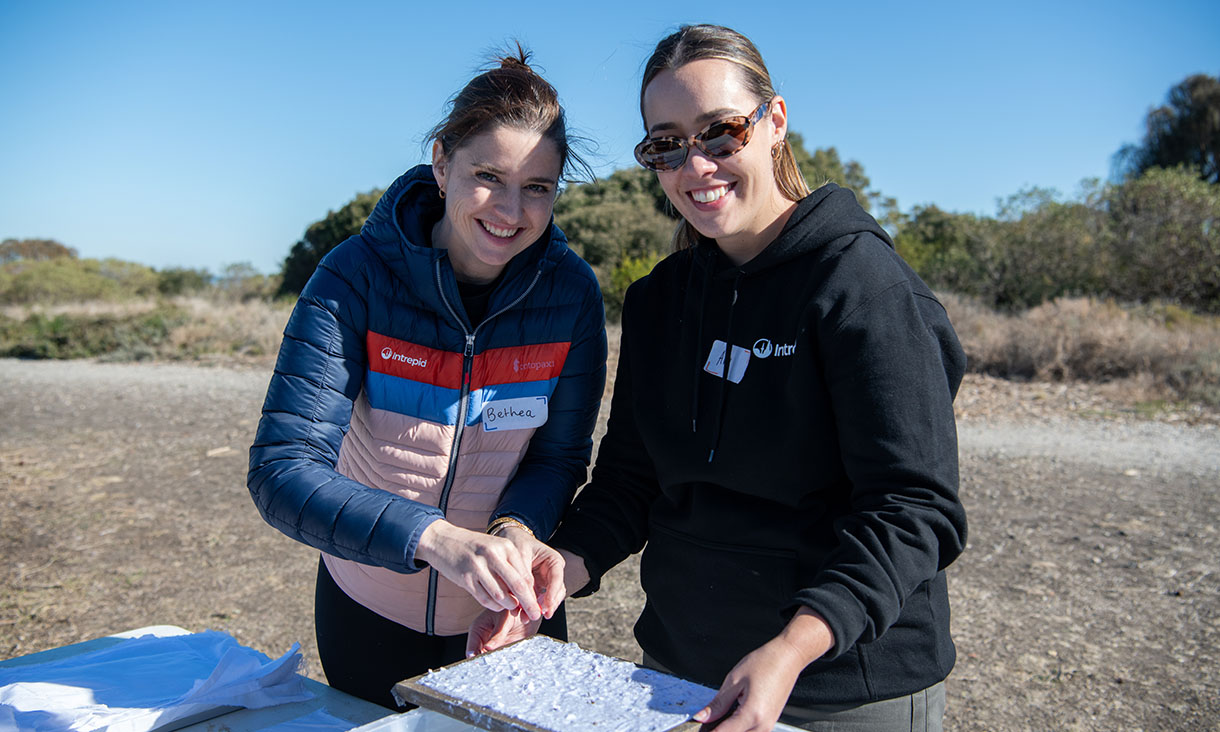
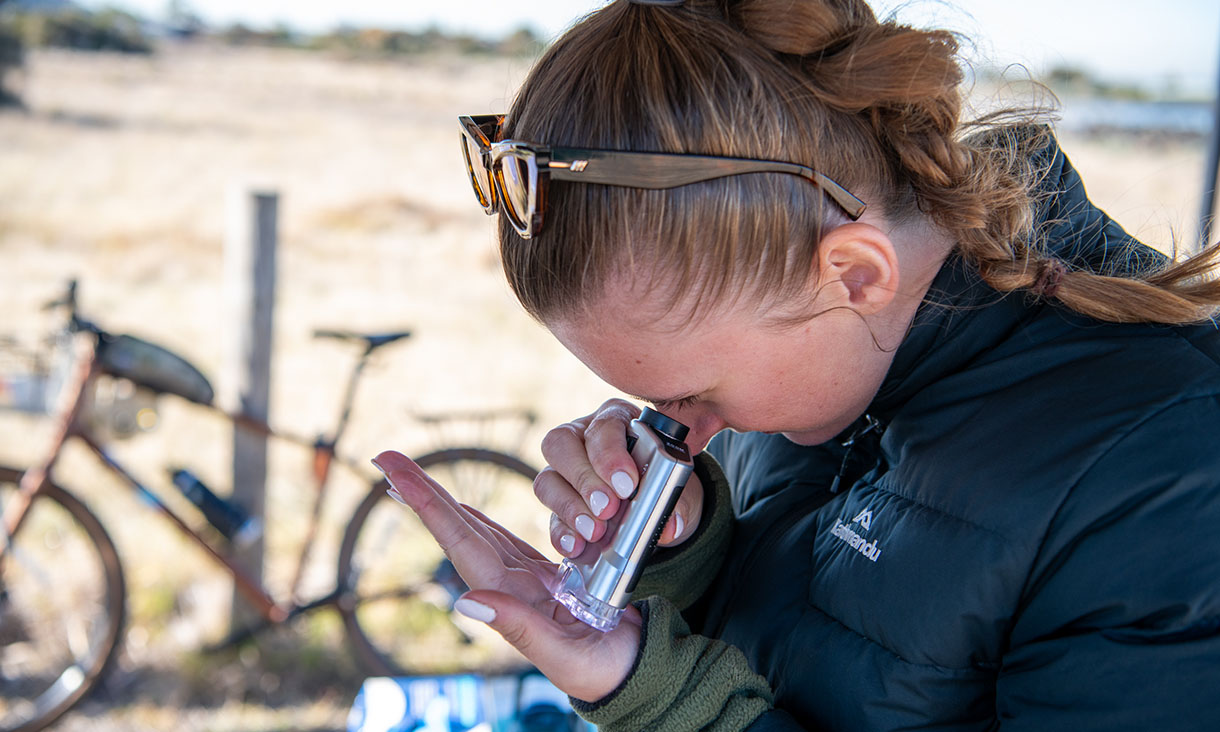
In May this year, a new group of citizen scientists from Intrepid Travel joined our team for a day of hands-on restoration science at Jawbone Marine Sanctuary in Melbourne. After a morning introduction to saltmarsh ecology and restoration, participants collected seeds from native saltmarsh plants, including rounded noon-flower (Disphyma crassifolium), beaded samphire (Salicornia quinqueflora), seablite (Suaeda australis), and knobby club rush (Ficinia nodosa).

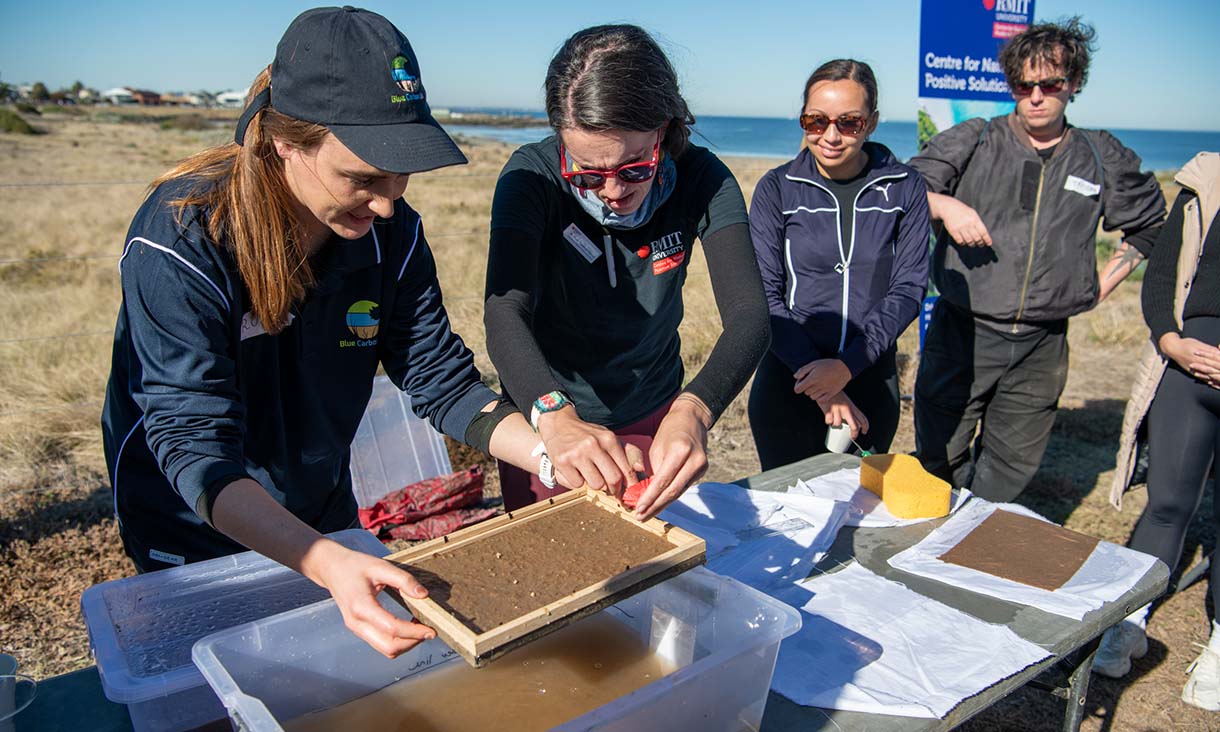
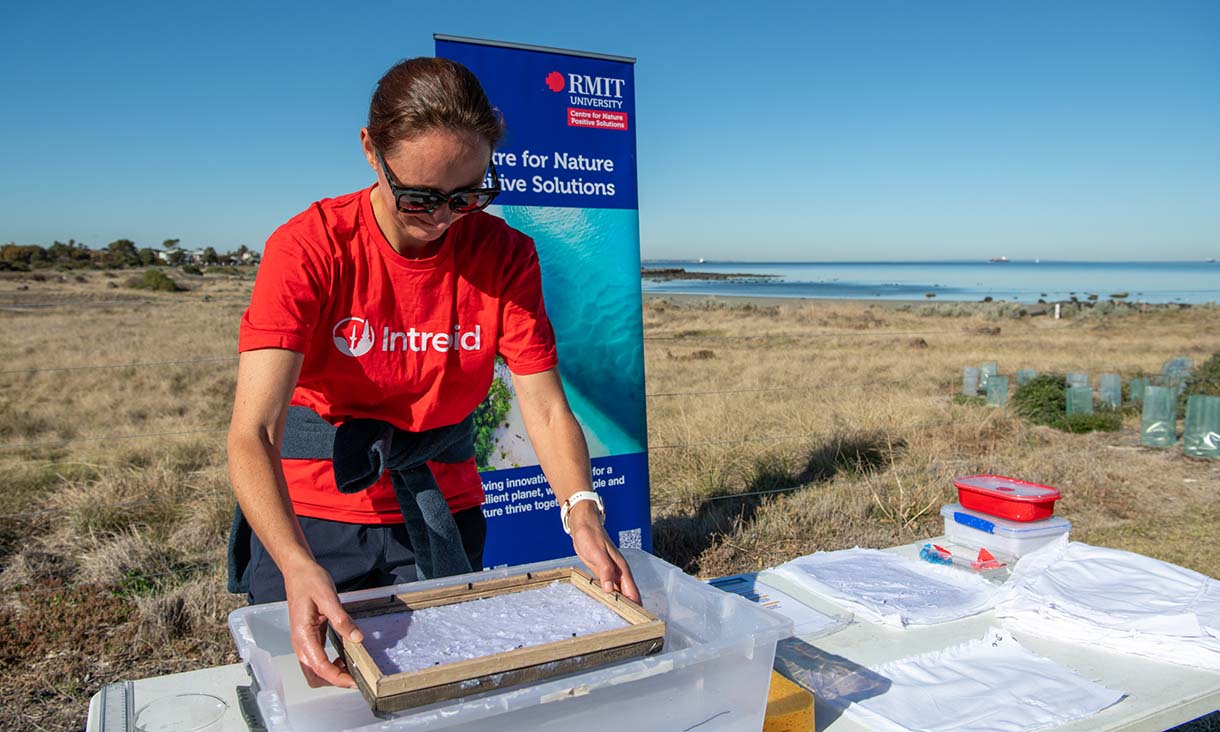
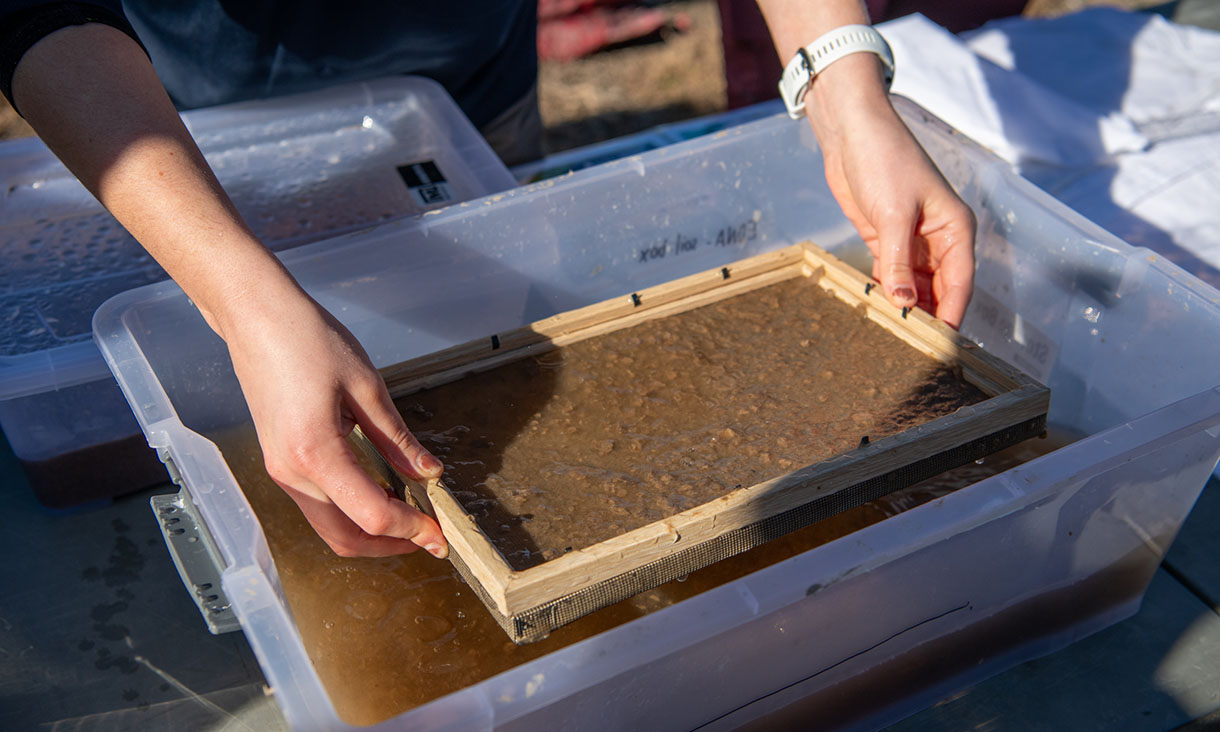
Working alongside our research team, participants then helped craft seed paper cards and soil pods—two novel approaches to saltmarsh restoration that blend science, creativity, and muddy hands. It was a hands-on mix of science and craft, with a clear conservation purpose.

The energy and enthusiasm of the Intrepid team turned what would have taken our researchers weeks into a day of impact and progress. Each paper card and soil pod created became part of a greenhouse experiment to test germination under controlled conditions.


What We’re Seeing in the Greenhouse

In the weeks following the workshop, our research team monitored germination across different papers, soils and species. These early results are helping us understand which methods work best and why.


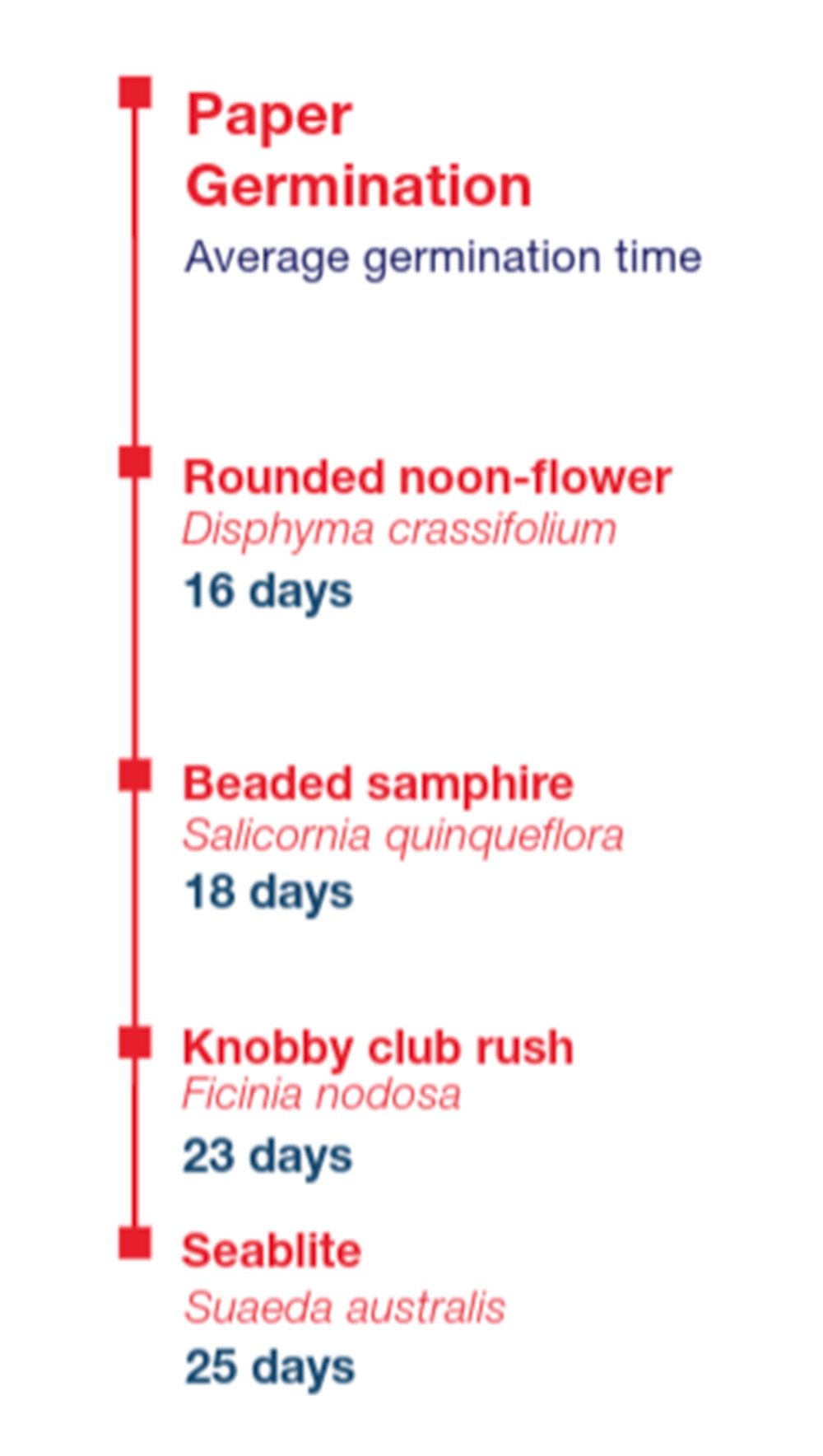
Paper Germination

We trialled three types of paper: cardboard, office paper, and newspaper. These were laid flat on greenhouse benches, each embedded with seeds from different saltmarsh species.

Diagram titled "Paper Germination Average germination time" depicting germination periods. Rounded noon-flower (Disphyma crassifolium) requires 16 days, Beaded samphire (Salicornia quinqueflora) takes 18 days, Knobby club rush (Ficinia nodosa) needs 23 days, and Seablite (Suaeda australis) takes 25 days.

Key Highlights

  • Cardboard was the most effective paper type, showing germination for all four species trialled.
  • Germination occurred fastest on rounded noon-flower sheets (~16 days on average).
  • Knobby club rush surprised us with a late but strong germination response across all paper types. One sheet has had even 130 seedlings germinate.
  • Seablite and samphire germinated slower and in fewer sheets, but still showed promising signs—particularly on cardboard.
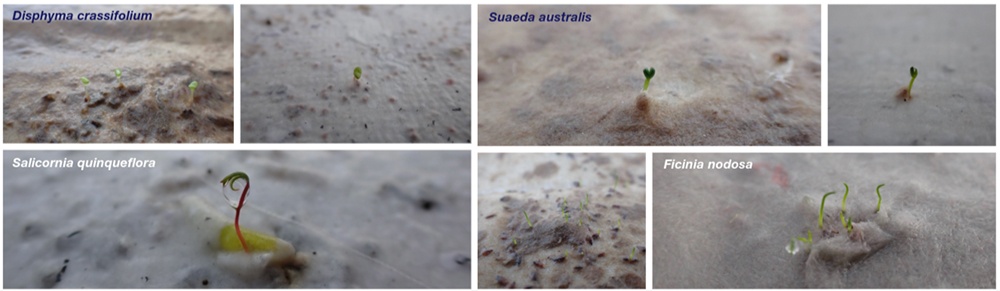
Series of photos showing early stages of plant germination. Disphyma crassifolium has small green shoots; Suaeda australis displays young sprouts emerging from the surface; Salicornia quinqueflora is captured with nascent growth, and Ficinia nodosa has green shoots breaking through the soil.

Soil Pod Germination

We tested two types of soil-based carriers: soil pods and soil discs, trialling both with seeds either sprinkled on the outside or mixed within the substrate.

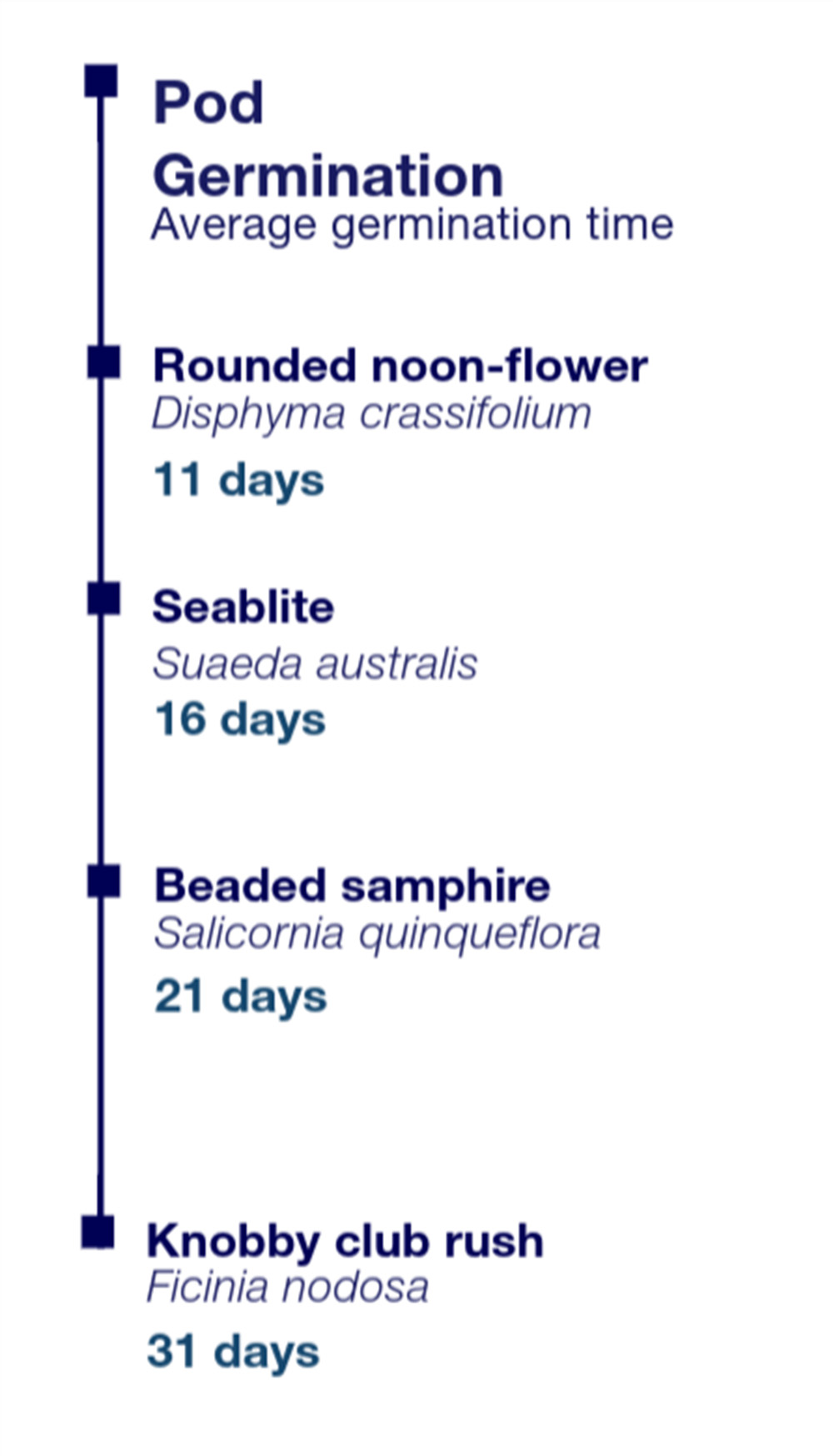
Diagram titled "Pod Germination Average germination time" showing germination periods for various plants. Rounded noon-flower (Disphyma crassifolium) takes 11 days, Seablite (Suaeda australis) takes 16 days, Beaded samphire (Salicornia quinqueflora) takes 21 days, and Knobby club rush (Ficinia nodosa) takes 31 days.

Key Highlights

  • Discs outperformed pods, especially when seeds were sprinkled on the surface rather than mixed inside.
  • Rounded noon-flower was the most successful species in pods/discs, with rapid germination (avg. 11 days).
  • Beaded samphire began germinating later than other species, but has now established in several pod and disc treatments.
  • Knobby club rush has only just begun germinating in the soil discs, with seeds on the inside—after 31 days.
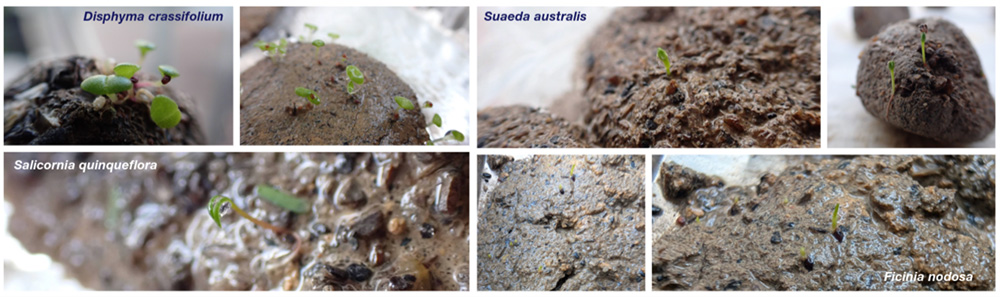
Series of photos depicting germination of several seeds. Disphyma crassifolium is shown sprouting small green shoots; Suaeda australis sprouts are emerging from soil; Salicornia quinqueflora shows developing seedlings, and Ficinia nodosa has tiny shoots emerging from soil.

What’s Next?

We’re now moving from the greenhouse and into the field. Over the coming months, we’ll trial these seed delivery methods in a range of saltmarsh ecosystems across Melbourne, testing them in both low and high wave energy environments. This next step will help us assess how well these approaches perform in real-world conditions, where tides, wind, and salinity all come into play.

This project is a great example of how research, innovation, and community can come together to make nature positive change. We are deeply grateful to the Intrepid Foundation and our amazing group of citizen scientists for making this work possible.

Stay tuned as we continue growing resilient wetlands, one seed at a time.


#BlueCarbon #SaltmarshRestoration #CitizenScience #NaturePositive #ClimateAction #CoastalWetlands

31 July 2025

Share

31 July 2025

Share

Related News

aboriginal flag float-start torres strait flag float-start

Acknowledgement of Country

RMIT University acknowledges the people of the Woi wurrung and Boon wurrung language groups of the eastern Kulin Nation on whose unceded lands we conduct the business of the University. RMIT University respectfully acknowledges their Ancestors and Elders, past and present. RMIT also acknowledges the Traditional Custodians and their Ancestors of the lands and waters across Australia where we conduct our business - Artwork 'Sentient' by Hollie Johnson, Gunaikurnai and Monero Ngarigo.

More information