European research lays the groundwork for future stem cell clinical trials

European research lays the groundwork for future stem cell clinical trials

RMIT has contributed to an international consortium exploring how human mesenchymal stem cells could help to repair brain injury in children born preterm.

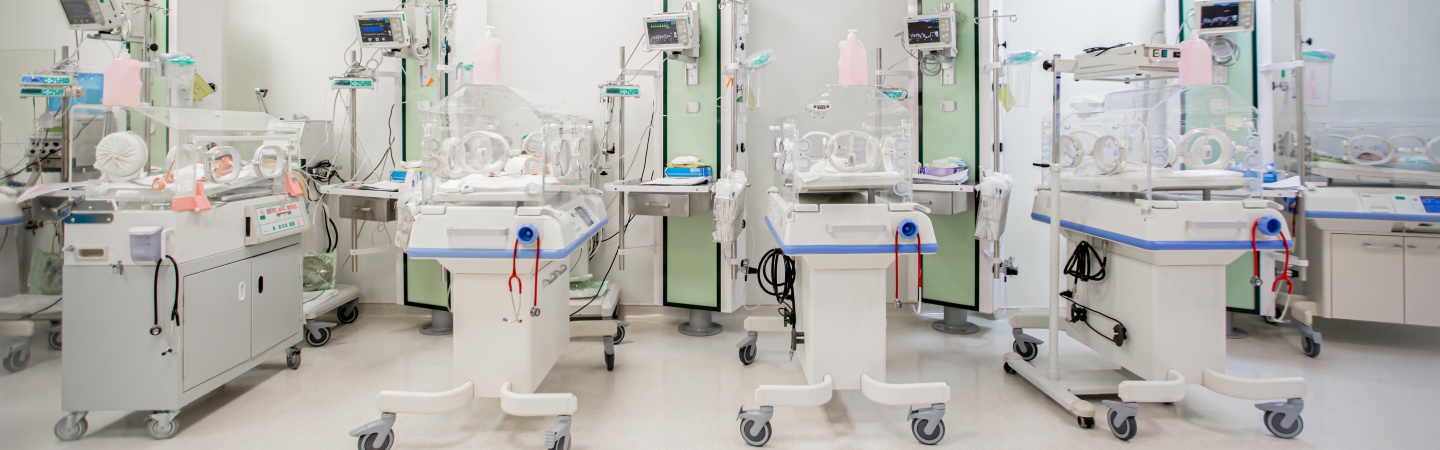
Every year, around 15 million babies worldwide are born before 37 weeks of gestation. 

Being born preterm can disrupt development, and earlier births increase the risk of life-changing health outcomes.

There are currently no treatment options for brain injury that occurs because of preterm birth, but progress has been made thanks to the PREMSTEM project. 

With support from the European Union and NHMRC, RMIT has partnered with international experts to investigate whether human mesenchymal stem cells (h-MSCs) could be the key to helping children affected by early-life brain injury.

New understanding of how stem cells work 

Associate Professor Bobbi Fleiss from RMIT’s School of Health and Biomedical Sciences said that a primary goal of PREMSTEM was to uncover the answers to three key questions. 

“We wanted to find out when we should give the stem cells, how to give them – via the nose or bloodstream – and how many were needed to have a positive effect on models of brain injury,” she said. 

Using h-MSCs from donated umbilical cord tissue, one of the project’s early tasks was to test their effect in different models of brain injury, varying the timing and route of administration as well as the number of cells. 

To manage this large amount of data, the team worked with bioinformaticians to create a scoring system to identify the most effective combination of timing, dose and administration route.

They saw that the most promising results came when delivering the stem cells via the nose and a short while after brain injury had occurred. 

“Our comprehensive pre-clinical studies undertaken by multiple teams demonstrate that this type of stem cell can have a positive effect on brain damage in different models of perinatal brain injury,” Fleiss said.

“Excitingly we also saw them having a positive impact on other types of cells, helping the brain to repair itself after a traumatic event like preterm birth.”

Technologies to diagnose brain injury at the bedside 

Another achievement of PREMSTEM has been to pioneer new brain imaging tools using ultrafast ultrasound that can be used to look into the brain at the bedside. 

Researchers at Physics for Medicine Paris and industry partner, Iconeus, have developed diagnostic tools that look for blood vessel abnormalities in cases of brain injury. 

“This exciting technology can help clinicians to better diagnose brain injury in children in a non-intrusive and comfortable way, keeping babies with their families even as we investigate their brains,” Fleiss said.
11 February 2026

Share

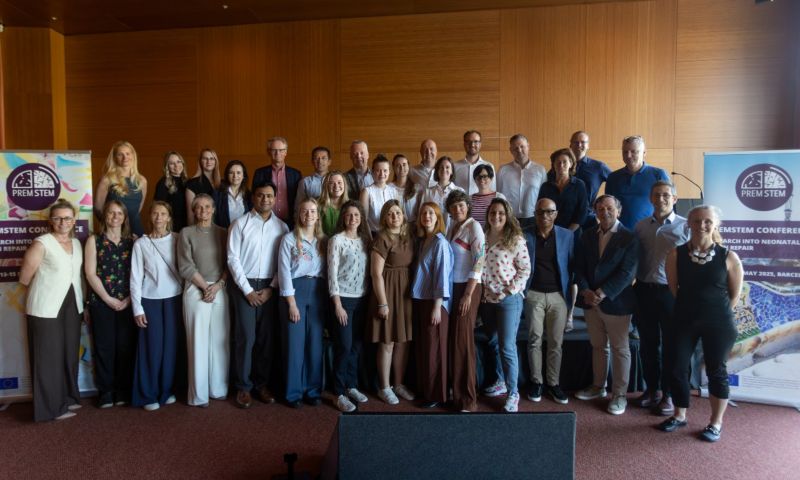
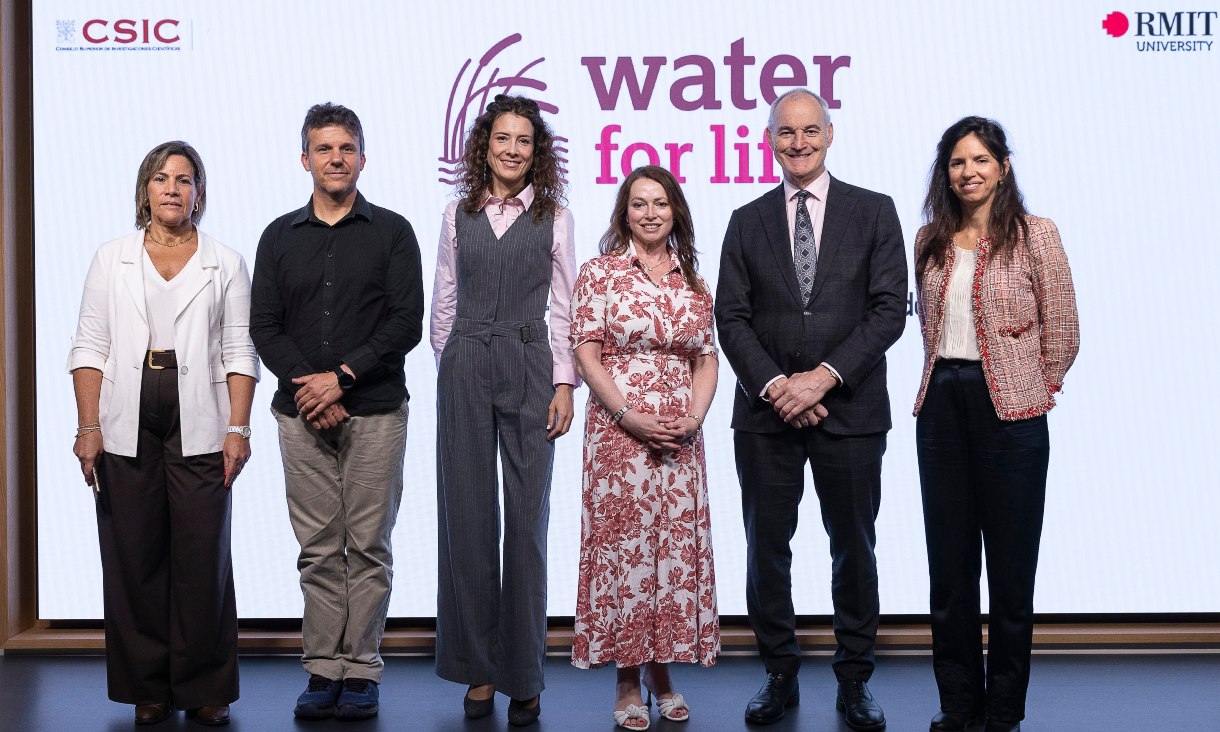
PREMSTEM consortium Project partners at the PREMSTEM Conference in Barcelona in May 2025.

Stakeholder opinions embedded in the research

To complement and enrich the scientific endeavours, RMIT Europe played a central role in PREMSTEM’s stakeholder engagement and communications strategy. 

Through a series of co-creation activities, the RMIT Europe team collaborated with Enrique Conches at Punk Design to deliver workshops and interviews with parents, patient advocates, neonatologists, clinicians, nurses and researchers. 

The goal was to identify gaps in the information provided to the community about the safety and utility of stem cells and address societal concerns related to PREMSTEM’s stem cell research.

These activities resulted in a communications roadmap co-designed by the participants to guide future clinical research with families. 

Over six years, PREMSTEM researchers have shown that h-MSCs can positively impact brain injury and inflammation in lab settings, paving the way for future, family-focused clinical trials in humans. 

PREMSTEM consortium: Inserm (coordinator), RMIT University, RMIT Europe, UMC Utrecht, Maastricht University, Radboudumc, University Hospital Essen, Gothenburg University, CNR Institute of Neuroscience, University of Geneva, Iconeus, Cerebral Palsy Alliance, Global Foundation for the Care of Newborn Infants, Inserm Transfert, Chiesi Farmaceutici. 

'A systematic scoring system to optimise the testing of neurotherapeutics in models of perinatal brain injury, with an applied case study of human umbilical-cord MSC' is published in Journal of Neuroinflammation. (DOI: 10.1186/s12974-025-03593-2). 


Story: Hannah Tribe

PREMSTEM is coordinated by the Institut National De La Santé et de La Recherche Médicale (Inserm) and has received funding from the European Union’s Horizon 2020 research and innovation programme under grant agreement No 874721.

11 February 2026

Share

  • Research
  • STEM
  • Science and technology
  • RMIT Europe

Related News

aboriginal flag float-start torres strait flag float-start

Acknowledgement of Country

RMIT University acknowledges the people of the Woi wurrung and Boon wurrung language groups of the eastern Kulin Nation on whose unceded lands we conduct the business of the University. RMIT University respectfully acknowledges their Ancestors and Elders, past and present. RMIT also acknowledges the Traditional Custodians and their Ancestors of the lands and waters across Australia where we conduct our business - Artwork 'Sentient' by Hollie Johnson, Gunaikurnai and Monero Ngarigo.

More information