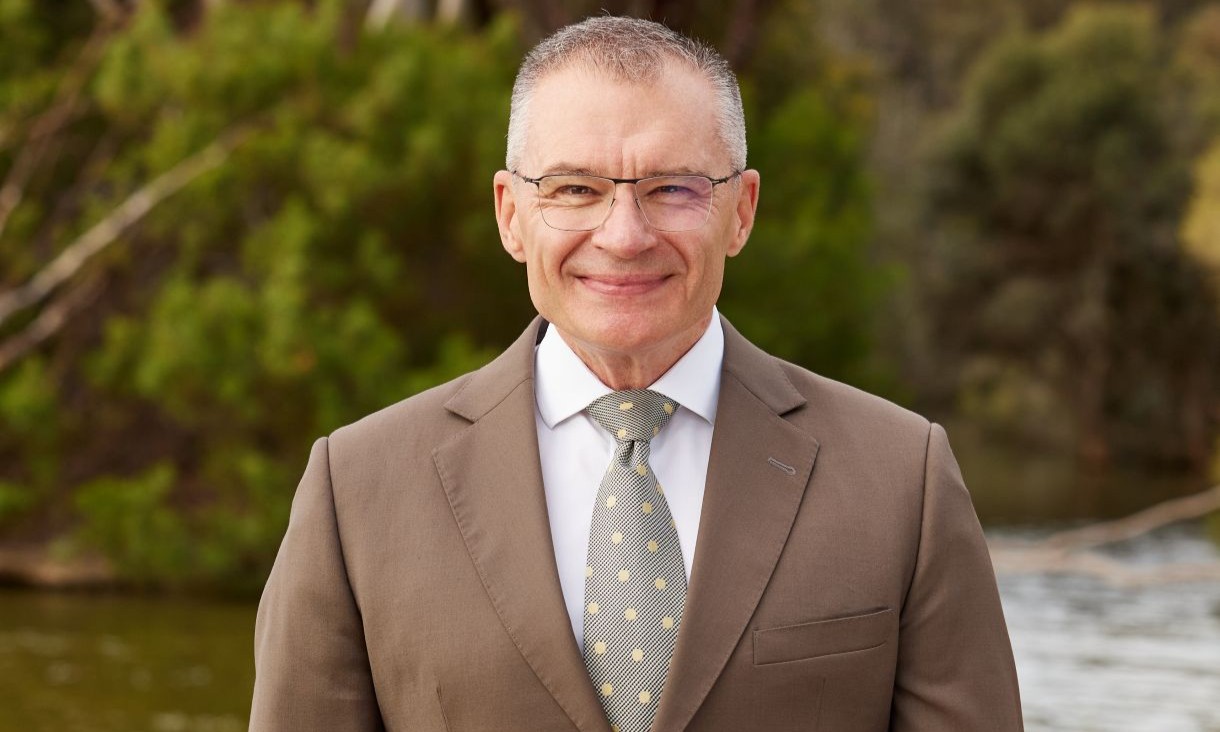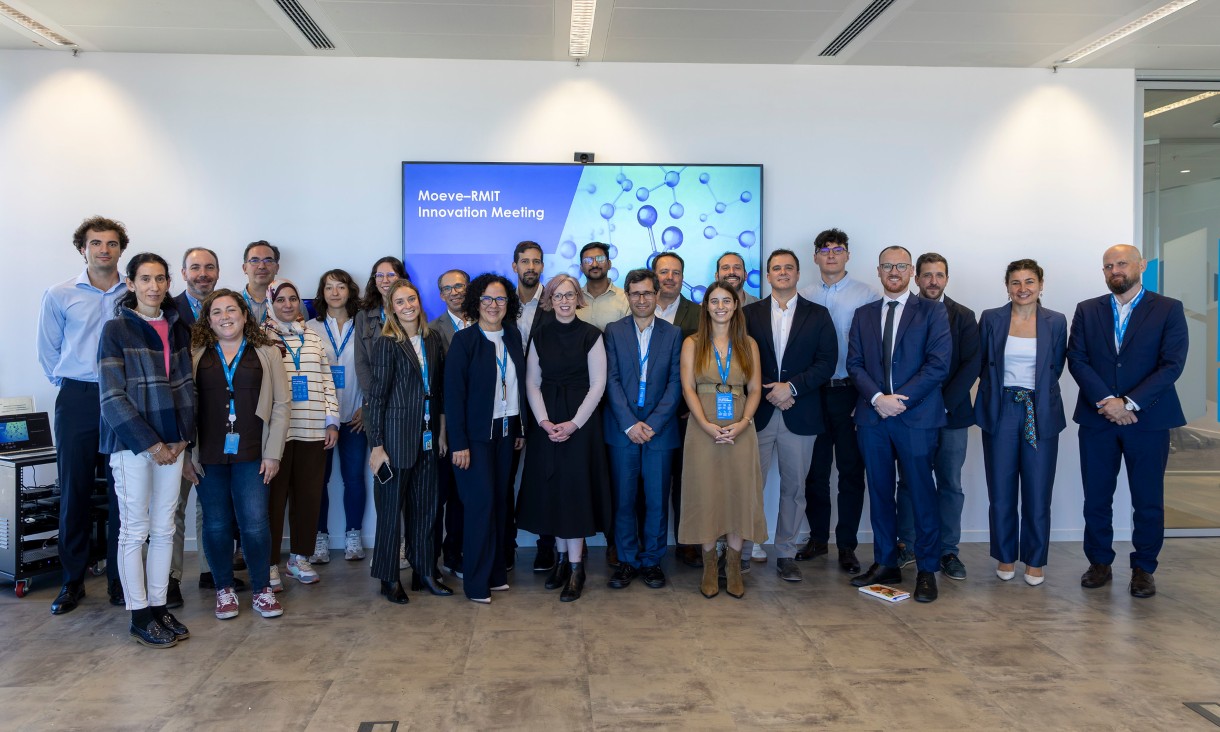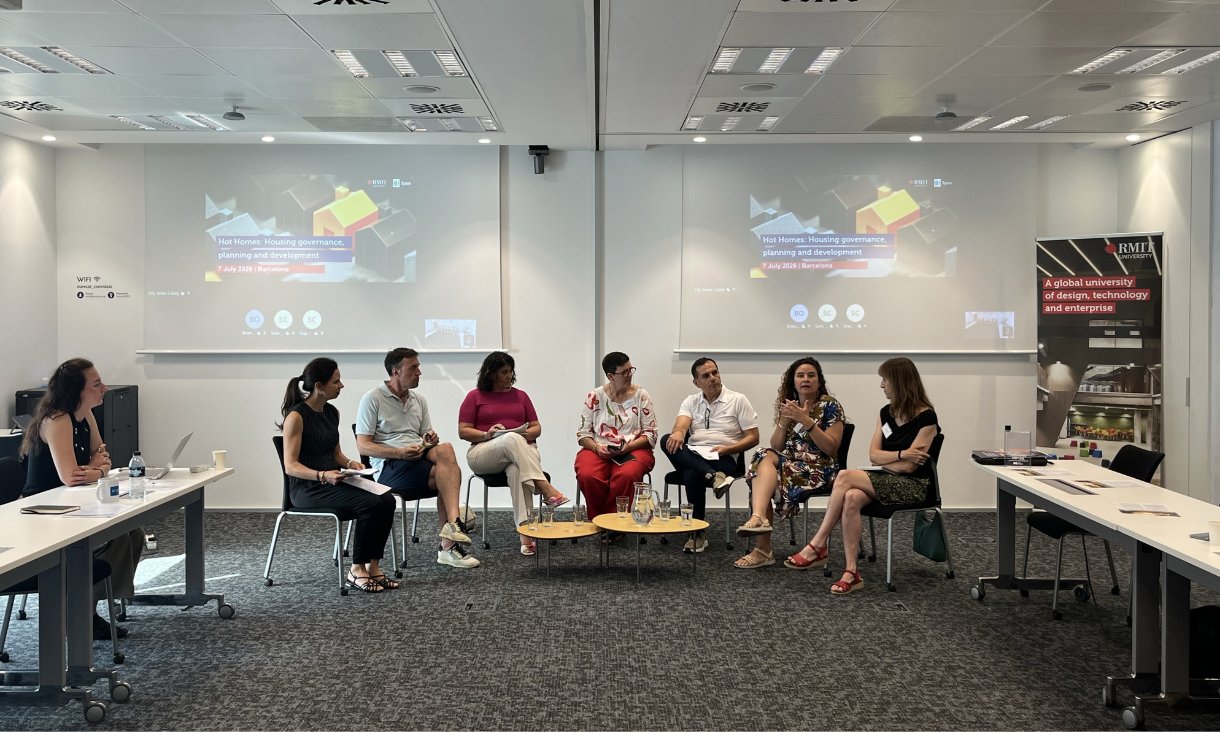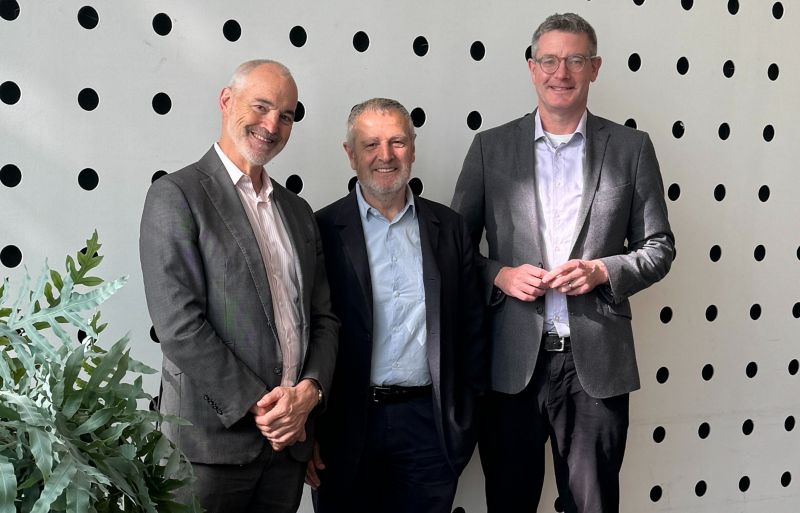
The RMIT roundtable was hosted by Vice-Chancellor and President Professor Alec Cameron and Vice-President Strategy and Community Impact Tom Bentley.
“At RMIT, we’re focused on going beyond a sustainable future and towards a regenerative future,” Professor Cameron said.
“We’re setting our ambitions high with the best practice we want to provide in that space.”
The roundtable brought together experts from across sectors, including the University of Melbourne, the Victorian Government, Yarra Trams, and the Municipal Association of Victoria.
Participants questioned Mr Rueda about the implementation of superblocks in Melbourne, a planning concept that reimagines the traditional city grid by reducing car traffic and improving sustainability and liveability.
“The superblock model is a network, and the objective is to release the maximum surface area in the city, and to assure the relations and functionality of the city. It reduces the current disruptions in the city,” he said.
"And the economy always grew ... a minimum of 15 per cent economic increase with superblocks ... in Melbourne it is possible to do this."
But Mr Rueda said a transdisciplinary approach was critical in overcoming political and cultural challenges.
“We have a very big problem in complex systems like ours, and it’s cultural. About 30 per cent of people were against the superblocks project [in Barcelona] because they don’t want to change their habits. For example, the interest of the car industry is very big,” he said.
“It’s possible that all these interests win. We need to synthesise these key elements to guide the transformation.”
The roundtable builds on RMIT’s existing collaborative work with government, industry and community to regenerate Melbourne, including through the Melbourne Innovation District and the City North Social Innovation Precinct.