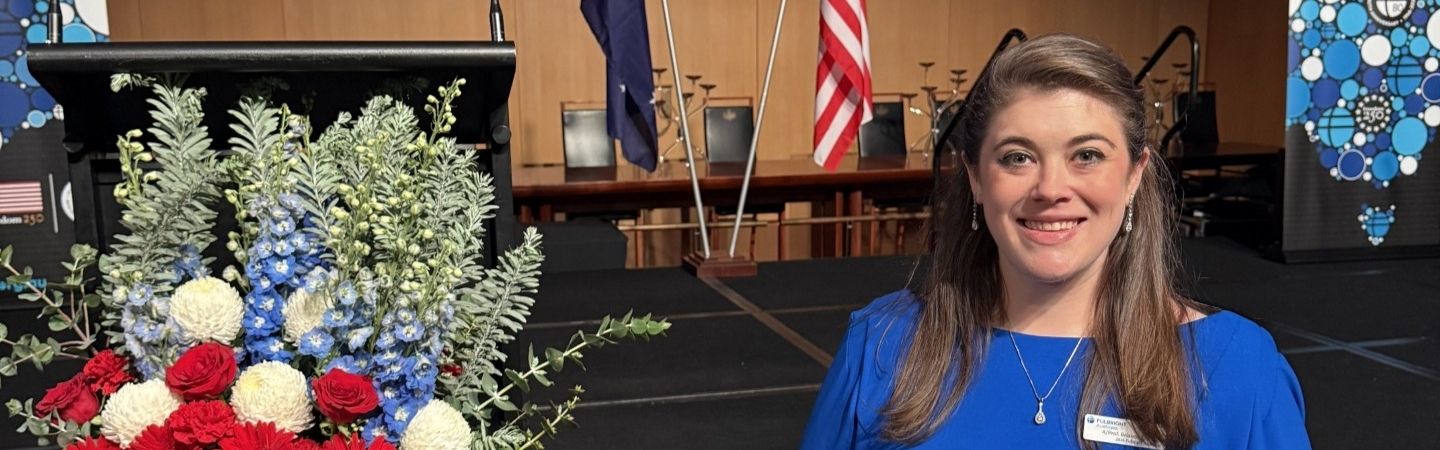
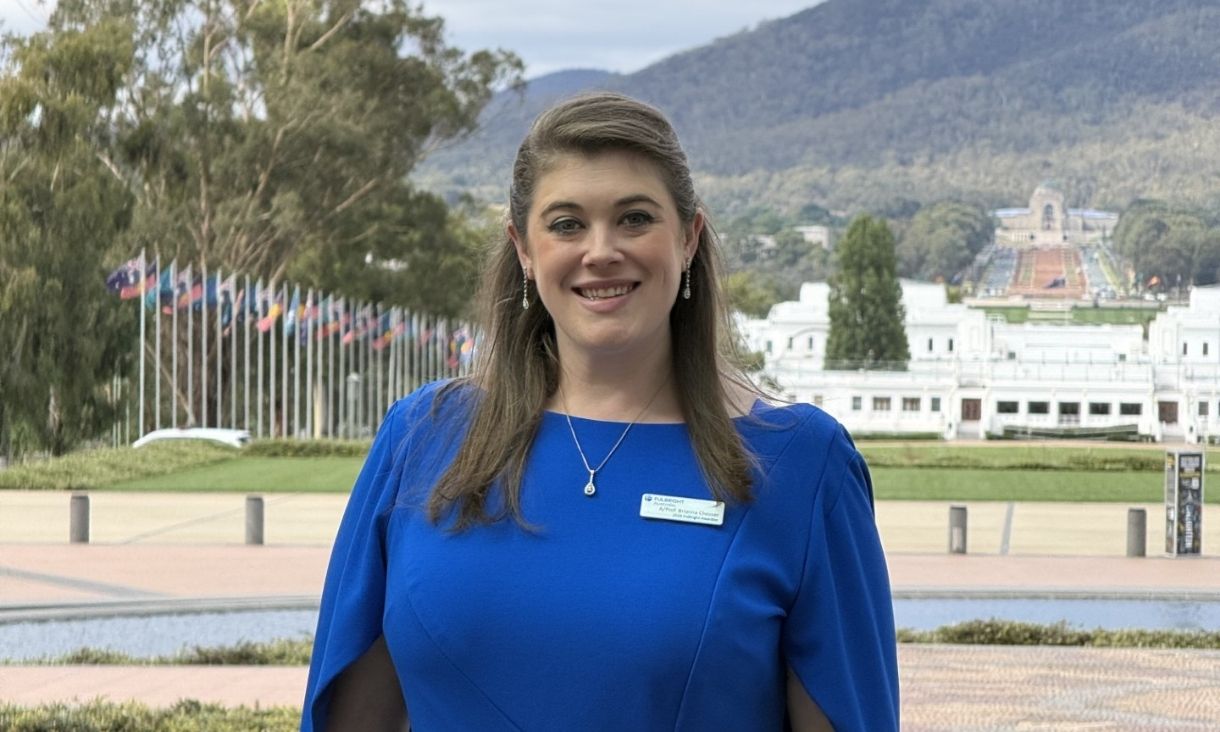
Chesser will collaborate with Professor Amy Farrell and the School of Criminology and Criminal Justice at Northeastern University, a global leader in anti-trafficking scholarship. The partnership will enable her to conduct interviews with key stakeholders including policymakers, legal professionals, survivor advocacy groups, and victim-survivors in Massachusetts, while analysing relevant policies and legislation.
The project represents a significant opportunity for knowledge exchange between Australia and the United States. Chesser will teach seminars on domestic and international criminal law and human trafficking and will lead a global symposium hosted by Northeastern University.
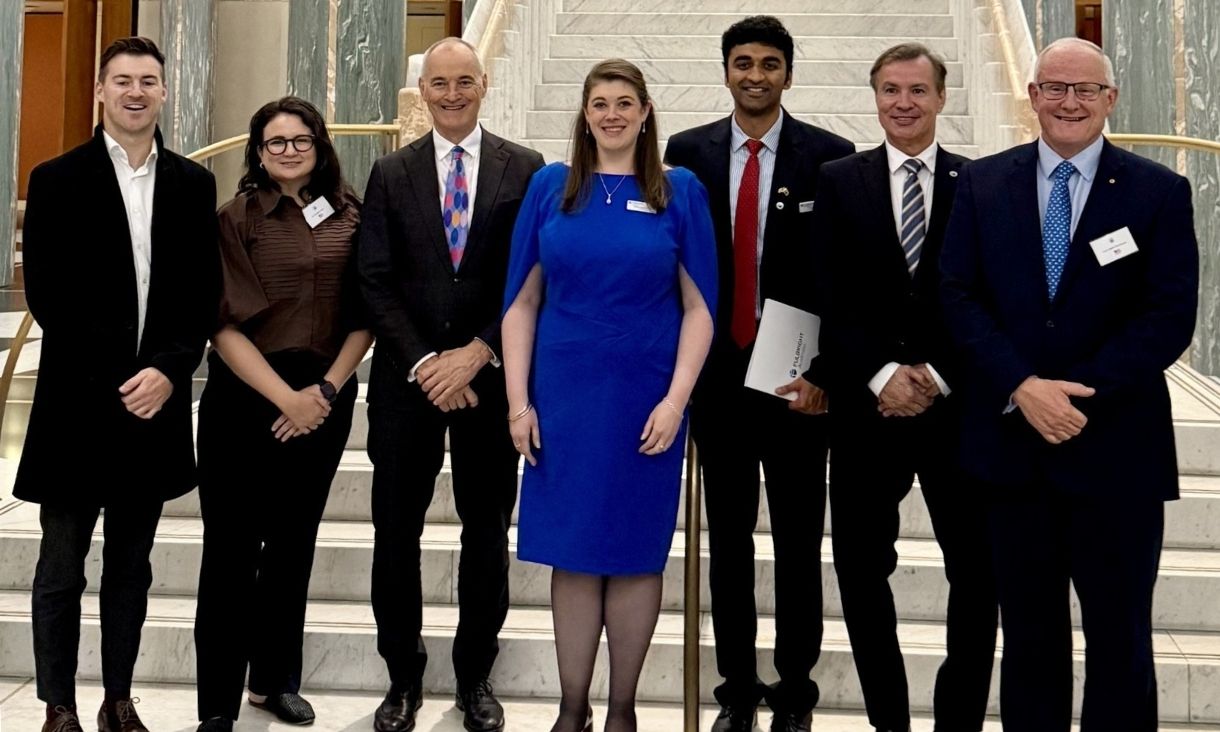
Professor Tim Marshall, RMIT’s Deputy Vice-Chancellor of Design and Social Context, praised Chesser’s achievement: “Brianna’s Fulbright Scholar Award recognises her as a leading voice in the global fight against human trafficking. Her innovative approach to reconceptualising harm and developing practical policy frameworks exemplifies RMIT’s commitment to research that creates real-world impact. This collaboration with Northeastern University will not only advance scholarship in this critical area but will forge lasting partnerships that strengthen both Australia’s and the United States’ capacity to protect the most vulnerable members of our global community.”
Human trafficking generates an estimated US$150 billion annually, with US$99 billion coming from commercial sexual exploitation in wealthy industrialised nations. In Australia, trafficking of women into debt-bonded prostitution accounts for the majority of victims. Yet current penalties often fail to match the severity of these crimes, as demonstrated by Australia’s first successful trafficking prosecution, where the perpetrator received a fully suspended sentence despite making an estimated $1.2 million from each of seven Thai women he trafficked.
The research findings will be published in leading international journals and shared with the Australian Attorney General, NGOs, and key stakeholders. The ultimate goal is to create an operational framework that better protects survivors while holding perpetrators accountable.