As temperatures rise, inequality deepens
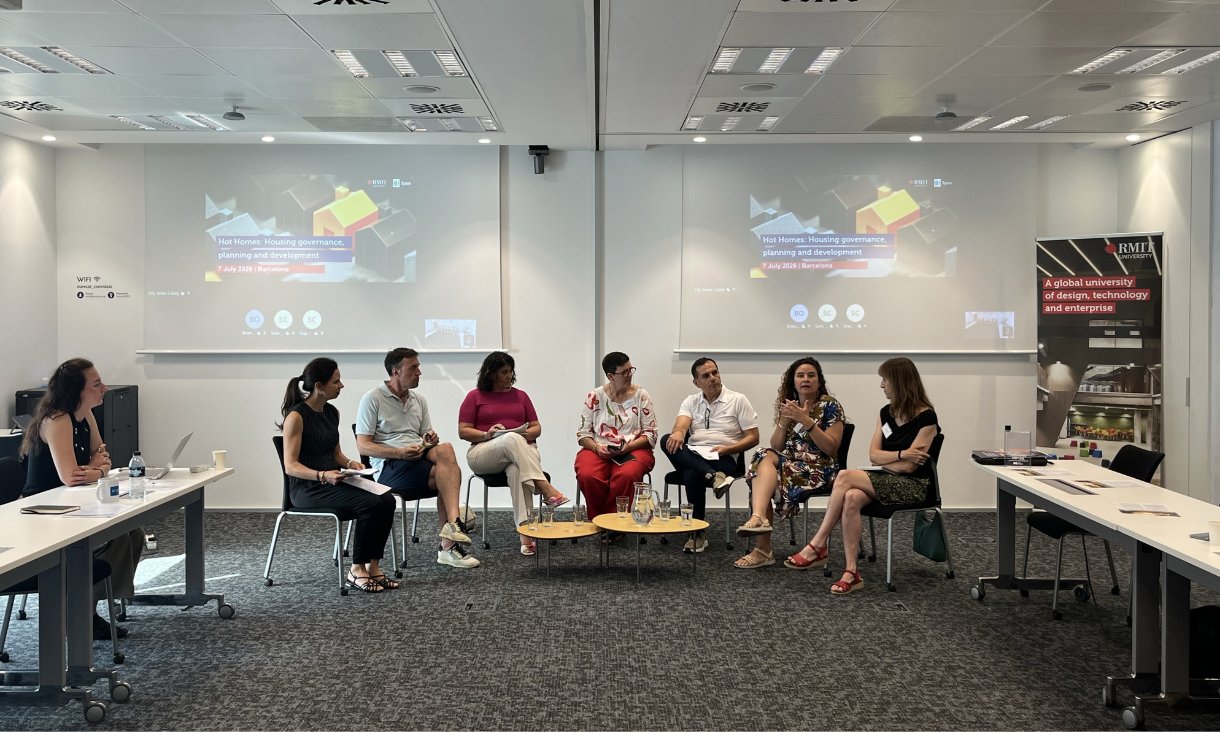
Earlier this year, RMIT Europe and the Urban Land Institute (ULI) Spain invited experts to Barcelona to explore the growing tension between extreme heat and housing.
RMIT recognised at 2026 Good Design Awards
Eight projects featuring RMIT design research, outcomes and collaborations have been honoured at the 2026 Australian Good Design Awards.
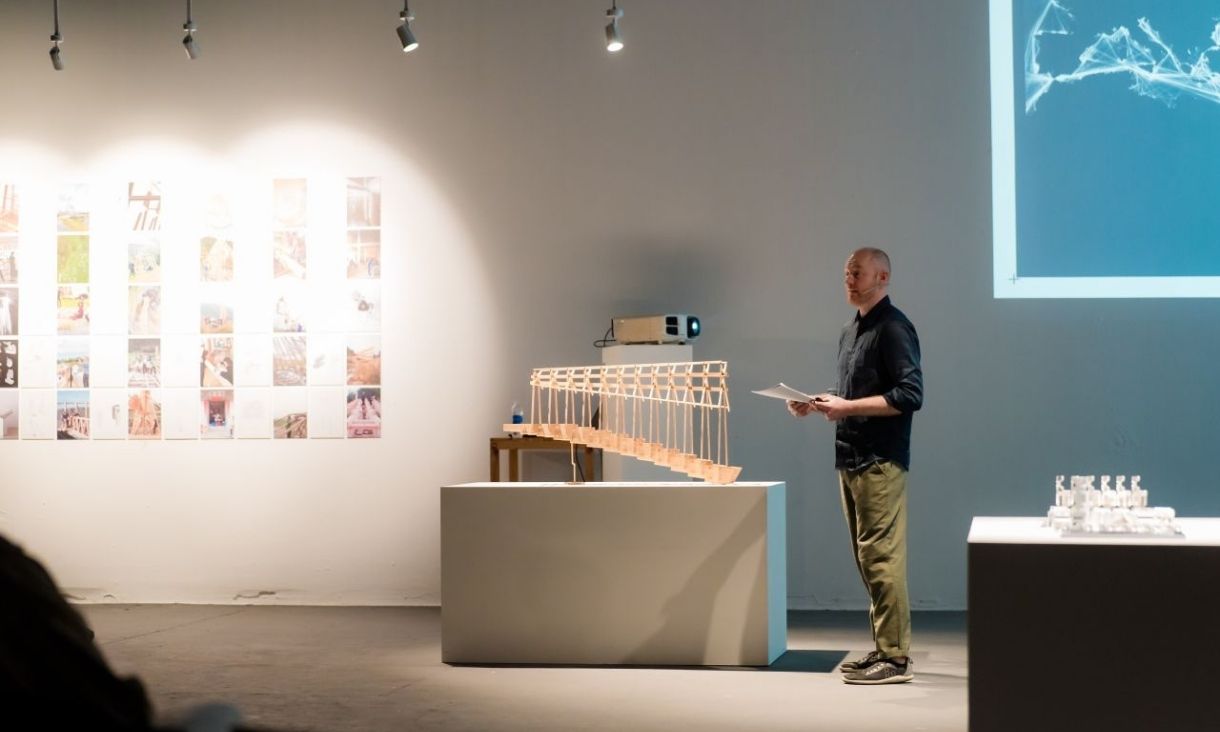
A semester of global research: showcasing HDR excellence across three continents
From Ho Chi Minh City to Barcelona to Melbourne, DSC’s HDR Symposia spent the first half of 2026 engaging with RMIT’s global community of Higher Degree by Research (HDR) candidates through formal PhD examinations, milestone reviews and work in progress presentations.
.jpg)
RMIT advances sustainable housing leadership at WSBE26
RMIT University was honoured to recently host the World Sustainable Built Environment Conference 2026 (WSBE26) in Melbourne, one of the longest‑running global scientific and technical conference series dedicated to sustainability in the built environment.



