Urbà Sensorial: RMIT students take design to the streets of Barcelona

Urbà Sensorial: RMIT students take design to the streets of Barcelona

Students from RMIT University’s College of Design and Social Context, Politecnico di Milano (Polimi) and Elisava Barcelona School of Design and Engineering (Elisava) joined forces for an intensive two-week design studio exploring urban regeneration through the senses.

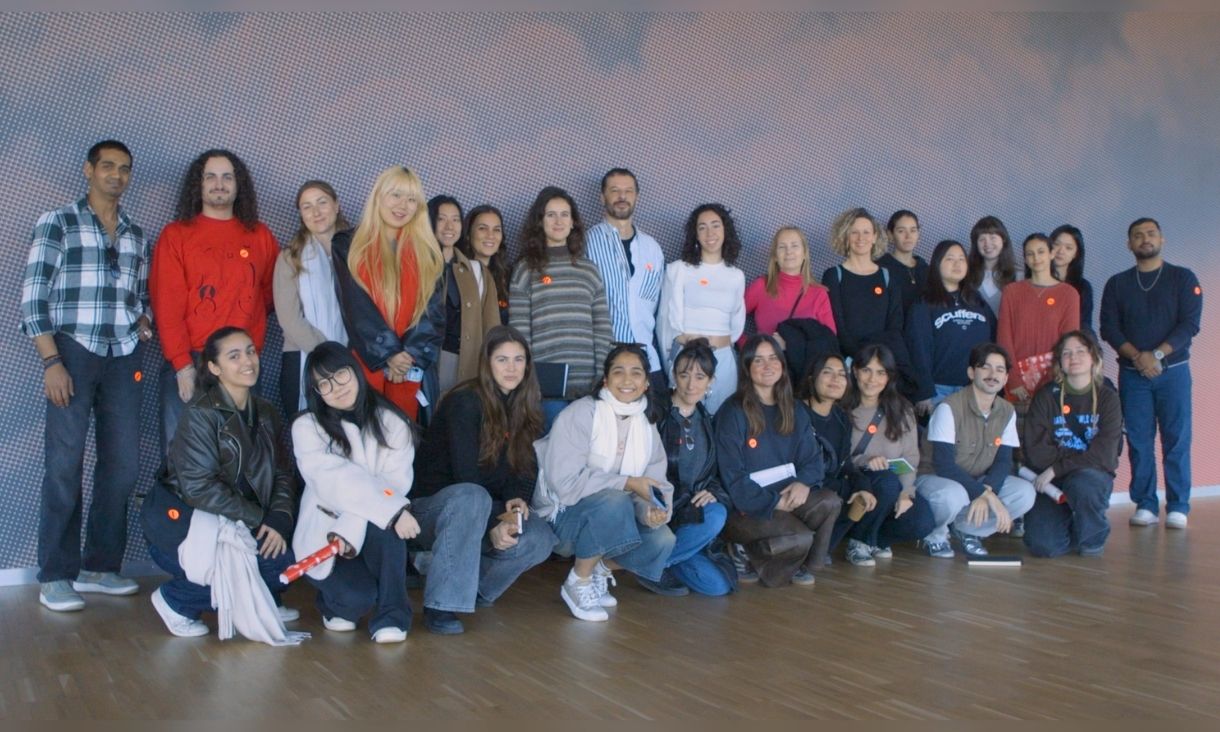
Urbà Sensorial studio students and staff from RMIT University, Politecnico di Milano and Elisava Barcelona School of Design and Engineering gather behind a pink and blue wall for a group shot.Urbà Sensorial studio students and staff from RMIT University, Politecnico di Milano and Elisava Barcelona School of Design and Engineering after a guided tour of the Matter Matters exhibition at the Disseny Hub Barcelona.

Held in Barcelona, Urbà Sensorial brought together students from across the globe and design disciplines for a hands-on studio focusing on designing cities through sensory experience, not just planning.  

Initiated by RMIT Europe and RMIT’s Master of Design Innovation and Technology (MDIT), the studio involved students from RMIT's MDIT and Master of Urban Planning and Environment, Polimi’s Master of Product Service System and Master of Interior and Spatial Design, and Elisava’s Bachelor of Design. 

Led by MDIT Co-Program Manager, Dr Olivier Cotsaftis, the studio challenged students to move beyond maps and data and engage with Barcelona as a living, sensory environment - exploring its streets, public spaces, and ecological layers through listening, walking, observing, and making. 

"It's incredibly rewarding to reopen MDIT internationally after a few years of absence from Europe," said Dr Cotsaftis. "Working with cities like Barcelona, recognised for their leadership in urban design, gives students first-hand experience in urban regeneration and opens up new opportunities for design research with our partners." 

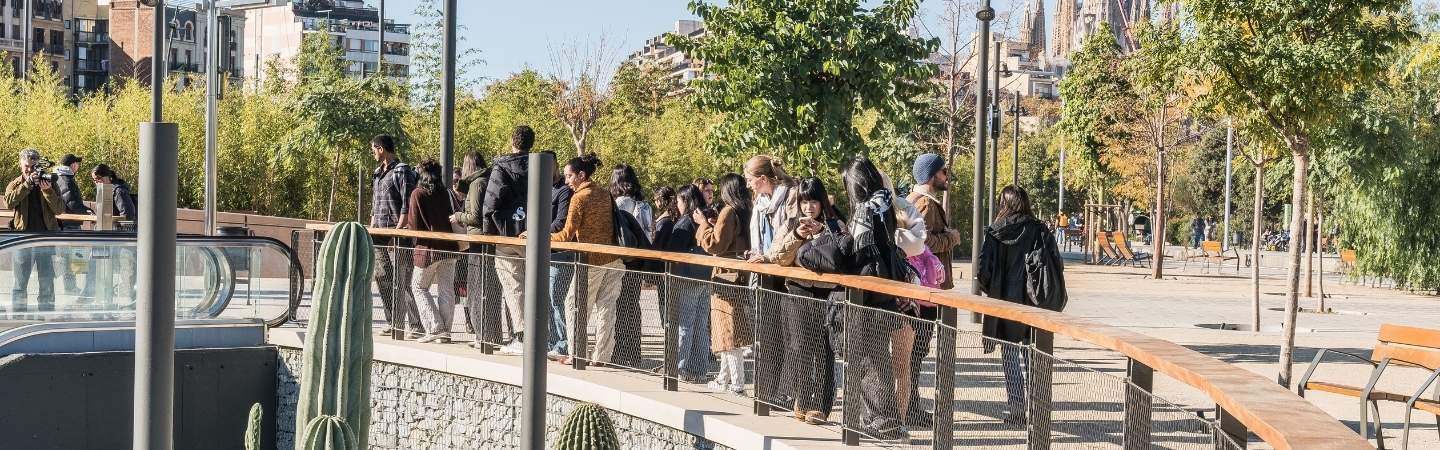
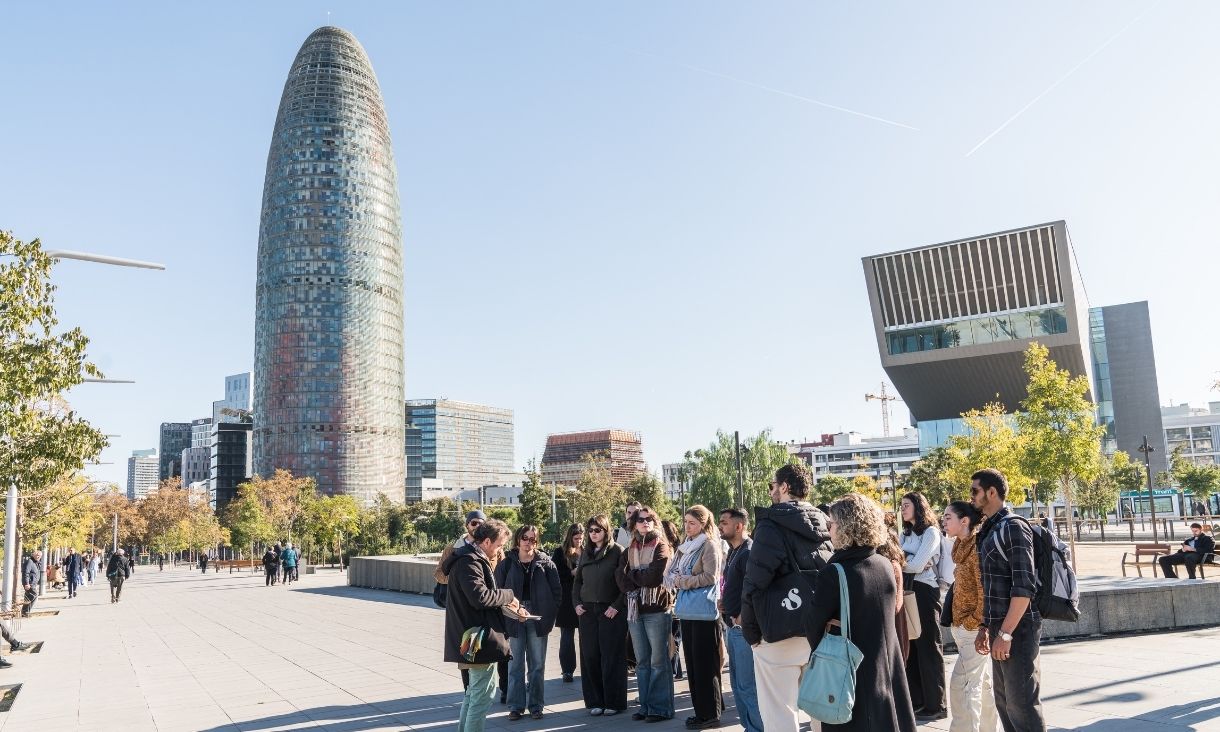
Students gathered at Plaça de les Glòries, Barcelona in a group, being spoken to by Jordi Marfà.Jordi Marfà, Architect and Urban Planner at the City of Barcelona, with students and staff visiting Plaça de les Glòries, Barcelona.

Learning from Barcelona's urban transformation

Students engaged directly with some of Barcelona's most significant urban regeneration initiatives, working alongside leading practitioners and researchers throughout the studio. Students had the opportunity to tour one of Barcelona’s flagship urban regeneration projects, the Sant Antoni Superblock, guided by its creator, Urban Ecologist, and RMIT Honorary Doctorate recipient, Salvador Rueda.  

They also visited the Matter Matters exhibition at Disseny Hub Barcelona, guided by its curator and RMIT alumna, Olga Subirós, and participated in a sensorial tour of the Rambla Prim precinct, with Dr Sara Lenzi (Deusto University and the Design Research Society) and Valentina Caiola (City University of Hong Kong). 

Dr Lenzi shared with students the importance of paring back urban design approaches to focus on the human experience, saying, "urban planners have traditionally relied more and more on numerical and digital data. But in a time of great challenges, it is necessary to shift the focus of urban design back to the qualitative, the material, the sensorial — the foundational experiences through which we build our relationship with the world." 

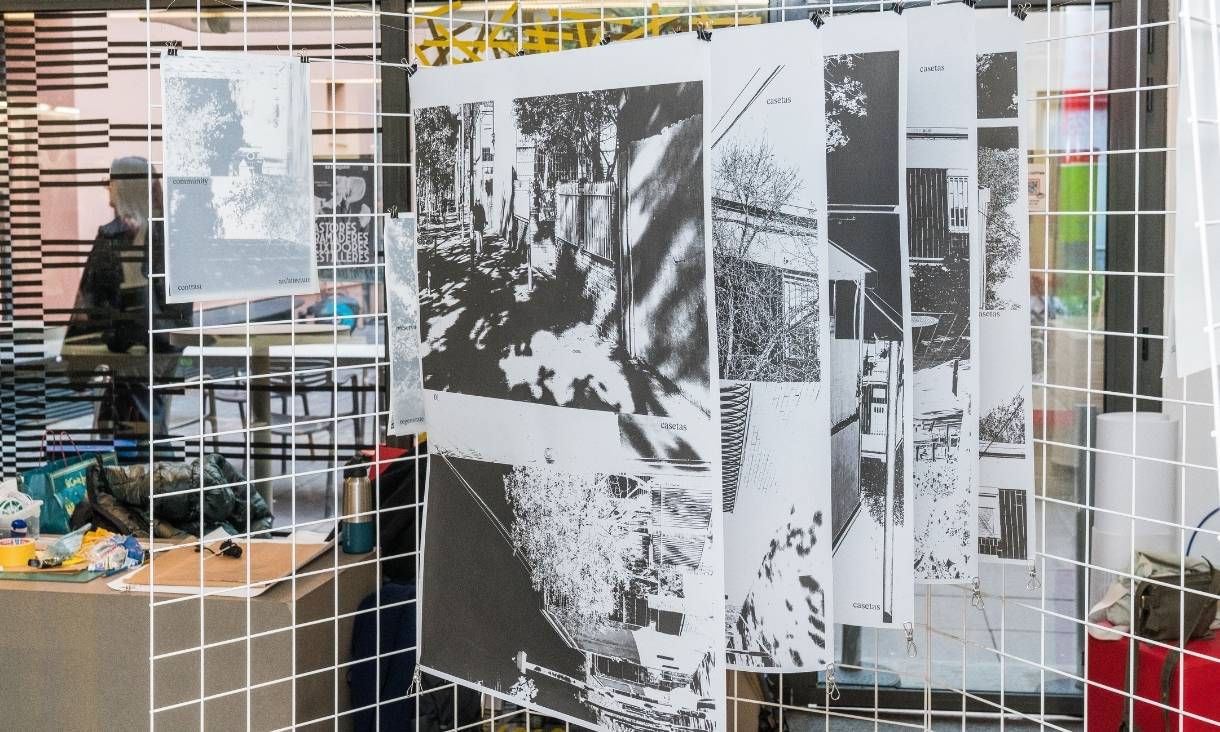
Black and white prints are hung up on a white grate, depicting streets and houses.Student work exhibited in final studio presentations at Elisava Barcelona School of Design and Engineering.

Making and reflecting

Drawing upon these site visits, a series of workshops and lectures, and mentorship sessions with local academics, urban planners and artists, the students translated their fieldwork into creative propositions — producing collaborative works through materials, sound, video, performance, and spatial intervention as mediums. The studio concluded with a public exhibition and panel presentation at Elisava Barcelona School of Design and Engineering. 

For RMIT MDIT student Alexia Maegli Aguero, the experience reshaped how they think about design practice.  

"Being in the city, on-site, and always in conversation with people made it easy for theory and practice to come together," she said. "The diversity of backgrounds and ideas made it clear that urban challenges aren't solved with a single solution, but through a mix of perspectives and overlapping approaches." 

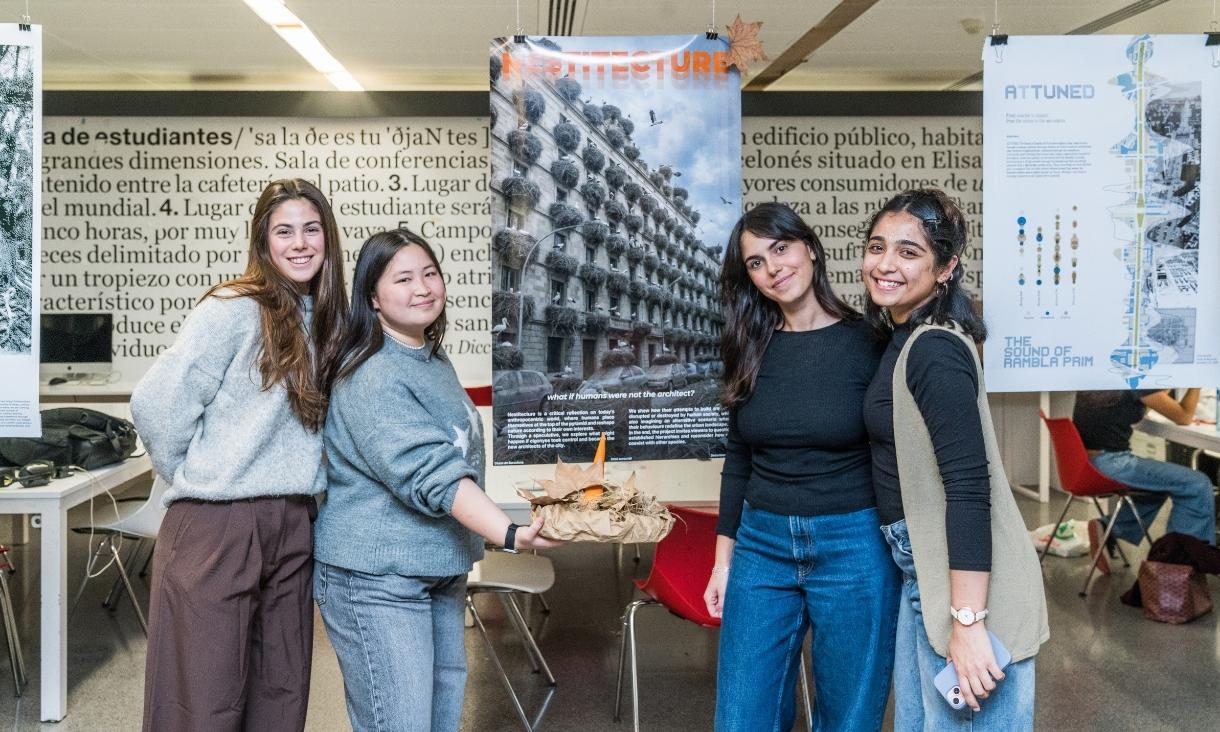
L-R: Students Matilde de Grenet (Polimi), Berta Cruells (Elisava), Camilla Cristante (Polimi), and Rhiya Bhatia (RMIT MDIT) during their final studio presentation at Elisava Barcelona School of Design and Engineering.L-R: Students Matilde de Grenet (Polimi), Berta Cruells (Elisava), Camilla Cristante (Polimi), and Rhiya Bhatia (RMIT MDIT) during their final studio presentation at Elisava Barcelona School of Design and Engineering.

International collaboration

Associate Professor Laura Galluzzo from Politecnico di Milano's DESIS Lab said the experience pointed to what's possible when universities work together:  

"This inaugural edition showed that teaching is not only a means of knowledge exchange, but also a powerful driver of international collaboration and future research opportunities." 

barcelona-urba-sensorial-26-image5-1220x732px - 1

The research and engagement components of Urbà Sensorial were supported by RMIT University's Urban Futures and Global Business Innovation Enabling Impact Platforms. 

Learn more about the Master of Design Innovation and Technology and Master of Urban Planning and Environment at RMIT. 


Story: Duncan Scott

Share

  • Arts and culture
  • Architecture
  • Design
  • DSC
  • Student experience
  • Urban Design
  • RMIT Europe

Related News

aboriginal flag float-starttorres strait flag float-start

Acknowledgement of Country

RMIT University acknowledges the people of the Woi wurrung and Boon wurrung language groups of the eastern Kulin Nation on whose unceded lands we conduct the business of the University. RMIT University respectfully acknowledges their Ancestors and Elders, past and present. RMIT also acknowledges the Traditional Custodians and their Ancestors of the lands and waters across Australia where we conduct our business - Artwork 'Sentient' by Hollie Johnson, Gunaikurnai and Monero Ngarigo.

More information