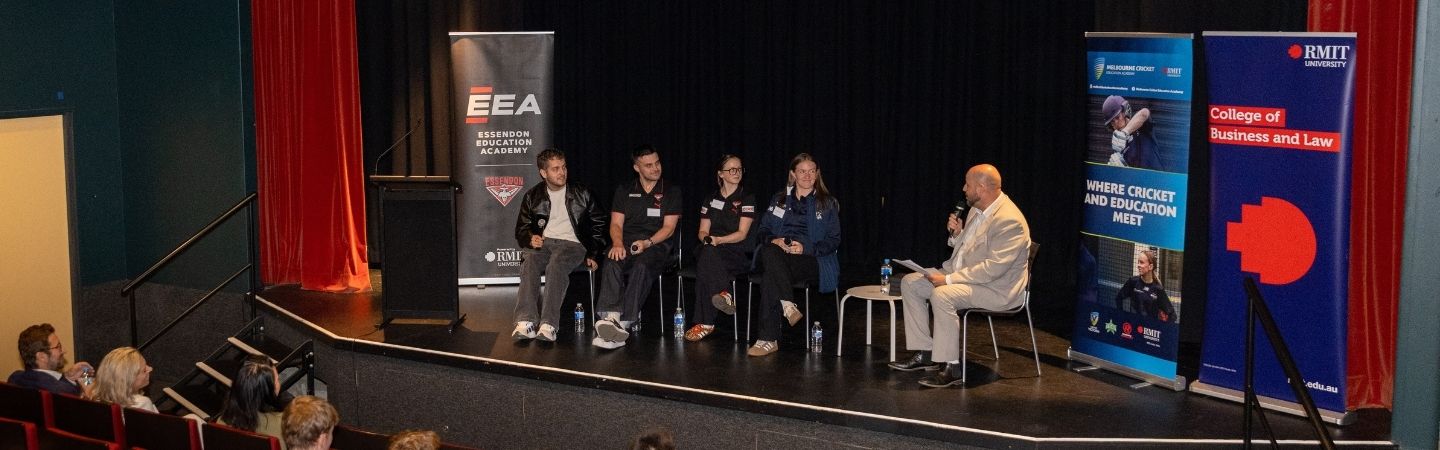
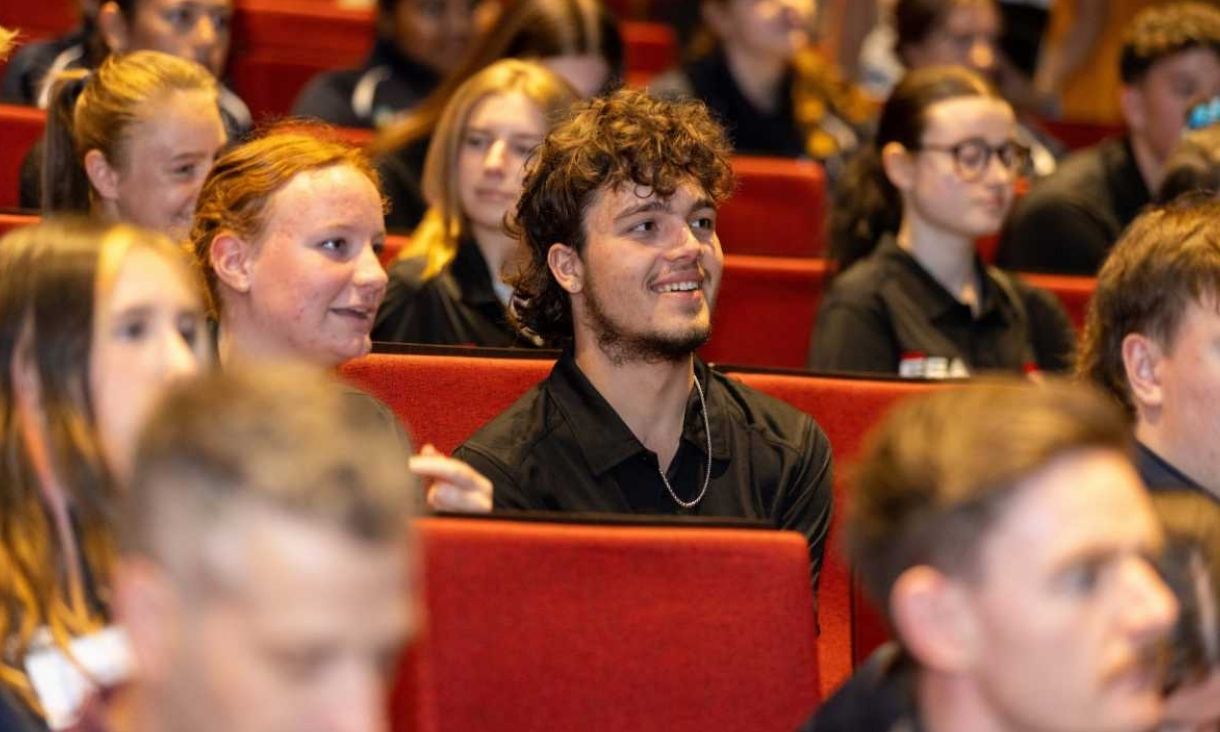
Peter Komsta, Director Business and Enterprise Cluster in the College of VE at RMIT, said the aim of the symposium was for students to gain a deeper understanding of the wide range of careers across the sport ecosystem, and begin building their networks that may lead to career opportunities in the industry.
"Events like this also reflect what makes RMIT distinctive, our long-standing commitment to partnering with industry,” he said.
“Through programs such as our academies with Essendon Football Club and Cricket Victoria, we have demonstrated how applied learning and strong industry partnerships can create powerful career pathways for students while supporting organisations with emerging talent and new ideas.”
Komsta said the symposium serves a larger ambition in the College of VE: the development of an RMIT Global Sport Business Hub.
“At RMIT we aim to be a leading institution for sport business capability, innovation and industry-connected education,” he said.
“The Global Sport Business Hub would be platform to develop sport business leadership through applied learning, global industry partnerships, and stronger pathways between vocational and higher education.”
Kristin Hannah, Program Manager of the EEA, explained that students often chose the EEA’s integrated education-and-industry pathways as a faster, more relevant, and more engaging route into competitive sectors such as sport.
“The partnership between Essendon Football Club and RMIT University delivers a highly practical and industry‑aligned education model that significantly enhances student learning and career readiness,” she explained.
“Students benefit from hands‑on, work‑integrated learning projects directly pitched by the Club, ensuring strong engagement and the opportunity to solve real operational challenges.”
“These pathways also help students clarify their career interests earlier and build job‑ready portfolios long before graduation.”
Hannah explained that programs of this kind can support evolving workforce needs, bridging gaps between theory and practice, and ensuring that industries can develop talent with contemporary, practical, and context‑specific skills.
“By combining accredited learning with immediate practical experience, students gain real‑world skills, industry exposure, and professional networks from the outset - advantages typically unavailable in traditional university models until later years,” she said.
A keynote reflecting on a career of multiple milestones
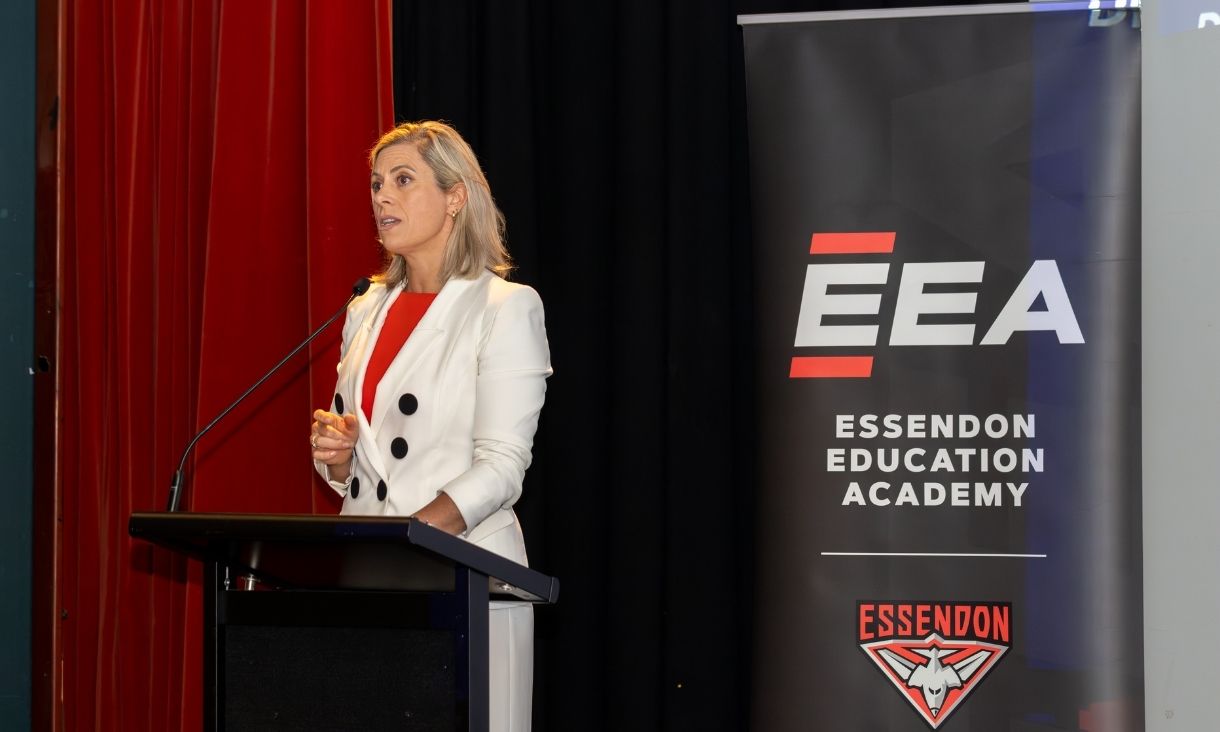
Among the attendees was Bridie O’Donnell, who gave a keynote address to the audiences, reflecting on her pathway and how sport has shaped the different iterations.
“As a kid, community sport taught me more about teamwork, leadership, failure, persistence and determination than any other environment,” she reflected.
“Racing as a professional athlete challenged me and provided me with opportunities I would never have had in any other career.”