
RMIT Associate Professor awarded 2026 Neville Quarry Architectural Education Prize

RMIT Associate Professor awarded 2026 Neville Quarry Architectural Education Prize

The Australian Institute of Architects has recognised RMIT Associate Professor Christine Phillips for her outstanding contribution to architectural education.

black and white photo of Associate Professor Christine Phillips, who is standing in front of a brick wall.RMIT Associate Professor, Christine Phillips

The Australian Institute of Architects (AIA) has awarded Associate Professor, Christine Phillips, from RMIT’s School of Architecture & Urban Design as the 2026 Neville Quarry Architectural Education Prize recipient. 

The prestigious annual prize recognises outstanding contribution in architectural education in one or more areas of teaching, scholarship, research, leadership and community engagement. 

Phillips was acknowledged for her national leadership in transforming architectural education through sustained, respectful and reciprocal partnerships with First Nations Elders and communities. 

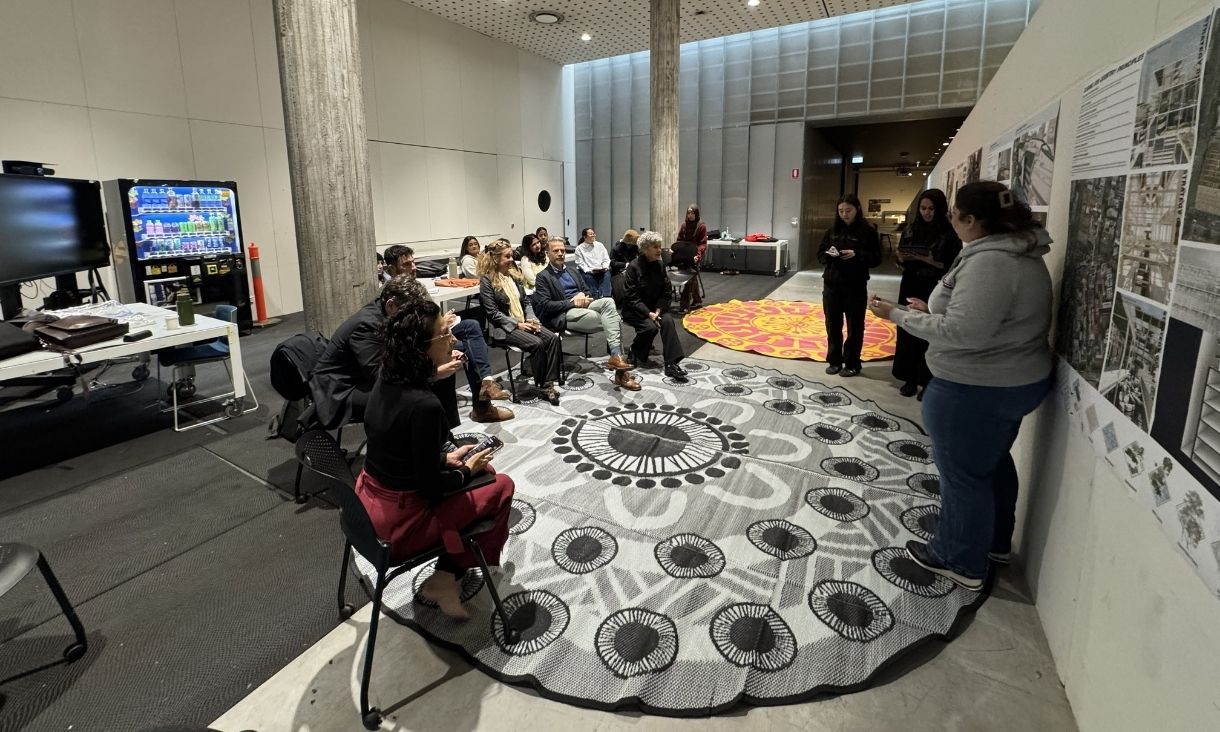
A group of people sit around together listening to presenters.Master of Architecture students present their designs to N’arwee’t Professor Carolyn Briggs AM (Monash University) and guest critics Distinguished Professor Martyn Hook, Seamus McCartney (Executive Director Property Services Group) and architect Kristin Green for a Design Studio led by Associate Professor Christine Phillips, Stasinos Mantzis with N’arwee’t Professor Carolyn Briggs AM. Taken by Stasinos Mantzis

Selected by a five-person jury, Phillips was commended for her work as, “timely, generous and exemplary, setting a benchmark for inclusive, outward-facing architectural education in Australia.” 

As coordinator of RMIT’s Australian Architecture History course, Phillips has reframed curricula to centre First Peoples’ knowledge. Through long-term collaborations with Gunditjmara/Kirrae Whurrong Elder Uncle Leonard Clarke and Boon Wurrung Elder N’arwee’t Professor Carolyn Briggs AM (Monash University), Phillips has embedded First Peoples-led and co-designed studios into RMIT’s Architecture program. Students are taught through place, story and community practice by taking them onto Country - cultivating deep listening, cultural responsibility and enduring professional capability. 

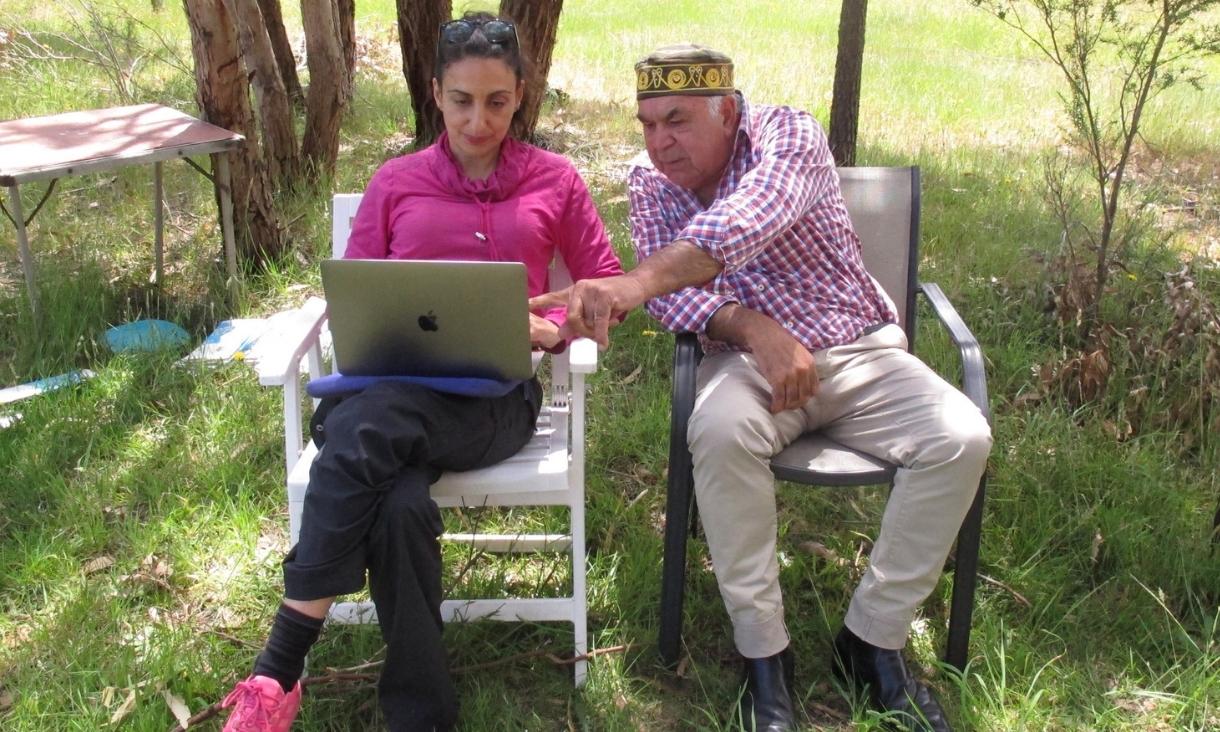
Christine sits on an outdoor lawn chair with Uncle Leonard Clarke. Associate Professor Christine Phillips codesigning Desing Studio with Uncle Leonard Clarke at Framlingham, 2018. Taken by Dr Jock Gilbert.

Professor Vivian Mitsogianni, Dean of RMIT’s School of Architecture & Urban Design, commended Phillips for her dedication to student-centred education and mentorship of the next generation of architectural leaders:

“She has demonstrated outstanding leadership through her public advocacy work, development of First Peoples’ centred curricula, and leadership of the RMIT Yulendj Weelam Lab.”

“We are immensely proud that her outstanding contribution to architectural education has been recognised in this way by the AIA,” she continued.

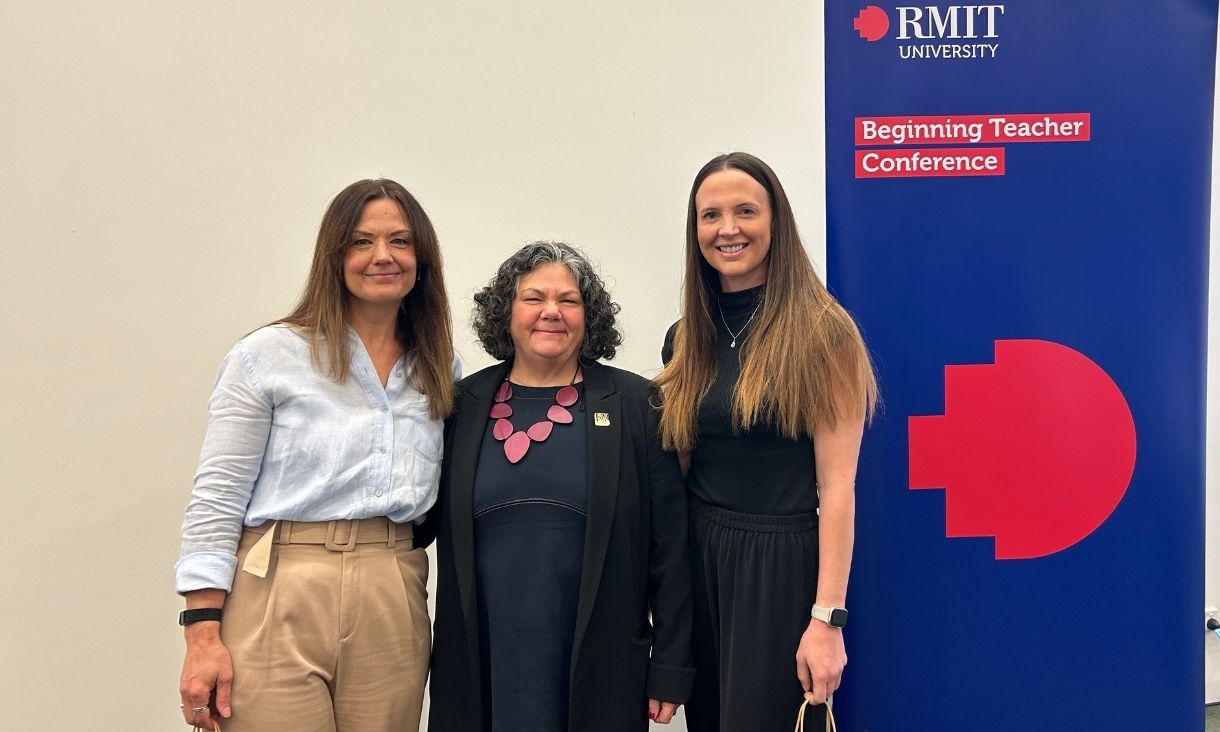
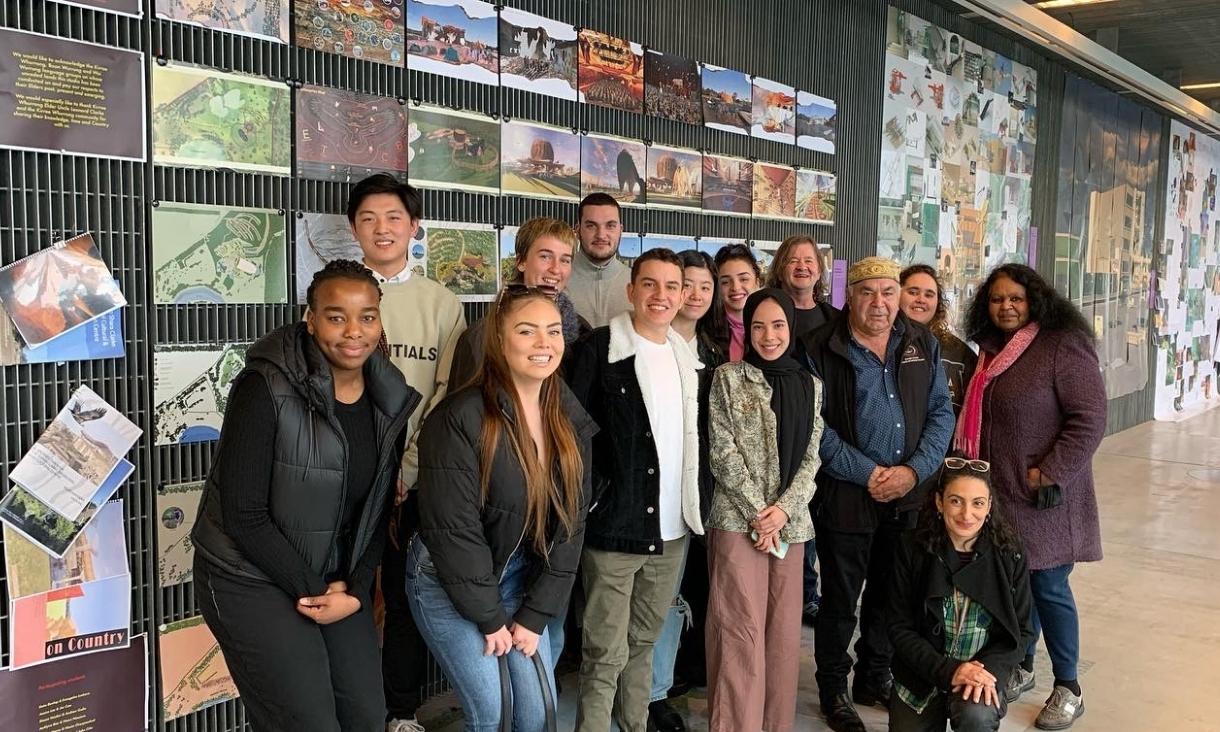
Group of students and people pose infront of a photo wallMaster of Architecture students present their designs to Uncle Leonard Clarke, Aunty Fiona Clarke, Kenneth McKean and Patricia McKean (RMIT Kirrae Whurrong Alumna) from a Design Studio led by Associate Professor Christine Phillips, Stasinos Mantzis and partnered with Uncle Leonard Clarke for the Kirrae Whurrong community. Taken by Stasinos Mantzis.

Phillips joins a strong lineage of past RMIT recipients of the Neville Quarry Architectural Education Prize, including: Associate Professor, Conrad Hamann (2021), Professor Vivian Mitsogianni (2019), Professor Peter Corrigan (2013) and Professor Leon van Schaik (2005).  

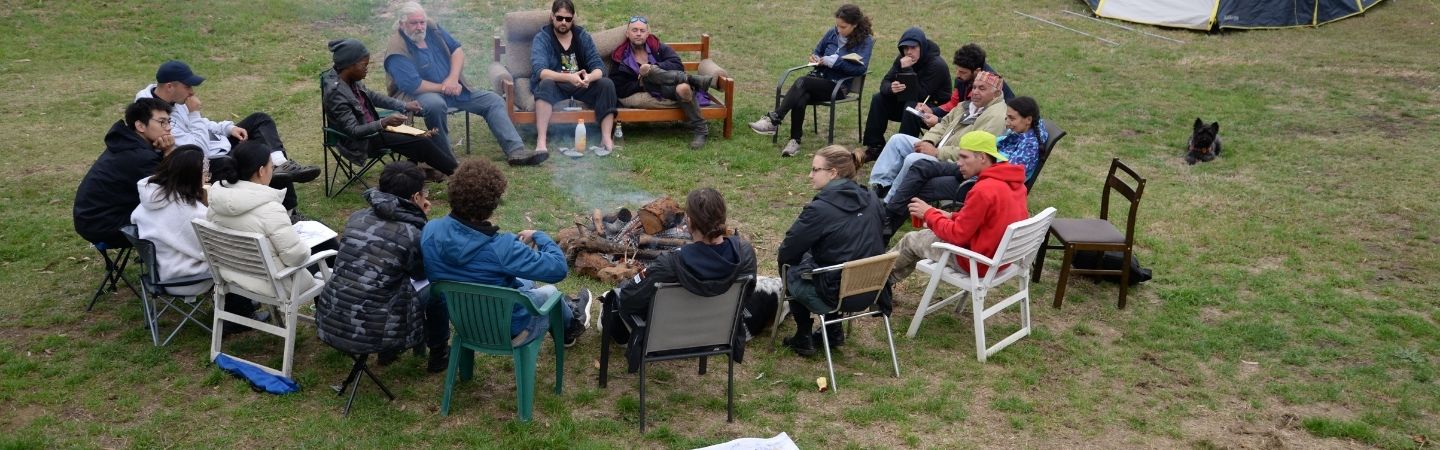
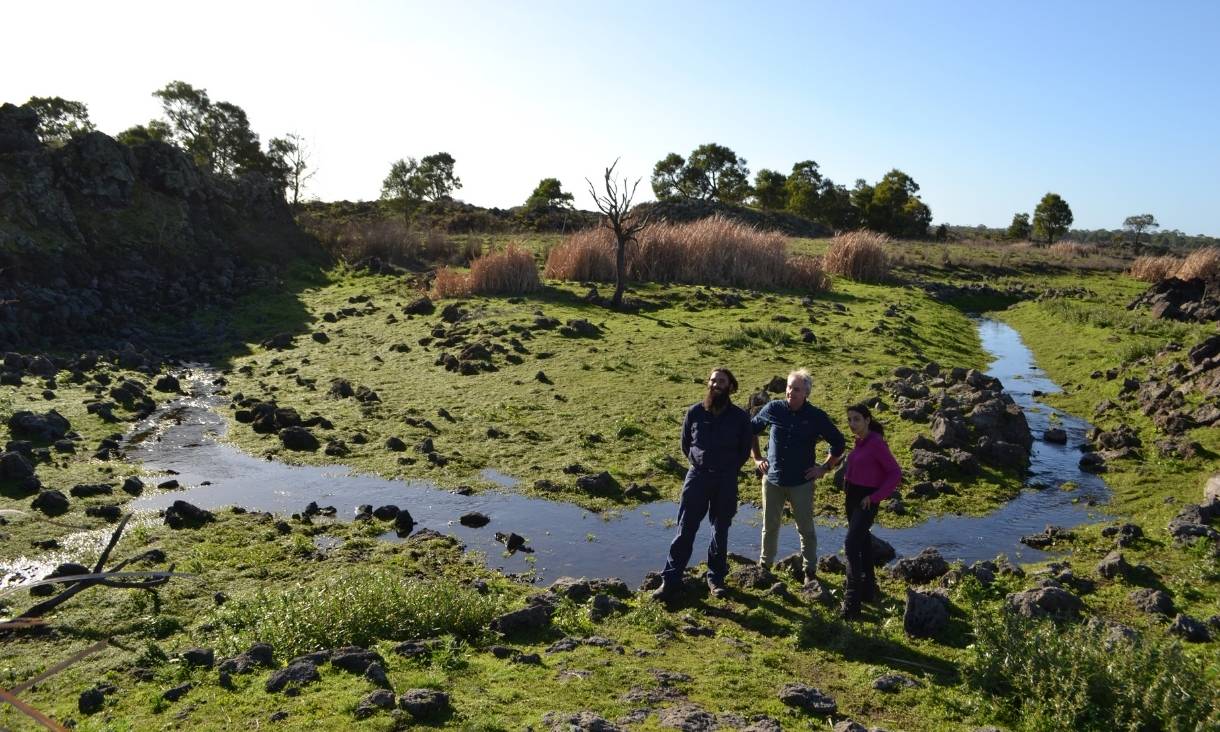
Three figures stand in a green field.Associate Professor Christine Phillips and Dr Jock Gilbert with Gunditjmara ranger Aaron Morgan exploring the Budj Bim World Heritage Cultural Landscape.

Drawing from the Boon Wurrung words ‘Yulendj’ and ‘Weelam’, meaning ‘deep knowledge’’ and ‘home’, the RMIT Yulendj Weelam Lab are a team of Indigenous and non-Indigenous architects, landscape architects, creative practitioners and knowledge holders who work with First Peoples communities and design practitioners to ensure Australia’s built environments connect with the Country upon which they stand. 

Share

  • DSC Research
  • Industry
  • Announcements
  • Arts and culture
  • Architecture
  • Indigenous Australia
  • DSC
  • Indigenous
  • Student experience
  • Future World of Work

Related News

aboriginal flag float-starttorres strait flag float-start

Acknowledgement of Country

RMIT University acknowledges the people of the Woi wurrung and Boon wurrung language groups of the eastern Kulin Nation on whose unceded lands we conduct the business of the University. RMIT University respectfully acknowledges their Ancestors and Elders, past and present. RMIT also acknowledges the Traditional Custodians and their Ancestors of the lands and waters across Australia where we conduct our business - Artwork 'Sentient' by Hollie Johnson, Gunaikurnai and Monero Ngarigo.

More information