
Explaining the role of prevention in homelessness crucial: study

Explaining the role of prevention in homelessness crucial: study

New RMIT research shows strong support for emergency homelessness services and government partnerships with charities and the private sector to tackle housing insecurity and cost-of-living pressures.

The new research commissioned by St Vincent de Paul Society Victoria and conducted by RMIT also found the way homelessness policy proposals are presented influences public support and perceptions of effectiveness.

Online surveys measured the views of around 650 Victorians on the causes of homelessness, government responsibility, service priorities and funding approaches.

The research confirms that housing insecurity is widely seen as a cost-of-living concern and that emergency supports around that are seen as a priority for both governments and charities to focus on.

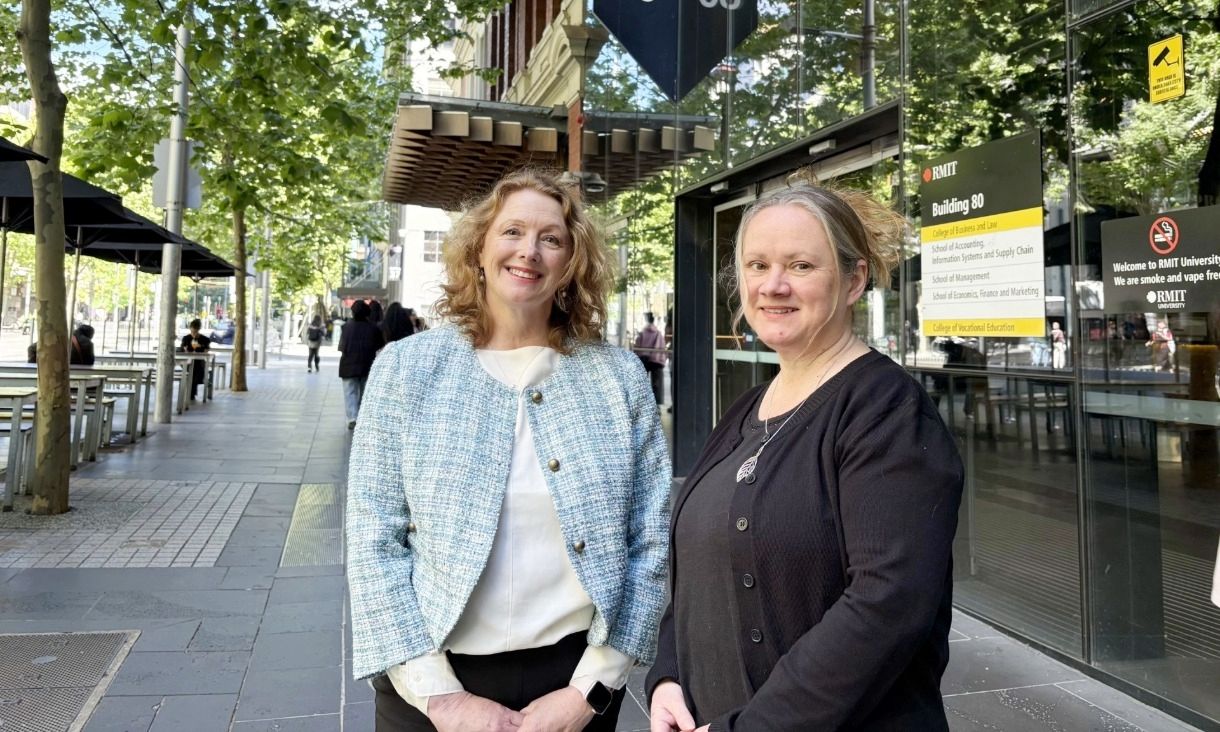
Report co-authors Associate Professor Meg Elkins and Professor Lisa Farrell from RMIT's College of Business and Law. Credit: Eliza Cain.Report co-authors Associate Professor Meg Elkins and Professor Lisa Farrell from RMIT's College of Business and Law. Credit: Eliza Cain.

Report co-author at RMIT Professor Lisa Farrell said the survey showed strong support for addressing homelessness, with 78% of respondents rating it a very or extremely important issue.  

But the survey also revealed the crucial role of structural and preventative efforts may need to be better explained.  

Participants surveyed on various solutions including homelessness prevention, emergency support, housing affordability and social services backed emergency support more strongly than prevention, and saw it as more effective than the other approaches.  

“The findings suggest that the challenge is not simply to generate public support for homelessness relief, but to communicate effectively why prevention, affordable housing and ongoing support services are essential,” Farrell said.

“Reactive crisis spending is the easiest for people to understand and judge, while the benefits of prevention and new housing supply take longer to appear and need to be explained in terms of the crises they avoid.”

Framing these investments in those terms and their role in helping people achieve lasting housing stability may strengthen public understanding of their value, she explained.

Report co-author at RMIT, Associate Professor Meg Elkins said findings also show the public believes homelessness is not simply an individual problem or the responsibility of charities alone, but a combined responsibility. 

More than four in five respondents (84%) supported increased government spending on homelessness services when funding required partnerships with charities and the private sector.

"Victorians don't see homelessness as one person's failure or problem charities should solve alone.  They want governments, community organisations and businesses working together, and they’re willing to back more spending when the partnership is built in."

Acting Group CEO at St Vincent de Paul Society Victoria Ray Kelleher says keeping people housed is increasingly a cost-of-living issue.Acting Group CEO at St Vincent de Paul Society Victoria Ray Kelleher says keeping people housed is increasingly a cost-of-living issue.

Elkins said understanding what the community thinks about homelessness is important for building public support for effective policies and government investment.

“The research provides new evidence on community views in Victoria about homelessness policy, government responsibility and alternative approaches to addressing homelessness,” Elkins said.

“These insights can inform policy advocacy, strengthen public communication and support conversations with government and other stakeholders.”

Acting Group CEO at St Vincent de Paul Society Victoria Ray Kelleher said collaboration and a focus on prevention were critical to addressing the issue of homelessness.

“Prevention means helping people meet short-term housing costs, resolve tenancy problems and access assistance before they hit crisis point,” he said.

“Getting help in at that moment means a family stays in their own home, close to their school and their community. Waiting until they’ve lost everything helps no one.”


Story: Michael Quin and Libby Woolnough

11 November 2026

Share

11 November 2026

Share

  • CoBL
  • Research
  • Social services
  • Industry
  • Society

Related News

aboriginal flag float-starttorres strait flag float-start

Acknowledgement of Country

RMIT University acknowledges the people of the Woi wurrung and Boon wurrung language groups of the eastern Kulin Nation on whose unceded lands we conduct the business of the University. RMIT University respectfully acknowledges their Ancestors and Elders, past and present. RMIT also acknowledges the Traditional Custodians and their Ancestors of the lands and waters across Australia where we conduct our business - Artwork 'Sentient' by Hollie Johnson, Gunaikurnai and Monero Ngarigo.

More information