Internet access rises but affordability remains a barrier
Ninety-eight per cent of respondents reported having internet access, while 86% had used the internet in the previous day, significant improvements on previous findings.
Online services have become part of daily life, with 83% of respondents reporting they had used online banking and 72% government services in the previous month.
Lauren Ganley, Head of Telstra’s First Nations Strategy & Engagement, said the findings showed encouraging progress, while reinforcing the need for continued action.
“Connectivity can be transformational for remote First Nations communities, but access alone is not enough. It needs to be affordable, reliable and designed around the needs of communities,” she said.
“This research helps us understand where progress is being made and where the gaps remain. Telstra is proud to support this important work and, most importantly, to listen to communities as we work together to improve digital inclusion.”
Despite these gains, affordability remains a significant barrier, with surveyed households spending an average of $345 a month on mobile and internet services.
Eighty-three per cent of respondents reported sacrificing or cutting back on essentials to afford internet access, while 69% compromised on data allowances or connection speeds to manage costs.
Ormond-Parker said the findings exposed the difficult choices facing many remote households.
“Better connectivity is bringing clear benefits, but families should not have to cut back on essentials to afford internet access,” he said.
“Closing the digital gap requires long-term solutions developed with communities that reflect their needs and circumstances.”
The 2026 research was conducted across nine remote and very remote First Nations communities, including seven of the nine sites surveyed in 2025.
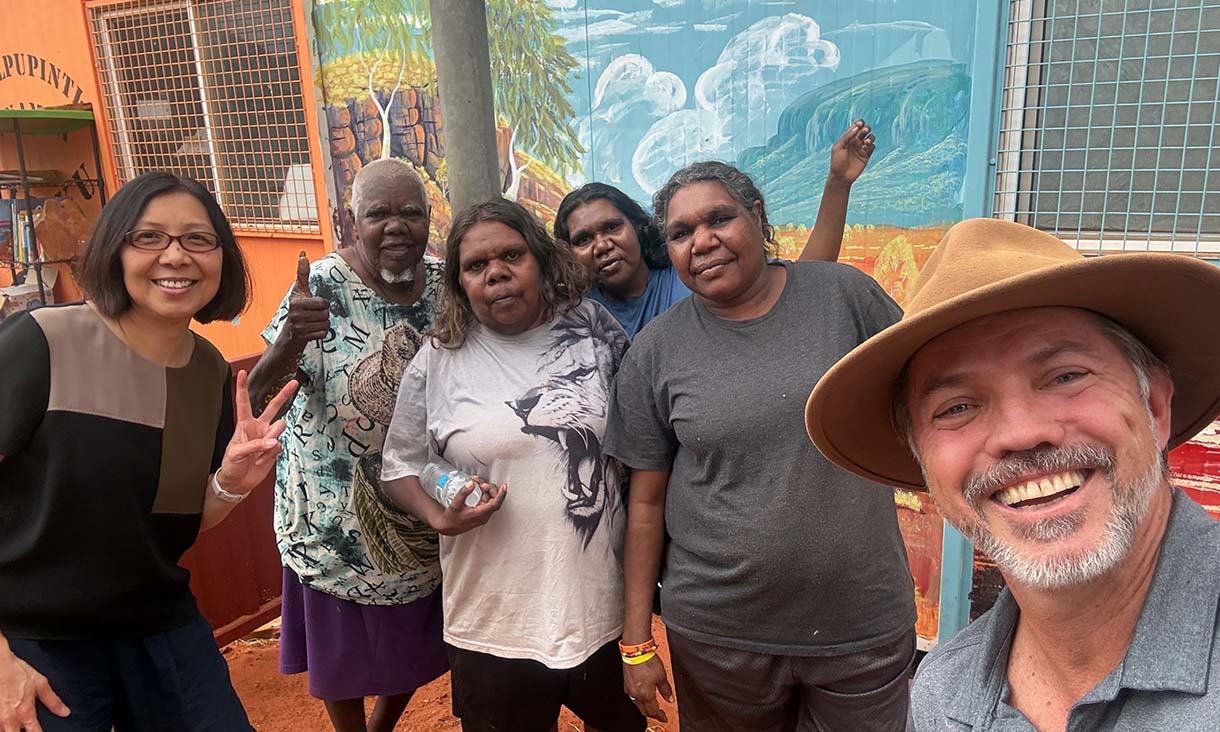
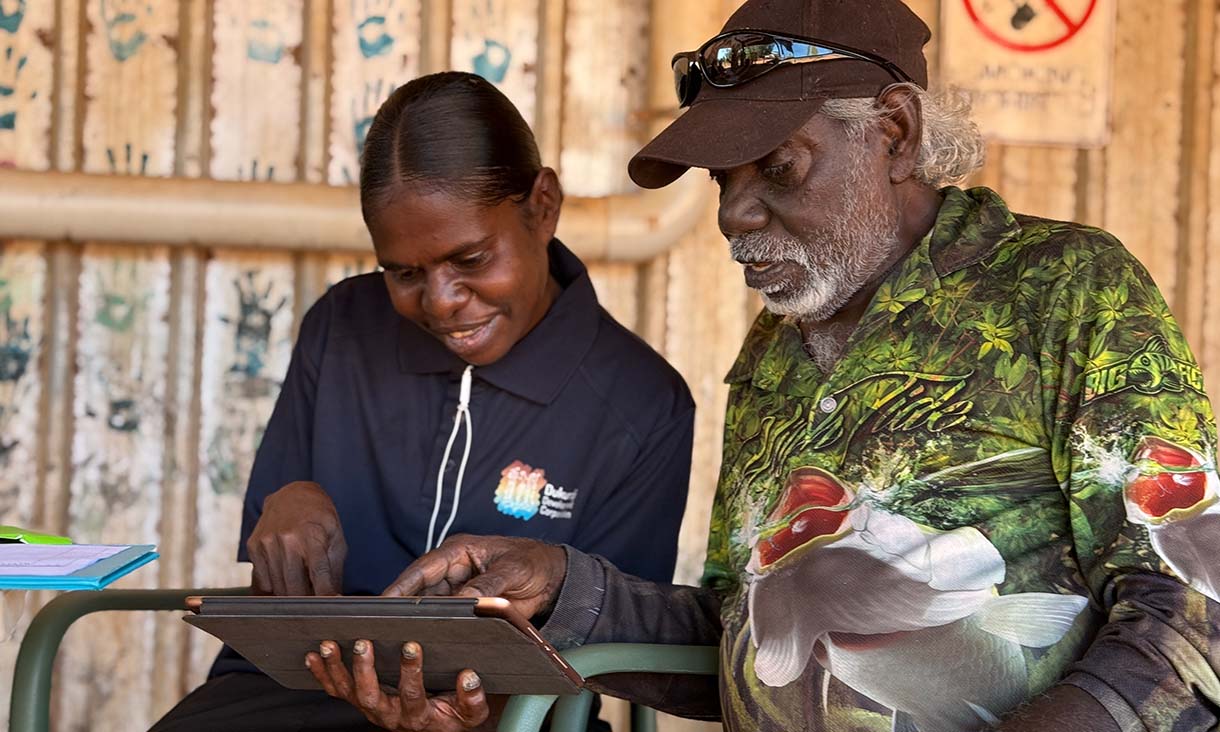
Researchers worked with local First Nations organisations and community co-researchers to survey residents and examine how they access and use digital and media services.
Mapping the Digital Gap is an RMIT and Swinburne research project tracking digital inclusion and media use in remote First Nations communities across Australia, supported by Telstra.
The Mapping the Digital Gap: 2026 Outcomes Report is published by the ARC Centre of Excellence for Automated Decision-Making and Society, RMIT University, Swinburne University of Technology and Telstra. (DOI: 10.60836/ggns-vm61)
Story: Aеdеn Ratcliffе