A smoother shake?
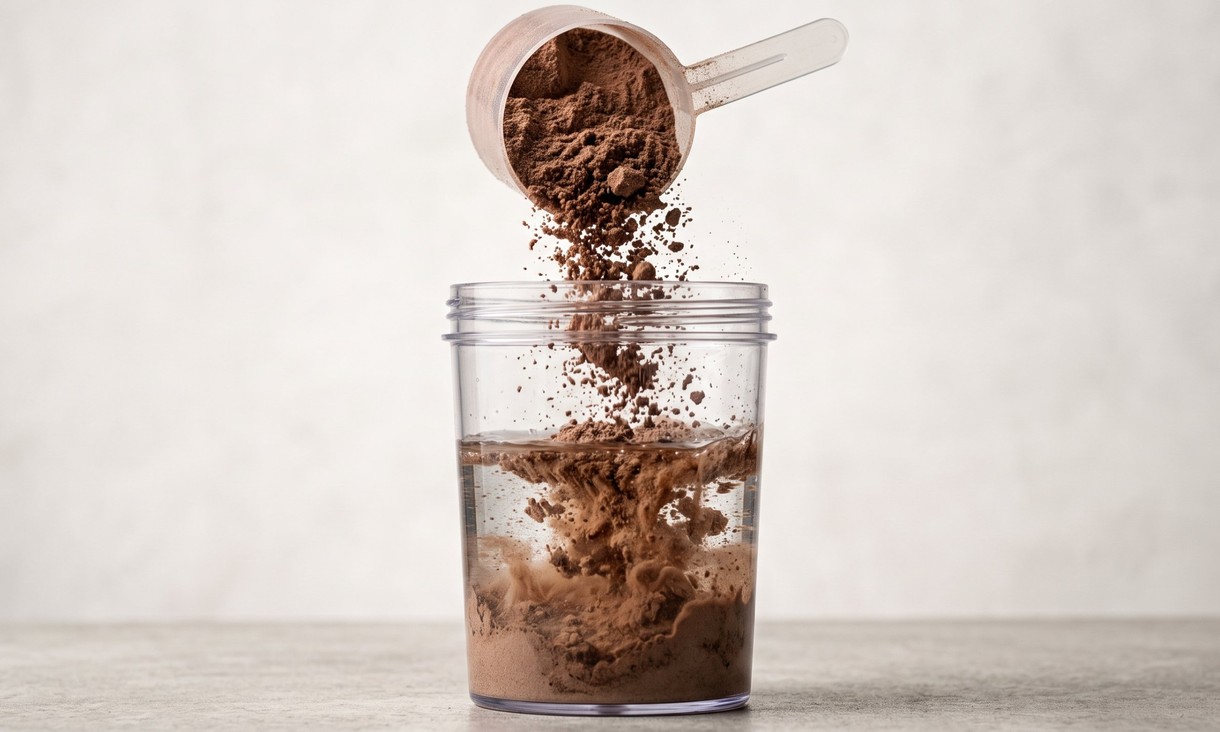
Most people have chipped lumps out of a protein shaker or chased a floating clump around a mug of chocolate milk. Few know that static electricity is one of the likely culprits.
As powders rub and tumble during manufacturing, packing and pouring, the grains can pick up static charge and cling to each other.
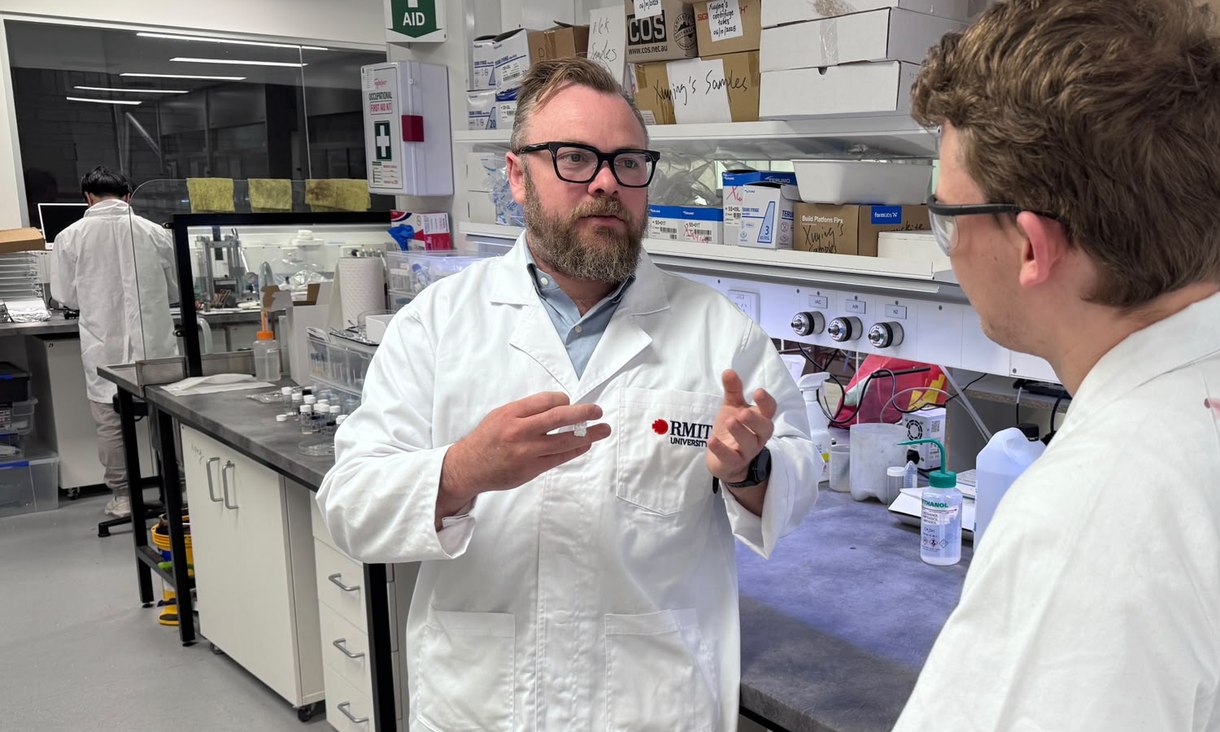
“In principle, we could apply a small electric field across powders as they move,” Sherrell said.
“That stops them charging up, so they don't get electrostatically ‘stuck’ to each other.”
The team tested plastics, rather than food products, but the findings of the study are good indicator for how the team’s approach could apply to food powders.
“The next step is to find out how strong the field needs to be, how long to apply it for each powder and where in the process it works best,” Sherrell said.
The team plans to test the approach on real powders and to study programmable surfaces at much smaller scales, so that different parts of the same surface can be programmed in different ways.
Their current grant application with industry partners focuses on removing anti-static additives from fuels by tuning the surfaces the fuels touch, which could make fuel more energy efficient.
Solving a long-standing puzzle
The research also offers evidence on a question scientists have debated for years: what makes charge separate when two materials touch and pull apart?
Computer simulations showed that the electric fields the team applied were similar in strength to those created naturally when rough plastic surfaces press together. This supports the idea that tiny built-in electric fields help drive the separation of charge in everyday static electricity.
How the research was done
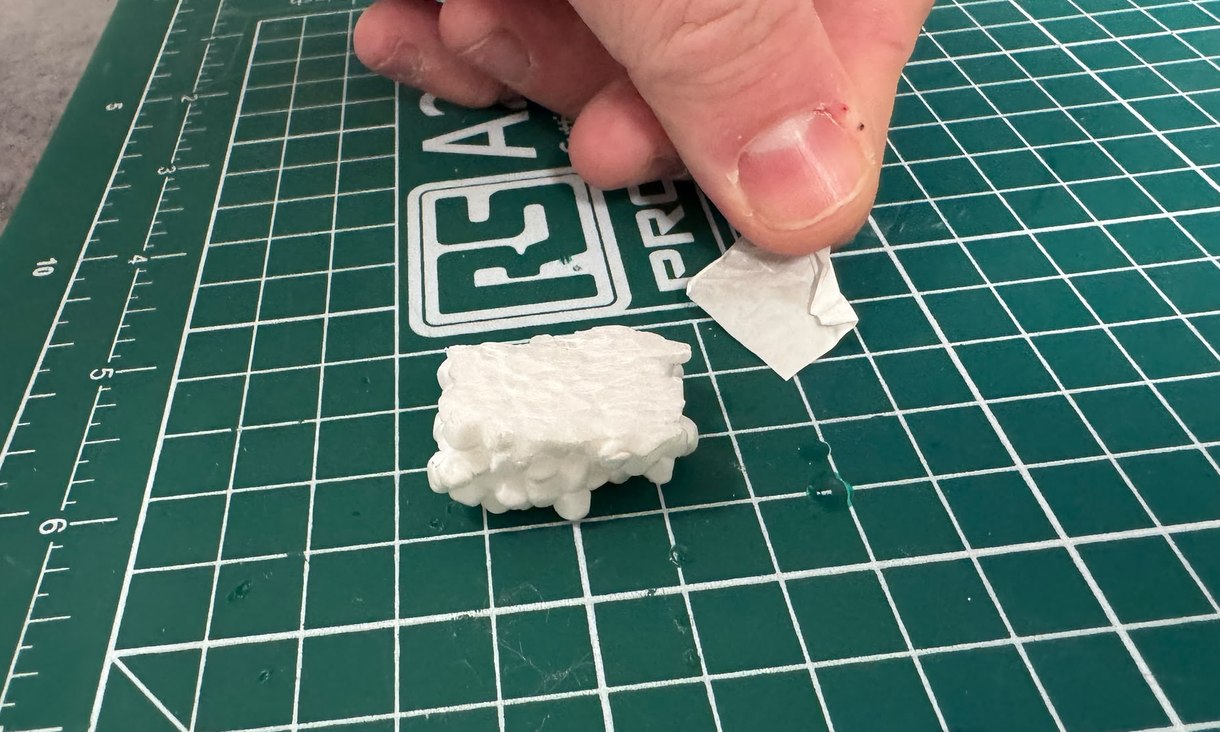
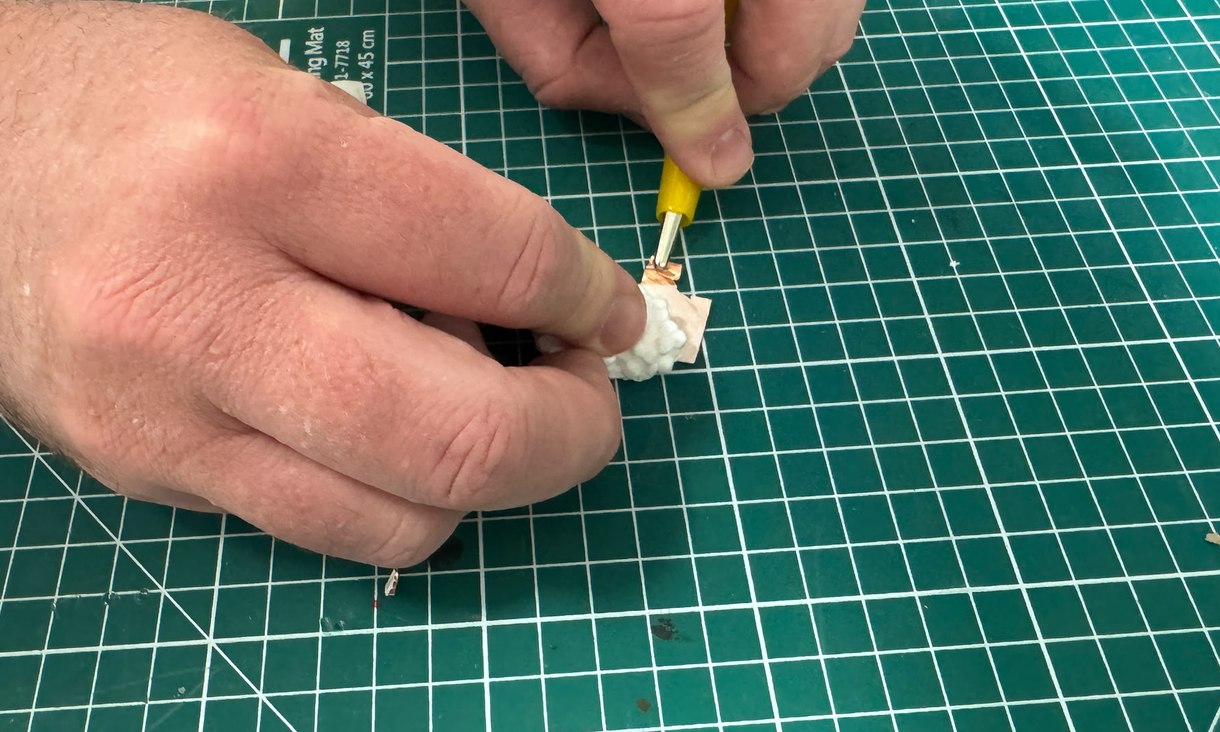
The team pressed polystyrene films together and pulled them apart 500 times, while applying external electric fields.
Stronger fields left more charge, and reversing the field from positive to negative reversed the charge. The same behaviour appeared in all of the plastic’s tested.
These results were compared to the computational models to understand what was happening.