Study finds blue collar workers at highest risk of suicide

Study finds blue collar workers at highest risk of suicide

A national study of suicide rates across occupations in Australia shows blue-collar male workers are still substantially over-represented, underscoring a need for greater attention to occupation-specific factors that might increase risk.

The RMIT University and University of Melbourne study published today in BMJ Public Health analysed more than 20,000 suicide deaths among employed Australians aged 15–64 between 2001 and 2022. 

 The first of its kind study showed a strong pattern of men working in certain occupations dying by suicide at higher rates than men in other occupations.  

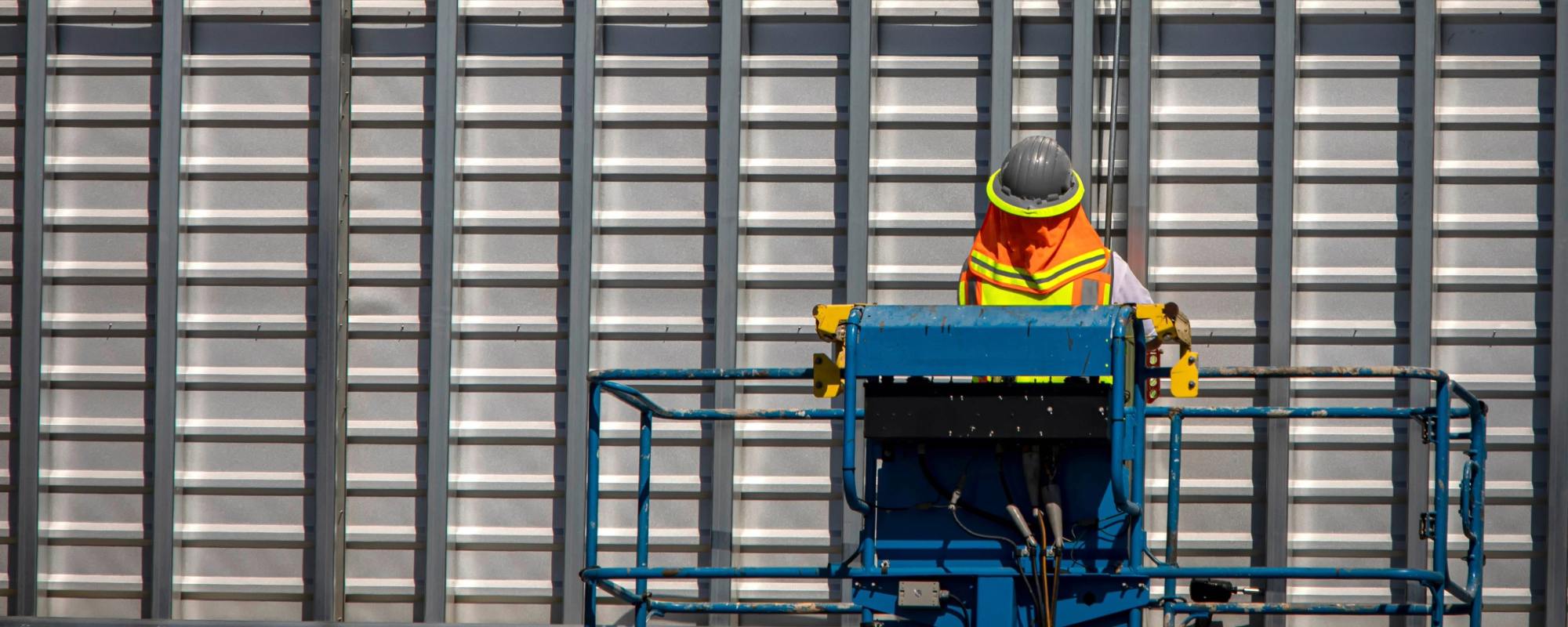
Occupations where higher rates were observed tend to share some key characteristics including that they are manual and physically demanding, frontline roles. Suicide rates among male construction and mining labourers were three to four times higher than most other industries, followed by machine and plant operators, farm and forestry workers and automotive and engineering trades workers.  

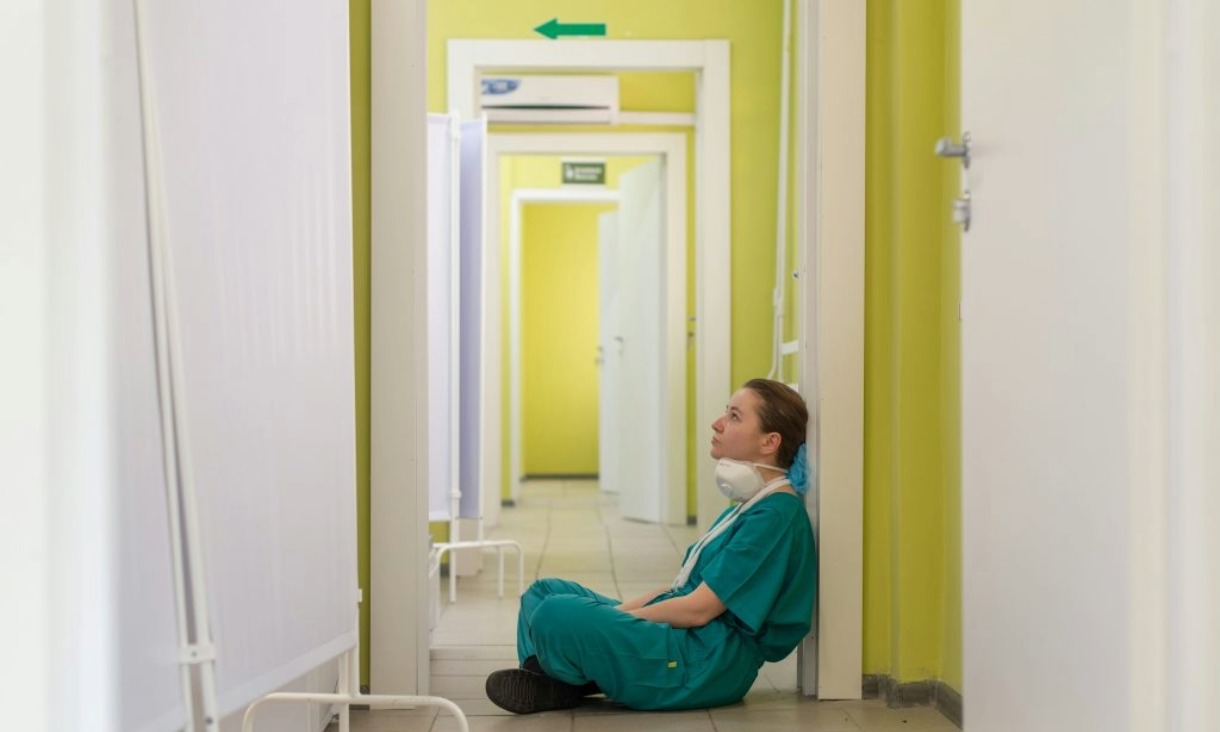
Rates were also high, though slightly less, in health, media and arts, hospitality, protective services and office support roles.

RMIT study senior author Associate Professor Tania King said there were clear patterns of some occupational groups showing higher rates of suicide, with little meaningful improvement over the past two decades.

“Our research shows suicide risk isn’t random: there is clear patterning of suicide risk across different occupations," she said.

"And we particularly see this when specialisation, gender and certain working conditions collide."

Workers in the industries identified as high‑risk are often exposed to hazardous environments, long and irregular hours, physical strain and limited control over their work.

These pressures – from injury‑prone tasks to poor conditions and low autonomy – can compound stress and erode mental wellbeing.

King said while some industries have made progress, many haven’t moved at all in twenty years.  

“That tells us the problem is at least partly due to the systems they’re working in.”

The study highlights an urgent need for structural, industry‑specific action to reduce suicide risk in the workplace.

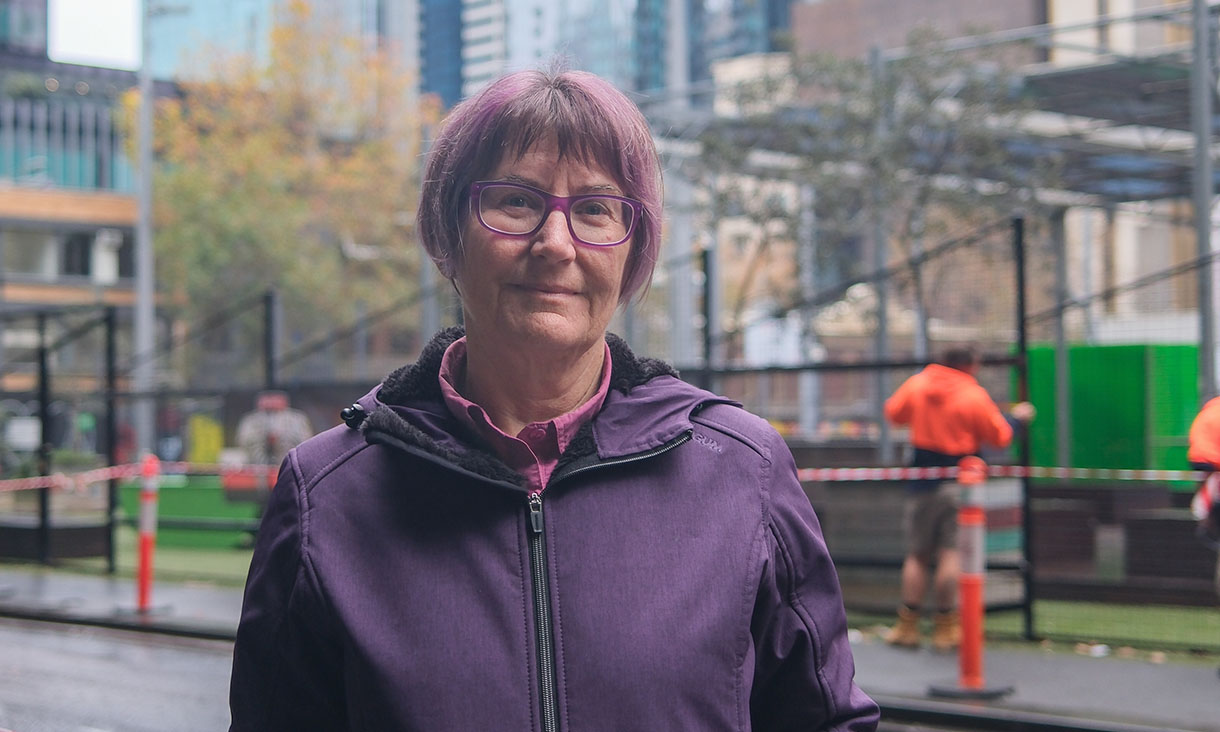
Alt Text is not present for this image, Taking dc:title 'undefined'Study senior author RMIT Associate Professor Tania King says real change will require industry‑level reform.

Different patterns across gender

The study compared suicide risk across all 43 occupational groups, and examined how these risks differ for men and women over time.

While women overall continue to face much lower rates of suicide than men, there were some industries where rates for women were higher than other industries.

In some occupations, such as health professionals and mobile plant operators, women faced more than double the suicide risk of women in other jobs.

However, the pattern of higher suicide rates among more manual frontline workers seen with men did not apply to women.

Industries where women showed elevated suicide risk relative to other employed women were both professional and more manual frontline occupations, with the highest risk observed in health professionals, automotive and engineering trades, and mobile plant operators.  

Study first author from the University of Melbourne, Dr Humaira Maheen, said despite overall national suicide rates remaining relatively unchanged over the past decade, only six occupational groups showed meaningful declines – these were typically in more specialised roles that already had lower baseline risk.

The industries showing declines were business, HR and marketing professionals, automotive and engineering trades workers, other technicians and trades workers, sales representatives and agents, store persons, and cleaners and laundry workers.

“Some of these occupations already had relatively low baseline rates, and that may reflect protective factors like high job control, stronger job security, better pay, and access to mental health support programs – advantages that more specialised or professional roles often have,” Dr Maheen said.  

Industry reform needed

King said the study findings provide a clear evidence base to target workplace suicide prevention strategies towards the occupational groups most at risk, including those whose risk may have grown over time.

Programs like MATES in Construction show that when industries invest in peer‑led support, prioritise mental health and provide accessible pathways to support, they can build safer environments for workers in high‑pressure roles.

“Real change will require industry‑level reform,” she said.  

“Better job security, safer conditions and clear access to mental health support are not optional – they’re lifesaving.”

‘Suicide across occupational groups in Australia, 2001–2022: a retrospective mortality study' is published in BMJ Public Health (DOI: 10.1136/ bmjph-2025-003662). 

This work was supported by a Veski Fair Fellowship. 

If this article has raised concerns for you, or you're worried about someone you know, support is available: Lifeline: 13 11 14, MensLine: 1300 78 99 78, Beyond Blue: 1300 22, Suicide Call Back Service: 1300 659 467.


 Story: Bree Marsh
Share

  • Research
  • DSC Research
  • Industry
  • Society
  • DSC

Related News

aboriginal flag float-starttorres strait flag float-start

Acknowledgement of Country

RMIT University acknowledges the people of the Woi wurrung and Boon wurrung language groups of the eastern Kulin Nation on whose unceded lands we conduct the business of the University. RMIT University respectfully acknowledges their Ancestors and Elders, past and present. RMIT also acknowledges the Traditional Custodians and their Ancestors of the lands and waters across Australia where we conduct our business - Artwork 'Sentient' by Hollie Johnson, Gunaikurnai and Monero Ngarigo.

More information